In the volatile landscape of modern digital publishing, the "ad-supported" model is increasingly viewed as a fragile foundation. Search algorithm updates, shifting social media referral traffic, and the unpredictable nature of programmatic advertising have left many publishers searching for a more stable path.
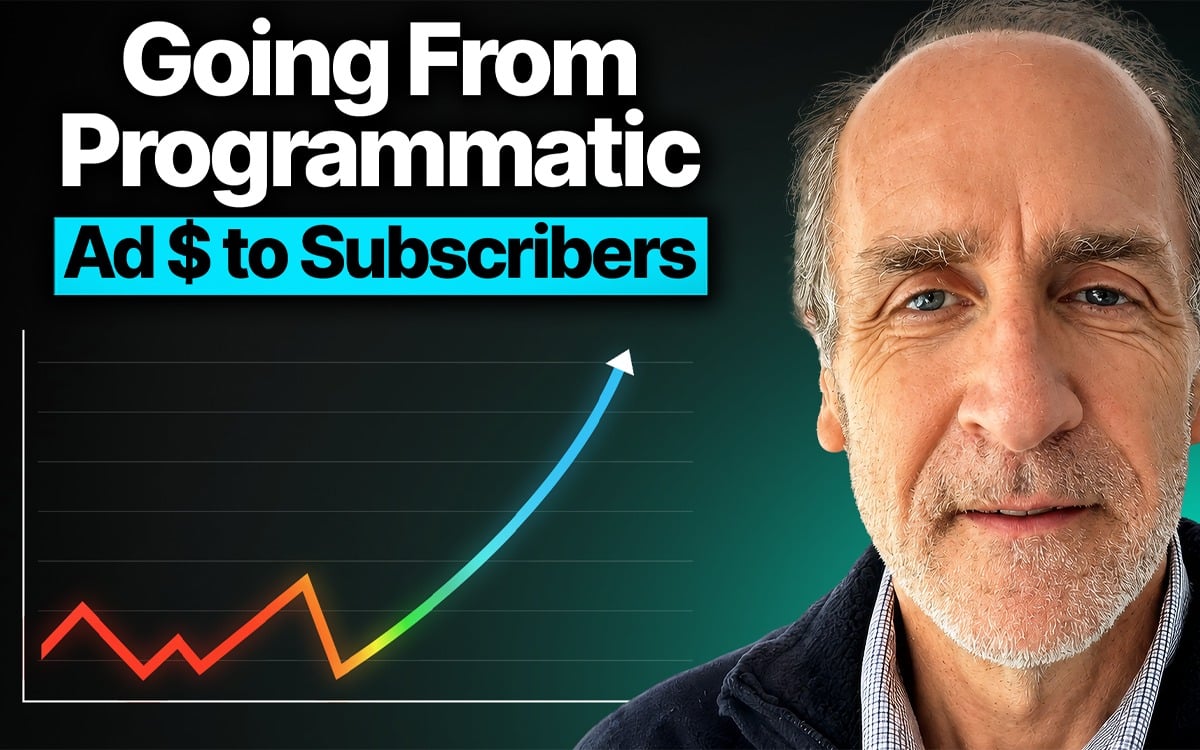
In this week’s episode of the Niche Pursuits podcast, Taegan Goddard, the founder of Political Wire, joins host Spencer Haws to deconstruct how he successfully transitioned from a purely ad-reliant model to a robust, subscription-first business. With a reach of up to 5 million monthly readers, Political Wire serves as a masterclass in building a paid ecosystem that values audience loyalty over sheer volume.
The Genesis: A Digital Evolution of Political Journalism
Political Wire did not emerge as a monolithic media brand; it began with a singular, focused editorial mission. Taegan Goddard was inspired by the Wall Street Journal’s legendary "Washington Wire" column—a space where the paper’s Washington bureau curated the most vital, nuanced political updates of the day.
Goddard sought to adapt this high-signal, low-noise philosophy for the digital age. In an era of infinite content, he bet on the power of editorial judgment. By refusing to chase every fleeting headline and instead focusing on what is timely, useful, and insightful for "political junkies," he cultivated a habit-forming experience.
The site’s rhythm is its heartbeat. Goddard publishes between 30 and 50 posts daily, maintaining this cadence through weekends, holidays, and even during the quietest periods of the political cycle. This relentless consistency has transformed the site into a "must-check" destination, with core users returning to the platform five to eight times per day.
The Election Cycle Engine: A Dual-Revenue Strategy
One of the most compelling aspects of Political Wire’s business model is how it navigates the cyclical nature of American politics. Traffic typically sits at a baseline of 4 to 5 million monthly visitors, but that figure often doubles or triples during the peak of election seasons.
Goddard views these election spikes as a critical top-of-funnel discovery tool. As new, casual readers flock to the site for up-to-the-minute election news, they are introduced to the Political Wire brand. This creates a two-tiered engagement strategy:
- The Free Tier: Acting as a discovery engine, the free site provides reach, brand awareness, and programmatic ad revenue (managed via Mediavine).
- The Paid Membership: Acting as the "loyalty engine," this tier provides the stability and predictability that ad-supported models lack.
By utilizing the free site to showcase the value of the brand, Goddard effectively converts the most engaged portion of his audience into long-term, paying members.
Smoothing the Volatility: The Subscription Advantage
For many digital publishers, the primary pain point is revenue volatility. Ad income is at the mercy of platform algorithms and market conditions, making long-term financial planning difficult. Goddard argues that subscription revenue fundamentally changes the calculus of running a media business.
With a stable base of subscribers, a publisher can forecast income with high accuracy. This shift allows for:
- Strategic Investment: Knowing your revenue floor allows for confident hiring or product development.
- Reduced Dependency: It lowers the pressure to chase "clickbait" to satisfy algorithmic traffic demands.
- Community Focus: It shifts the publisher’s incentive from "maximizing pageviews" to "maximizing member satisfaction."
Goddard is quick to note that he has not abandoned ads; rather, he has integrated them into a hybrid model where the free site handles reach, and the subscription side handles the heavy lifting of revenue predictability.
The Art of the Bundle: Why “More” is Better than “One”
A central theme of the discussion is the concept of "bundling." Goddard explains that Political Wire succeeded by unbundling political news from the clutter of legacy newspapers, only to rebundle that value into a unique membership package.
The current Political Wire subscription is not merely a "paywall for articles." It is a curated bundle designed to reduce churn:
- Ad-Free Browsing: A high-value utility for daily power users.
- Exclusive Analysis: Goddard’s unique, expert commentary.
- The "Trial Balloon" Podcast: A weekly audio touchpoint that deepens the parasocial connection.
- Community Features: Interactive quizzes and members-only sections.
By providing multiple reasons to stay, Goddard makes the membership harder to cancel. If a user loses interest in one aspect of the site, the other features—the podcast, the ad-free experience, the community—provide ongoing value. The membership is no longer a single-point failure; it is a multi-faceted service.
Pricing Lessons and the "Underpricing" Trap
Perhaps the most surprising insight from the interview is Goddard’s experience with pricing. Despite raising prices over his decade-plus of running the subscription model, he has received only one complaint.
"If you aren’t occasionally testing your price ceiling, you are likely leaving money on the table," the conversation implies. Political Wire’s pricing structure—$80 for an annual membership or $8 monthly—is designed to incentivize long-term commitment.
Goddard highlighted the "friends and family" plan as a brilliant churn-reduction tool. By allowing members to share their access with others, the subscription becomes a shared experience, making the decision to cancel a hurdle that requires a consensus. This effectively embeds the product into the subscriber’s social circle, increasing its "stickiness."
Leveraging AI and Data for Optimization
Goddard’s approach to technology is remarkably pragmatic. He uses AI tools like ChatGPT and Claude not to write his content, but as "low-cost consultants" to critique his site’s conversion funnel. By uploading screenshots and analyzing the user experience from a cold-start perspective, he is able to refine his messaging and banner placements.
This experimental mindset is critical for publishers. The ability to iterate on the "offer"—how the subscription is pitched and where it appears—is just as important as the content itself.
The Human Element: Trust as a Product
Ultimately, Political Wire succeeds because it is personal. Members are not just buying news; they are buying Taegan Goddard’s judgment. This creates a high-trust environment where the audience feels a direct connection to the creator.
Goddard emphasizes that this is not "passive income." It requires active participation: responding to member feedback, maintaining a high standard of editorial integrity, and showing up every single day. The "personal brand" aspect of the site ensures that the audience stays loyal not just to the news, but to the person delivering it.
Implications for Future Publishers
The success of Political Wire provides a roadmap for niche site owners and independent journalists. The key takeaway is not that every site needs a paywall, but that every site with a loyal audience should evaluate whether that loyalty is being monetized effectively.
For publishers currently suffering from "ad-revenue fatigue," the path forward is clear:
- Identify your core audience: Who are the people visiting you five times a day?
- Build a value proposition: What extra value (podcasts, analysis, community) can you offer them?
- Test the pricing: Don’t be afraid to experiment with higher price points.
- Leverage the free-to-paid funnel: Use your free content to bring in new readers, but ensure your best content is reserved for those who support the mission.
As the media landscape continues to fracture, those who prioritize direct, subscription-based relationships with their readers will be the ones who survive and thrive. Political Wire is proof that if you provide enough value and maintain a consistent, trustworthy voice, your audience will not only read your work—they will invest in your future.