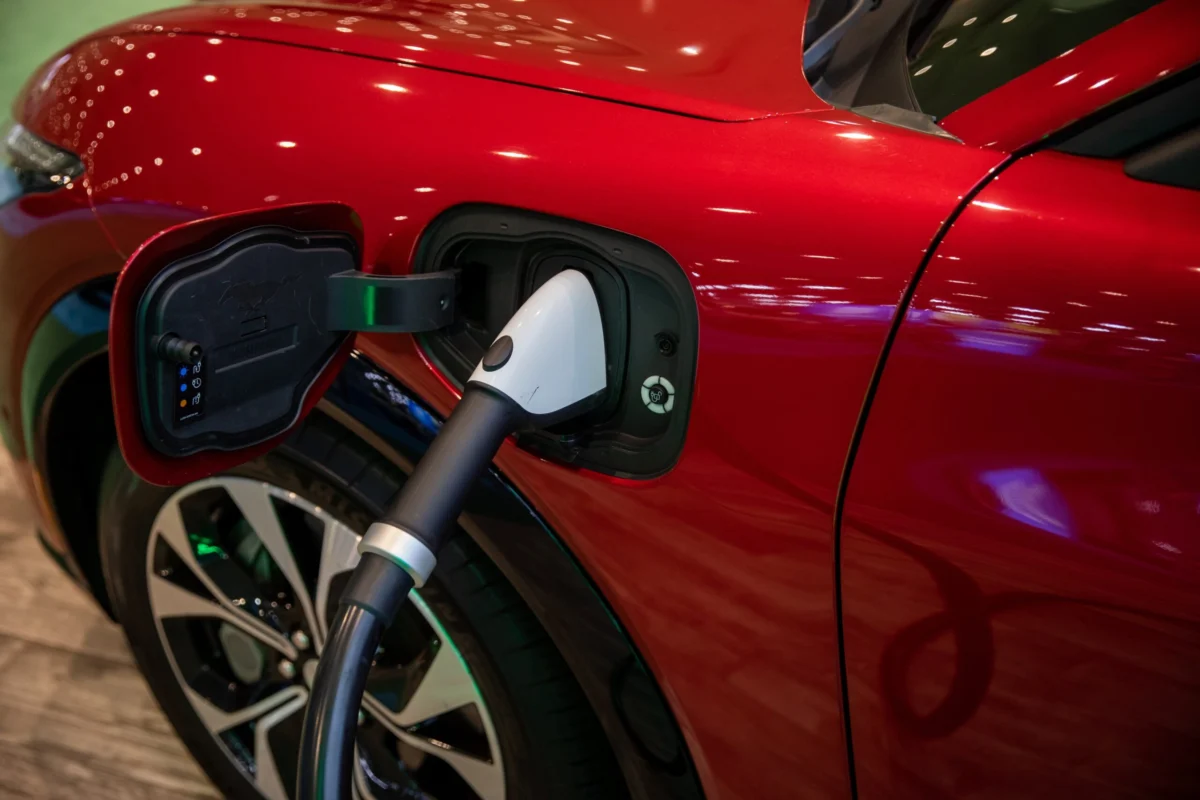
For years, the "Achilles’ heel" of the electric vehicle (EV) revolution has been public charging. While early adopters were willing to tolerate the friction of broken hardware, cryptic apps, and "range anxiety," the average consumer remained unconvinced. According to a 2025 survey by AAA, over half of prospective buyers still list public charging infrastructure as a primary barrier to entry.
For a long time, these concerns were entirely justified. EV fast-charging was historically plagued by downtime, inconsistent payment systems, and a lack of interoperability. However, after a recent 600-mile road trip from the U.S. into Montreal, the reality of the charging landscape has shifted dramatically. What was once a high-stress gamble has evolved into a routine, reliable experience, marking a turning point for the electrification of transportation.
The Evolution of the Road Trip: A Case Study in Progress
To understand the magnitude of this shift, one must look at the recent journey taken in an Audi e-tron. Despite the vehicle’s modest 220-mile range—far shorter than the 300-mile capacity of a modern Kia EV9—the trip was completed with remarkable ease.
The strategy employed was simple: utilizing A Better Route Planner (ABRP). This tool, now under the stewardship of Rivian, accounts for granular variables including elevation changes, wind resistance, ambient temperature, and battery health. During the trip to Montreal, the software directed the vehicle to a Rivian charging hub in Lebanon, New Hampshire.
The experience was revelatory. Unlike the "wild west" of charging networks from years past, this location featured six 300-kilowatt chargers that were fully operational. The station required no proprietary app downloads; the credit card reader functioned immediately, and the vehicle drew a steady 140 kilowatts—hitting its peak charging capacity. The infrastructure was complemented by proximity to amenities like grocery stores and cafes, turning a "recharging session" into a standard break for food and rest.
This success was repeated on the return trip, and even in Canada, where a minor hiccup with a card reader at a Circuit Électrique station was quickly resolved via a simple app download. These stops were not disruptions; they were synchronized with natural intervals for lunch and coffee. For the first time, the car was never waiting on the grid; the grid was ready and waiting for the car.
A Look Back: The "Dark Ages" of EV Charging
The recent success stands in stark contrast to the experience just three years ago. In 2023, a similar trip in the same vehicle to Maine—a distance only half that of the Montreal trek—was defined by technical failures.
At that time, the user experience was a textbook example of why mainstream consumers were wary of EVs. The journey was marred by chargers that failed to initiate, stations that reported false availability, and a heavy reliance on customer service hotlines. A simple seven-hour drive necessitated three separate calls to support centers, with multiple stalls rendered useless by faulty hardware or software "handshake" errors. It was an environment where the infrastructure felt like an afterthought, and "gas station parity" seemed like a distant dream.
Supporting Data: The Infrastructure Surge
The anecdotal improvement is backed by hard data from the Joint Office of Energy and Transportation. In July 2023, the U.S. boasted approximately 32,000 DC fast chargers. Today, that number has more than doubled.
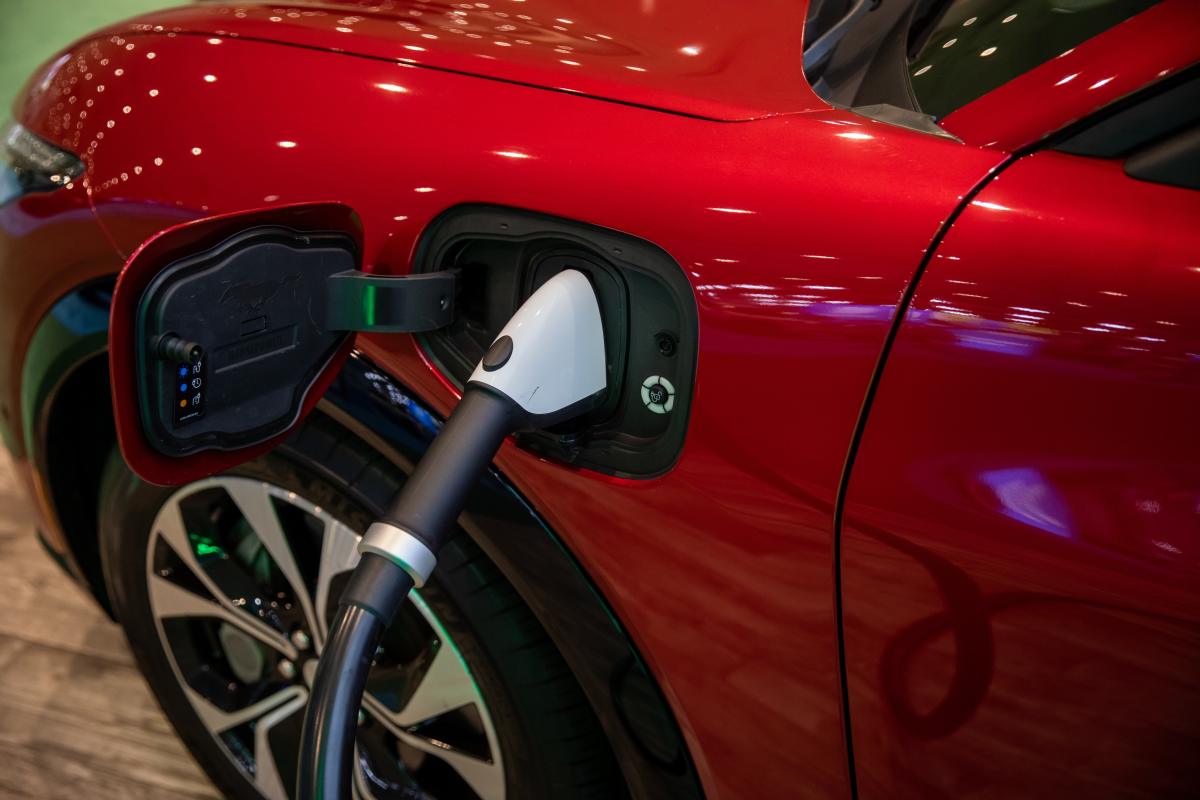
The catalyst for this growth is twofold: the aggressive expansion of independent networks and the historic opening of Tesla’s Supercharger network to non-Tesla vehicles. After a lengthy transition period that lasted well into 2024, the widespread integration of the North American Charging Standard (NACS) has fundamentally unified the charging ecosystem.
Furthermore, the "Reliability Index" from industry monitor Paren confirms this trend. Reliability metrics—which track successful charging sessions and system uptime—have climbed from 85% in 2024 to the mid-90% range in 2026. This upward trajectory is the result of both increased capital investment and the fierce competition between networks like Electrify America, EVgo, ChargePoint, and the burgeoning Rivian Adventure Network. When reliability becomes a competitive advantage, the consumer inevitably wins.
Official Perspectives and Industry Responses
Industry analysts note that the shift is not merely about adding more plugs, but about standardizing the "handshake" between the vehicle and the station. The U.S. Department of Energy’s NEVI (National Electric Vehicle Infrastructure) formula program has been instrumental in this, requiring recipients of federal funding to maintain a minimum uptime of 97%.
"We are moving from a phase of experimental deployment to a phase of utility-grade operation," says one industry consultant. "The mandates for 97% uptime are forcing network operators to invest in better remote diagnostics, proactive maintenance, and more robust hardware."
Tesla’s transition to an open network has also pressured competitors to improve. Knowing that a driver can now choose between a Tesla Supercharger and a third-party alternative, other networks are investing heavily in "plug-and-charge" technologies—where the charger recognizes the car automatically—eliminating the need for credit cards or apps entirely.
The Implications: What This Means for the Future
The implications for the broader automotive market are profound. As the fear of "being stranded" dissipates, the demographic of EV buyers is expected to widen. No longer restricted to homeowners with private garages, the public charging network is finally becoming a viable safety net for those living in apartments or relying on road trips.
Key Takeaways for Potential Buyers:
- The "Range" Myth: As the charging network stabilizes, massive battery ranges become less critical. 200–250 miles of range is more than enough when fast-charging is truly fast and reliable.
- Standardization is Here: The move toward unified connectors and integrated payment systems means that "network anxiety" is rapidly becoming a relic of the past.
- The Infrastructure Lag is Closing: While rural gaps remain, the interstate corridors are increasingly robust. The "Bill of Rights" for charging, once a desperate plea for basic service, is now becoming the industry standard.
Conclusion: A New Chapter for EVs
The transition to electric vehicles was never going to be a linear path. It required a "chicken-and-egg" cycle of vehicle adoption fueling infrastructure, which in turn fuels more adoption. For a time, the lack of reliable infrastructure acted as a bottleneck, creating a self-fulfilling prophecy of skepticism.
However, the data and the experience of 2026 show that the bottleneck has been cleared. The charging experience is no longer a "tax" on EV ownership; it is a seamless component of modern travel. While the network is not yet perfect—broken chargers still exist, and rural access requires further build-out—the progress is undeniable. For the holdouts still waiting on the sidelines, the evidence is increasingly clear: the infrastructure is ready, the technology is stable, and the road trip is once again an electric affair.