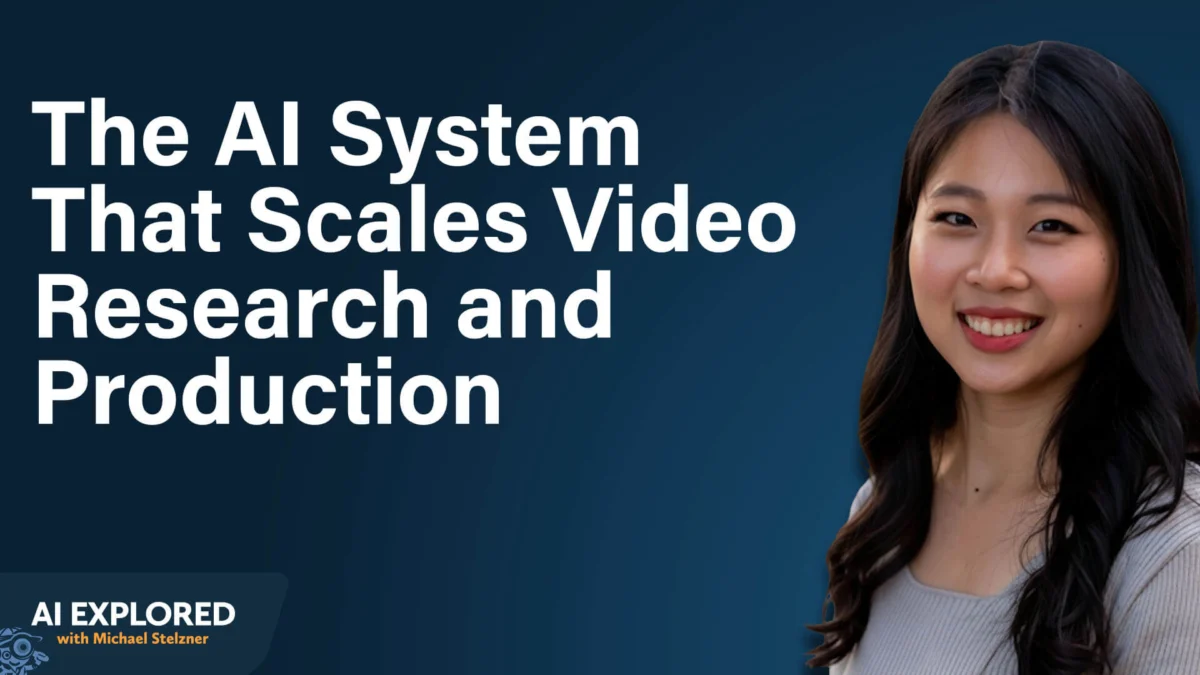
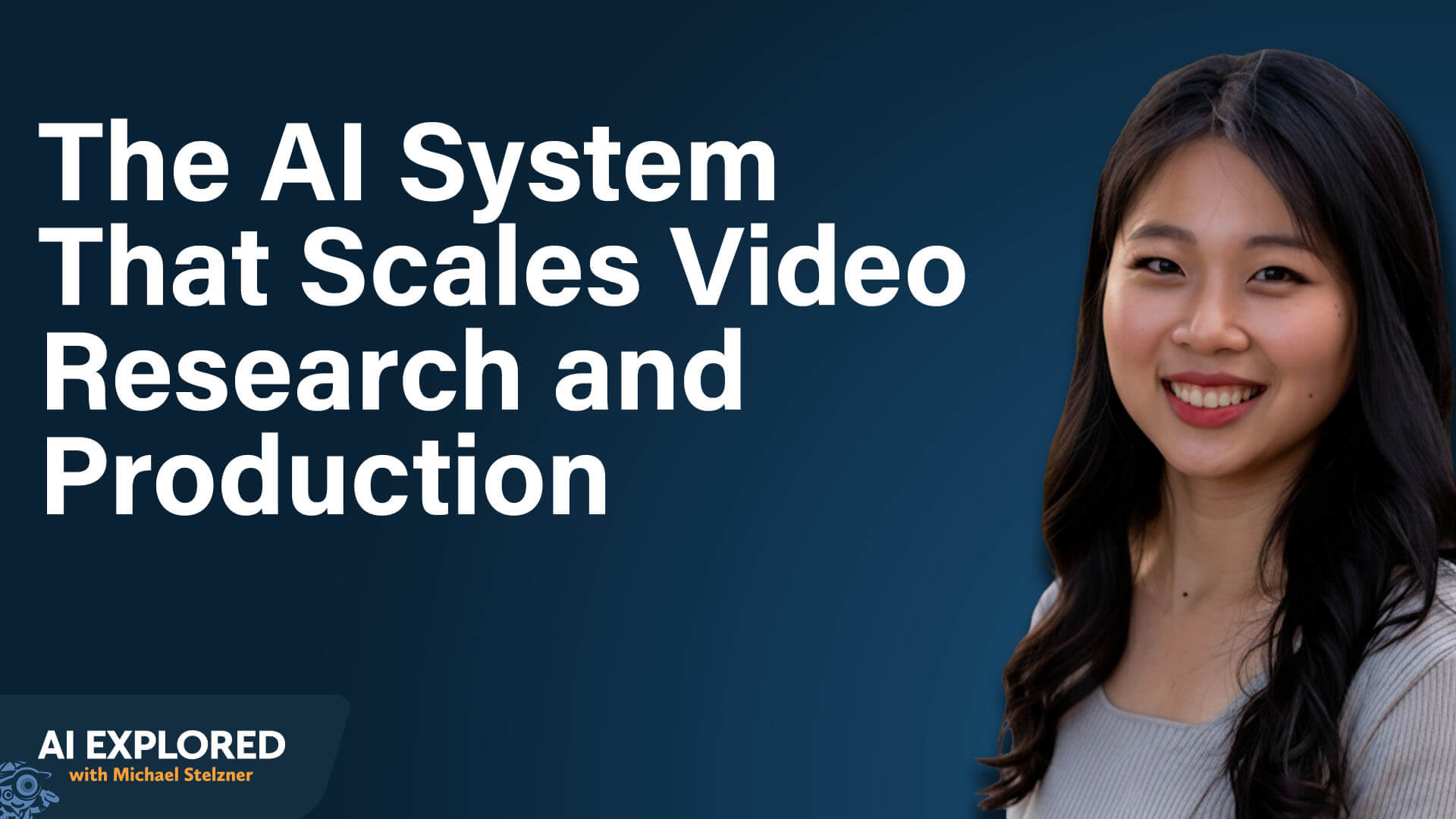
For years, the narrative around digital content creation has been one of exhausting attrition: film, edit, script, post, and repeat. For creators, this "content treadmill" is not just a job—it is a lifestyle that often leads to burnout. Sandy Lee, a seasoned digital strategist who scaled a language-learning channel to over 550,000 subscribers, knows this cycle better than most. However, after years of manual labor, Lee realized that the traditional path to growth was no longer sustainable.
With a full-time career, a growing family, and a desire to launch a new venture, Lee didn’t just seek a shortcut; she sought a systemic evolution. By leveraging Claude Code, Lee developed the "Outlier Video Method"—a sophisticated AI-driven pipeline that automates research, identifies high-performing content, and crafts scripts that retain the creator’s authentic voice. In less than a month, this system helped her grow a new YouTube channel from 200 to 11,000 subscribers while generating $10,000 in revenue.
The Genesis: Why Manual Scaling is Broken
The traditional content creation model relies heavily on human intuition and manual trial-and-error. Creators spend hours scrolling through feeds, guessing what might resonate, and painstakingly drafting scripts that may or may not perform. Lee’s experience underscores a universal pain point: the creative process is often choked by the administrative burden of research and formatting.
By late 2025, when Lee began experimenting with Claude Code, she shifted her focus from merely using AI for "quick fixes" like captions to building an autonomous infrastructure. She envisioned a system of "AI agents"—a digital workforce of senior and junior-level intelligences working in concert to handle the heavy lifting of content strategy.
Chronology: Building the Autonomous Content Engine
The implementation of the Outlier Video Method follows a structured, phased approach, moving from foundational identity to automated execution.
Phase 1: Establishing the Brand Identity
Before any automation can occur, the system requires a "North Star." Lee utilizes the Japanese concept of Ikigai (reason for being) to define the creator’s content identity. By answering four core questions—what you love, what you are good at, what the world needs, and what you can be paid for—creators establish a baseline.
Once this is documented, it is fed into an AI model to generate two critical assets: the Ideal Customer Profile (ICP) and Content Pillars. The ICP identifies the target audience’s demographics, pain points, and search behaviors, while the content pillars provide the topical boundaries for every piece of content produced. This ensures that the AI’s output is never "off-brand."
Phase 2: The "Outlier" Identification Loop
Once the identity is set, the system begins its research phase. Instead of manual scrolling, Lee’s system monitors a curated list of ten high-performing YouTube channels. Every 48 hours, an automated script—facilitated by tools like n8n and the YouTube API—calculates an "Outlier Score."
This formula is critical:
(Video Views in First 48 Hours / Channel’s Average Views in First 48 Hours) x 100
By focusing on this metric, the system filters out content that is simply popular due to the creator’s massive following, highlighting instead content that is "punching above its weight." This indicates that the subject matter, hook, and packaging are inherently valuable to the audience.

Phase 3: The Analytical Deep Dive
Once an outlier video is flagged, the system does not just note the title. It performs a granular analysis of the thumbnail, the title structure, and the first 30 seconds of the video. It breaks down the "why"—identifying the specific curiosity gaps, the tone of the hook, and the promise made to the viewer.
Phase 4: Scripting and Execution
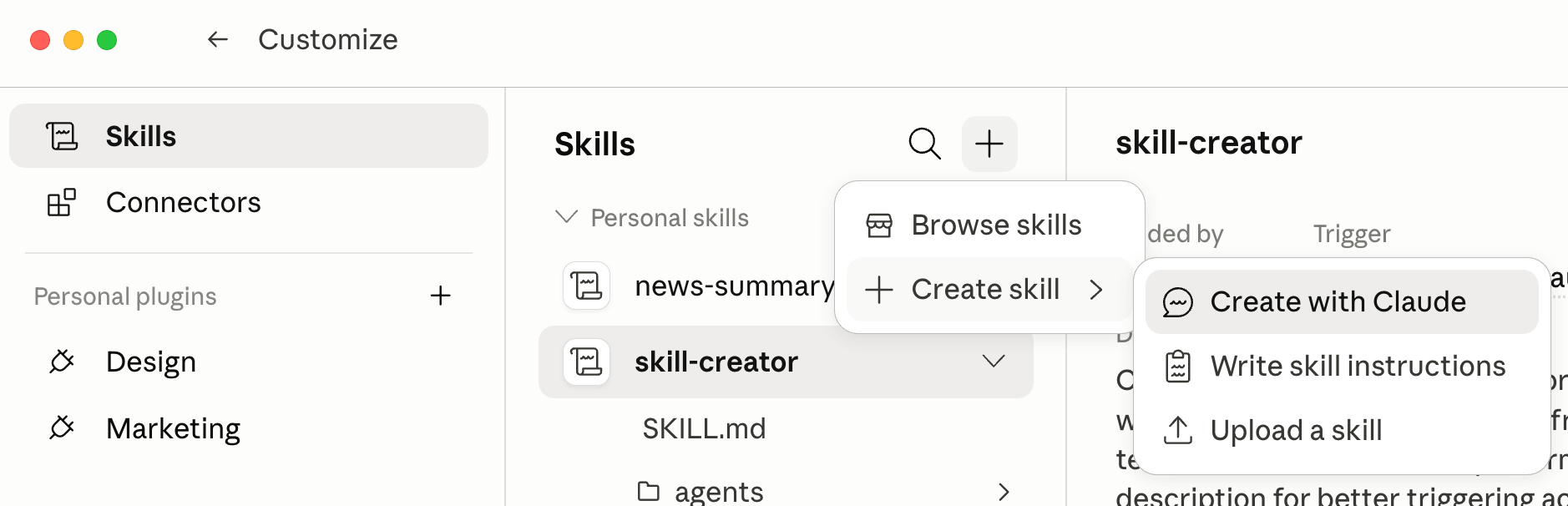
Finally, the system uses a specialized Claude Code skill to draft a script based on the outlier video’s successful structure. Crucially, the AI is prompted with the creator’s pre-established brand voice and content pillars. This allows the script to mirror the successful format of the outlier while maintaining the personality of the creator.
Supporting Data: Why This Method Works
The efficacy of the Outlier Video Method lies in its rejection of "vanity metrics." By focusing on the Outlier Score, creators stop competing with the algorithm and start competing on value.
In Lee’s case, the results speak for themselves:
- Subscriber Growth: 200 to 11,000 in under 30 days.
- Financial Impact: $10,000 in combined channel revenue and client retainers.
- Operational Efficiency: The transition from manual research to an automated daily digest allowed Lee to regain hours of creative bandwidth daily.
The system acts as a force multiplier. By automating the "what to make" and the "how to structure it" phases, the creator is left with only the most essential task: delivering the content on camera with authenticity and passion.

Expert Perspectives and Methodology
Sandy Lee, founder of Slee Automation, emphasizes that the goal is not to replace human creativity, but to augment it. "The system doesn’t replace my story," she notes. "It takes the repetitive, time-consuming research off my plate."
The system’s "seven-part hook formula" is particularly notable. By embedding these seven elements into the first 30–60 seconds of every script, Lee ensures that the video’s retention rates remain high from the first frame. These elements—often involving a bold claim, a relatable pain point, and an immediate value proposition—are designed to satisfy the viewer’s psychological desire for immediate solutions.
Implications for the Future of Content Creation
The emergence of the Outlier Video Method signals a broader shift in the creator economy. We are moving away from the era of the "solopreneur" who does everything and toward the "architect-creator" who builds systems to do the work.
1. The Death of Guesswork
Content strategy is becoming a data-science discipline. By using APIs and AI to track performance, creators can make evidence-based decisions rather than relying on gut feelings.
2. The Premium on Authenticity
As AI becomes more capable of generating high-quality scripts, the value of the "human element" actually increases. Because the AI is handling the "mechanical" aspects of production, the creator is free to focus on the unique, unscriptable nuances of their personal brand, story, and expertise.
3. Scalable Personal Brands
The ability to maintain a consistent output of high-quality, research-backed content was once reserved for large production teams. Now, an individual creator with the right AI infrastructure can achieve the same, if not better, results.
Conclusion
The Outlier Video Method is more than just a workflow; it is a blueprint for the future of digital media. By marrying the precision of AI-driven data analysis with the irreplaceable nature of human storytelling, creators can move past the burnout-inducing cycle of the traditional content grind. As tools like Claude Code continue to evolve, the barrier to entry for building a successful, scalable, and sustainable media brand is lower than ever—provided the creator is willing to step into the role of the systems architect.