Main Facts
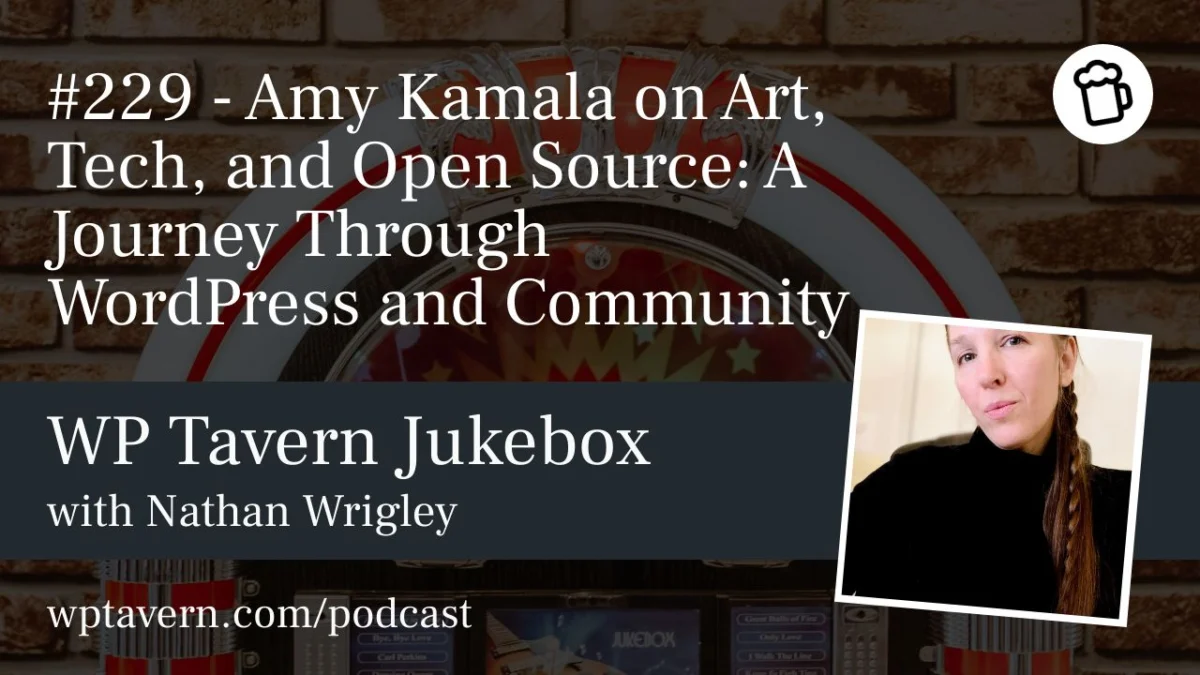
In the expansive landscape of open-source software, few journeys mirror the intersection of creativity, human connection, and technical execution quite like that of Amy Kamala. A veteran contributor to the WordPress ecosystem and a current team representative for both the Hosting and Core teams, Kamala’s trajectory defies traditional career paths in technology. Armed with a Master of Fine Arts from the University of California, Los Angeles (UCLA), her entry into the digital space was not engineered through a computer science degree, but catalyzed by the necessity of bridging physical art installations with emerging technologies.
Today, Kamala is officially sponsored by Elementor to dedicate part of her professional week to the WordPress open-source project. Her narrative serves as a profound case study in the blurred lines between fine arts and software architecture, highlighting how empathy, outgoing communication, and a willingness to embrace public failure can forge an indispensable path within global tech communities.
Chronology: From Venice Beach Sculptures to Tech Leadership
Kamala’s professional evolution reads as a masterclass in cross-disciplinary adaptation. Her early steps in the digital economy began around the turn of the millennium, working as an HTML programmer and graphic designer in Venice Beach, California. However, her initial ambitions leaned heavily toward the physical and visual arts. During her undergraduate studies at the Otis College of Art and Design, she worked with sculpture and video installations, increasingly incorporating digital tools—such as early web technologies, Photoshop, and video editing software—into her creative process.
Seeking broader economic stability after completing her graduate studies at UCLA, Kamala pivoted toward the tech industry in 2015, securing an entry-level social support role at DreamHost. Known for her capacity to hyper-focus and learn on the job, she rapidly scaled the internal ladder at DreamHost. She transitioned through technical support and live chat before helping spearhead a specialized WordPress support team. During this tenure, she worked directly with executive leadership, designing team workflows and strategizing revenue-generating beta products.
Following her departure from DreamHost, Kamala’s career zig-zagged through key leadership positions across the web development sector:
- Canopy Studios: Served as a tech lead, anchoring her early formal ties to open-source contributions.
- InMotion Hosting: Acted as a web development manager, overseeing a sprawling digital footprint of over 23 corporate assets, five web servers, and intricate DevOps pipelines involving GitLab and Jira.
- Pantheon: Recruited as a solutions architect for professional support.
- Local Government: Completed a high-level, year-long contract as a municipal web developer.
- Current Endeavors: Operating as a versatile freelancer and an open-source contributor sponsored by Elementor.
Simultaneously, her involvement in WordPress blossomed. After jumping into the newly formed Hosting Team channel in 2018 through her DreamHost connections, she assumed a team representative role in 2019. Over the subsequent years, her footprint expanded into the Core release cycles, eventually leading release model working groups and joining the Core team rep leadership.
Supporting Data and Technical Perspectives
The intersection between logical programming and fine art is a frequent point of philosophical debate in web development. To Kamala, the connection lies squarely in user experience (UX) and human psychology.
"Art is experiential. It’s not about the object necessarily… It’s about creating an experience. The relationship between the viewer and the item that they’re looking at… And so do websites, so does software."
In large-scale enterprise environments, development teams are often rigidly siloed into functional niches—specializing strictly in CSS, JavaScript, PHP, or database administration. Kamala argues that her lack of a single hyper-specialization became her greatest asset in leadership roles. Having hands-on fluency across system administration, DevOps, UI/UX design, accessibility, and fine art enabled her to manage multidisciplinary teams effectively. She could accurately gauge the talents of visual designers focused on front-end CSS architectures alongside logical backend engineers writing raw server-side code.
Furthermore, Kamala’s philosophy on professional growth challenges standard corporate hiring models. She advocates for an organizational appetite for hiring adaptable generalists who possess high cognitive capacity and a willingness to learn on the job, rather than purely filtering for hyper-niche pedigree.
Official Insights and Community Dynamics
Central to Kamala’s narrative is the underlying engine of the WordPress project: its community. Reflecting on her integration into the project’s upper echelons, she emphasizes that thriving in an open-source ecosystem requires a distinct psychological posture—specifically, the elimination of fear regarding public failure.
In a massive collaborative space featuring tens of thousands of contributors in Slack channels, the prospect of making mistakes can paralyze newcomers. Kamala credits her theatrical background for shaping her perspective on audience reception:
- Audiences—and by extension, open-source communities—are fundamentally rooting for the individual to succeed.
- Making mistakes openly creates rapid, indelible learning loops.
- Asking seemingly "stupid questions" accelerates technical and social integration.
"Being willing to be embarrassed and to look stupid is a huge plus because you learn a lot from making mistakes. If you make those mistakes in front of people, you’re going to remember… That’s kind of what I’ve been doing. I’ve kind of stumbled up, and asked a lot of stupid questions."
Kamala also stresses the vital responsibility incumbent upon veteran contributors. Welcoming newcomers with infinite patience and active guidance transforms casual observers into long-term infrastructural pillars of the software.
Implications for Open-Source Sustainability
The broader implications of Kamala’s experience touch on the core sustainability and philosophical ethos of the WordPress project. While corporate sponsorships—such as her current backing by Elementor and past support from InMotion and Canopy—provide essential economic stability, they do not fully account for the surplus hours contributed by passionate individuals.
When probed on why she routinely outpaces her contracted sponsorship hours, Kamala’s rationale bypasses corporate metrics. She points to the deep, personal fulfillment derived from participating in a global endeavor that outlives the individual. This alignment of personal values with open-source ethos highlights a critical truth about WordPress: its enduring success is anchored less in transactional commercialism and more in the authentic, human-centric desire for community, belonging, and shared creation.
As the WordPress ecosystem navigates structural shifts, economic pressures, and evolving relationships between enterprise hosts and the core project, voices like Amy Kamala’s remind the global community of its foundational root. Technology changes, products pivot, and codebases evolve, but the human heartbeat of open source remains anchored in empathy, shared curiosity, and the courage to build in public.