Your brand could command the number-one spot on Google’s traditional search engine results pages (SERPs), yet remain entirely invisible to the conversational artificial intelligence tools your customers rely on daily.

As the digital landscape pivots from keyword matching to contextual generation, large language models (LLMs) are rapidly supplanting traditional search engines as the primary starting point for consumer and enterprise research. For modern brands, this technological evolution introduces a critical vulnerability: absence from the native dialogues happening inside AI platforms, or worse, the propagation of inaccurate, outdated information that directly impacts sales and brand equity.
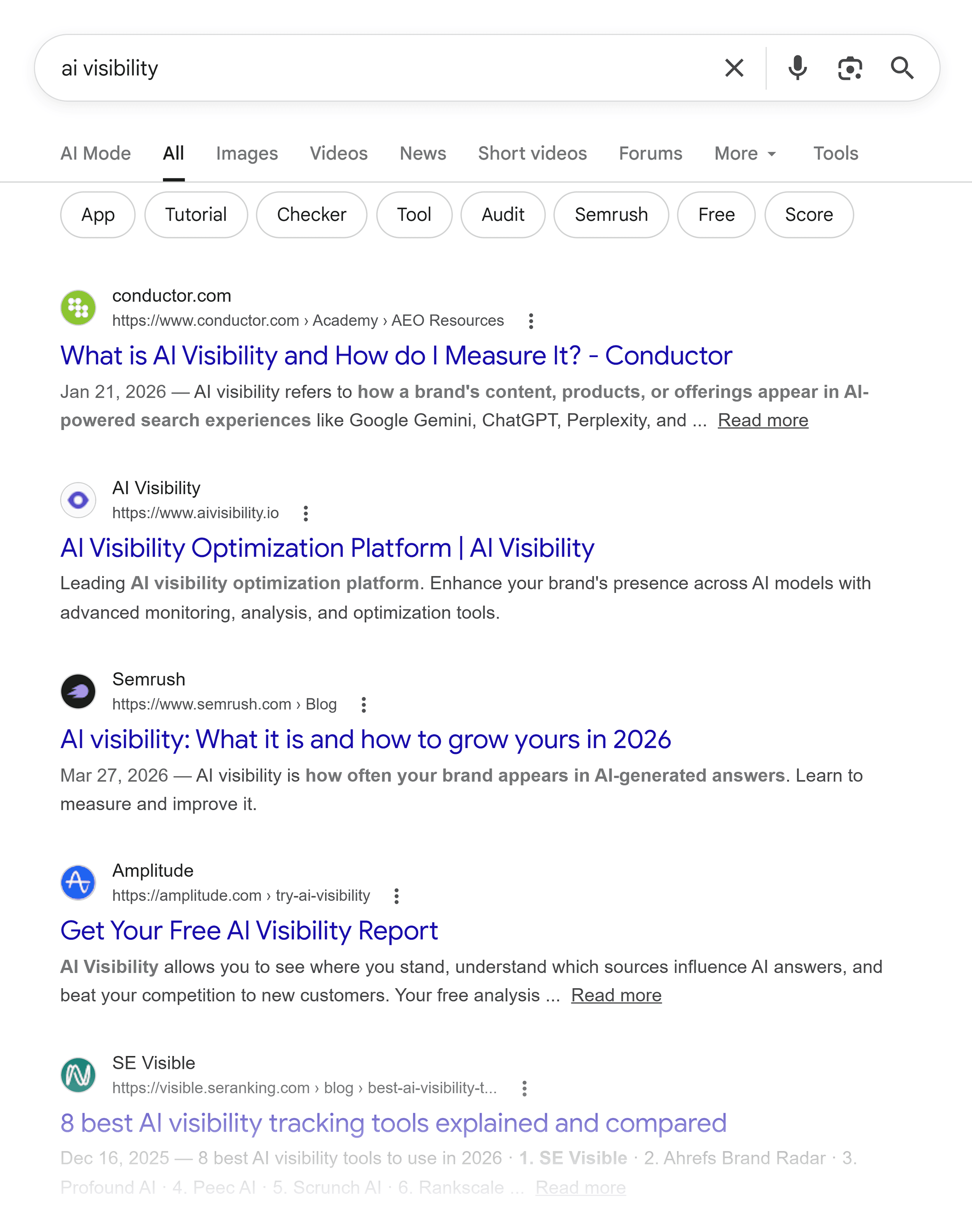
To bridge this visibility gap, digital marketers and search engine optimization (SEO) professionals are adopting a discipline known as prompt tracking—or LLM visibility tracking.
Main Facts: The Rise of Generative AI Discovery
The shift toward AI-driven search is no longer a futuristic projection; it is a measurable consumer behavior. Recent data underscores a massive migration of user intent away from traditional search mechanics:
- Mass Adoption: According to market research from Orbit Media, 55% of U.S. internet users rely on AI as their primary or frequent research tool, with 32% utilizing these platforms specifically for product recommendations.
- B2B Transformation: Data from G2 indicates that 71% of B2B software buyers now rely on AI chatbots for initial product research—a sharp increase from 60% in the previous year.
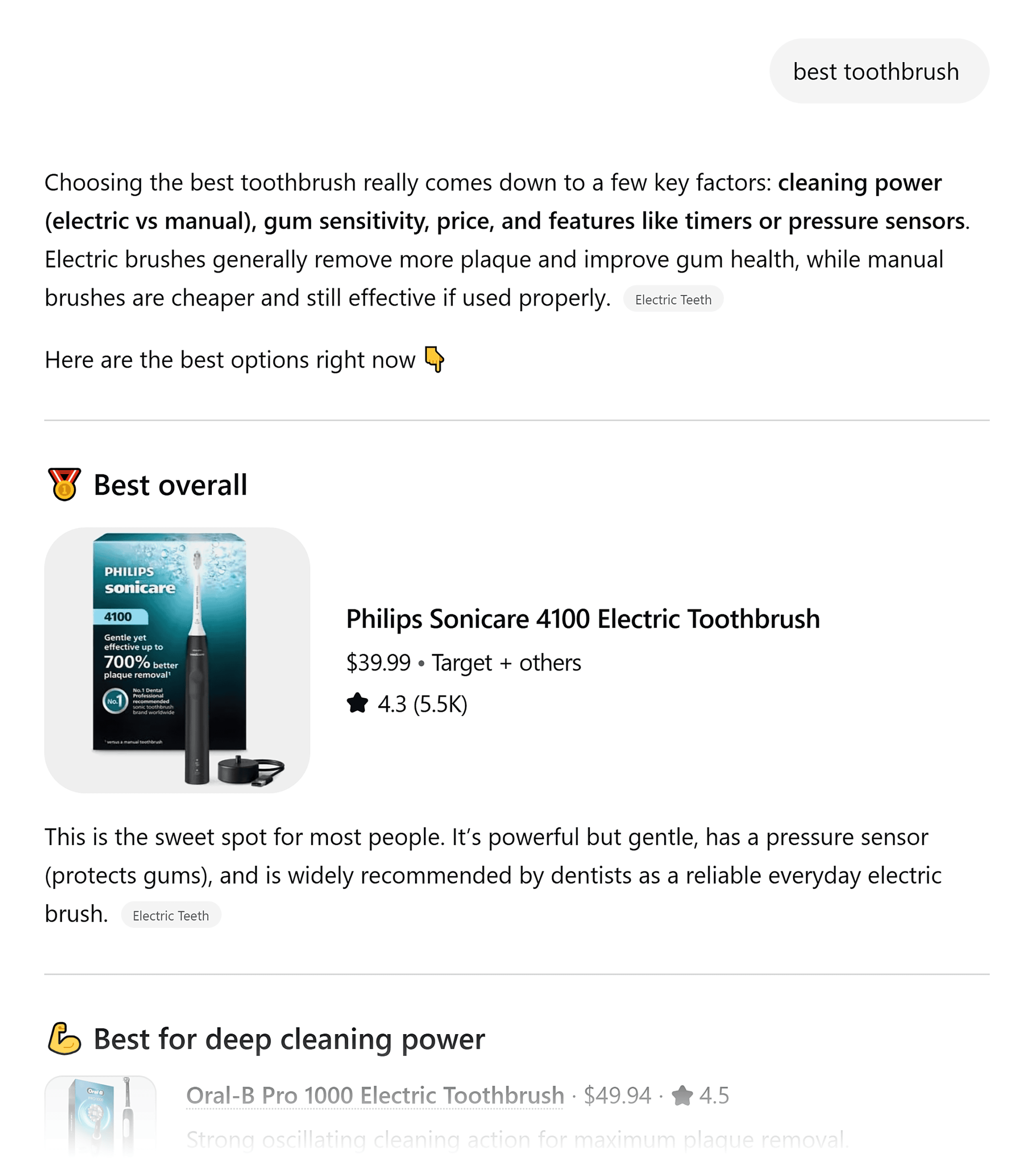
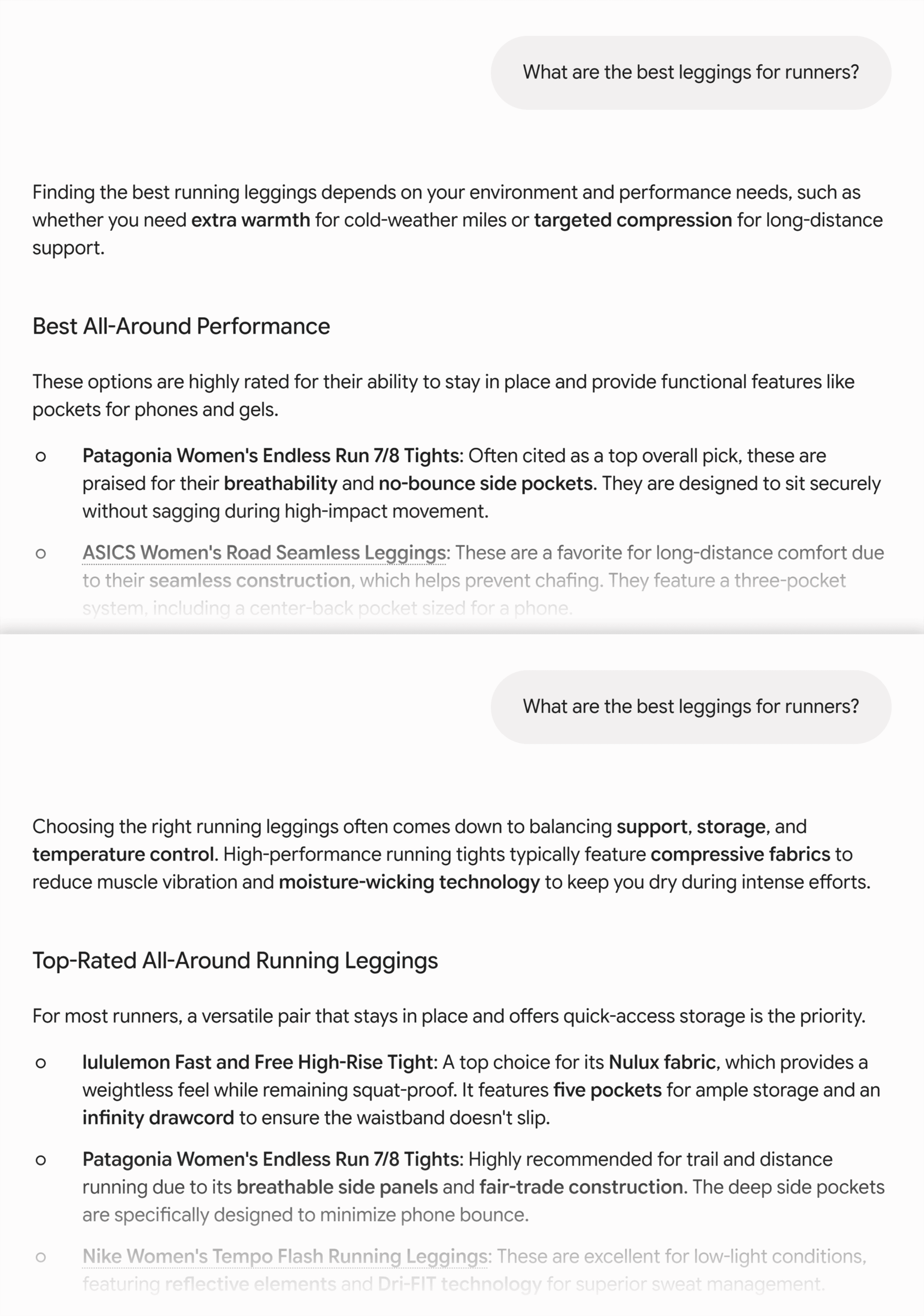
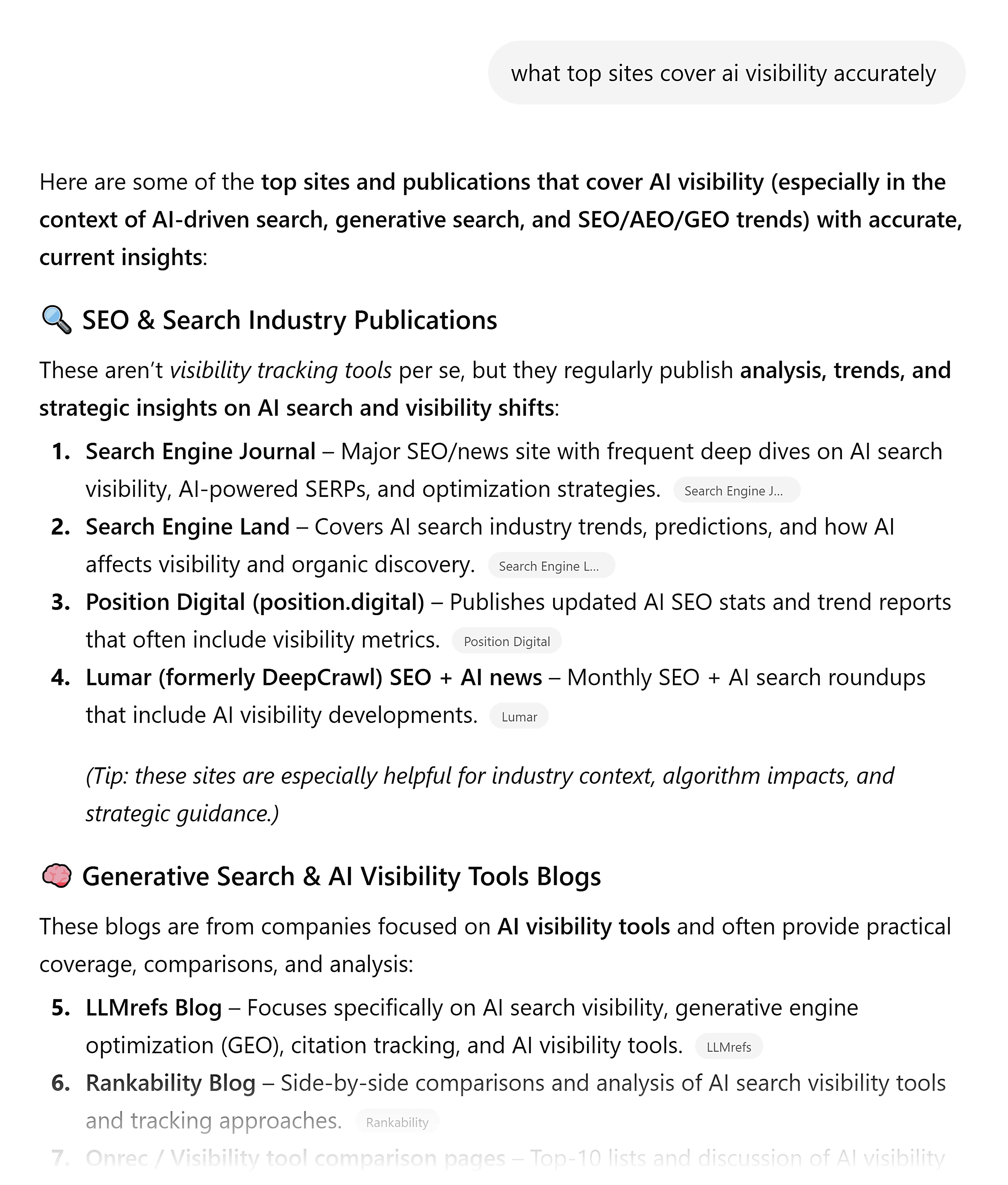
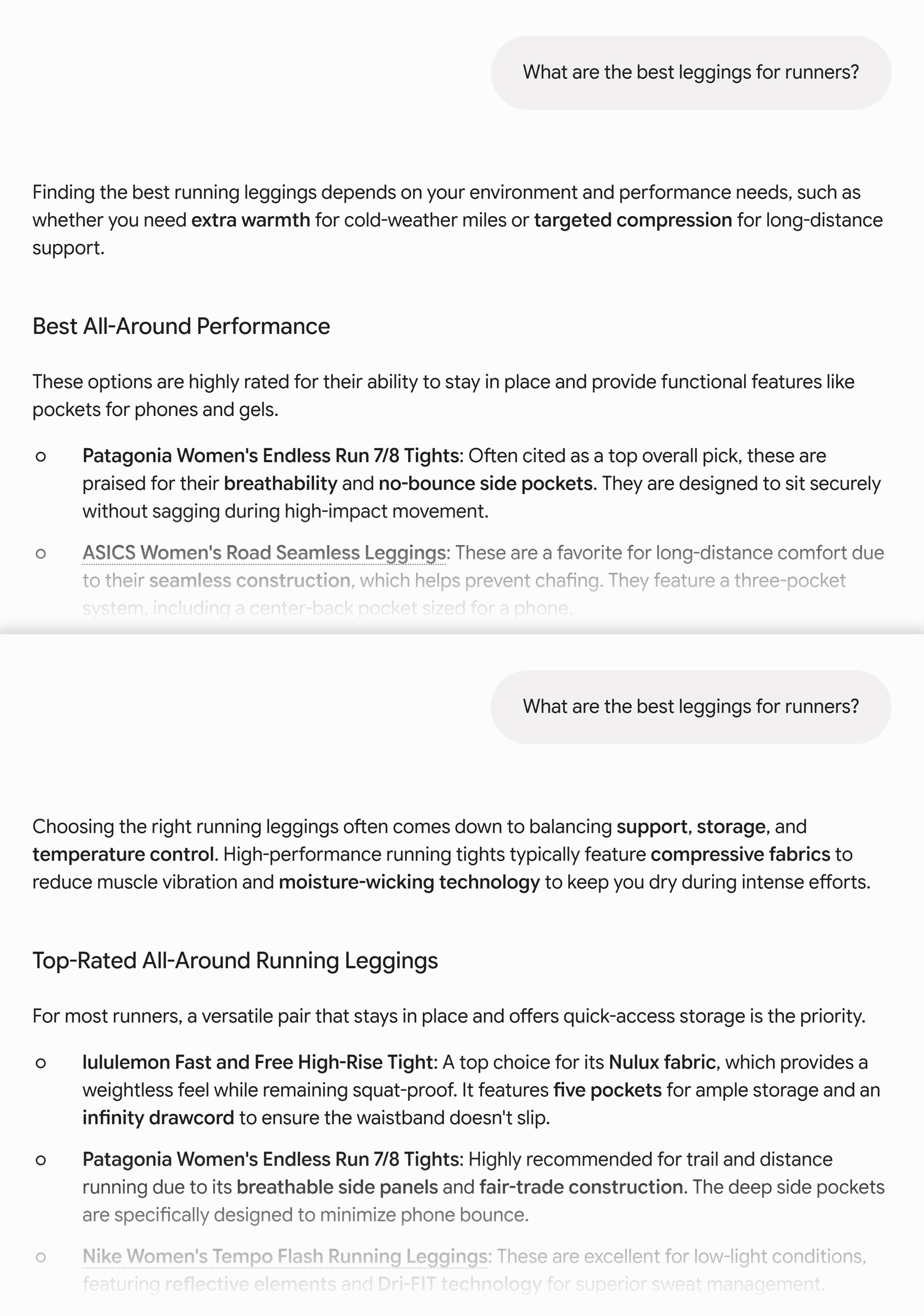
- The Non-Deterministic Challenge: Unlike traditional SEO, which tracks URLs against static keywords on a predictable results page, LLMs synthesize information dynamically. They pull from vast repositories to generate unique responses tailored to individual contexts, meaning the exact same prompt can yield different brand mentions across multiple queries.
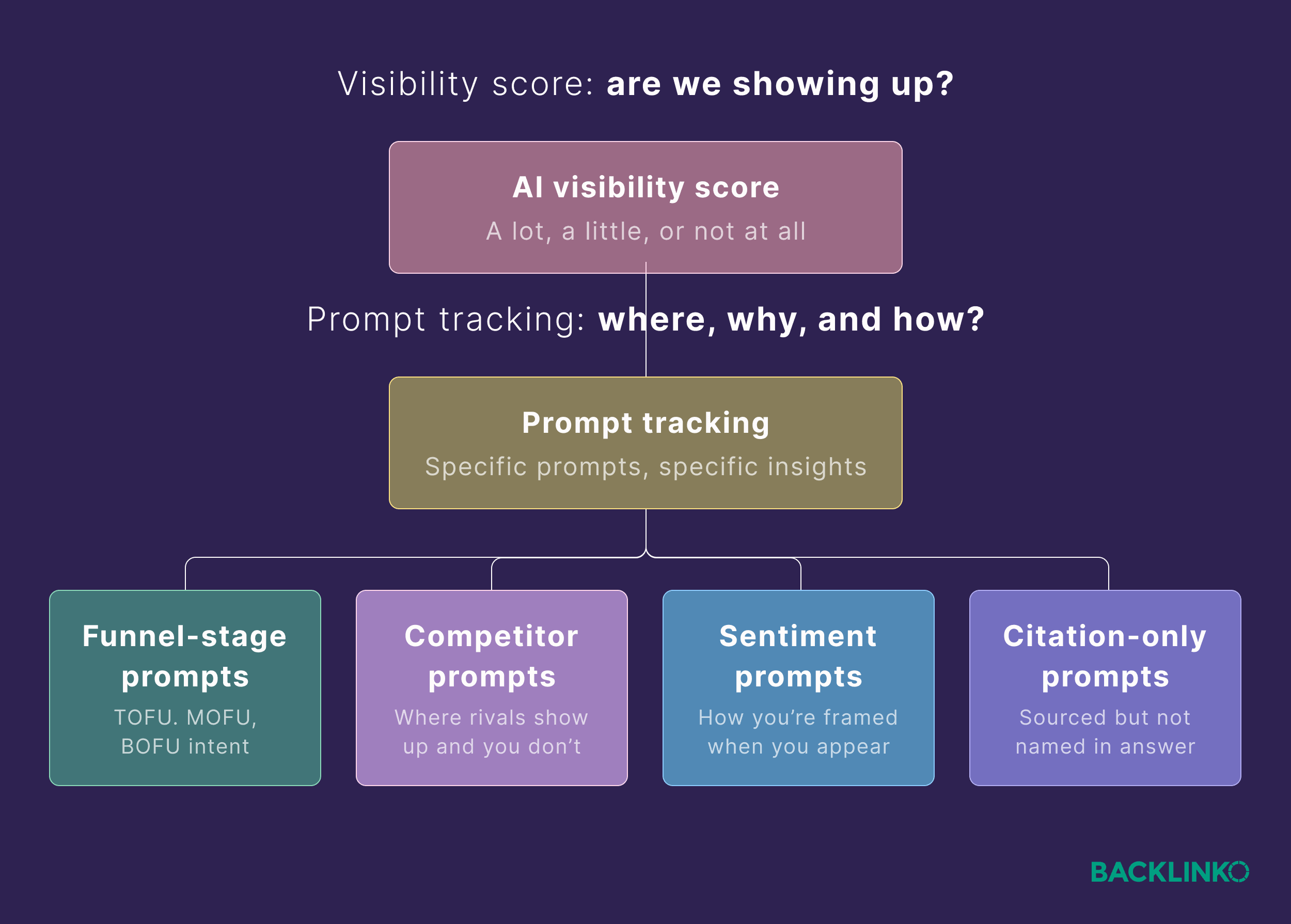
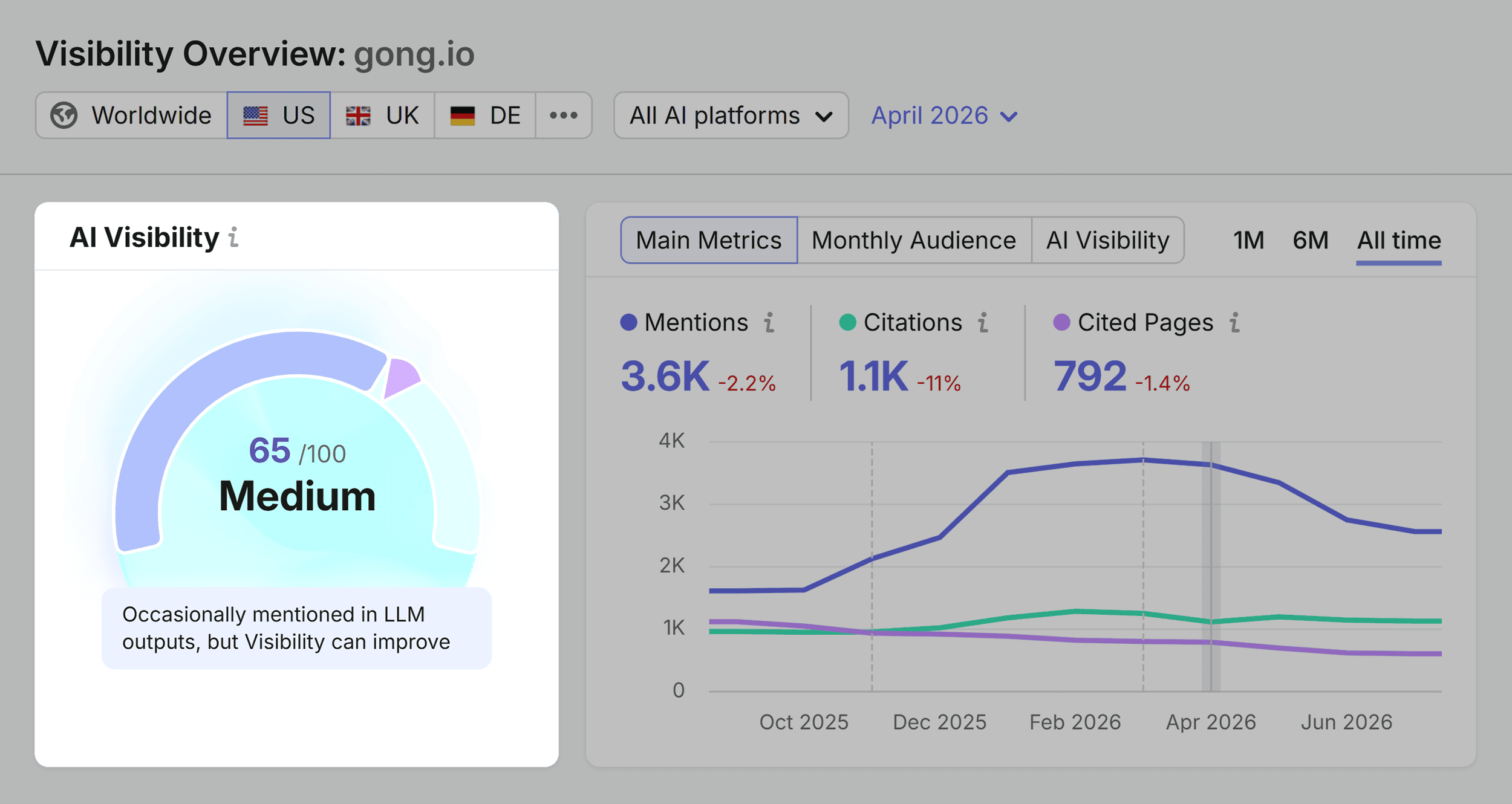
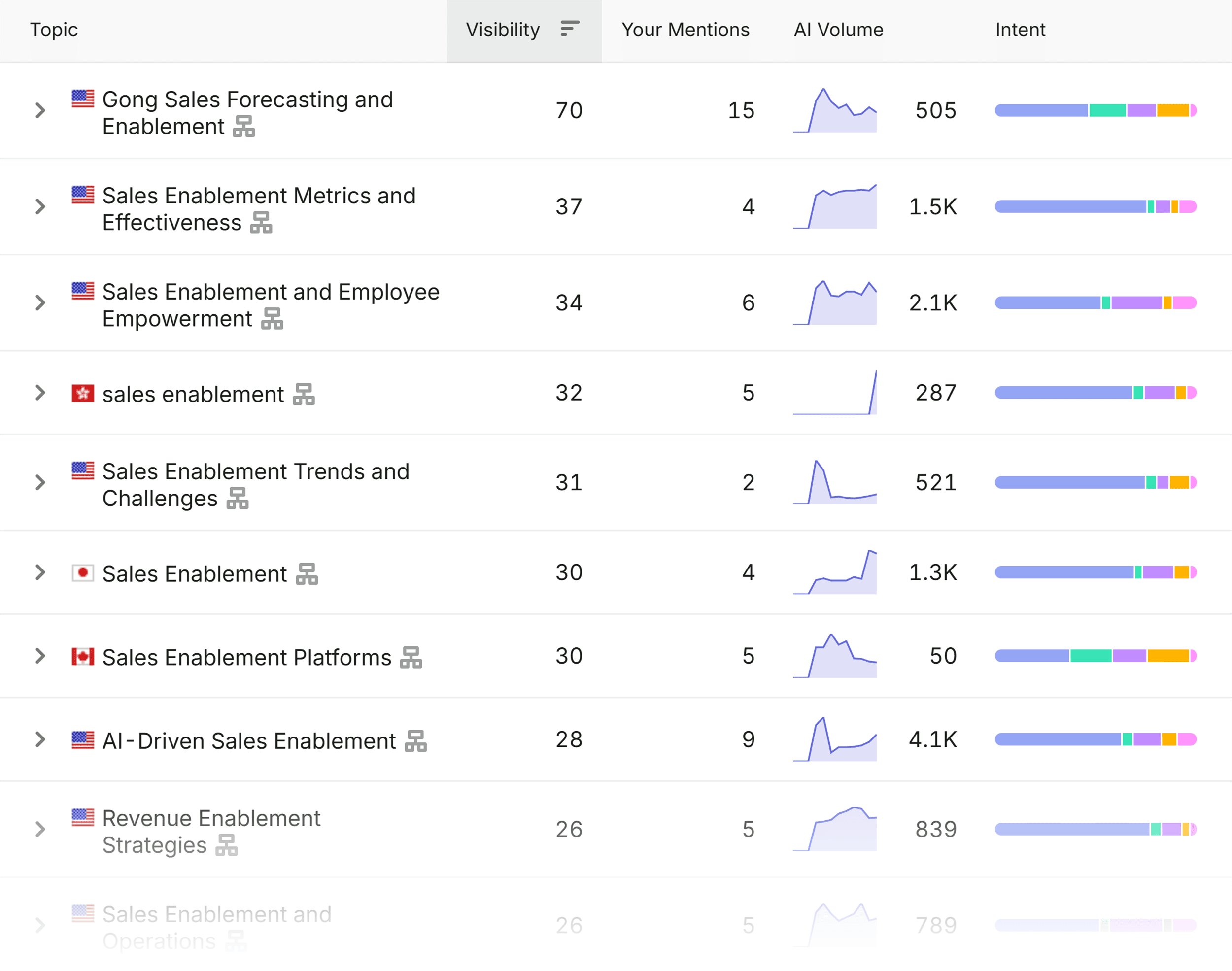
Prompt tracking systematically monitors how and when a brand appears in these AI-generated answers over time, tracking mentions, sentiment, and third-party citations.
Chronology: From Keyword Rankings to Conversational AI
The Era of the Ten Blue Links
For decades, digital marketing strategy was anchored by traditional SERP rank tracking. Brands measured success by answering a singular question: "How close are our URLs to position one for specific keywords?" Algorithms relied on explicit keyword matching, backlinks, and on-page technical optimization to serve a static list of results.
The Emergence of Conversational Engines
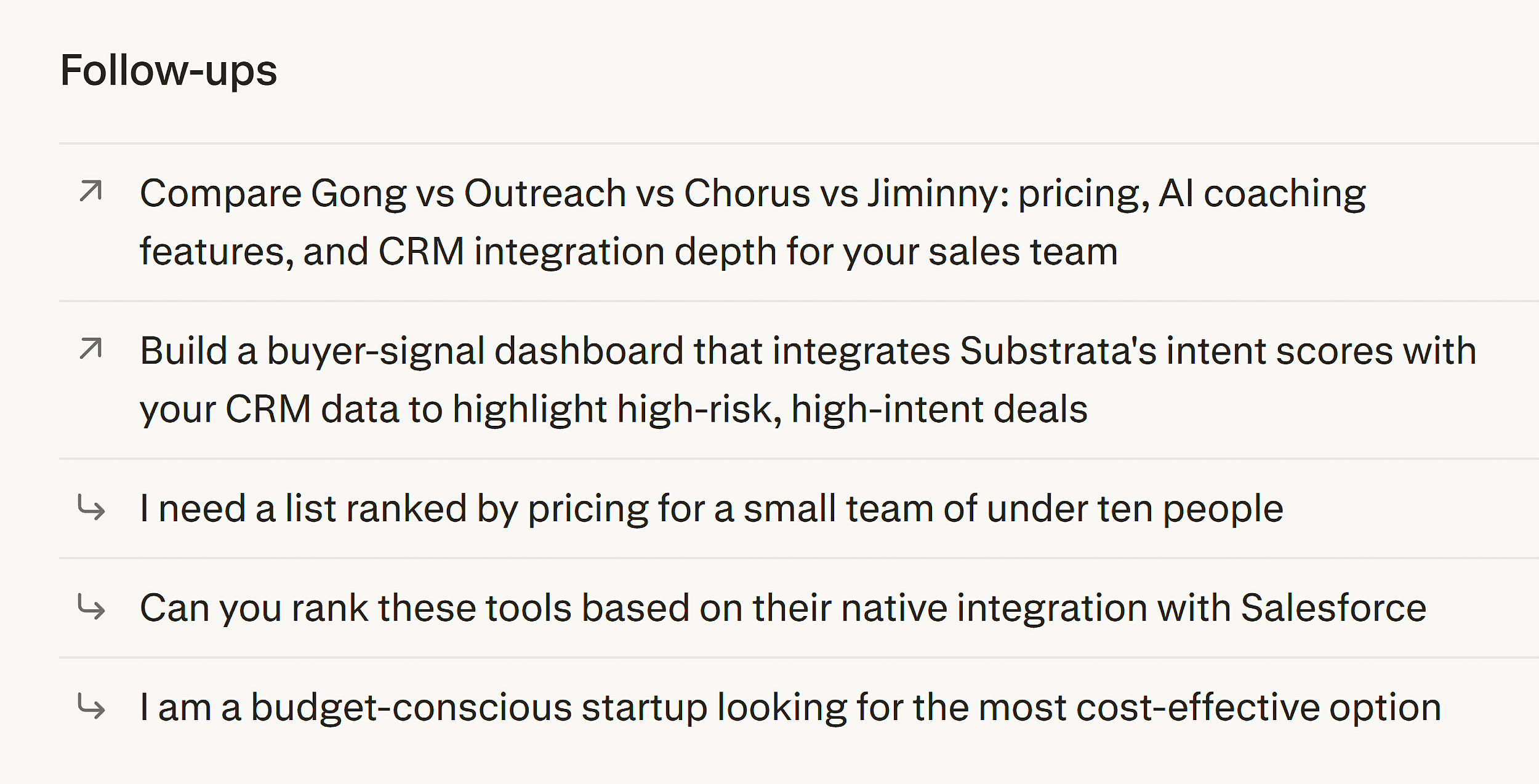
As OpenAI’s ChatGPT, Google Gemini, Anthropic’s Claude, and Perplexity gained mainstream traction, user behavior evolved from short-tail keyword queries to conversational prompts. Users began asking complex, highly contextual questions like, "What is the best project management software for a remote marketing team with a strict budget and Slack integration?"
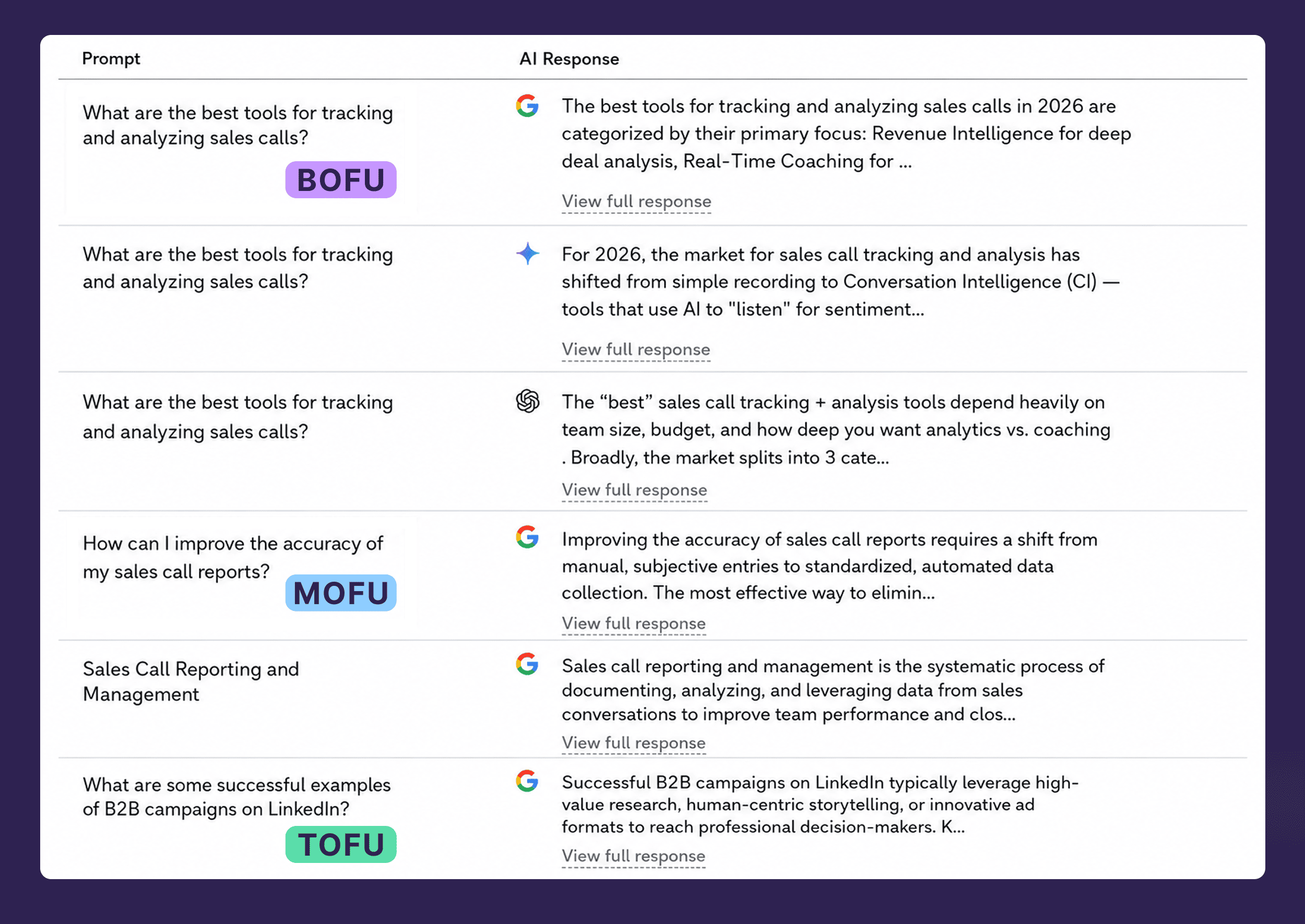
Rather than indexing individual landing pages for direct display, LLMs began synthesizing answers on the fly, citing the authorities, review aggregators, and forum discussions they trust most.
The Birth of Prompt Tracking
Recognizing that traditional rank tracking could no longer measure true digital visibility, forward-thinking brands and agencies began developing proprietary systems—such as "Constraint Maps" and automated API scrapers—to monitor LLM outputs. By 2026, enterprise platforms like Semrush introduced dedicated AI Visibility suites, transforming prompt tracking from an experimental manual process into an essential component of modern enterprise marketing.
Supporting Data and Industry Insights
Understanding the mechanics of prompt tracking requires looking closely at how AI platforms structure their answers and source material.
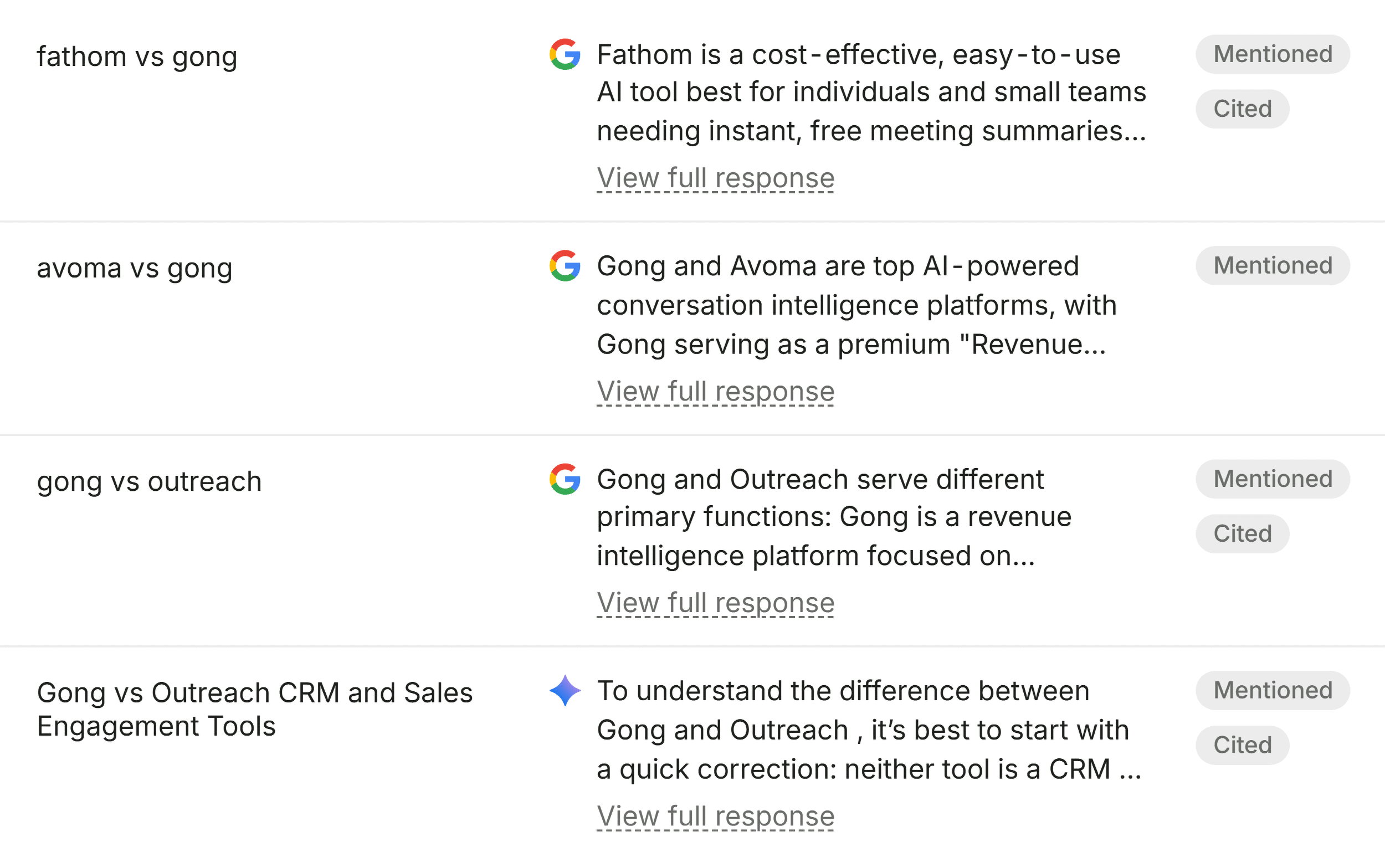
The Anatomy of AI Citations
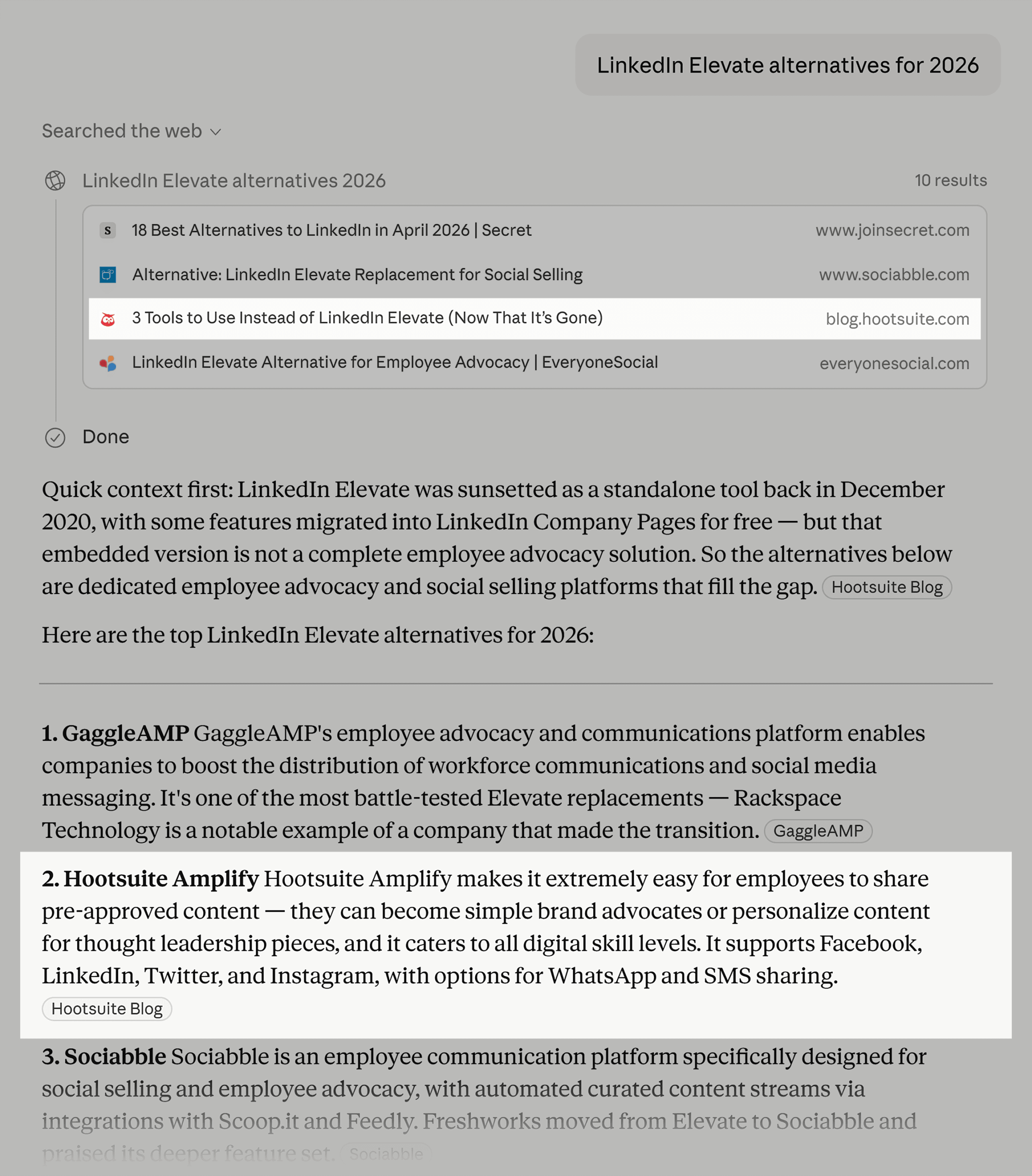
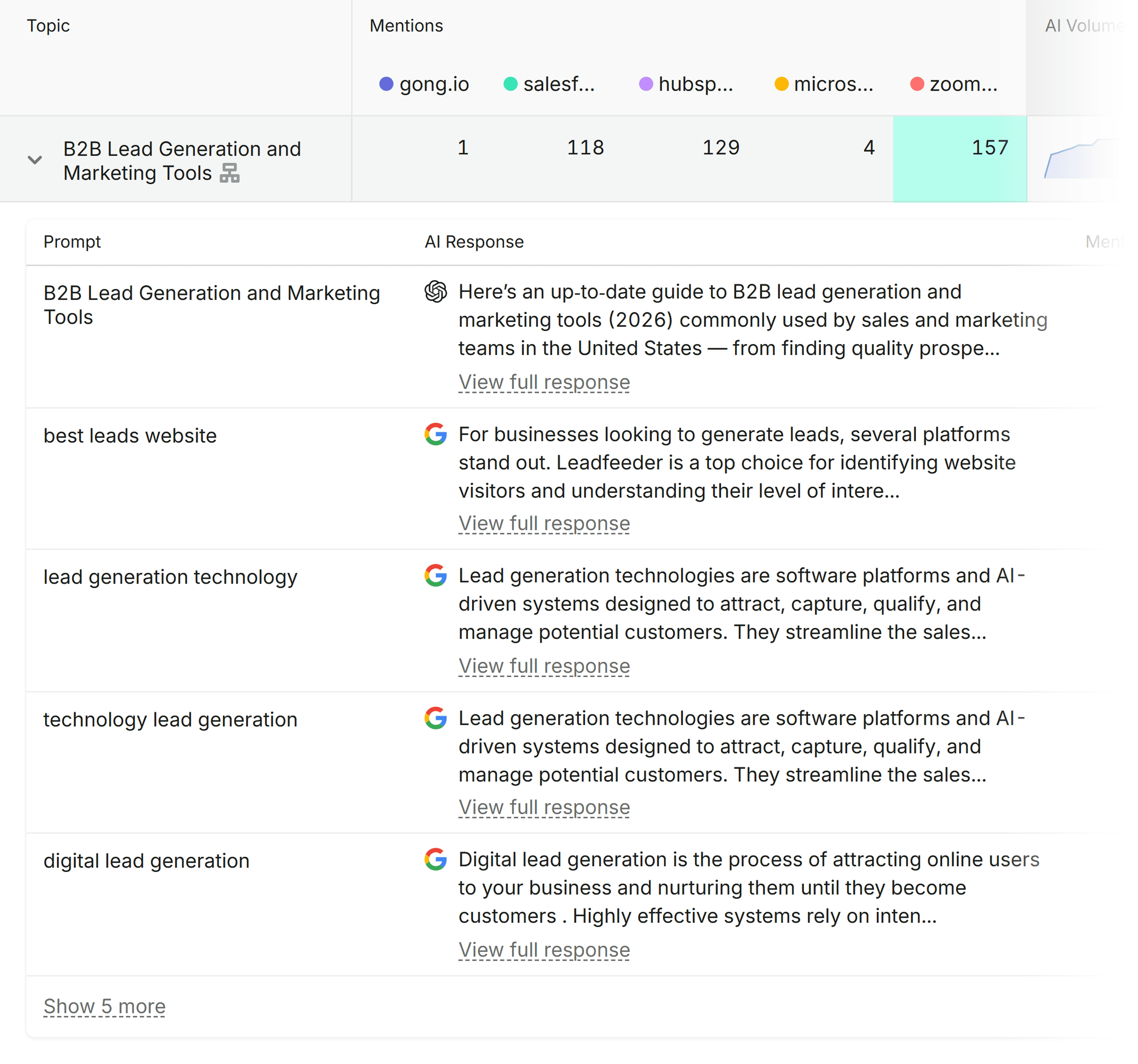
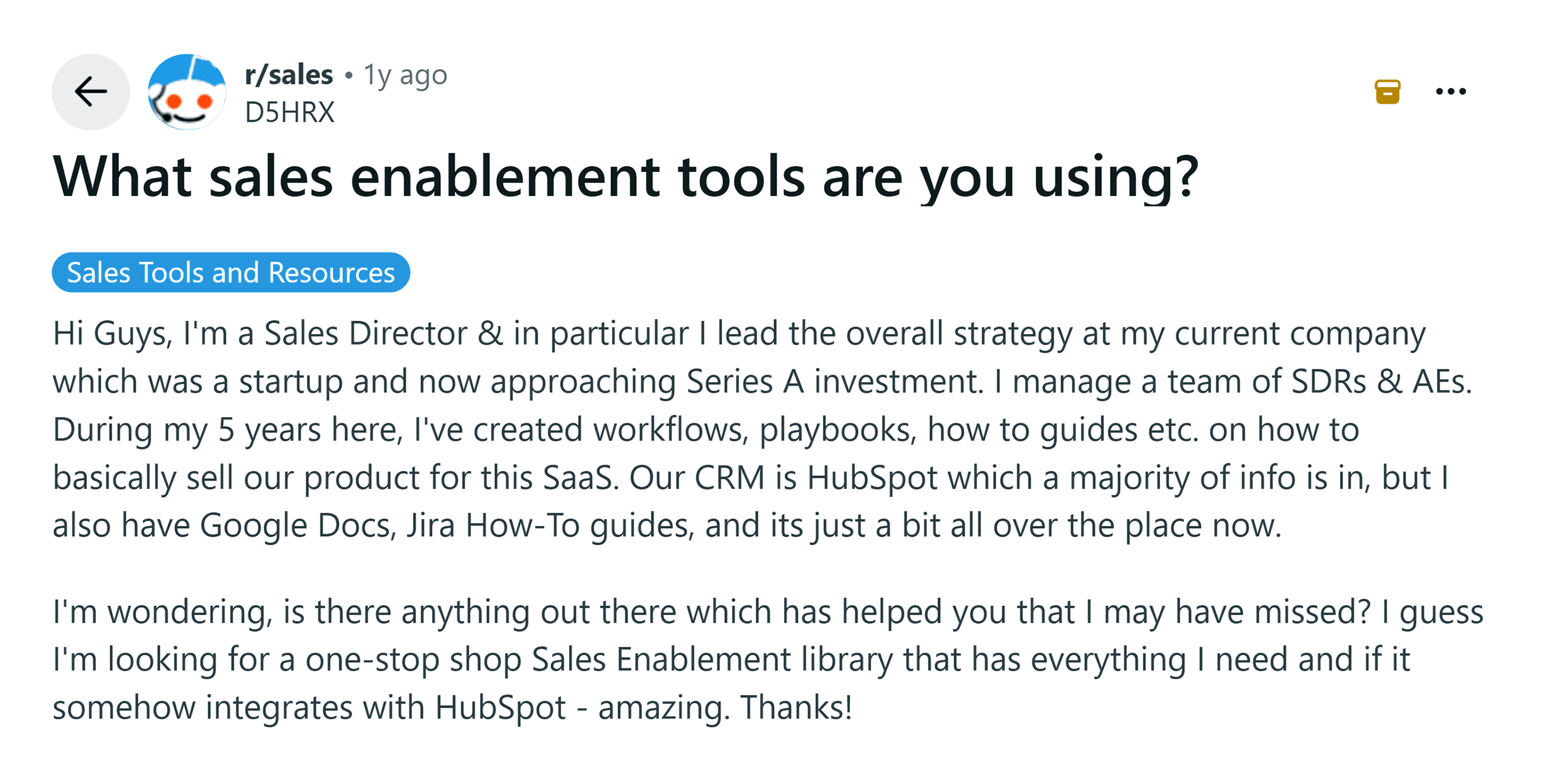
Research into LLM citation behavior reveals a vital reality for brand managers: approximately 85% of brand mentions in AI responses originate from third-party sources rather than a brand’s native website. Platforms like Airops have demonstrated that LLMs heavily favor trusted aggregate sites, review platforms (such as G2 and Capterra), and community forums (like Reddit) when formulating recommendations.
The Danger of "Ghost Ranking"
A phenomenon identified by digital strategists is known as ghost ranking. This occurs when a brand’s core content is utilized by an LLM as a foundational source citation in the background panel, yet the model recommends a competitor in the primary conversational output. Identifying this gap requires specialized tracking that differentiates between raw source citations and explicit consumer-facing brand recommendations.
Official Responses and Expert Perspectives
Industry leaders across major enterprises and agencies have formalized strategies to capture this emerging channel.
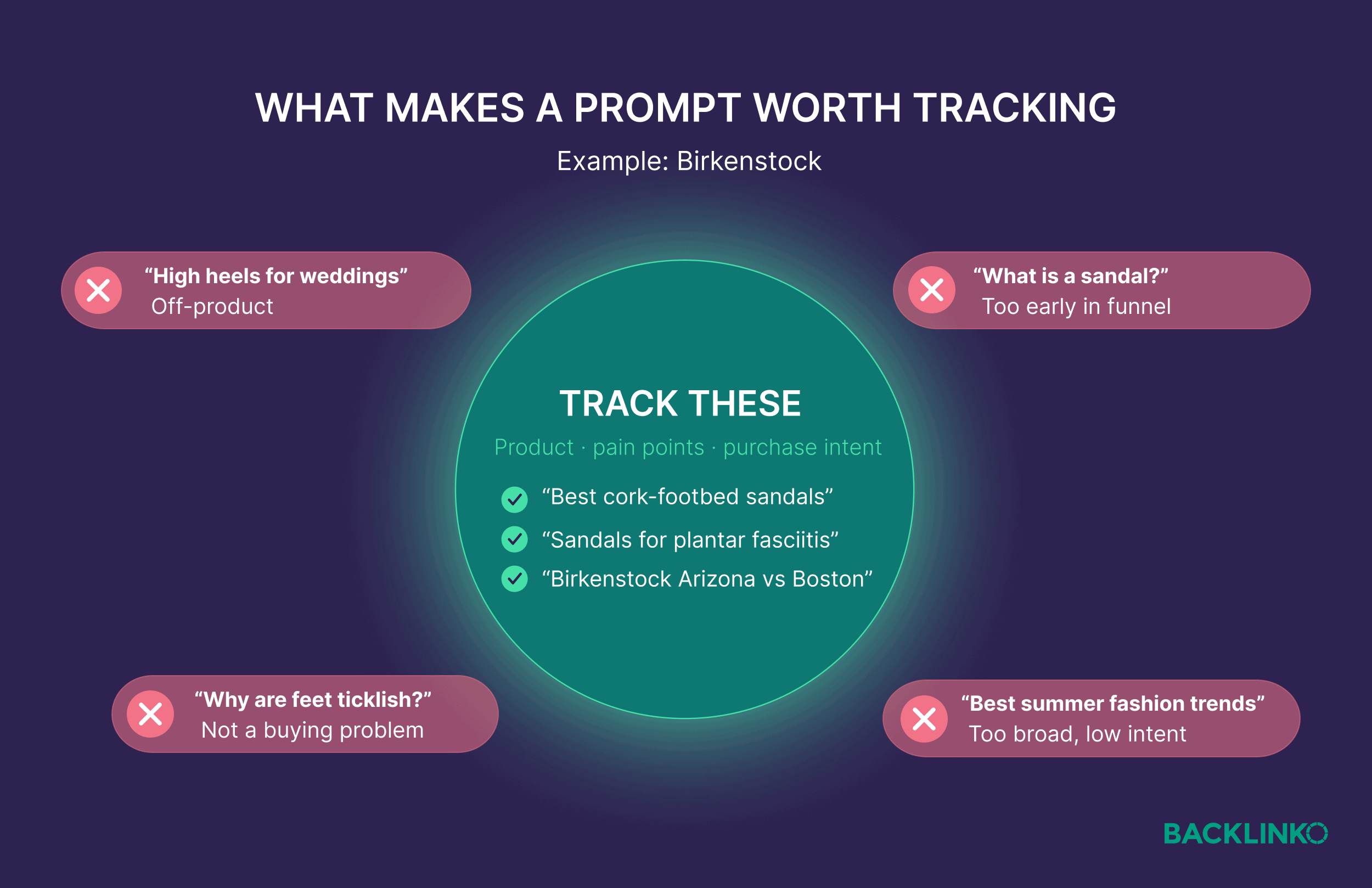
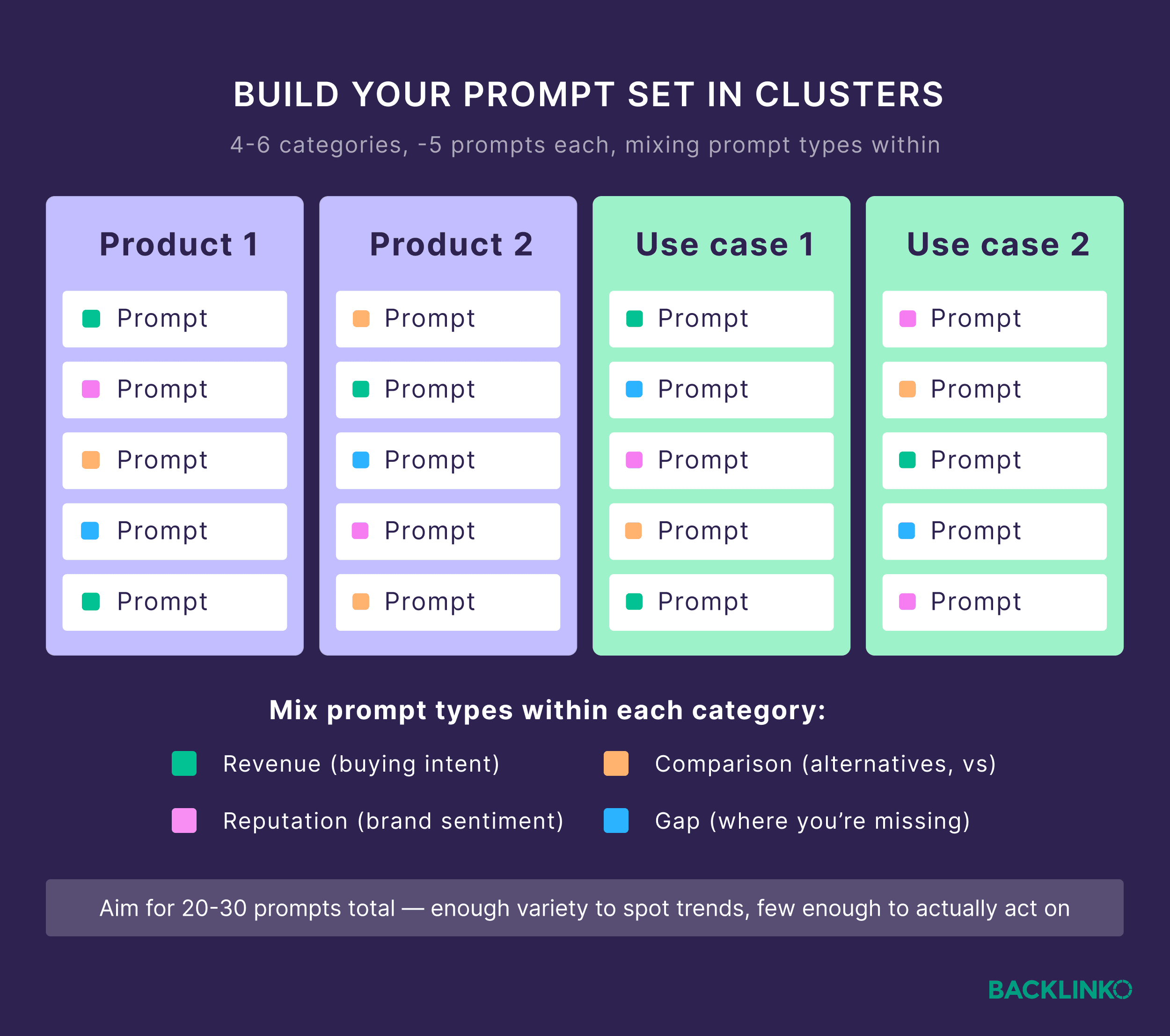
- Margaret Kapitany, Offsite SEO Lead at Hootsuite: Emphasizes the importance of strategic prompt curation over vanity metrics. Kapitany focuses her team’s efforts on high-intent evaluative and comparison queries rather than broad definitions or brand-centric vanity prompts that offer no actionable insights. Reflecting on the initial phase of tracking, she notes the initial surprise at the fluctuating nature of LLM outputs, reinforcing why trend analysis over time is vital.
- Jonny Nastor, Founder & Head of Strategy at Digital Commerce Partners: Developed the "Constraint Map" framework for e-commerce brands, treating customer queries as an intersection of a desired "job to be done" and specific consumer constraints (such as budget limits or feature requirements). Nastor’s automated API tracking across platforms like ChatGPT and Gemini has helped unearth tens of thousands of monthly searches characterized by complete AI coverage gaps.
Implications for Businesses and Future Strategy
The widespread adoption of prompt tracking carries profound implications for digital marketing budgets, content strategies, and PR initiatives.
1. Reallocating Marketing Resources
Brands that continue to invest exclusively in traditional top-of-funnel keyword optimization risk missing over half of their prospective audience. Resources must be systematically reallocated toward bottom-of-funnel (BoFu) comparison queries, reputation management, and third-party digital PR.
2. The Supremacy of Digital PR
Because LLMs rely so heavily on external validation, public relations and off-site SEO are now inextricably linked to AI visibility. Securing placements in top-tier review publications, industry roundups, and active forum discussions is no longer just about driving direct referral traffic—it is about feeding the training data and retrieval-augmented generation (RAG) pipelines that power AI recommendations.
3. Moving Beyond Short-Term Panics
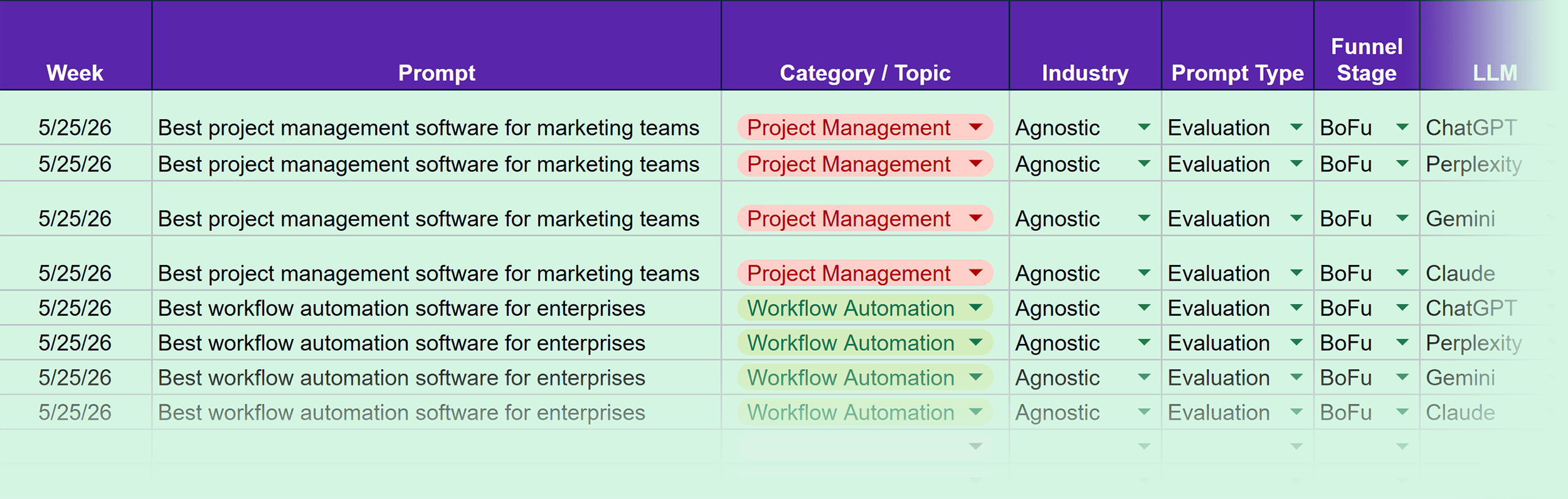
Industry experts advise against reactionary adjustments based on isolated weekly tracking reports. Because AI models undergo silent updates and exhibit inherent output variability, marketing teams must evaluate visibility metrics across multi-week trends (typically four consecutive weeks or more) before modifying their content strategies.
Conclusion
Prompt tracking is not a scoreboard; it is a navigational compass for the modern digital era. Organizations that master prompt tracking, align their tracking sets with high-value bottom-of-funnel intent, and systematically audit their presence across third-party citation sources will successfully capture market share in the answer economy. Those that remain blind to their AI visibility risk becoming invisible to the customers who matter most.