Main Facts
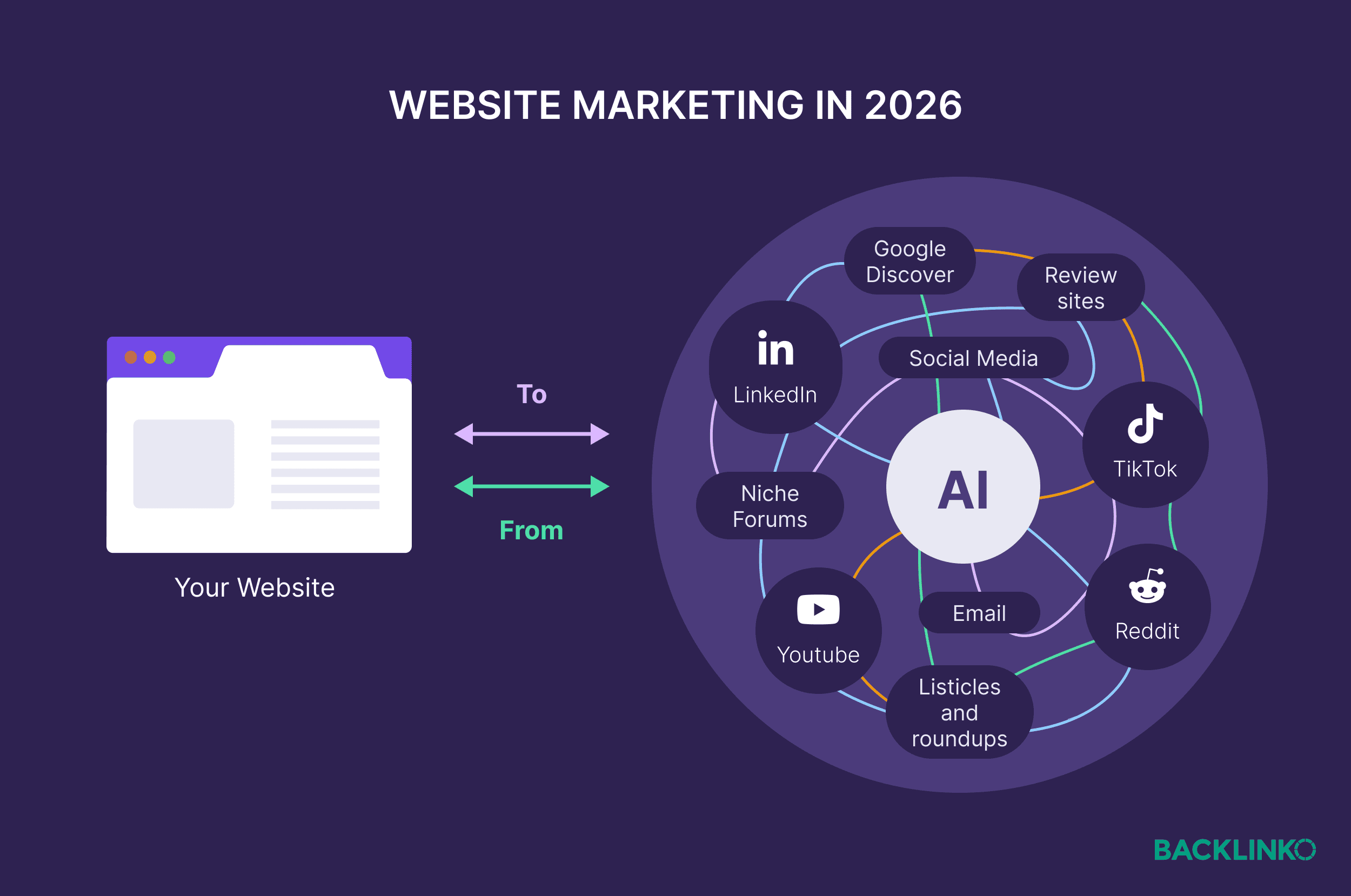
Website marketing has undergone a seismic paradigm shift. Historically, digital marketing strategies relied on a linear funnel: promote a website, drive direct traffic, and convert visitors into customers through landing page optimization and direct search engine traffic. In 2026, that model is fundamentally obsolete.

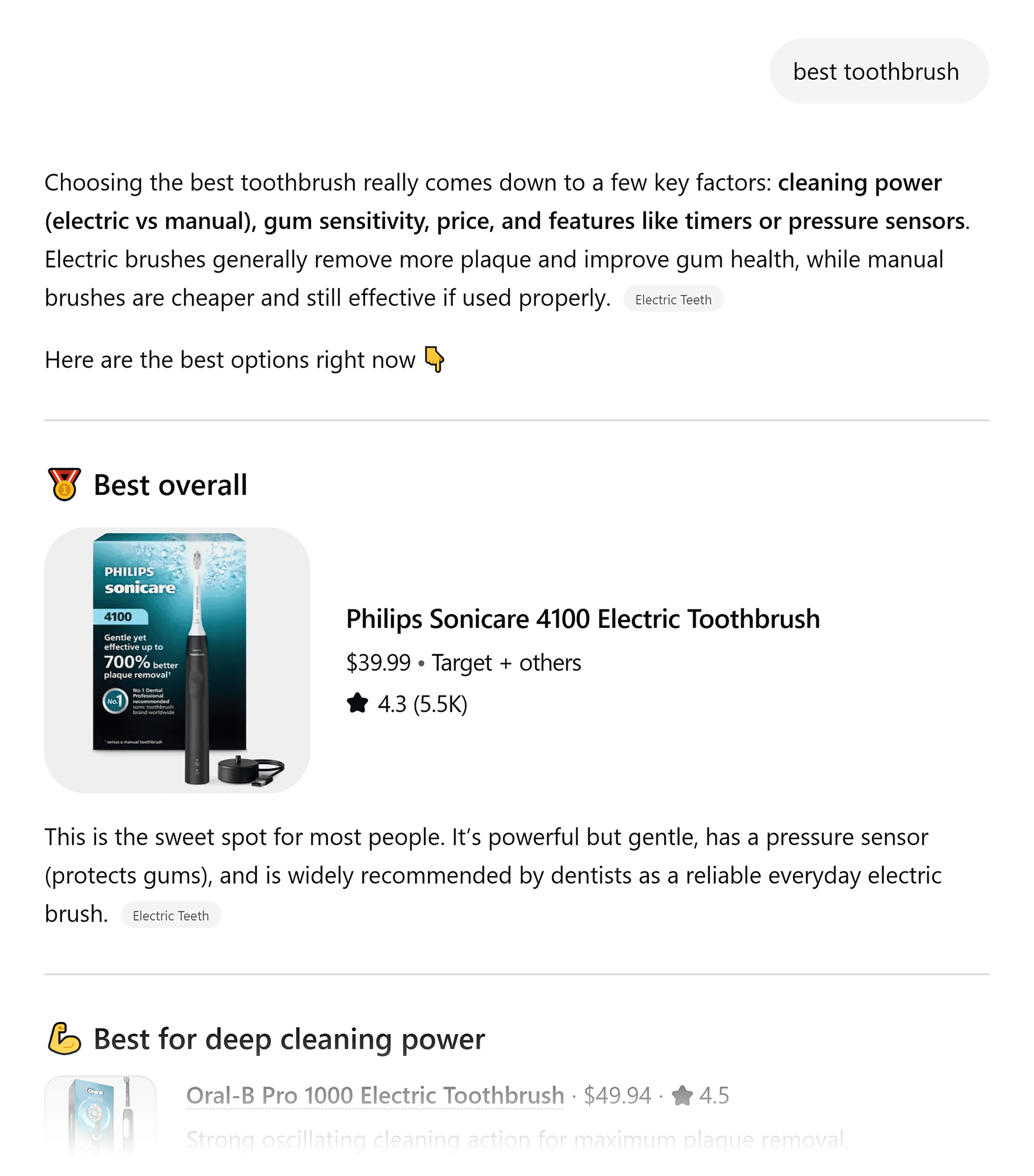
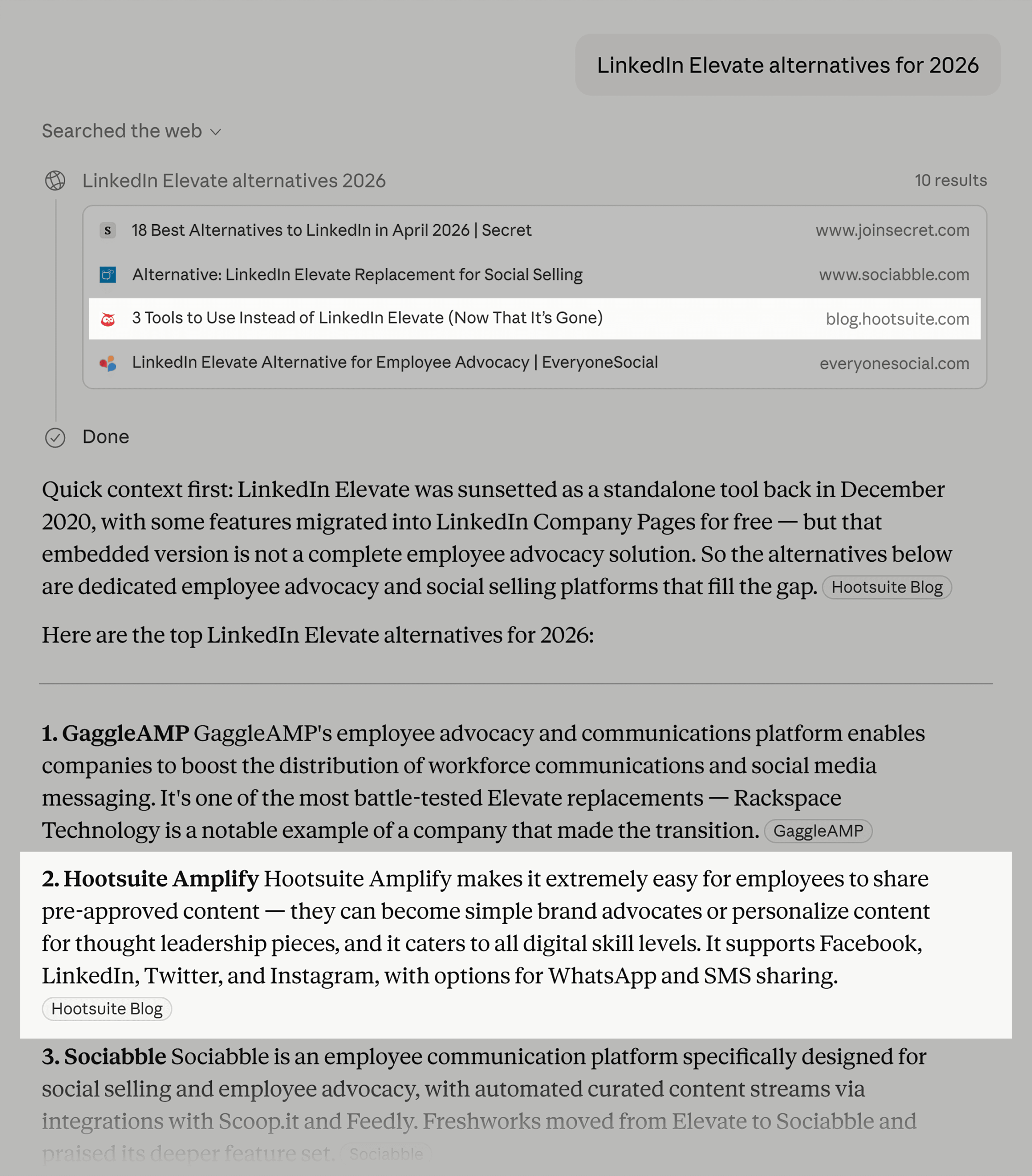
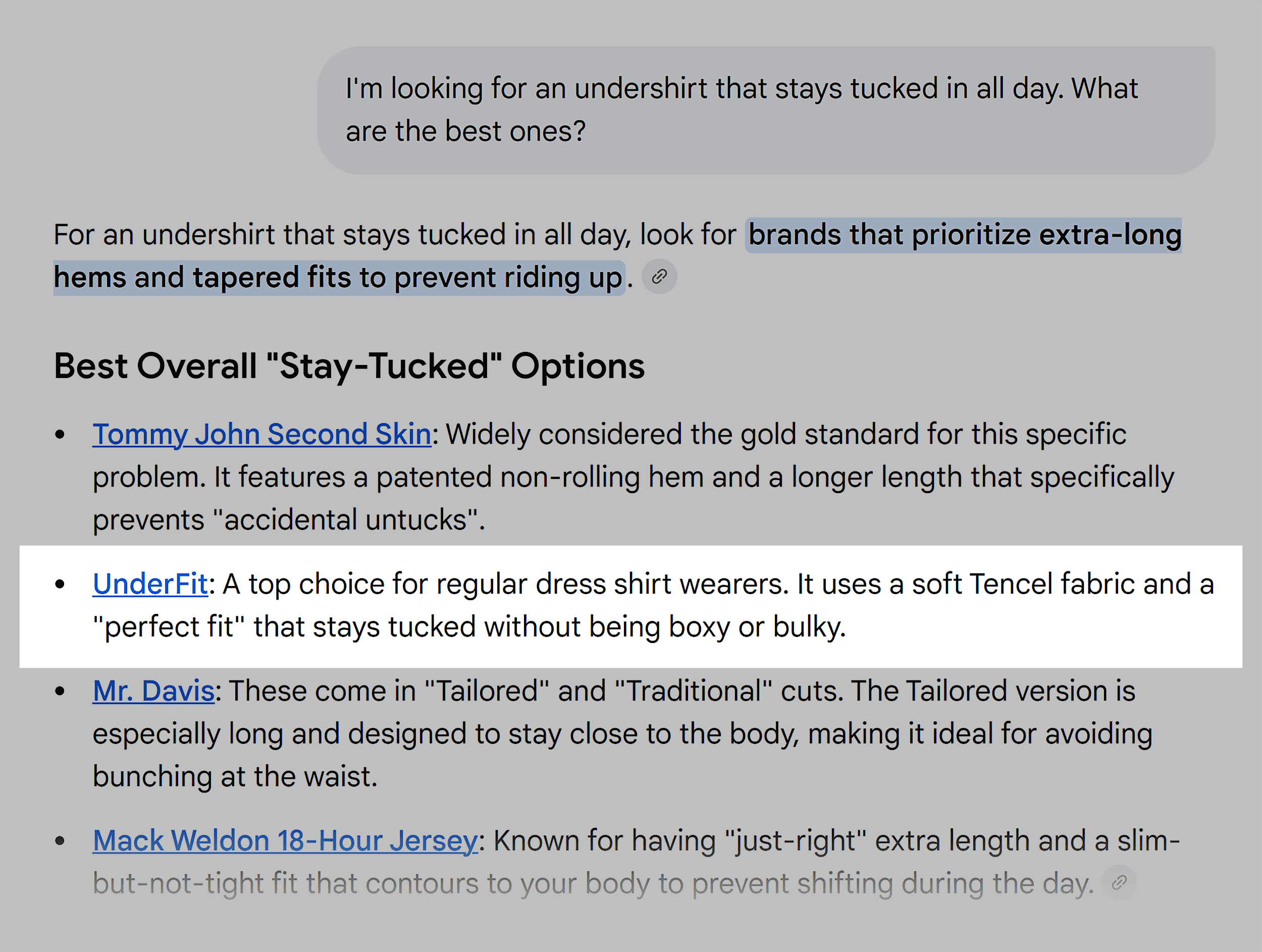
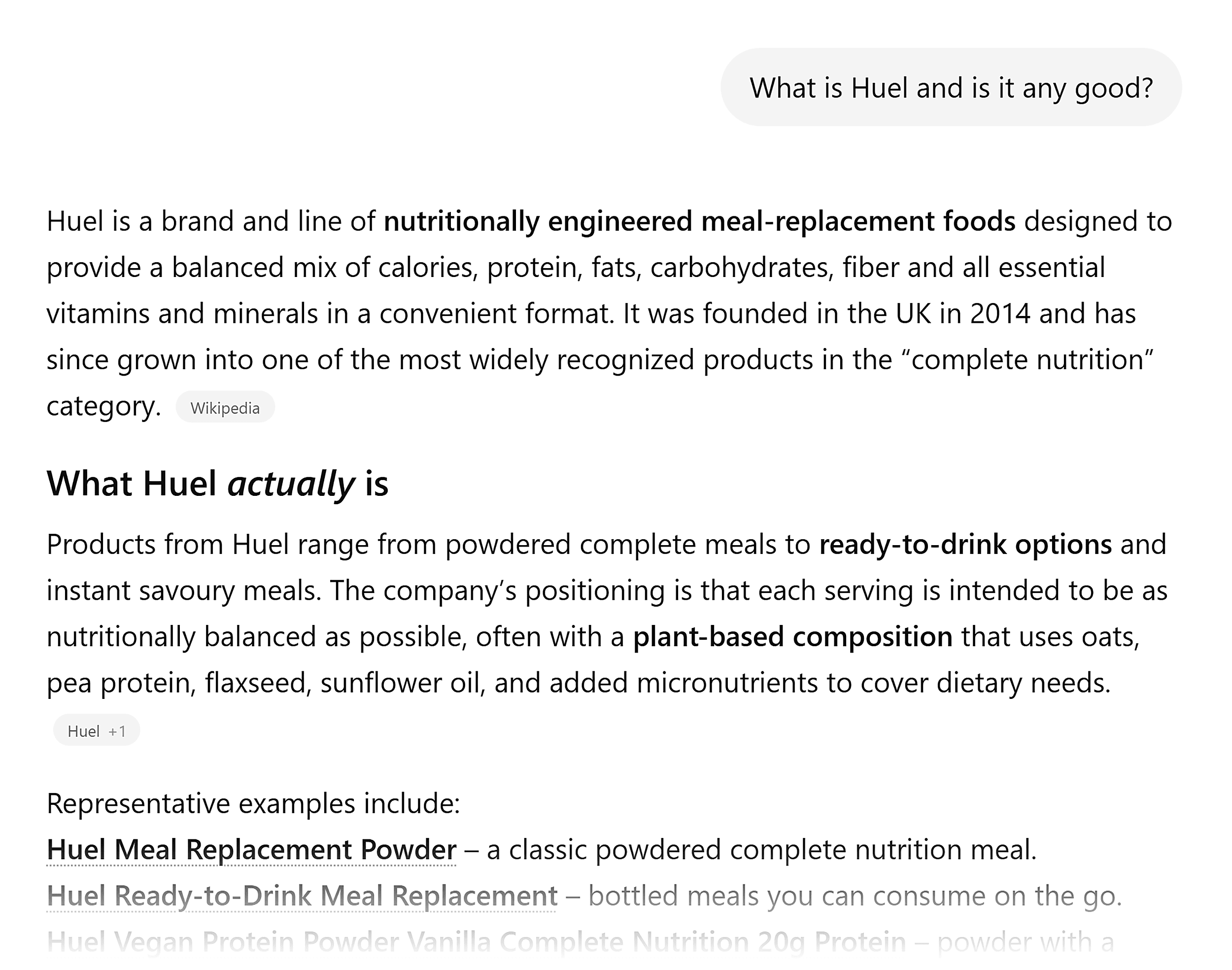
While the website remains the central hub of digital operations, the vast majority of the modern customer journey now occurs entirely outside of it. Before a prospect ever lands on a corporate domain, they have already consulted AI-powered large language models (LLMs), scoured Reddit threads, and engaged with video platforms and social media channels. These third-party ecosystems dictate how a brand is perceived long before a human ever interacts with its proprietary content. Consequently, companies that fail to establish visibility, authority, and trust across the broader web find that their inbound traffic has dried up, forcing a radical re-evaluation of digital strategies.
Chronology
The erosion of the traditional website-first model developed progressively over several years, driven by changes in consumer search habits and artificial intelligence:
- The Rise of Aggregators and Forums (2022–2023): Search engines began prioritizing user-generated content platforms—such as Reddit and specialized forums—in response to widespread dissatisfaction with SEO-optimized, low-value corporate blog content.
- The AI Search Integration (2024–2025): Major search providers integrated generative AI summaries and conversational modes directly into the search experience. Users increasingly received direct answers to their queries without clicking through to underlying websites, initiating the "zero-click" era.
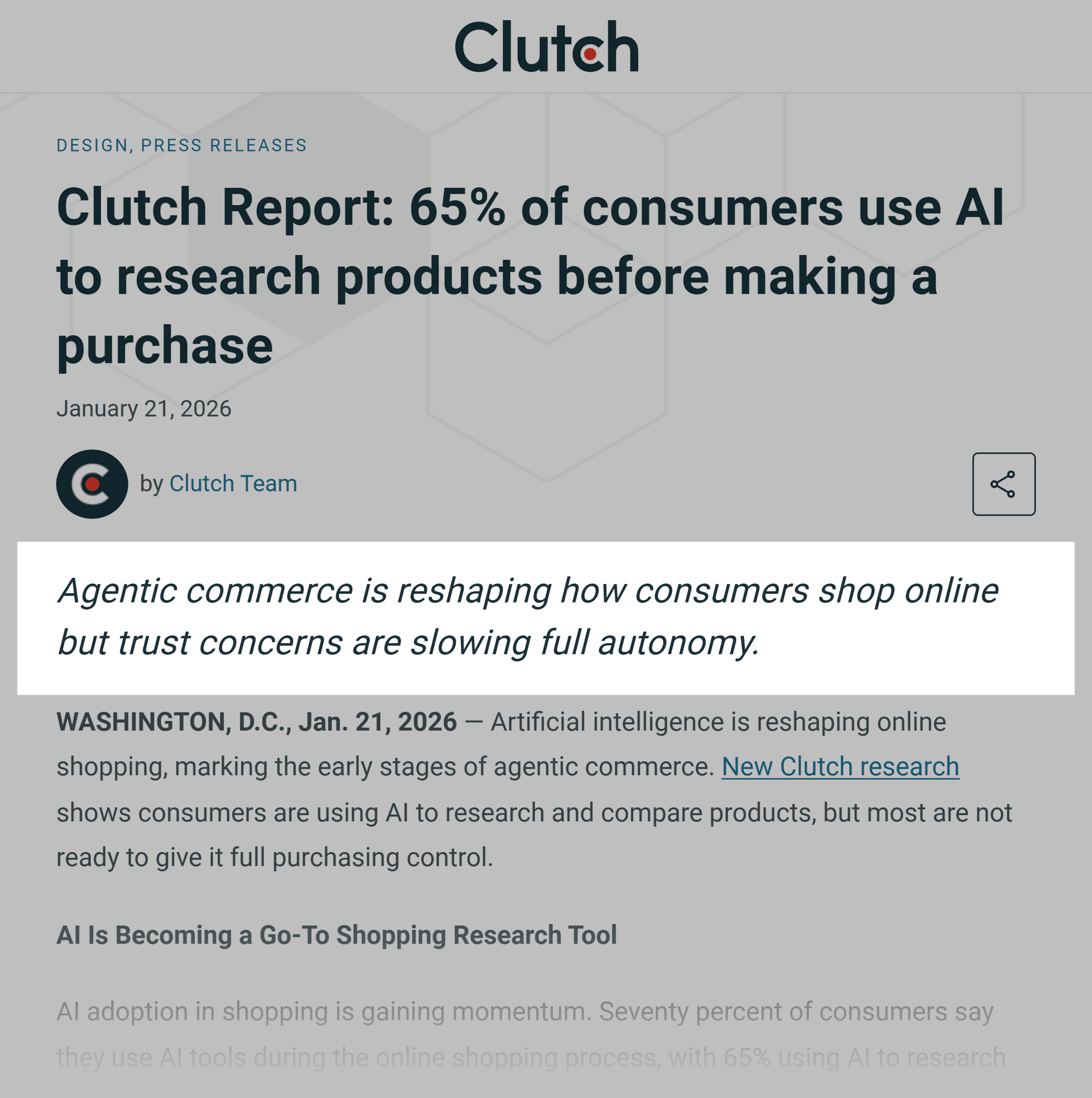
- The Multi-Touch Consumer Journey (2026): By 2026, consumer research habits shifted permanently. Over 65% of buyers began using AI tools exclusively for initial product research, making off-site brand reputation management the primary driver of website conversion quality.
Supporting Data
Market research and industry behavioral studies underscore the magnitude of this transition:

- AI Discovery Prevalence: According to recent market research data from Clutch, over 65% of consumers now utilize AI tools to research products, services, and companies before ever visiting a corporate website.
- The Pre-Educated Buyer: Due to this off-site research, incoming traffic is significantly more pre-educated. Visitors arrive on websites with pre-formed opinions, higher intent, and specific context, rendering traditional top-of-funnel introductory copy less effective.
- Zero-Click Dominance: A growing percentage of informational search queries resolve entirely within AI answer engines and search engine result pages (SERPs), resulting in flat or declining raw organic traffic volumes for brands that rely solely on conventional keyword-stuffing SEO.
Official Responses and Industry Insights
Digital marketing thought leaders and enterprise executives have responded to these systemic changes by emphasizing holistic, cross-platform visibility and structural clarity.

Industry analysts emphasize that brands can no longer leave their digital narrative to chance. Because large language models synthesize data from a decentralized web of reviews, forums, and social posts, companies must actively engineer how the internet describes their brand. This requires maintaining strict consistency in brand messaging across all public-facing channels—from sales decks and executive profiles to community engagement and PR releases.
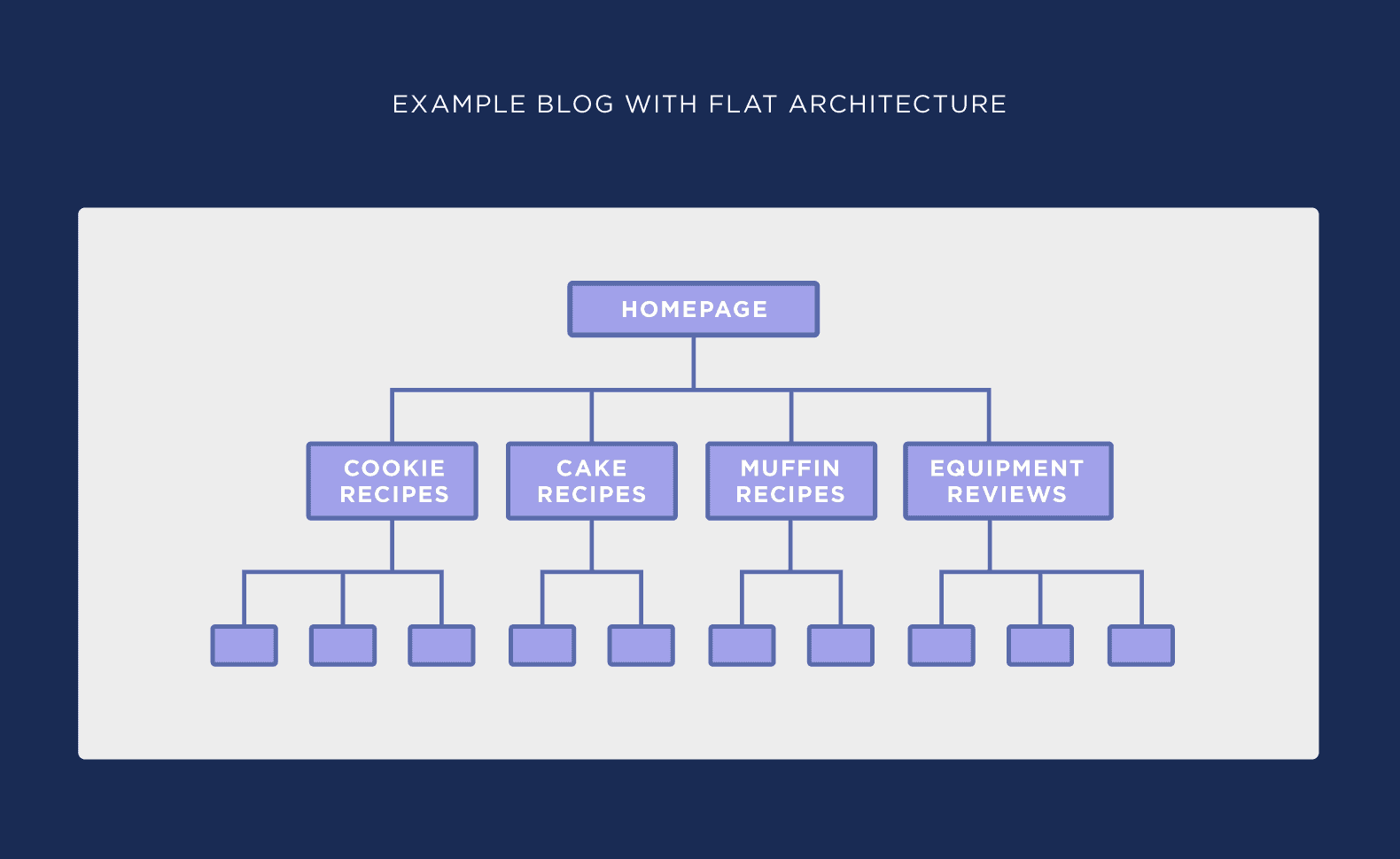
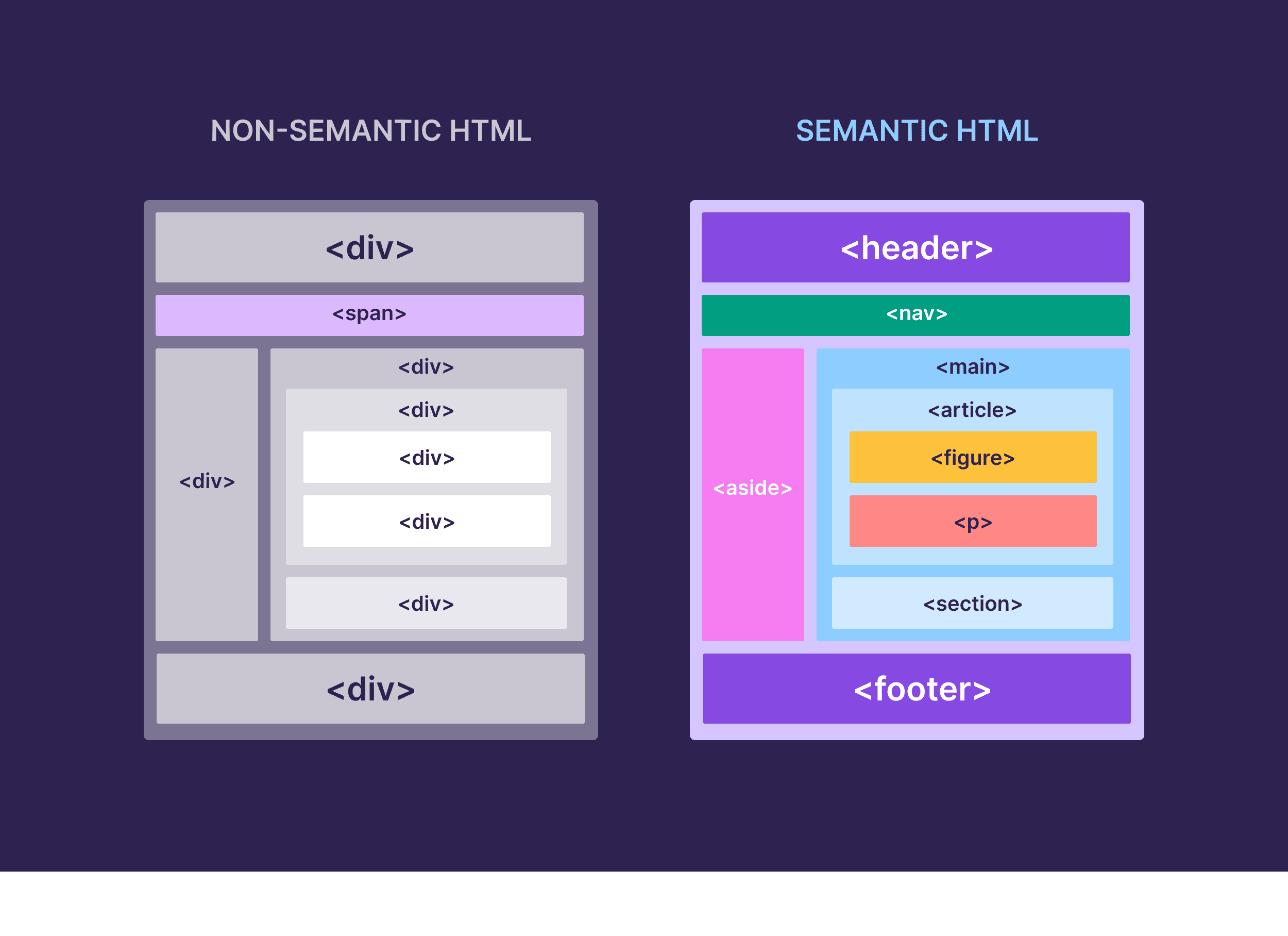
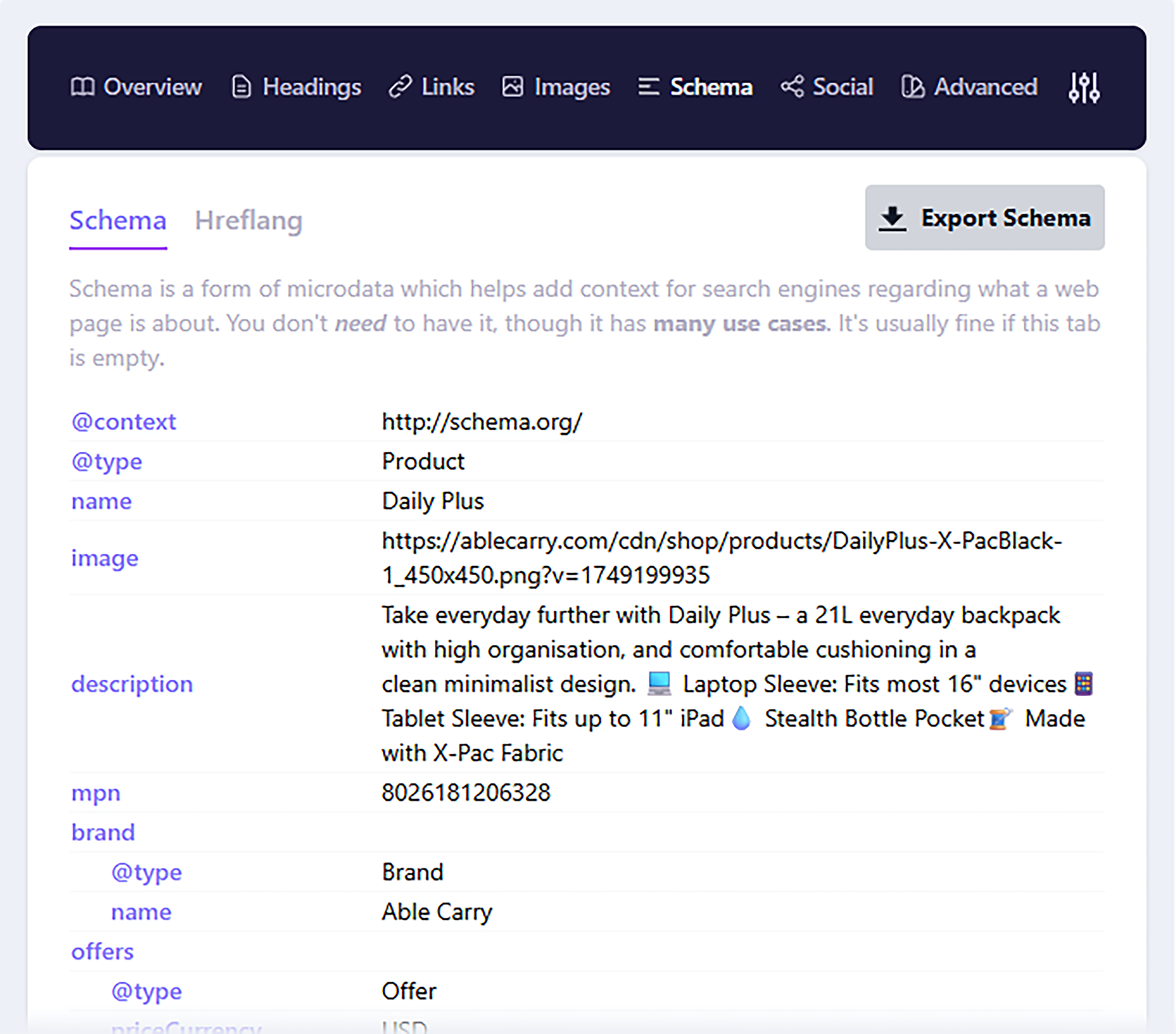
Furthermore, search optimization experts note that modern websites must be architected for dual audiences: human readers who demand high-impact design and clear proof assets, and AI parsers that rely on clean, semantic HTML and structured data to accurately index brand capabilities.
Implications
The structural evolution of website marketing carries profound implications for businesses of all sizes, changing how marketing budgets, resources, and performance metrics are allocated.
1. The Death of Isolated Website SEO
Brands that treat their website as an isolated island are finding it increasingly difficult to acquire traffic. Because AI models and modern search algorithms cross-reference third-party mentions before recommending a brand, off-site reputation management—via active participation in niche communities, digital PR, and video marketing—is now a prerequisite for inbound website success.

2. A Hyper-Focus on Conversion Rate Optimization (CRO)
With raw traffic volumes shifting toward zero-click environments, raw visitor counts are no longer a reliable key performance indicator (KPI). Instead, revenue per visitor (RPV) and conversion rate optimization take center stage. Because incoming visitors are pre-educated by AI and peer reviews, websites must be engineered to immediately reduce friction, eliminate anxiety, and close the transaction.
3. The Human Premium in an AI-Saturated Web
As generative AI lowers the barrier to producing generic textual content, consumers are placing a higher premium on genuine human expertise. Brands that front recognizable, authoritative human leaders—through long-form video content, thought leadership, and public advocacy—build levels of trust that AI-generated copy cannot replicate.
4. Transitioning to Intentional Content Repurposing
Content strategy in 2026 is no longer about high-volume publishing for the sake of keyword coverage. Successful brands identify high-performing core ideas—validated through social listening or customer feedback—and systematically repurpose them across newsletters, short-form video clips, and high-impact visual formats.