Organizations worldwide are currently gripped by an "AI fever." From the C-suite to the entry-level analyst, the promise of artificial intelligence has moved from the pages of science fiction into the daily operations of the modern enterprise. Yet, despite this widespread enthusiasm, a persistent paradox remains: while employees are rapidly integrating AI into their daily routines, corporate initiatives frequently stall, failing to move beyond the "sandbox" phase of experimentation.
The problem, as it turns out, is no longer a lack of interest or resistance to change. The challenge is structural. According to the 2026 State of AI Report, while over 50% of professionals have moved past the initial trial phase of AI, only 29% of organizations possess a formal, documented AI roadmap. This data suggests a dangerous disconnect: companies are falling behind their own workforces. To bridge this gap, leaders must move beyond tactical implementation and focus on comprehensive organizational readiness.
The State of AI: Where We Stand in 2026
The landscape of AI adoption has shifted dramatically over the past 24 months. The initial phase of "AI tourism"—where companies played with chatbots to see what they could do—has ended. We are now in the era of functional integration. However, the data reveals a stark divide between individual initiative and institutional strategy.
While employees are leveraging AI to draft emails, summarize documents, and code faster, many organizations have failed to provide the necessary guardrails, data infrastructure, or strategic alignment to turn these individual productivity gains into company-wide value. Without a roadmap, AI remains a collection of "random acts of innovation" rather than a cohesive competitive advantage.
The Six Pillars of Readiness
To transform AI from an experimental novelty into a core business driver, leaders must audit their organizations across six critical dimensions: Strategy, People, Data, Governance, Technology, and Workflow.
1. Aligning AI Strategy with Business Goals
AI readiness is not about the technology itself; it is about the outcomes the technology facilitates. Before a single API is called, leaders must ask: What specific business problems are we solving?
Too often, AI projects are launched for the sake of being "AI-first." A mature organization identifies specific use cases that map directly to broader business objectives. This requires a shared definition of success and a clear understanding of the "no-go" zones—areas where AI should not be applied due to brand risk or ethical concerns.
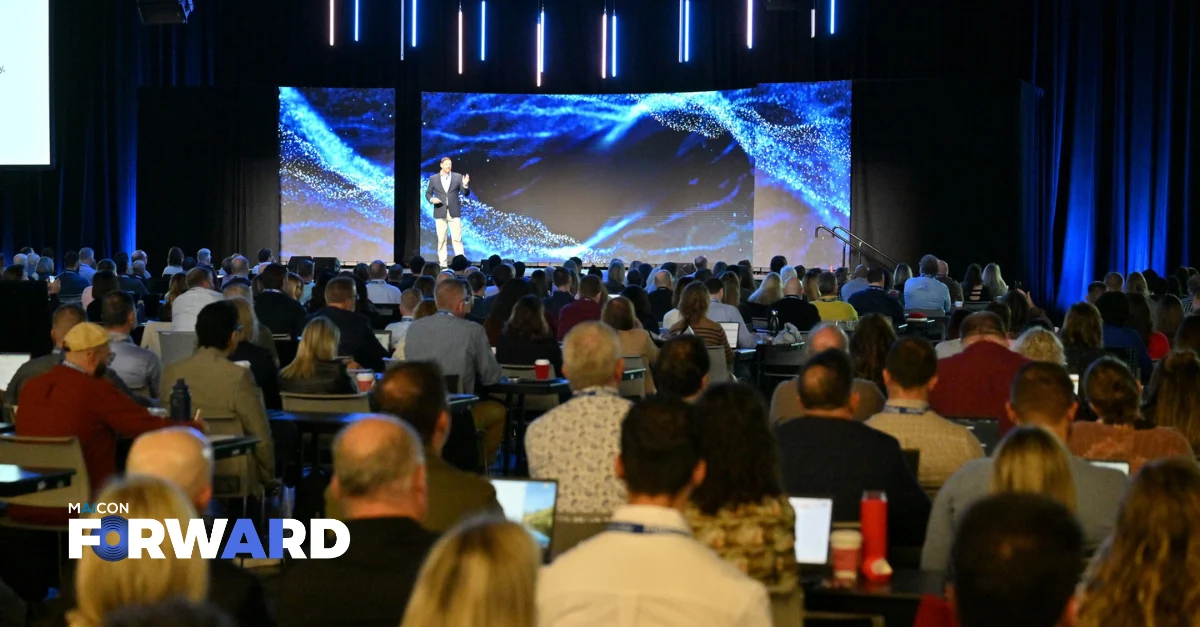
At the upcoming Marketing AI Conference (MAICON) 2026, experts will dissect the difference between hype and high-impact investment. Sessions like The AGI Chronicles: The Final Frontier and Marketing Forward provide frameworks for decision-making in an environment of rapid technological churn, ensuring that your AI strategy doesn’t just chase trends but drives measurable growth.
2. The Human Element: Building AI-Ready Teams
Technology without talent is merely expensive shelfware. The most significant barrier to scaling AI is often the "people side" of the equation. Teams need more than just access to tools; they need a baseline literacy in AI, clarity on how these tools augment their specific roles, and, most importantly, the confidence to use them without fear of obsolescence.
Leadership must pivot from viewing AI as a cost-cutting tool to viewing it as a capacity-builder. This requires identifying internal champions—employees who can bridge the gap between technical potential and departmental needs.
MAICON 2026 addresses this through tracks like AI Adaptation: The People Side of Scale, which focuses on behavior change, and From AI Users to AI Builders, which explores the shift from passive tool usage to creating bespoke, non-technical solutions.
3. The Data Foundation: Accuracy and Measurement
An AI system is only as good as the data it consumes. Many organizations struggle with "dark data"—siloed, inaccurate, or unorganized information that makes training models or generating relevant outputs impossible.
To be AI-ready, companies must know exactly where their data lives, its level of sensitivity, and its reliability. Furthermore, organizations need defined KPIs. How do we measure the ROI of an AI-generated campaign compared to a human-led one? Without these metrics, AI remains a "black box" that is impossible to manage.
Sessions at MAICON, such as Redefining ROI in the AI Search Era and What’s Actually Working: AI Across the Advertising Funnel, feature insights from global giants like General Motors, Shell, and The Home Depot, providing a blueprint for how the world’s most successful brands are measuring impact.
4. Governance: Creating Confidence Through Guardrails
There is a common misconception that governance stifles innovation. In reality, strong governance is the prerequisite for scaling. Without clear policies on confidential information, data privacy, and legal compliance, employees will either avoid using AI entirely or, worse, expose the company to significant risk through "shadow AI."
A robust governance framework provides the guardrails that allow teams to experiment safely. It defines who is accountable for AI outputs and where organizational knowledge can be shared. At MAICON, the Playbook for Marketing Transformation session will address how to manage these strategic guardrails while maintaining the agility needed to stay competitive.
5. Technology: Capability Over Complexity
"AI-ready" does not mean buying every subscription tool on the market. It means conducting a rigorous audit of the existing technology stack. Often, the capabilities an organization needs are already embedded in their current CRM, ERP, or marketing platforms.
The goal is to move from "tool sprawl" to a cohesive system. This involves understanding how different models—such as Gemini, Claude, or ChatGPT—interoperate. MAICON’s Beginner’s Guide to Vibe Coding and Building a Content Marketing Agentic Workflow offer practical, hands-on sessions for non-technical teams to build and connect their own AI solutions, ensuring that technology serves the strategy, not the other way around.
6. Reinventing Workflows: Beyond Automation
The true power of AI is not found in doing the same work faster; it is found in doing work that was previously impossible. Organizations that stall usually make the mistake of simply automating old processes. AI-ready organizations, however, rethink the workflow from the ground up.
They look at the entire lifecycle of a project and ask: "If we could eliminate the manual bottleneck at this stage, what could we do next?" This shift from automation to transformation is the hallmark of the industry leaders. At MAICON, sessions like How to Reimagine and Build Workflows That Weren’t Possible Before will challenge attendees to scrap legacy processes in favor of AI-native systems that scale from solo creators to global teams.
Implications for the Future
The divide between organizations with a roadmap and those without one is widening. As AI becomes deeply embedded in the fabric of global commerce, the "experimental" phase will conclude, leaving only those who have achieved operational readiness.
The implications are clear:
- For Leadership: The role of the executive is shifting from strategic planner to "AI orchestrator," responsible for balancing innovation with risk management.
- For the Workforce: The demand for "AI-fluent" talent will outpace supply. Companies that provide training and internal mobility will retain the best staff.
- For Competitive Advantage: The ability to move from an idea to a deployed, scalable, and governed AI workflow will become the primary differentiator between market leaders and those destined for obsolescence.
Conclusion: Preparing for the Next Phase
The 2026 landscape serves as a warning: enthusiasm is not a strategy. An AI roadmap is only as strong as the people, data, and governance structures supporting it. Identifying the gaps in your organization today is the only way to ensure you aren’t left behind tomorrow.
For those ready to move from scattered experimentation to a unified, scalable AI future, the path forward involves rigorous self-assessment and a commitment to continuous learning. By attending events like MAICON 2026, leaders can acquire the frameworks, tools, and real-world examples necessary to turn their AI ambitions into tangible, bottom-line results.
The AI revolution is no longer coming; it is here. The question is no longer whether your company will use AI, but how effectively you will be prepared to lead with it.