The New Architecture of Visibility: Why Brand Mentions Dictate Success in Google and AI Search
In the modern digital landscape, a company can possess a meticulously designed website, an immaculate user experience, and a library of world-class content, yet remain entirely invisible.
The traditional rules of digital visibility have undergone a structural shift. Today, search engines like Google and generative AI tools such as ChatGPT do not evaluate a domain in isolation. Instead, they look outward, assessing what third-party sources say about your brand to determine your identity, your authority, and whether you deserve to be recommended.
Every time a trusted publication, an industry expert, or a peer-to-peer community mentions your business, it cements your credibility within the global data ecosystem.
Main Facts: The Shift From Keywords to Brand Entities
For decades, digital marketing strategy focused heavily on direct on-page optimization, keyword density, and traditional backlink acquisition. While these elements remain foundational, the proliferation of large language models (LLMs) and advanced semantic search algorithms has changed the criteria for ranking.
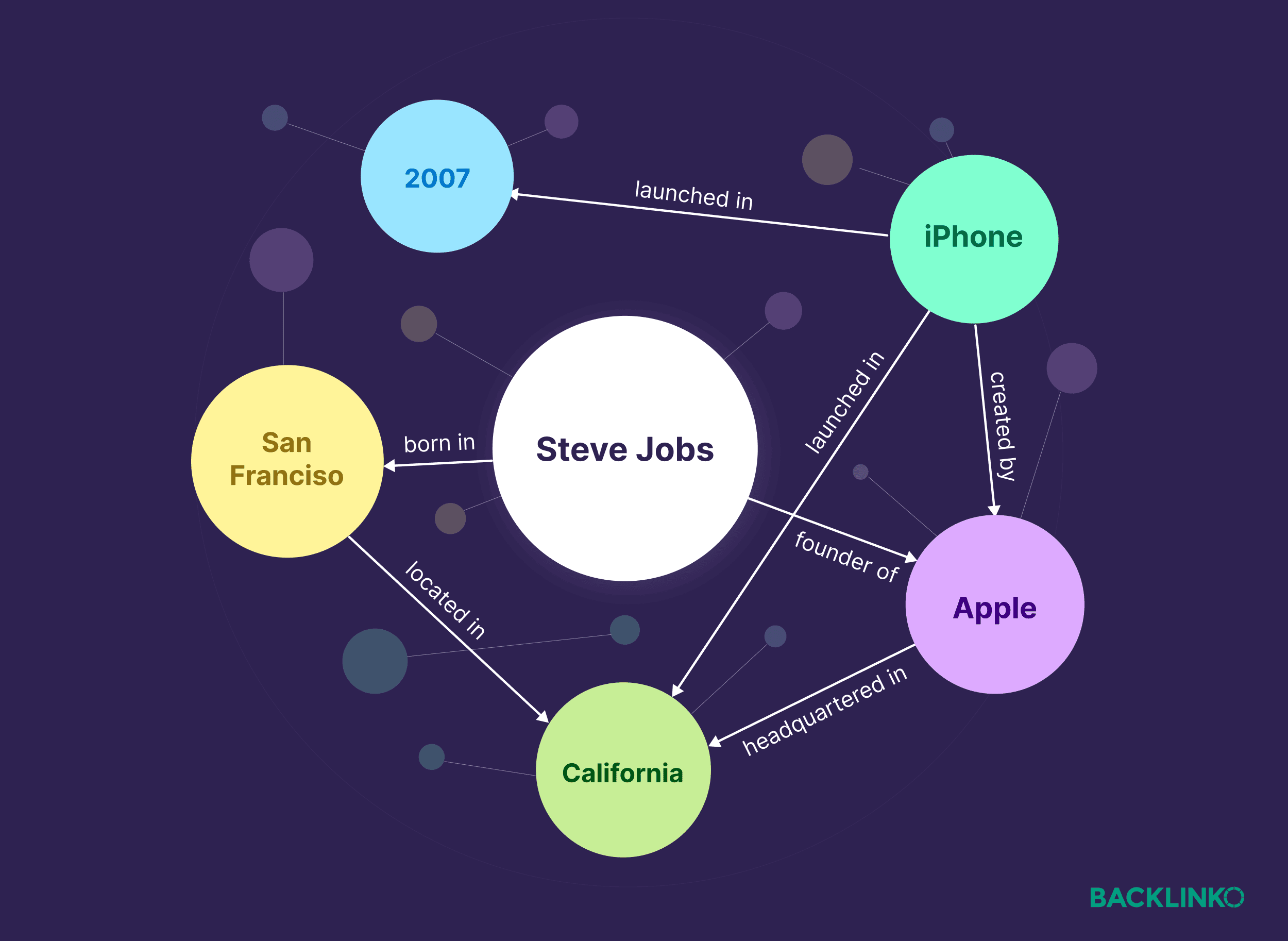
Modern algorithms rely on entity recognition—understanding brands, people, and concepts as distinct nodes within massive knowledge graphs. When Google or an LLM assesses your business, it constructs a profile based on web-wide sentiment, co-occurrence, and citations.
Brand mentions fall into two distinct categories:
Linked Mentions: References to your brand that include a clickable hyperlink, passing both direct referral traffic and critical link equity to your domain.
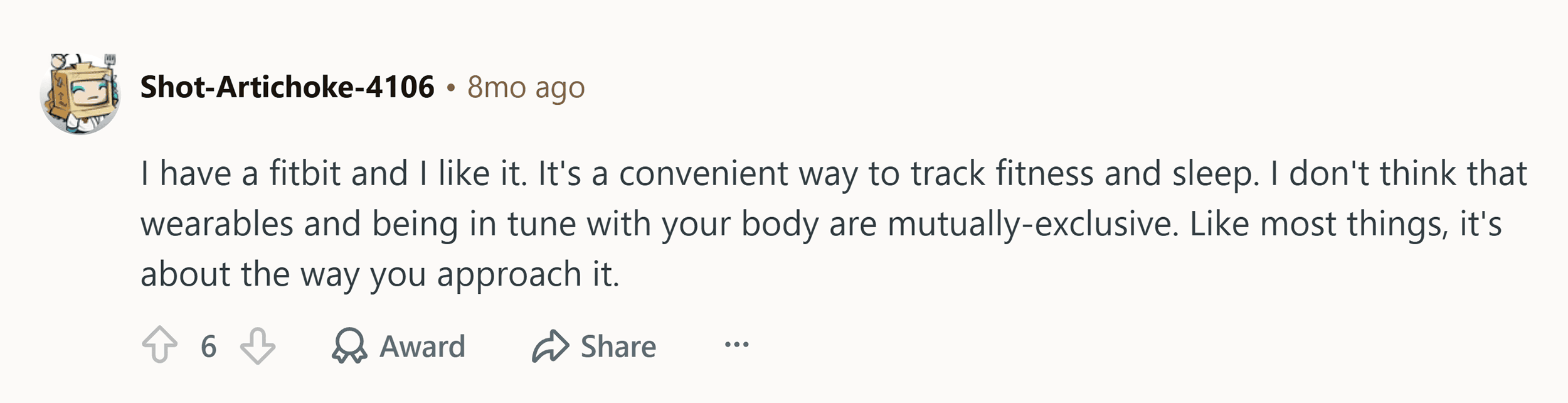
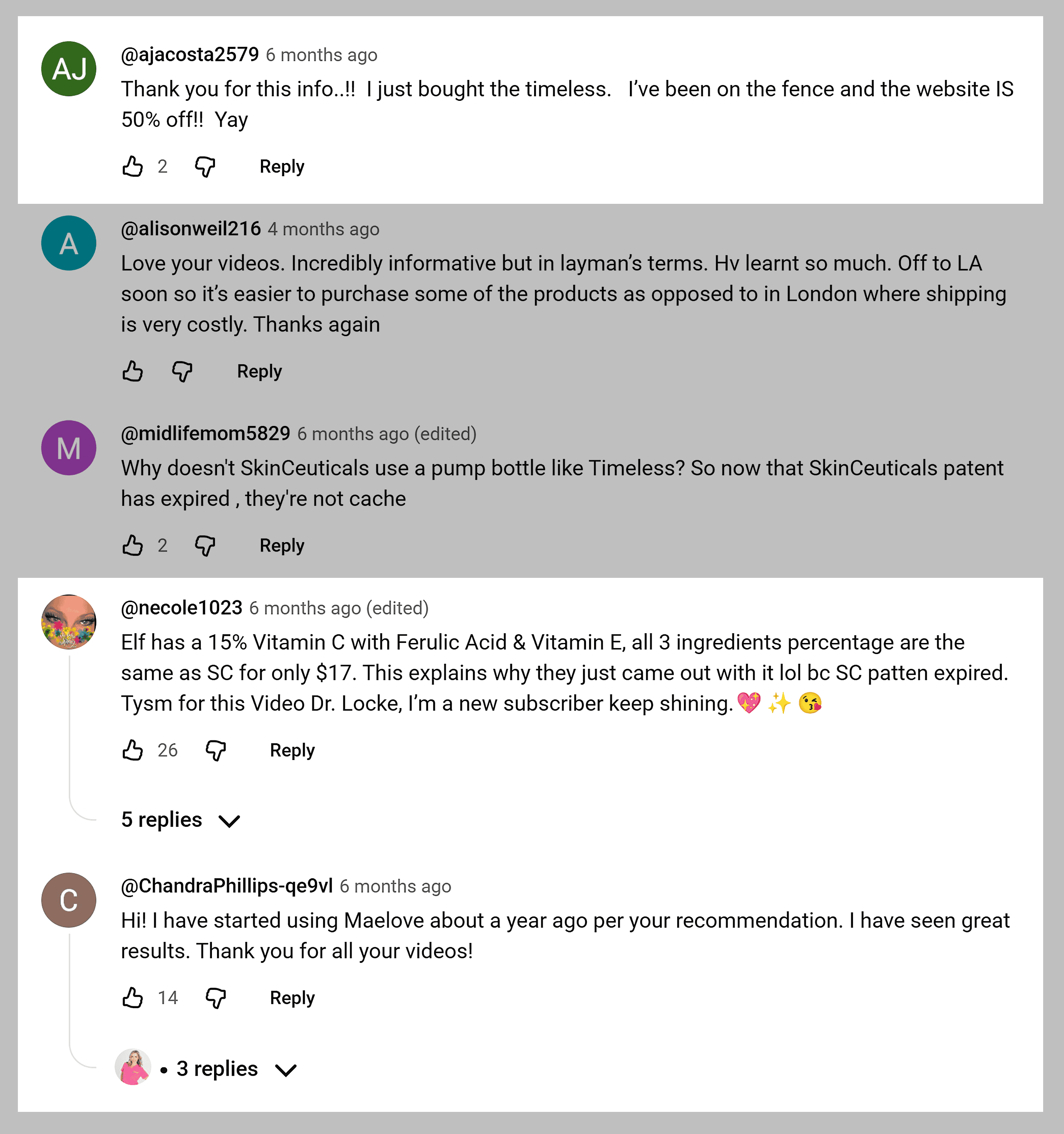
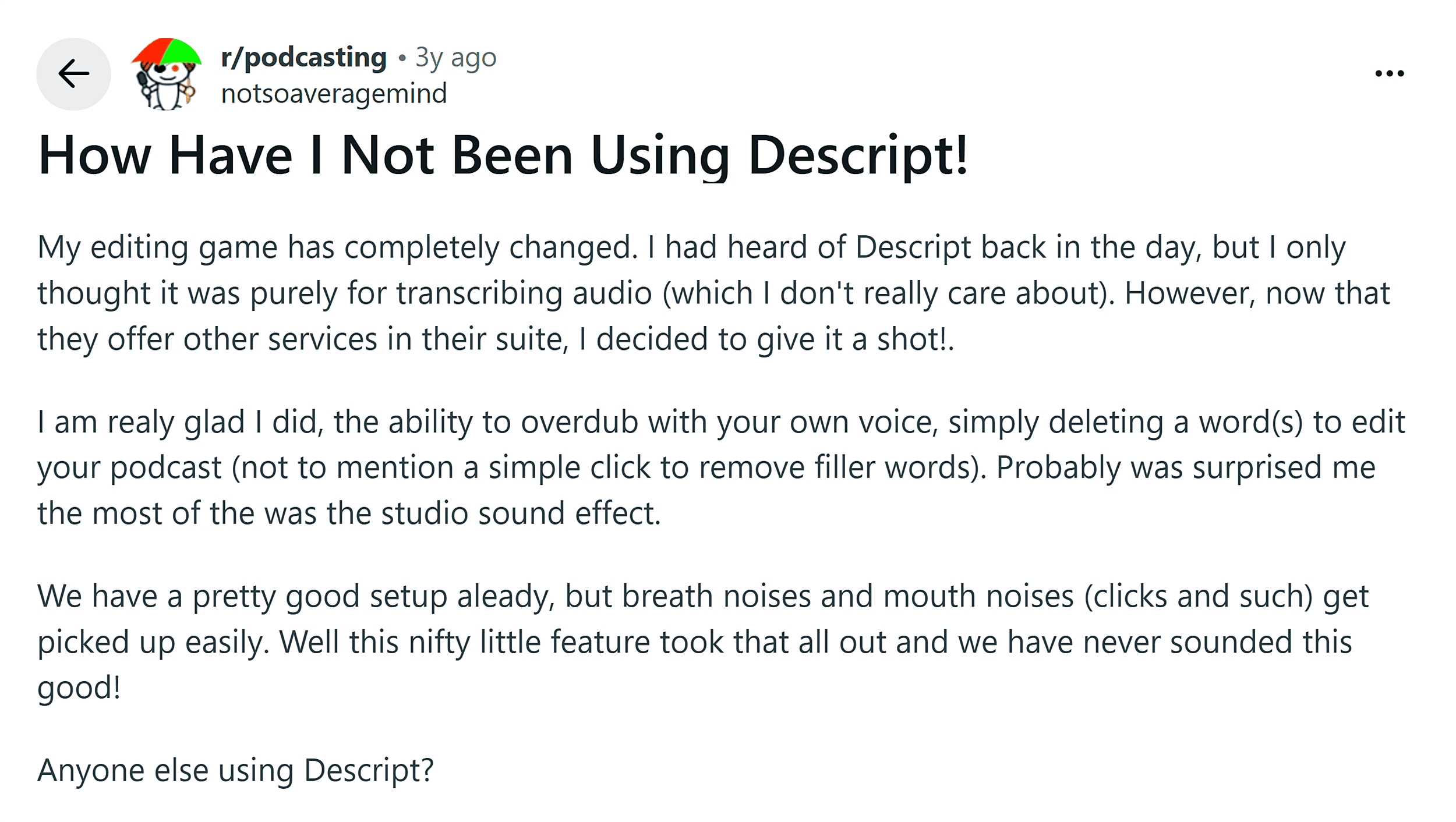
Unlinked Mentions: Third-party references to your brand name without a direct link (such as a Reddit discussion or a podcast shoutout). While they do not pass direct traffic, they provide vital contextual signals that help search engines and AI engines map out your brand’s relevance and authority.
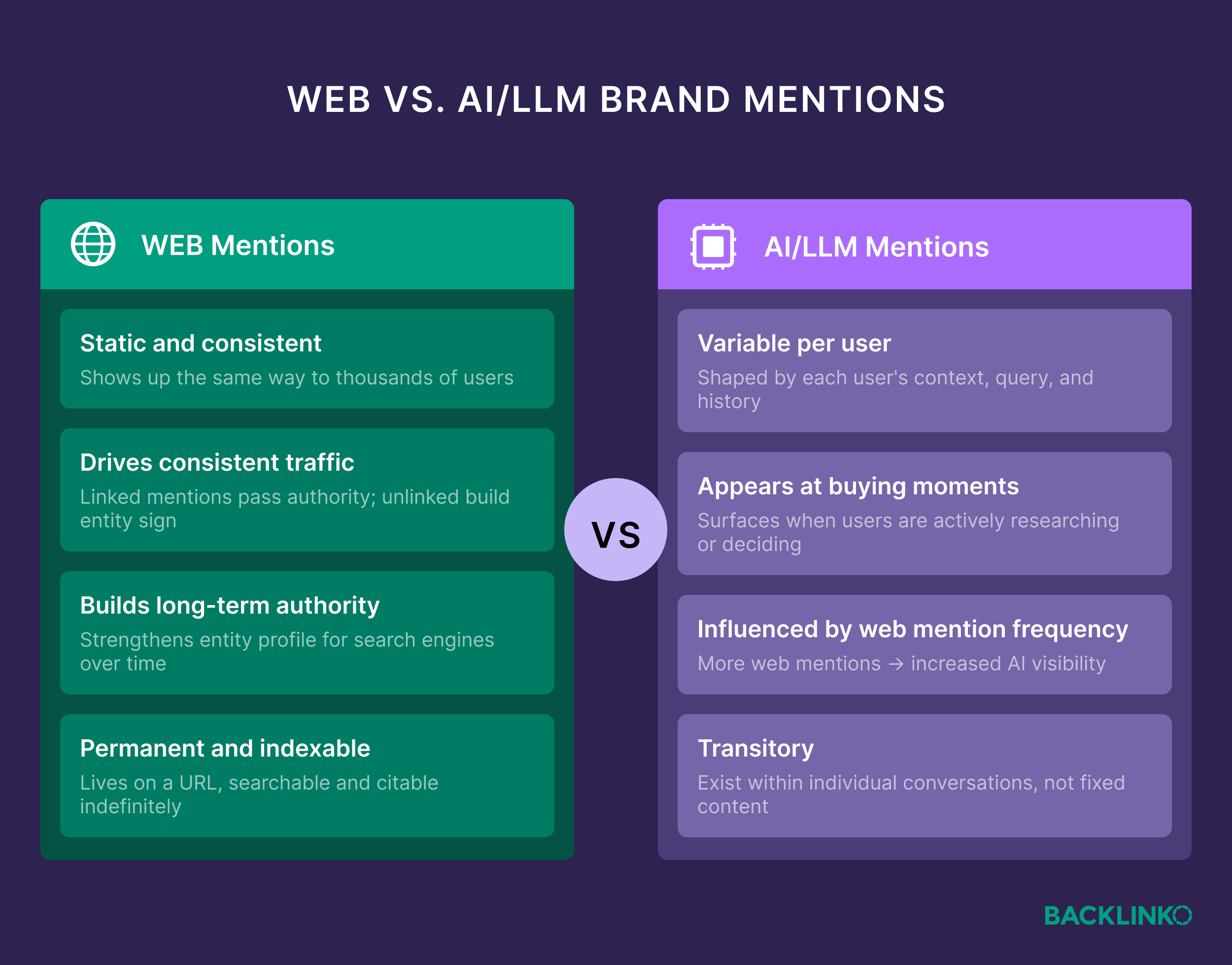
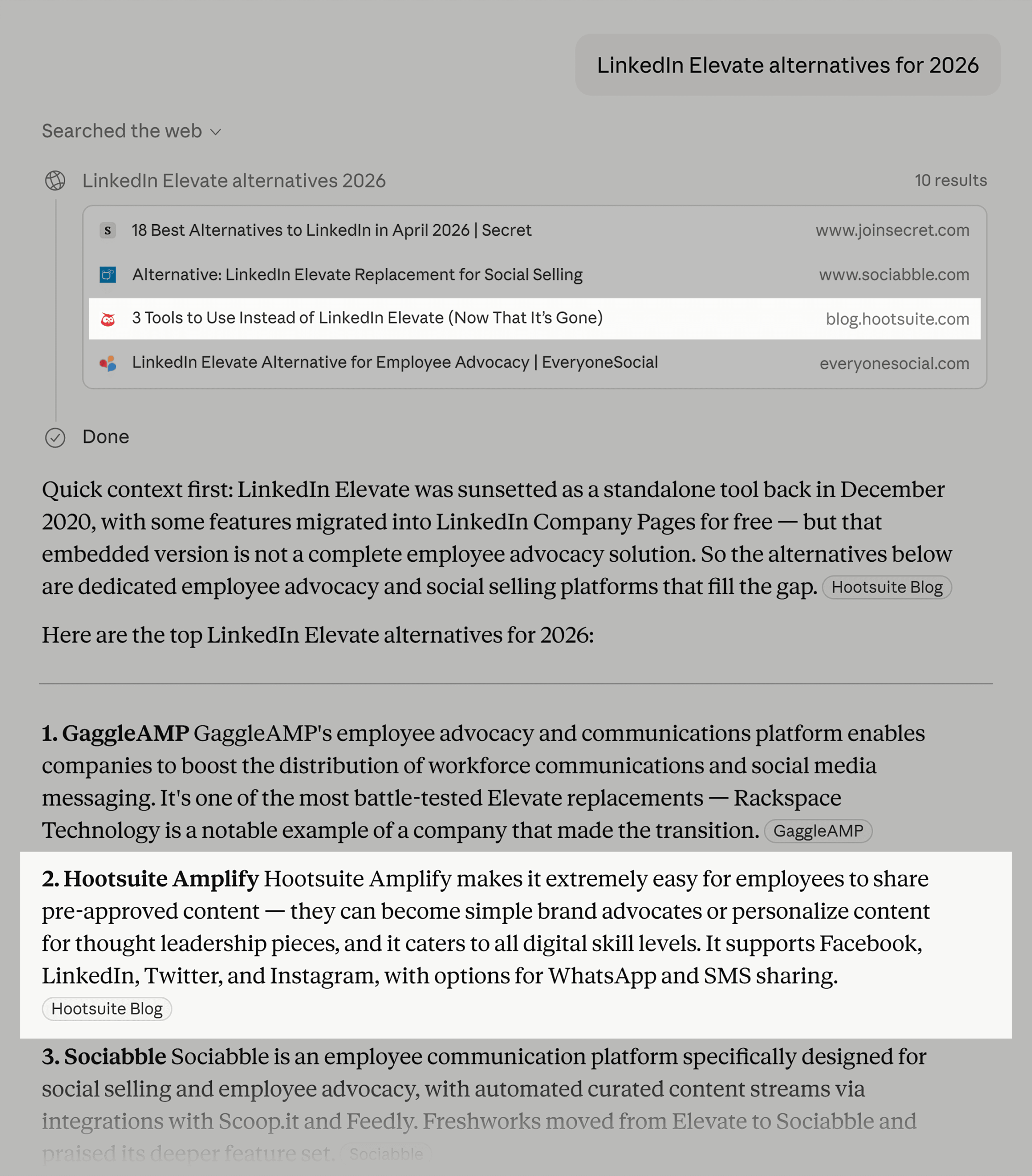
Furthermore, a distinct gap exists between traditional web mentions and LLM brand mentions. Web mentions are static; they appear identically to thousands of users. Conversely, LLM mentions are dynamic, varying based on an individual user’s context, prompt history, and session parameters. However, achieving visibility within AI-generated answers is a direct downstream effect of earning consistent, high-context brand mentions across the open web.
Chronology: The Evolution of Search and Entity Recognition
The Early Web Era (Pre-2010): Search engines relied primarily on exact-match keywords, page titles, and basic keyword stuffing to determine rankings.
The Backlink Revolution (2010–2020): Backlinks emerged as the undisputed currency of the internet. A link from one site to another served as a direct "vote of confidence," dictating domain authority.
The Rise of Semantic Search & Knowledge Graphs (2020–2023): Google formally introduced the Knowledge Graph, moving away from string matching to entity understanding. Search engines began connecting real-world concepts, businesses, and people. Brand mentions began carrying implicit weight even without hyperlinks.
The Generative AI Era (2023–Present): With the rapid adoption of ChatGPT, Claude, and AI-powered search overviews, language models began synthesizing the entire web to generate direct answers. Visibility now depends on how extensively and accurately an LLM’s training data describes a brand’s value proposition, performance attributes, and use cases.
Supporting Data: What Defines a High-Value Brand Mention?
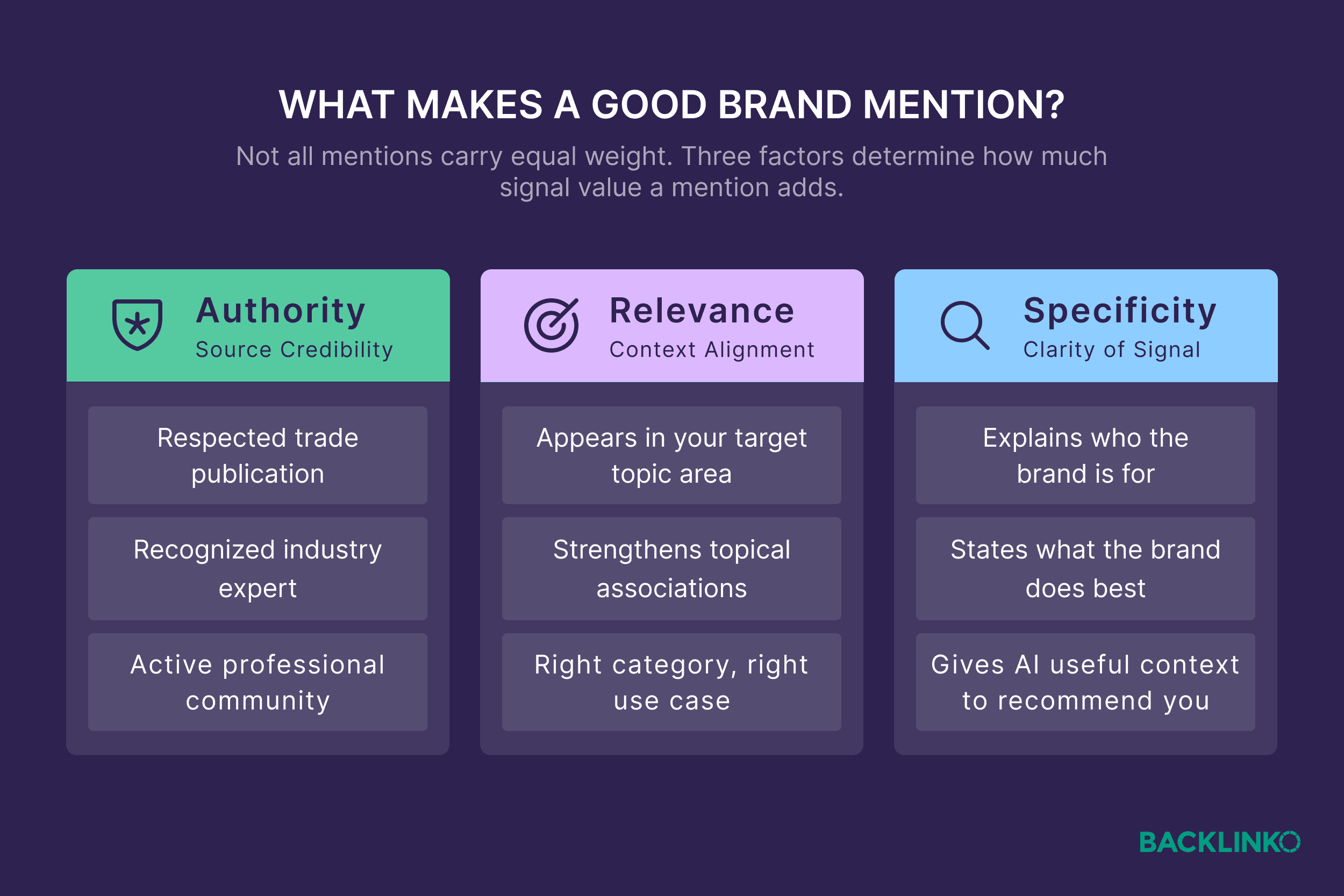
Not all brand mentions carry equal weight. According to digital visibility data, the quality of a brand mention is governed by three primary pillars: Authority, Relevance, and Specificity.
1. Authority
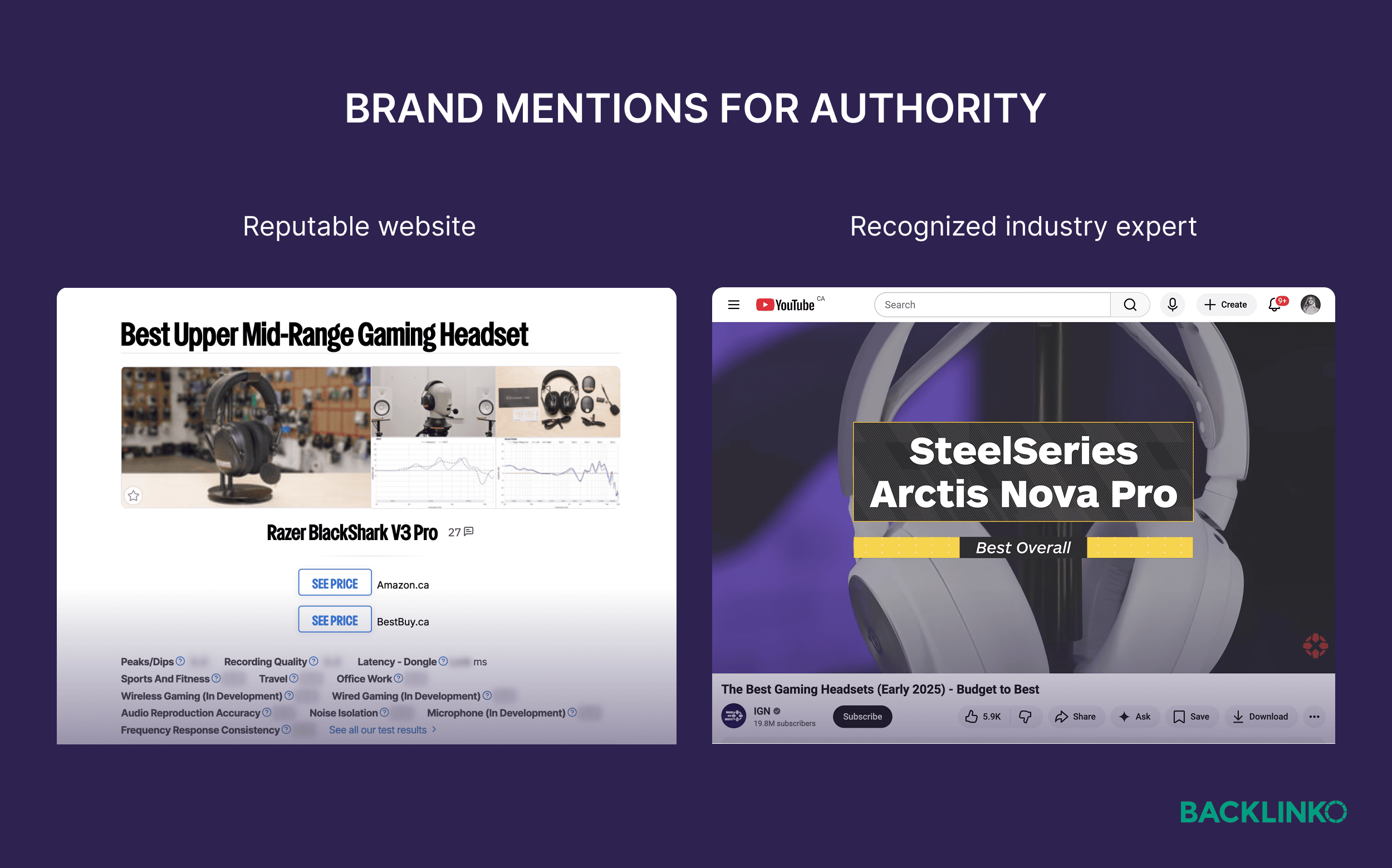
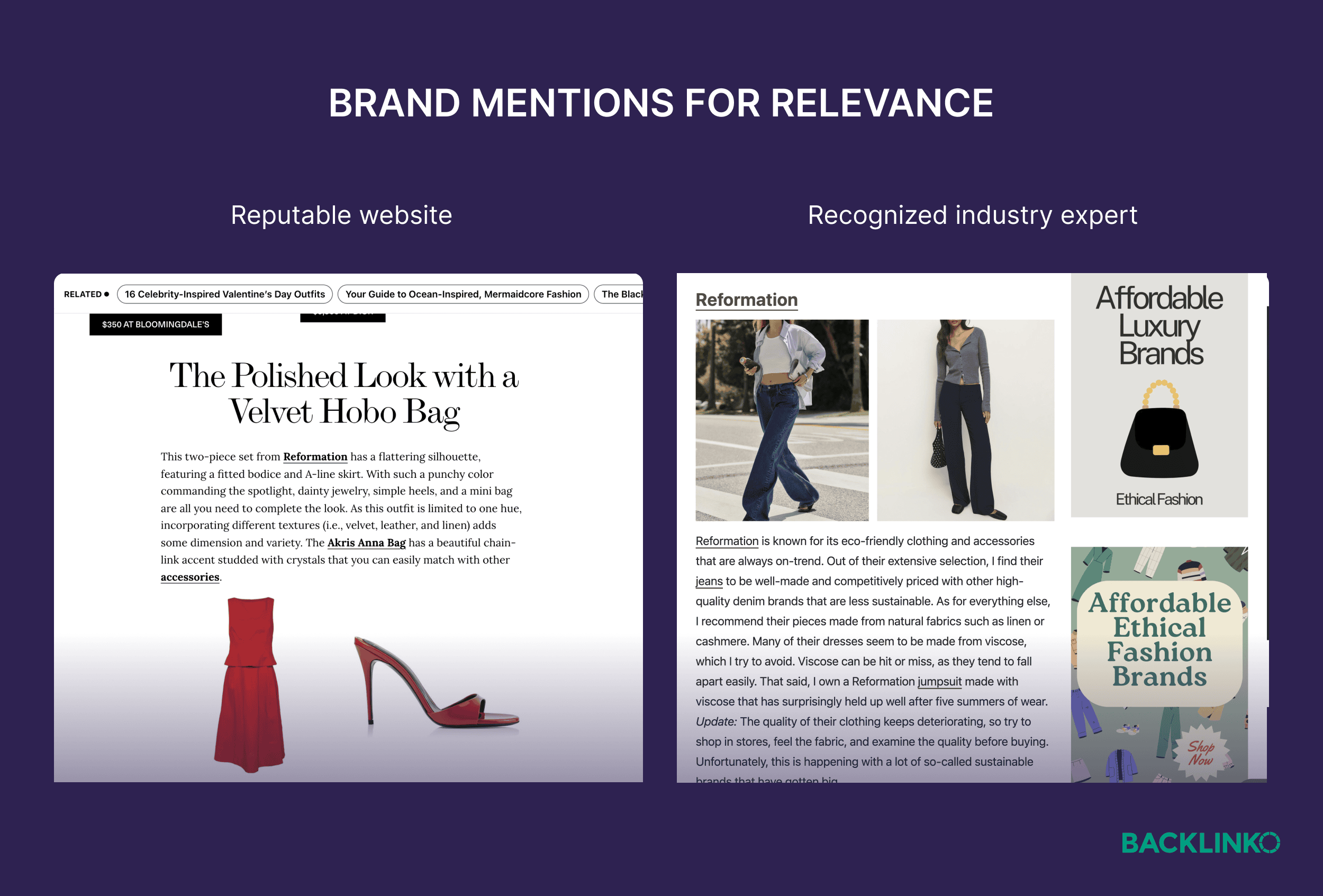
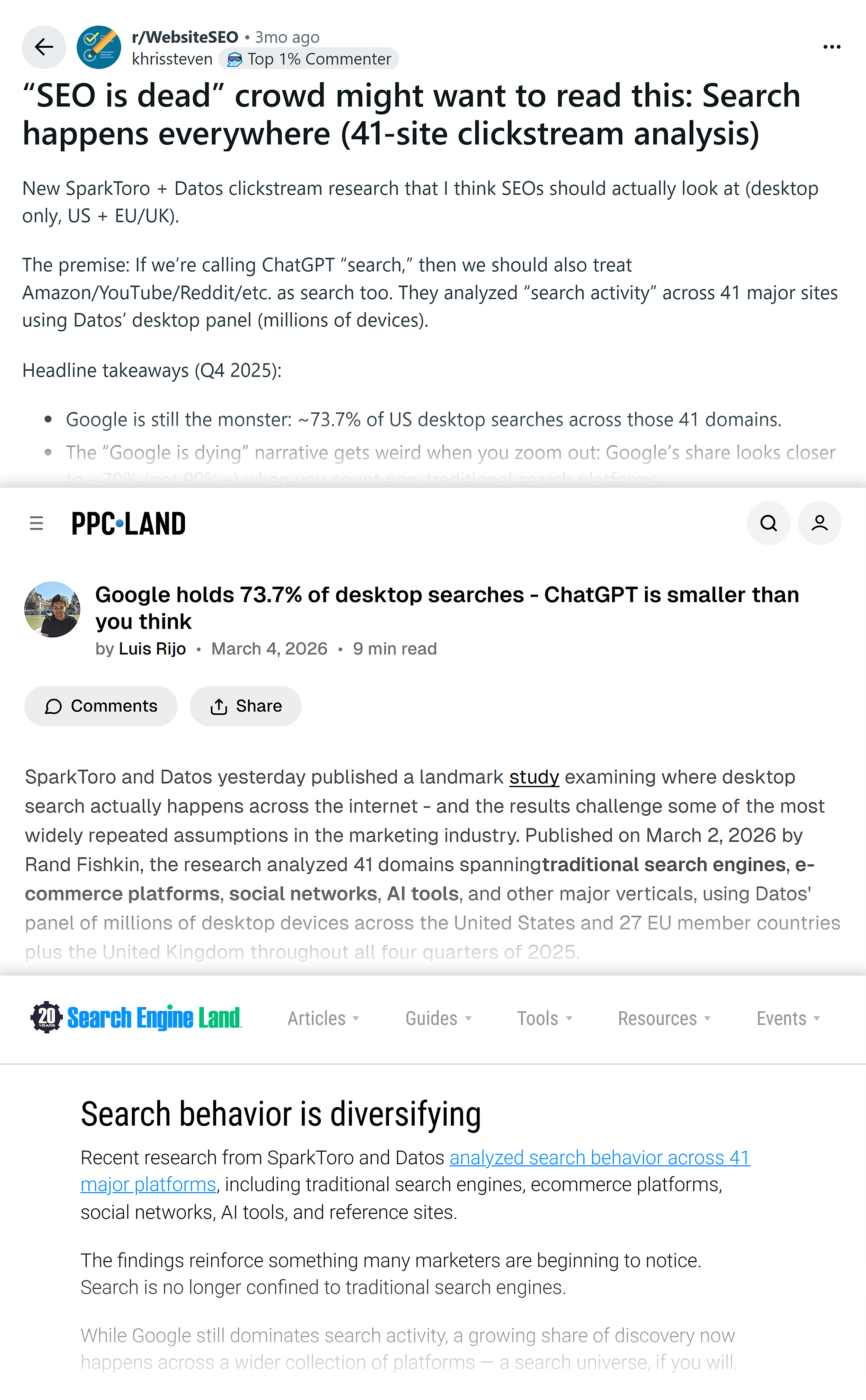
Authority measures the credibility and trustworthiness of the source publishing the mention. A feature in a tier-one industry publication or a recognized news outlet sends a powerful signal to algorithms, far outweighing a casual reference on a low-traffic, unvetted blog. Search engines cross-reference these citations to validate whether a brand is an industry leader or an outlier.
2. Relevance
Relevance operates on two levels: topical alignment and industrial context. If your B2B SaaS platform is mentioned within a comprehensive guide about enterprise workflow automation, it reinforces your topical authority. If that same mention appears on an unrelated lifestyle blog, its algorithmic value drops significantly.
3. Specificity
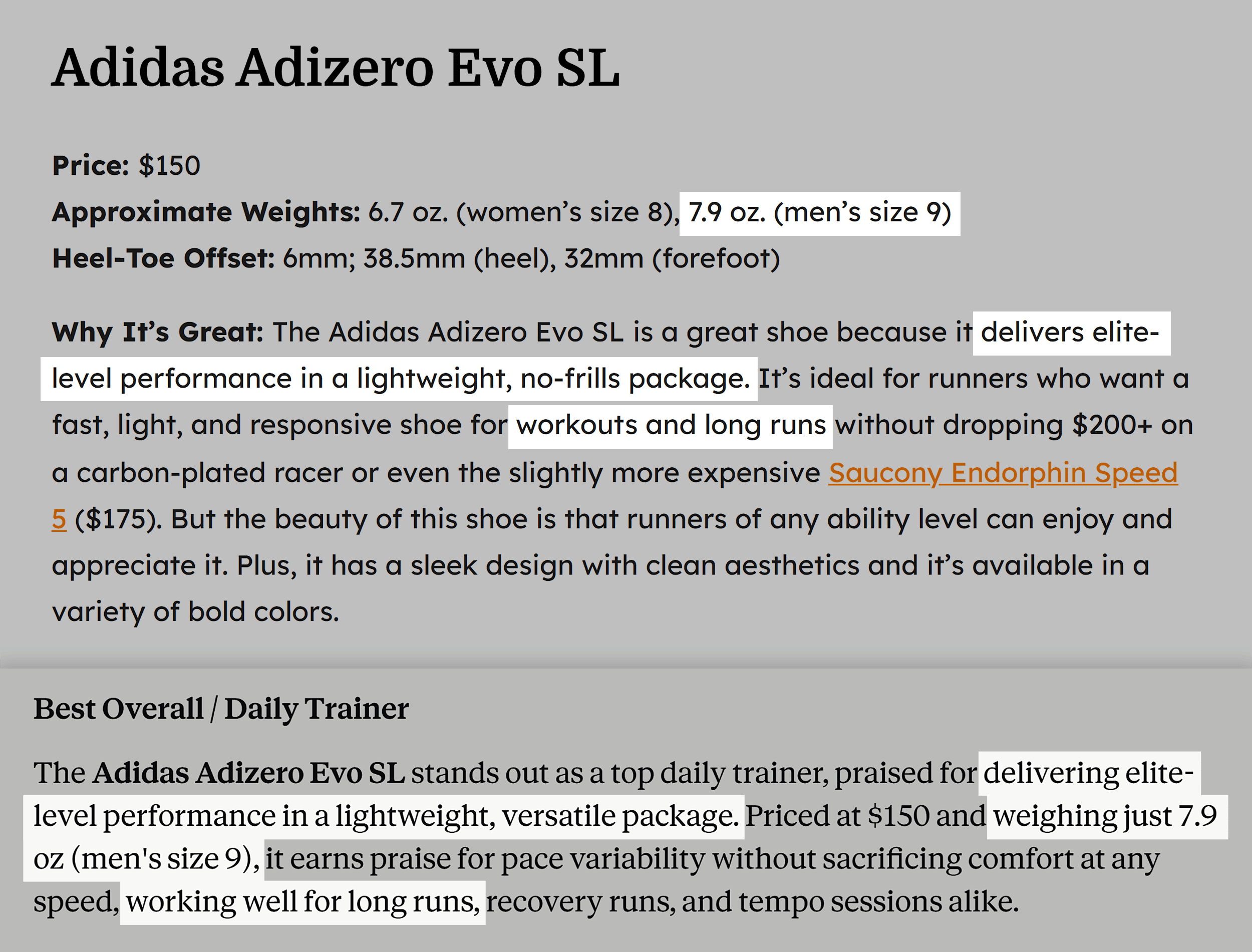
Generic mentions ("Company X is great") provide little utility to search engines. High-value mentions include specific insights, quantitative performance metrics, pricing details, and exact use cases. When a user or reviewer writes, "Tool Y reduced our video editing time by 40% through automated transcription," search engines and AI models receive clear, actionable data about what the product does and who it is built for.
Official Responses and Strategic Frameworks: 4 Tactics to Earn Mentions
To build a repeatable, scalable pipeline for brand mentions, modern marketing and PR teams are deploying four core strategies:
1. Create Data-Driven, Citable Content
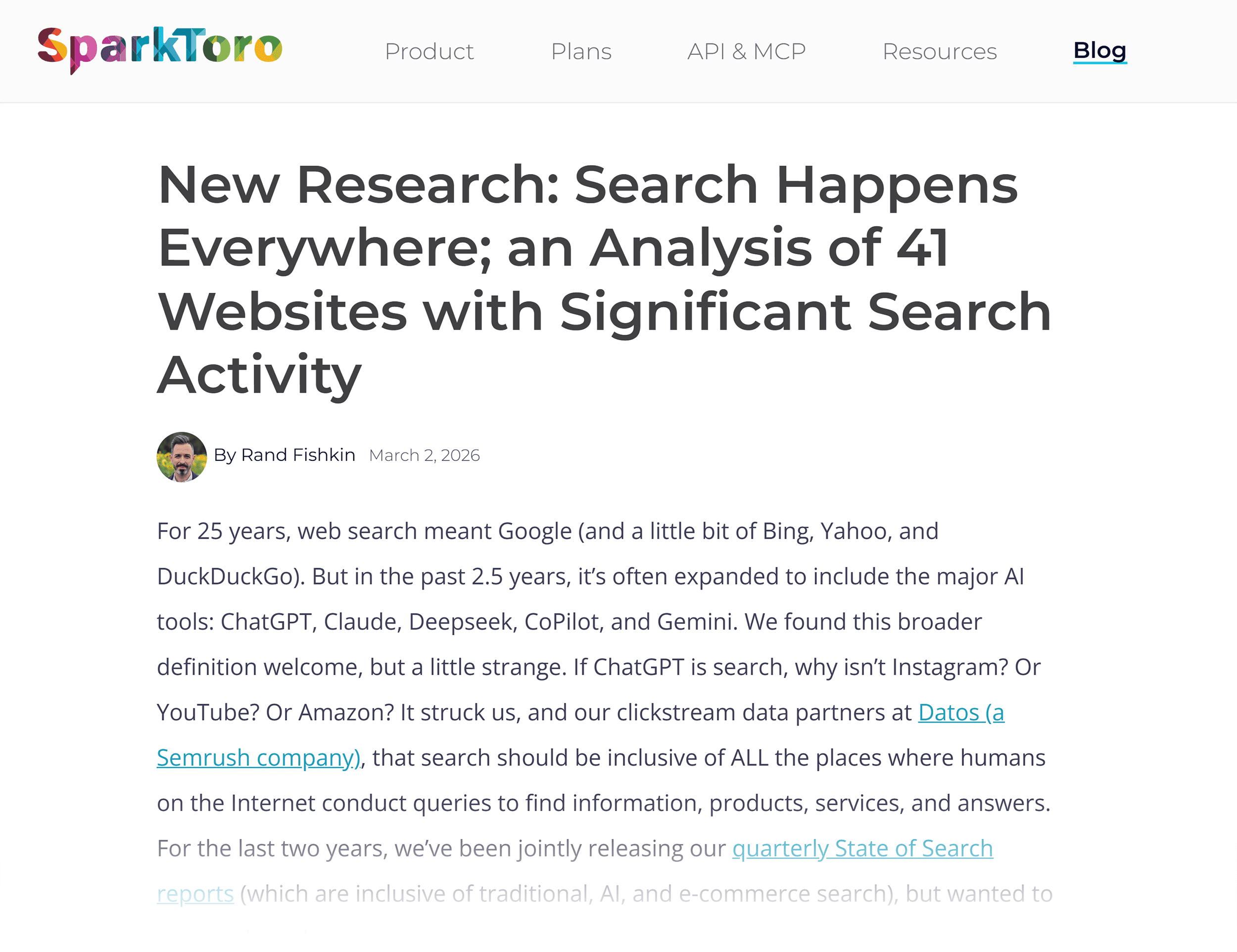
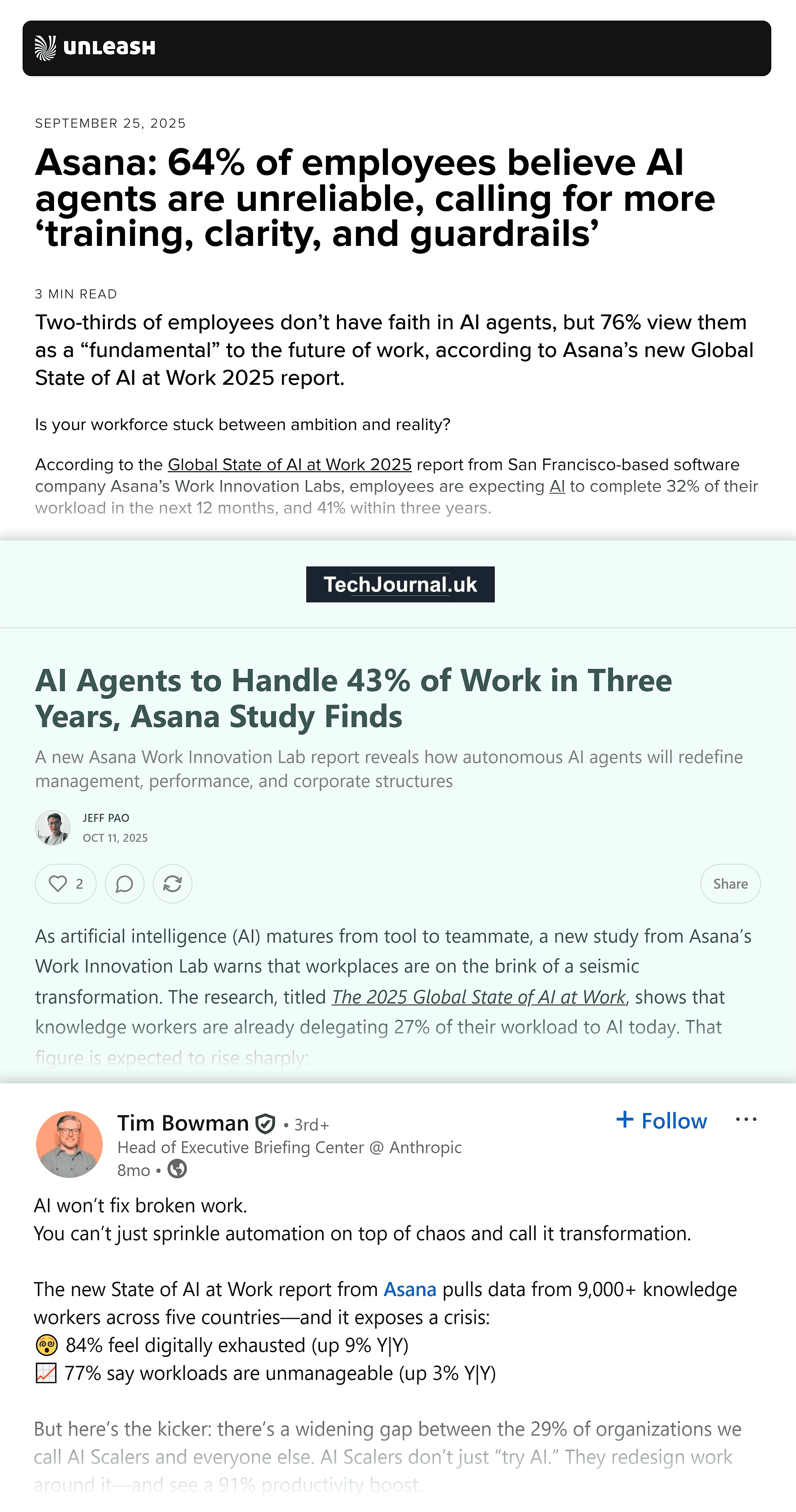
Original research remains one of the most effective ways to earn persistent brand mentions. By conducting proprietary studies on hotly debated industry topics, brands create primary sources that others must cite. When packaging research for citation, clarity, structured formatting, and downloadable datasets ensure that journalists, bloggers, and industry practitioners can easily reference your findings.
2. Partner with Complementary Brands
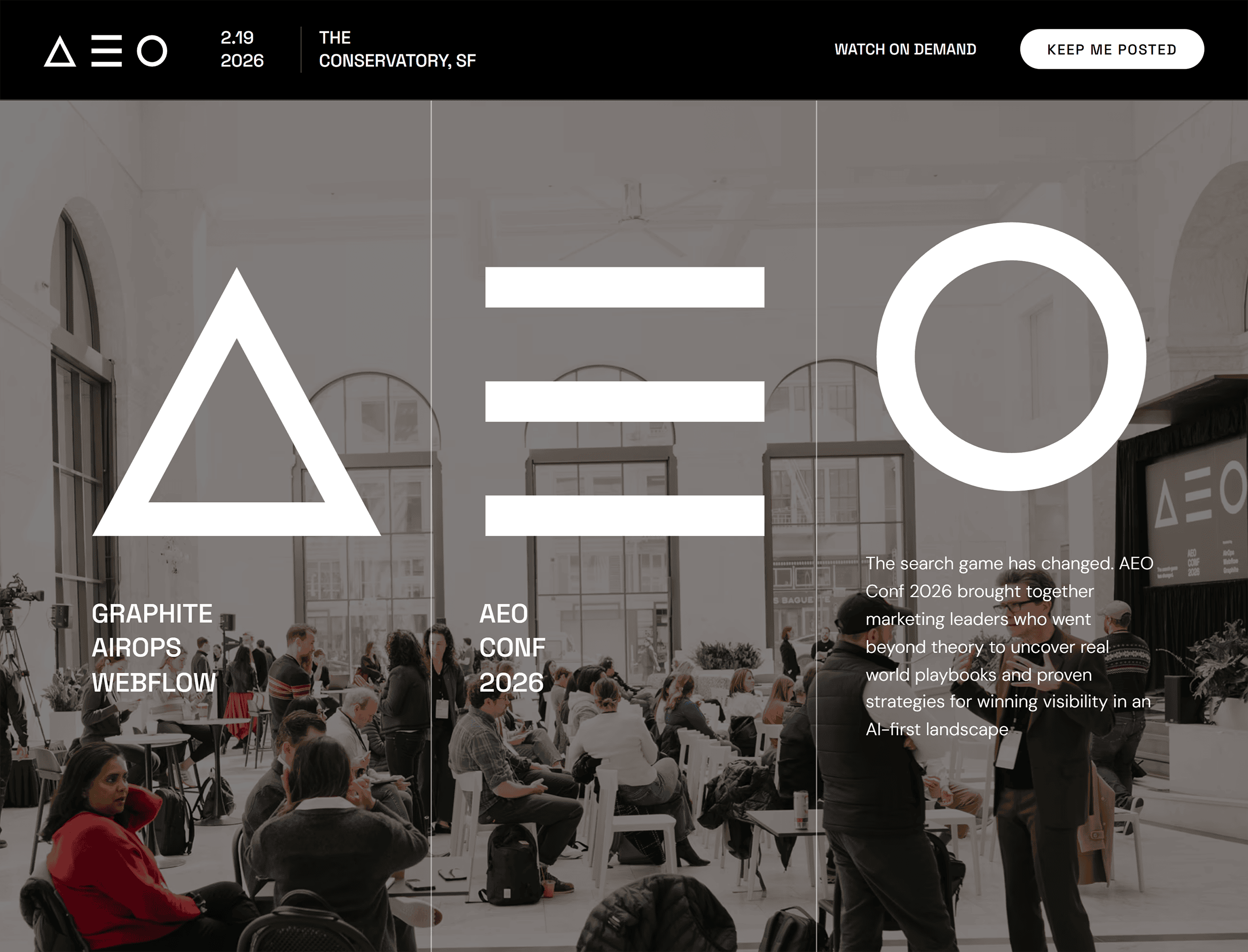
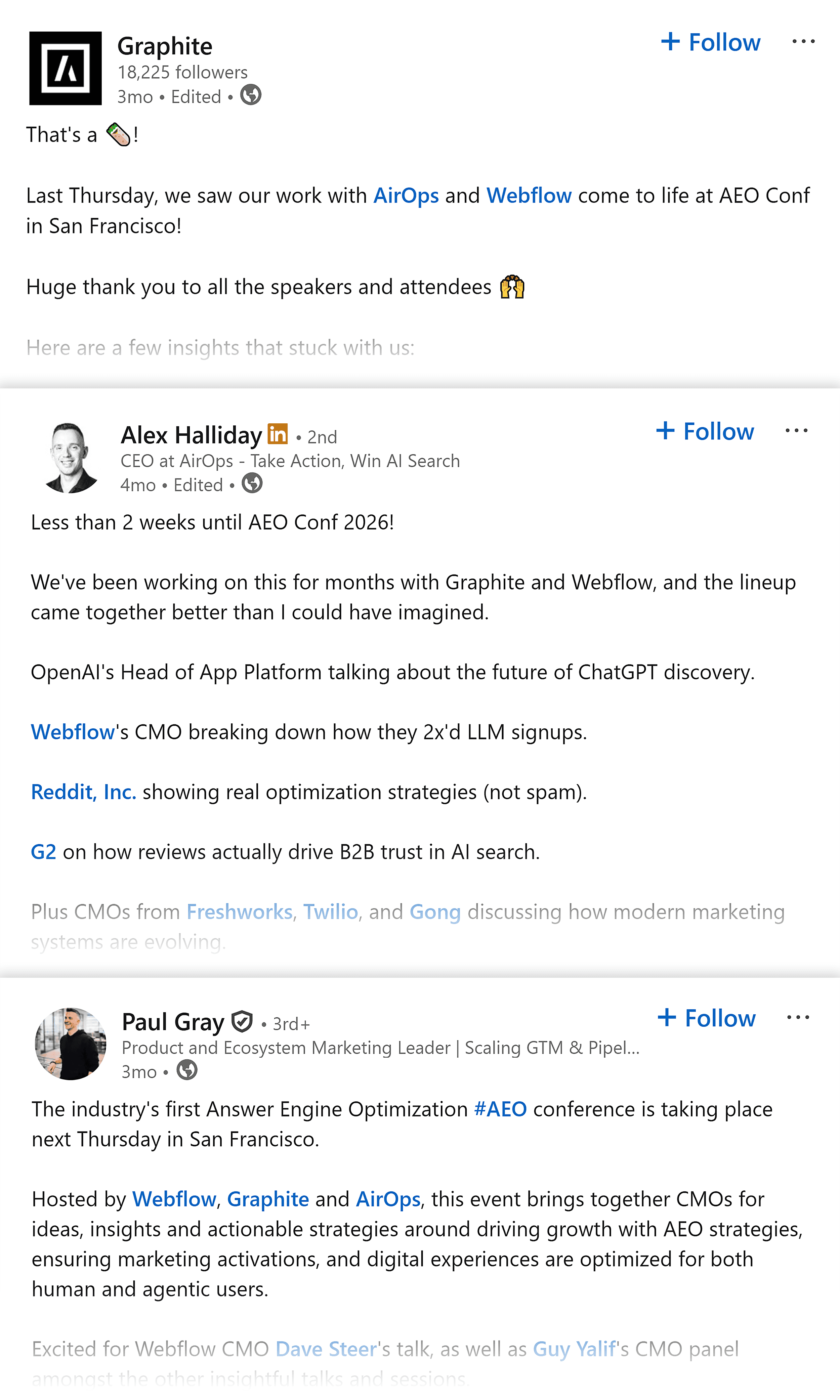
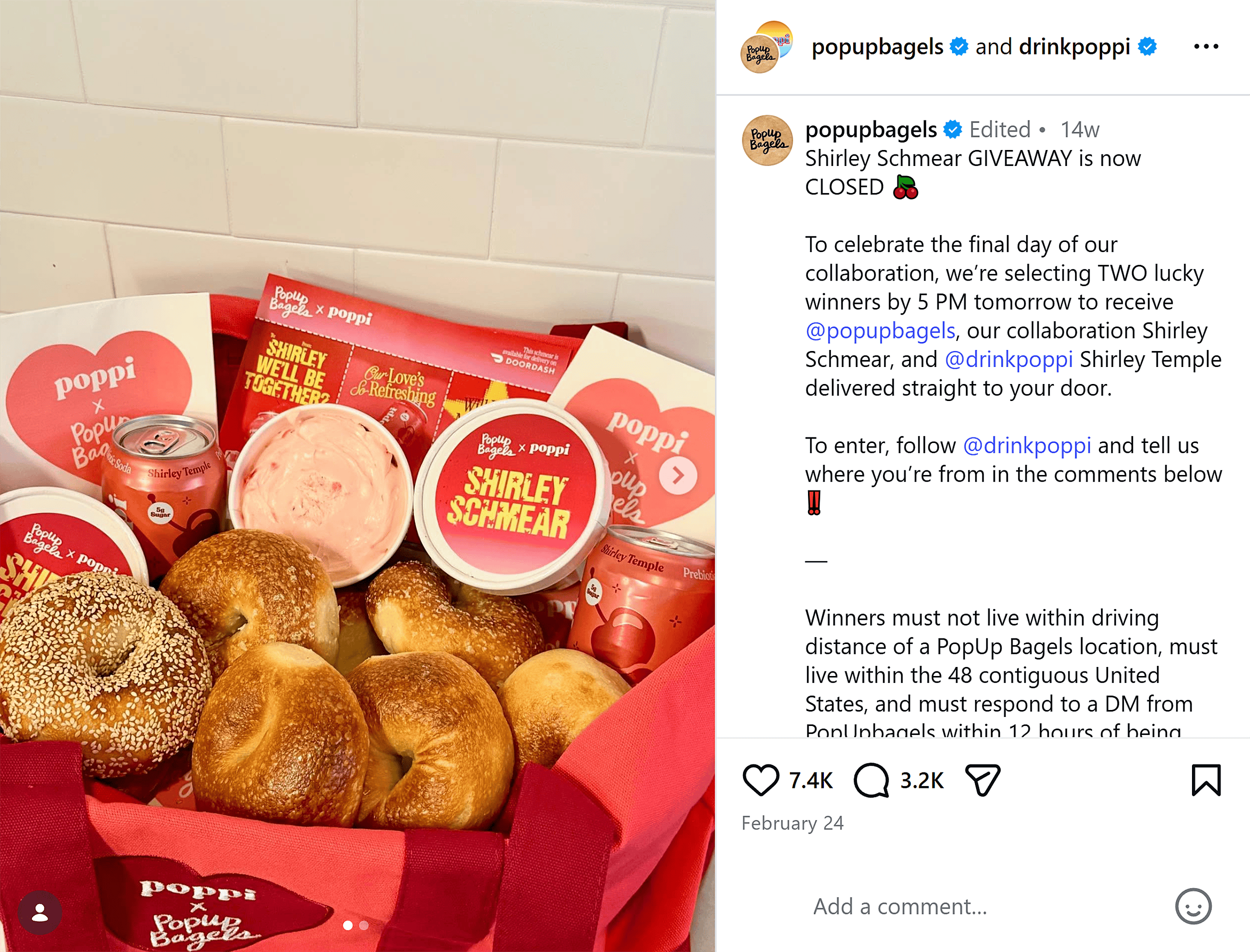
Co-creating assets, events, or campaigns with non-competing brands targeting the same audience creates immediate co-occurrence. Whether through joint webinars, co-branded products, or shared digital PR initiatives, these partnerships ensure your brand is consistently mentioned alongside industry peers, teaching LLMs to associate your business with key topical categories.
3. Feature Other Brands and Experts
Inclusivity in content marketing breeds distribution. By incorporating expert roundups, benchmark commentary, or podcast interviews featuring industry leaders, you give contributors a built-in incentive to share your content with their extensive networks. A feature that places an expert’s insight at the core of your piece generates organic, high-value amplification.
4. Contribute Subject Matter Expertise via Digital PR
Rather than pitching promotional company news, executives and subject-matter experts should pitch actionable playbooks, industry frameworks, and unique perspectives to podcasts, trade publications, and newsletters. Appearing on platforms heavily frequented by your core audience builds deep contextual authority across diverse media channels.
Implications: Tracking, Measuring, and Reporting ROI
As brand mentions become central to organic visibility and AI optimization, marketing leaders must adapt how they track and report performance to executive boards. Relying on a single metric is no longer sufficient. A robust measurement framework utilizes three complementary avenues:
Google Alerts & Manual Audits: Ideal for tracking daily brand name, product, and executive mentions across news outlets, though supplemental weekly manual searches are required to catch community forums and niche subreddits.
Social Listening Tools: Platforms like Semrush Brand Monitoring or Brandwatch track cross-platform conversations, allowing teams to analyze sentiment shifts, mention volume spikes, and geographical distribution.
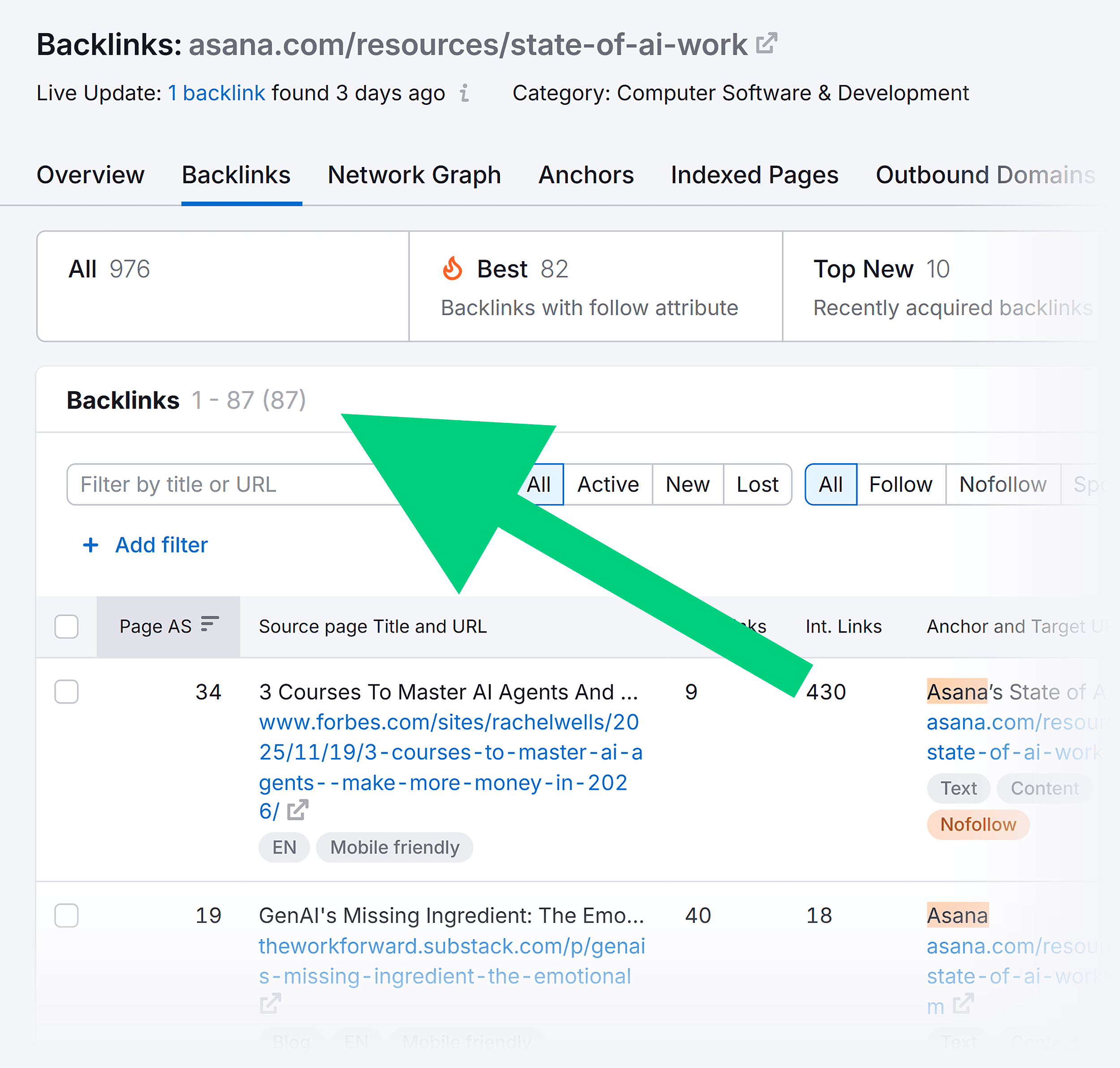
Backlink and Mention Analytics: Utilizing backlink analytics filtered by brand-name anchor text allows companies to monitor precisely which domains are linking to their brand name organically, tracking the expansion of their digital footprint over time.
Framing the Report for Leadership
When presenting these findings to stakeholders, avoid focusing solely on raw volume. Instead, frame the narrative around quality, context, and reach.
A successful executive summary might state:
"This quarter, our brand earned 42 new citations across 30 unique domains, including tier-one industry publications. Positive sentiment increased by 14%, directly correlating with our co-branded research release and executive podcast features, substantially strengthening our entity profile within major AI search engines."
Conclusion
Brand mentions are the modern digital equivalent of word-of-mouth trust. By shifting focus from insular on-page optimization to a comprehensive strategy of authority-building, co-occurrence, and digital PR, businesses can ensure they are not only indexed by search engines, but actively recommended by the AI tools shaping the future of digital discovery.