Main Facts
The modern digital landscape is often defined by a paradox: while technology connects people across continents instantly, societal isolation has reached historic highs. Amidst this backdrop of digital saturation and economic uncertainty, the WordPress open-source ecosystem continues to thrive not just as a piece of software powering over 40% of the web, but as a vibrant, human-centric global community.
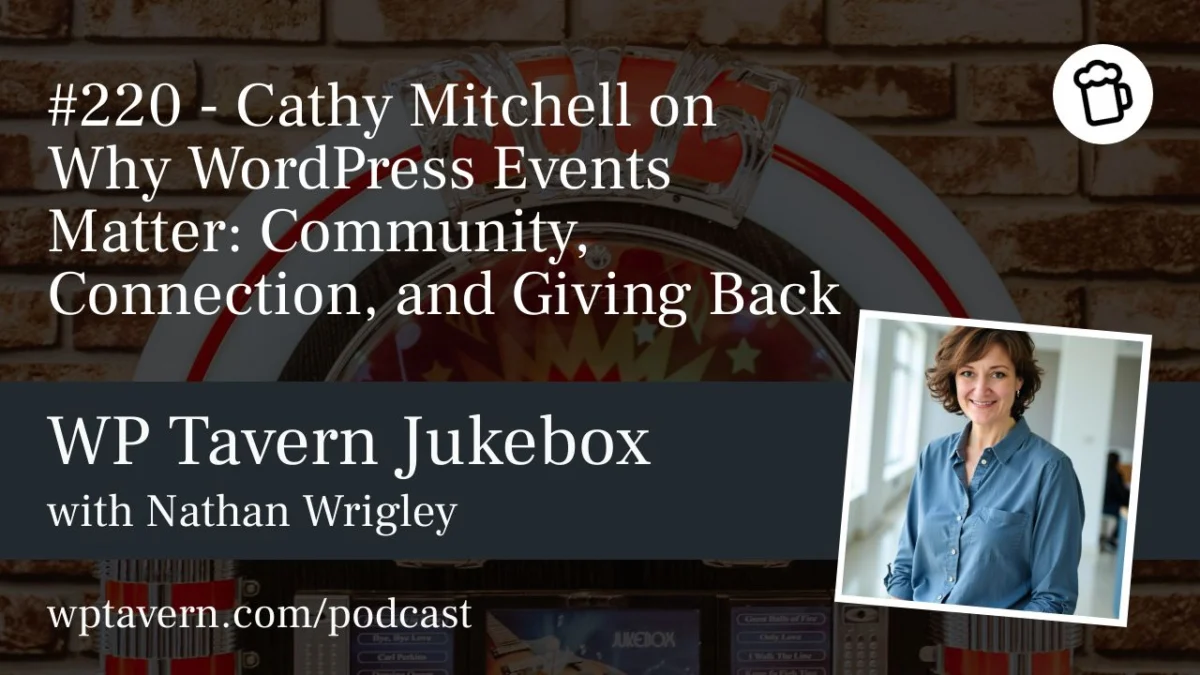
In a recent episode of the Jukebox Podcast from WP Tavern, host Nathan Wrigley sat down with veteran WordPress developer, business owner, and upcoming WordCamp Canada lead organizer Cathy Mitchell. Their wide-ranging conversation explored the intrinsic value of community involvement, the evolving motivations behind corporate sponsorships, the modern epidemic of loneliness, and the critical importance of engaging the next generation in open source.
Mitchell, who has worked within the WordPress space since 2007, shared her transition from a relative newcomer seeking answers on support forums to leading one of the most prominent national tech events in the WordPress calendar. The dialogue sheds light on why open-source communities offer a unique, low-barrier environment for collaboration that starkly contrasts with traditional corporate structures.
Chronology: From Maternity Leave to WordCamp Leadership
Cathy Mitchell’s journey into the WordPress ecosystem began organically nearly two decades ago.
- 2007–2008: Mitchell first encountered WordPress during her maternity leave as a fun personal project. Lacking formal knowledge of PHP, HTML, or even the broader structural concepts of the internet, she turned to the WordPress support forums, where foundational community members patiently answered her queries.
- 2008: Recognizing the commercial viability of her newfound skills, Mitchell launched WPBarista, transforming her hobby into a full-fledged business. For years, her engagement remained primarily commercial and pragmatic, driven by direct business needs while she raised a young family.
- 2024: Following major life transitions, including becoming an "empty nester," Mitchell sought meaningful ways to invest her free time. Prompted by an invitation from the Canada Slack channel to help with regional events, she quickly stepped into a core organizing role.
- 2025–2026: After successfully contributing to local and regional organizing efforts, Mitchell accepted the position of lead organizer for WordCamp Canada 2026, pivoting her focus heavily toward building sustainable, welcoming communities and bridging the gap between corporate sponsorship and altruistic open-source contributions.
Supporting Data: The Loneliness Epidemic and the Value of Altruism
The discussion on Jukebox intersected heavily with broader socio-economic trends, particularly the shifting psychological impacts of technology and isolation.
- The Loneliness Crisis: Referencing public health data, Mitchell highlighted a 2023 report by the U.S. Surgeon General, which declared a loneliness epidemic. The report noted that isolation carries health impacts equivalent to smoking 15 cigarettes a day. Strikingly, younger demographics report the highest levels of isolation, with 79% of 18-to-24-year-olds reporting feelings of loneliness, compared to roughly 41% of those aged 66 and older.
- The Antidote of Service: Both Wrigley and Mitchell pointed to informal research and personal experience indicating that two primary indicators of human happiness are regular social interaction and altruistic giving—actions performed without the expectation of a financial or transactional return.
- Corporate Sponsorship Realities: As the broader tech sector grapples with economic tightening, inflation, and the disruptive arrival of AI technologies, corporate wallets have become harder to open. Sponsoring open-source projects requires a clearer justification, pushing event organizers to demonstrate how community health directly correlates with the longevity and stability of commercial enterprises built on WordPress.
Official Perspectives: Navigating Corporate ROI Versus Open-Source Altruism
A core tension explored in the podcast is the dual nature of the WordPress ecosystem: a multi-billion-dollar commercial market operating alongside a deeply entrenched volunteer-driven open-source ethos.
The Newcomer’s Shock
Mitchell contrasted her early expectations of corporate bureaucracy with the reality of volunteering in the WordPress community. In traditional corporate environments, newcomers must often navigate layers of red tape, proving themselves through marginal tasks before earning trust. In contrast, the WordPress community operates on a default philosophy of "saying yes" to willing volunteers.
"There is a lot of red tape in the corporate world before they let you do anything meaningful… Like you have to sweep the floors for a whole long time," Mitchell observed. "This was remarkable… We have to say yes, like it’s part of the culture is, if people volunteer, we have to find a way to say yes."
Redefining Corporate Sponsorship
For business owners and agency sponsors, the justification for funding events like WordCamps has evolved. Beyond direct marketing exposure to agency owners, active sponsorship serves a vital operational purpose: talent acquisition and vetting. Companies that visibly support open-source infrastructure find it easier to attract skilled, culturally aligned talent, creating a symbiotic relationship where financial investment feeds back into the health of the platform upon which their businesses rely.
Implications for the Future of WordPress and Open Source
As the WordPress project navigates a transitional era marked by market saturation, increased competition, and the rise of artificial intelligence, the human element remains its strongest asset.
Engaging the Next Generation
Both Wrigley and Mitchell emphasized that the long-term survival of open source depends heavily on introducing younger demographics to collaborative communities. Educational initiatives, such as university credit programs (Campus Connect) and school-level outreach, are becoming critical infrastructure. By integrating open-source contribution into academic pathways, the community can ensure a steady influx of fresh perspectives.
The Resiliency of Open Source in the Age of AI
With proprietary platforms and paywalls increasingly dominating the digital consumption habits of Gen Z, open-source projects offer a transparent, decentralized alternative. Mitchell argues that open source and AI represent a powerful pairing for the future, provided that communities remain open, accessible, and welcoming.
Overcoming Industry Fear
While economic pressures and industry shifts have introduced a degree of uncertainty and anxiety among long-time contributors, the fundamental human desire for connection, shared purpose, and camaraderie continues to sustain the ecosystem. Events like WordCamp Canada serve as physical anchors against digital isolation, proving that the true value of WordPress extends far beyond code and commerce into genuine human enrichment.
For those interested in exploring the human side of WordPress, listening to the full conversation, or connecting with Cathy Mitchell, visit WP Tavern or check out the latest updates at Canada WordCamp.