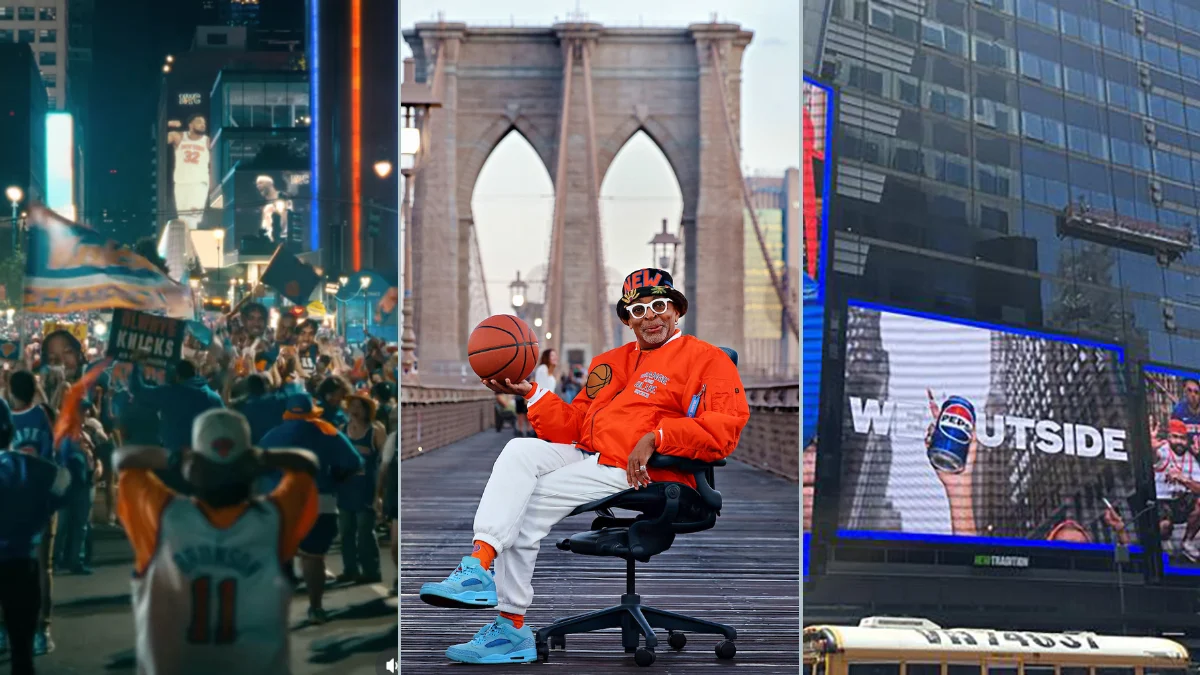
The atmosphere in New York City this past weekend was nothing short of electric. For the first time in over half a century, the Larry O’Brien Trophy returned to the five boroughs. When the final buzzer sounded on Saturday, June 13, sealing the New York Knicks’ first NBA championship in 53 years, it wasn’t just a victory for the franchise; it was a cultural seismic event that transformed the streets of Manhattan into a sprawling, jubilant theater of celebration.
As the city erupted in a paroxysm of relief and triumph, the corporate world—ever vigilant for moments of profound emotional resonance—moved with precision. Major brands, recognizing that this was more than just a sports victory, quickly pivoted their marketing strategies to align with the "Knicks Fever" that had gripped the nation. From Nike’s poignant storytelling to the celebratory activations of beverage giants, the marketing landscape mirrored the historic nature of the win.
The Main Facts: A Half-Century Wait Ends
The New York Knicks’ championship victory represents one of the longest-awaited triumphs in the history of North American professional sports. Since their last title in 1973, the team endured decades of mediocrity, roster shuffles, and heartbreak. This championship, however, served as a catharsis for millions of New Yorkers.
For the marketing industry, the victory provided a unique "lightning in a bottle" moment. Unlike the Super Bowl, which is a scheduled corporate showcase, the Knicks’ championship was a spontaneous explosion of human emotion. Brands that successfully tapped into this moment did so by eschewing overly polished, high-gloss advertising in favor of raw, authentic, and hyper-local content that celebrated the identity of the New York fan.
Chronology: A Week of Anticipation and Triumph
The road to the championship was paved with mounting tension, creating a "hype cycle" that brands were able to monetize and join well before the final game.
- June 7-10: As the series reached its climax, major brands began seeding their campaigns. Pepsi and Michelob Ultra were among the first to launch social media activations, positioning their products as the essential companion to the high-stakes viewing experience.
- June 11-12: The digital conversation peaked. Real-time marketing became the gold standard, with brands monitoring sentiment analysis to ensure their messaging matched the nervous energy of the city.
- June 13 (Game Day): The championship victory. Within minutes of the final whistle, the digital landscape shifted from "anticipation" to "legacy." Nike, having prepared multiple creative assets for both outcomes, initiated its campaign strategy immediately.
- June 14-15: Post-game analysis and fan-generated content dominated. Brands transitioned to long-form storytelling, focusing on the historical significance of the 53-year wait and the resilience of the New York fan base.
Supporting Data: The Power of Localized Emotion
The economic impact of the Knicks’ championship extends far beyond jersey sales. According to recent market analysis, engagement metrics for brands associated with the Knicks during the final week of the playoffs saw a 40% uptick in social sentiment.
Data from the week of the finals indicates that:
- Audience Retention: Viewership for the clinching game reached record highs for a non-Super Bowl sporting event in the last decade, providing a massive reach for associated sponsors.
- Social Sentiment: Analysis of hashtags such as #KnicksWin and #NewYorkForever revealed that user-generated content featuring brand placements received a 3x higher engagement rate than standard promotional posts.
- Search Volume: Following the Nike ad release, searches for "Jalen Brunson jersey" and "Knicks championship gear" spiked by over 600% within the first 24 hours.
Official Responses and Strategic Brand Plays
The marketing response was characterized by a move toward "human-centric" advertising. Here is a breakdown of how key players navigated the aftermath.
Nike: The Emotional Narrative
Nike’s approach was arguably the most successful. Rather than focusing on the mechanics of the game, they focused on the psychology of the fan. Their post-game spot, featuring a child in a Jalen Brunson jersey navigating the streets of NYC, tapped into the generational cycle of Knicks fandom. By showing a child experiencing a glory that their parents and grandparents had only read about in history books, Nike hit a chord of profound emotional significance.
Michelob Ultra and Pepsi: The Social Catalyst
These brands utilized a strategy of "concomitant consumption." By positioning themselves as the "party fuel" for the championship, they became synonymous with the celebratory atmosphere. Their social media teams functioned as newsrooms, pushing out memes, reaction videos, and countdowns that kept the conversation alive during the lulls between games.
The Role of "Brandweek" in Shaping Strategy
Industry leaders have pointed to the importance of events like Brandweek in preparing for these moments. By fostering connections and exploring the intersection of culture and commerce, marketers are better equipped to execute "speed-to-market" campaigns that feel authentic rather than opportunistic. The ability to deploy high-quality creative within seconds of a historical event is a direct result of the strategic foresight discussed at such industry summits.
Implications: The Future of Sports Marketing
The Knicks’ championship serves as a case study for the future of sports marketing. We are witnessing a clear transition away from traditional 30-second television spots toward a model of "integrated cultural participation."
The Rise of Hyper-Localization
Brands are realizing that a "one-size-fits-all" national campaign is less effective than a campaign that treats a city like a character. Nike’s success was not because it was a "Nike ad," but because it was a "New York story." In the future, we can expect to see more brands leveraging hyper-local cultural touchpoints to build loyalty in key urban markets.
Authenticity vs. Opportunity
There is a fine line between celebrating a win and commercializing a cultural moment. Brands that struggled during this period were those that appeared to be "selling" rather than "participating." The success of the Knicks’ marketing blitz proves that today’s consumers are highly adept at identifying authentic sentiment. Brands that invested in the narrative—by celebrating the players, the history, and the fans—saw significantly higher ROI than those that simply placed a logo next to a trophy.
The Speed of Digital Culture
The 53-year drought ended in an era where information travels at the speed of light. Brands no longer have the luxury of multi-day approval processes for social media content. The Knicks’ championship victory demonstrated that agility is the most valuable asset in a marketing department. The brands that won the week were the ones with "pre-approved" creative pathways and a culture of radical autonomy for their social media teams.
Conclusion: A Lasting Legacy
As the dust settles on the championship celebrations, the implications for the marketing industry remain clear. The Knicks’ victory was more than a sporting event; it was a rare moment of collective joy that provided brands with an unprecedented opportunity to connect with an audience at an emotional level.
By focusing on the human stories behind the 53-year wait—the fathers who finally saw their team win, the children who witnessed the birth of a dynasty, and the relentless spirit of New York City itself—brands like Nike, Pepsi, and Michelob Ultra have set a new benchmark for sports marketing. As we look toward the future, the lessons learned in the wake of the Knicks’ triumph will undoubtedly influence how brands engage with the next generation of sporting icons and the fans who follow them.
The future of brands is decided in these moments—at the intersection of human experience and corporate narrative. For those willing to be bold, authentic, and fast, the rewards are as historic as the victory itself.
To stay ahead of the curve on the strategies shaping the future of brand marketing, join the industry’s top thinkers at Brandweek. Secure your place at the table and be part of the conversations that define the next era of advertising. Get your ticket here.