In the modern digital landscape, the technical foundations of blogging—SEO optimization, keyword density, and site speed—are no longer competitive advantages; they are merely the baseline requirements for entry. Countless content creators meticulously structure their posts and master their content management systems, yet they find their traffic plateauing and their engagement stagnant.
The missing variable in this equation is rarely technical. It is human. As digital noise reaches an all-time high, the differentiator that transforms a transient visitor into a loyal community member is personality. Readers do not return for the information alone—which can often be found elsewhere—but for the unique perspective, the voice, and the emotional resonance of the human behind the screen.
This article examines how ten elite bloggers have mastered the art of radical personalization, turning their platforms into influential brands.
The Anatomy of an Authentic Brand
To understand why some blogs achieve cult-like followings while others languish, we must look at the psychological connection between author and reader. Authenticity is the new currency of the internet. When a blogger injects their own identity into their work, they move from being a "content provider" to being a "trusted authority."
1. Visual Storytelling: The YTravel Approach
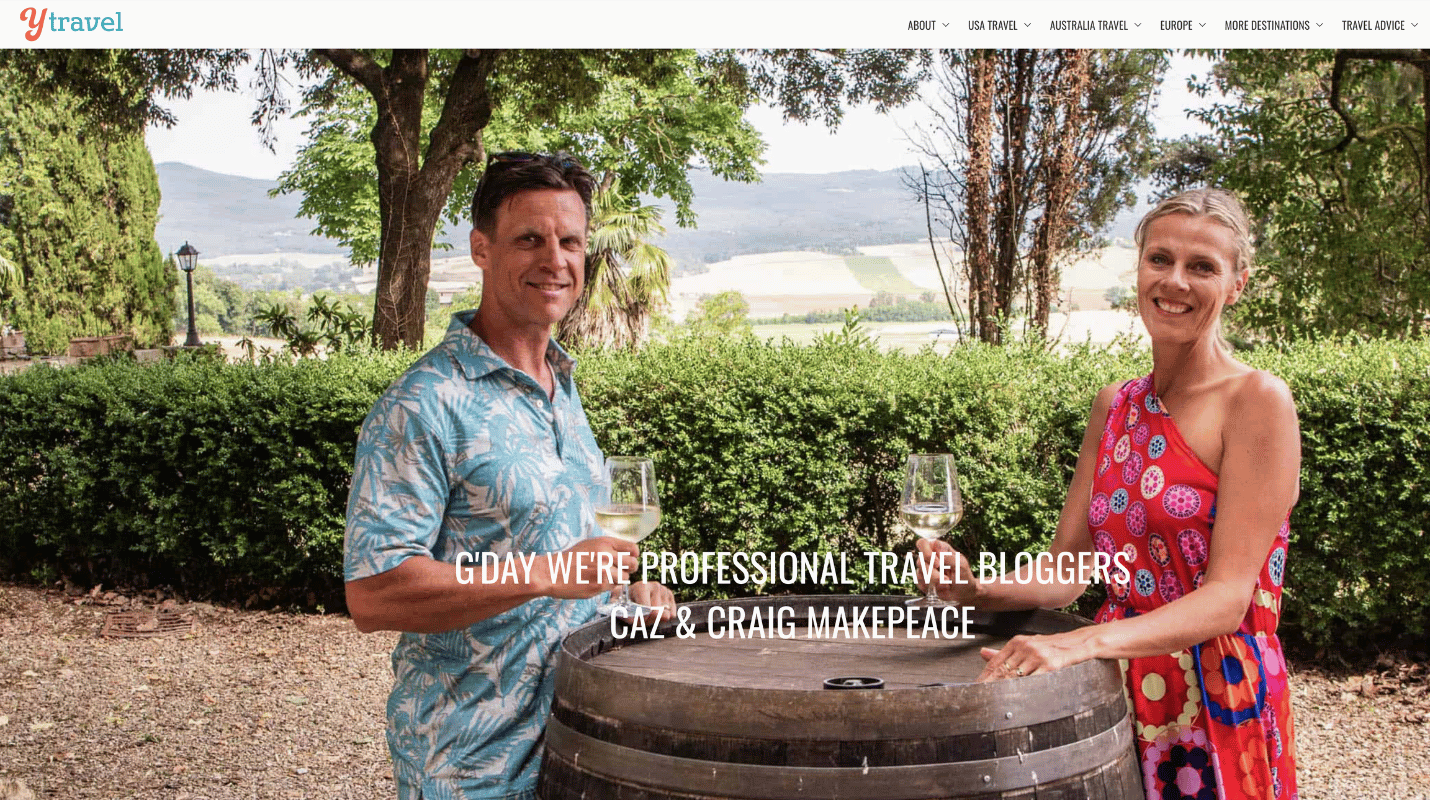
For niches like travel, food, or lifestyle, visual imagery is not a decorative choice—it is a core component of the value proposition. Caz and Craig of YTravel understand that their audience isn’t just looking for flight tips; they are looking for a lifestyle aspiration.
By integrating candid, high-quality photography of their family, they humanize their expertise. Whether it is a messy, relatable photo of kids during a flight or a polished portrait of a new destination, these visuals build trust.
- The Lesson: Use photography to provide a "behind the scenes" look at your life. Authenticity thrives in the cracks between the polished photos and the real-life moments.
2. Radical Self-Definition: Pat Flynn’s Personal Flair
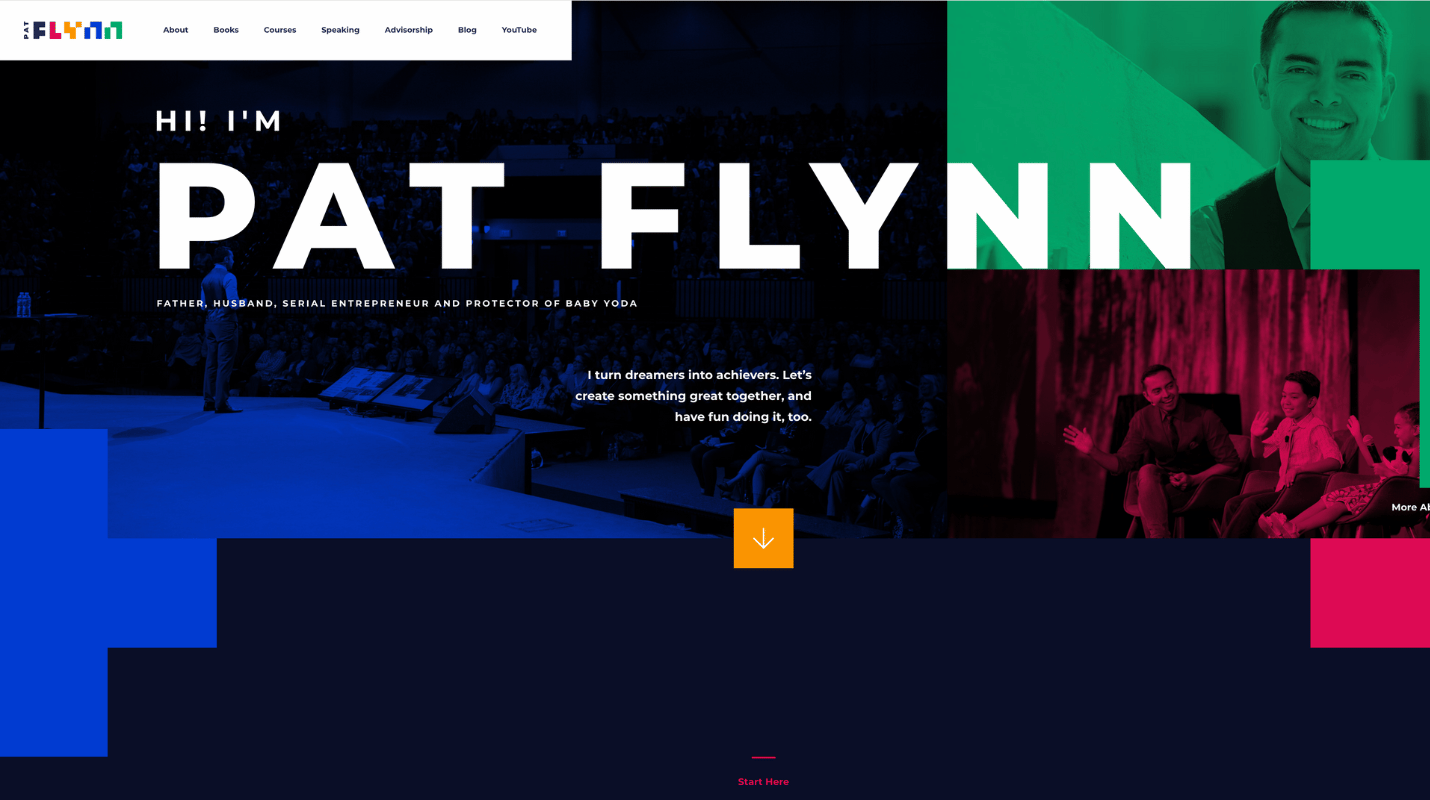
Pat Flynn, the force behind Smart Passive Income, demonstrates how to condense a multifaceted identity into a single, punchy headline. His site doesn’t just say "Business Coach." It explicitly states: "Father, husband, serial entrepreneur, protector of Baby Yoda."
This mix of professional credibility and whimsical personality signals to the reader exactly what kind of experience they are entering. It creates an immediate sense of familiarity, reducing the "corporate" feel of a business site and replacing it with a human one.
- The Lesson: Don’t be afraid to list your "human" traits alongside your professional titles. It makes your brand more relatable and memorable.
3. The Power of a Distinctive Voice
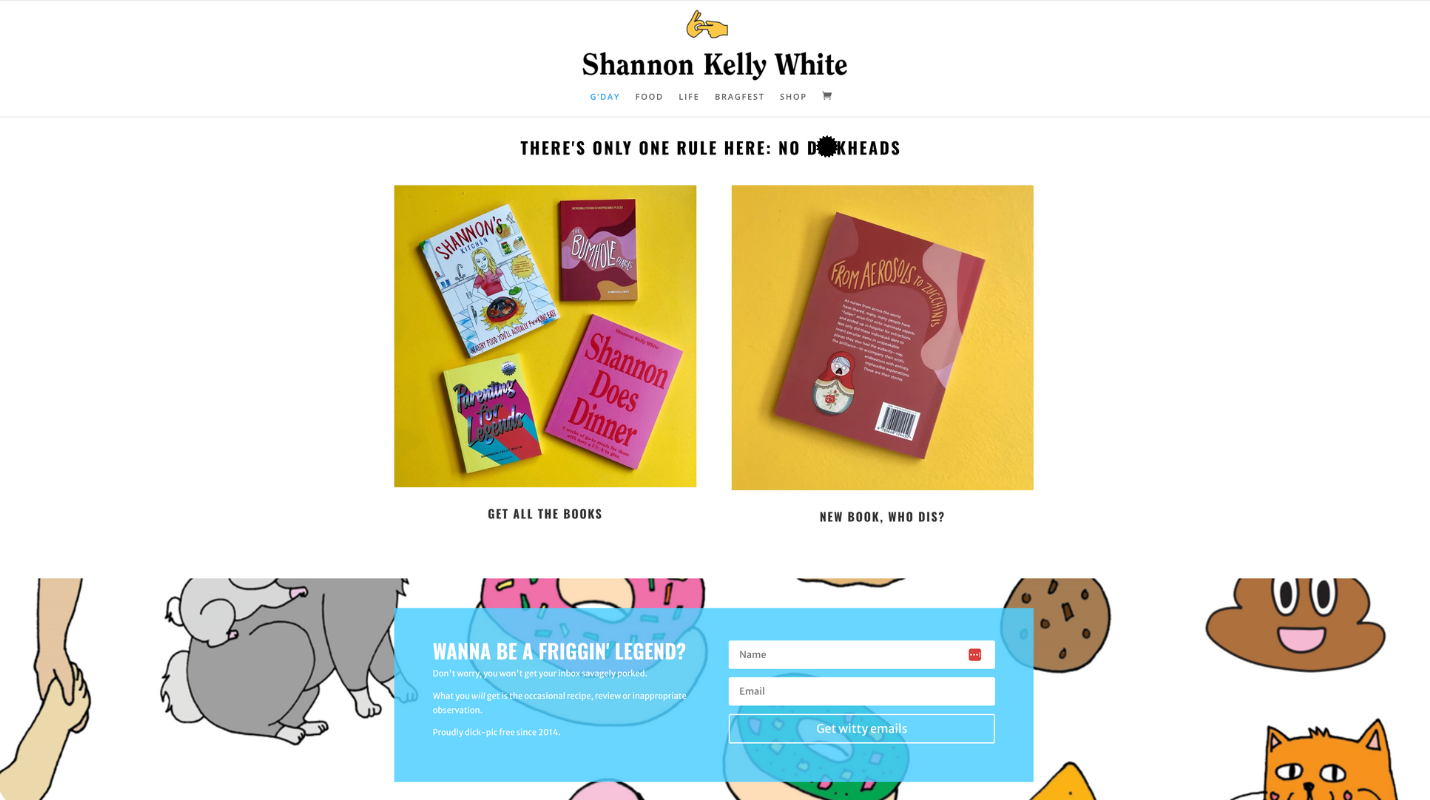
Shannon Kelly White takes a bold approach to branding through the use of an unapologetic, salty, and authentic tone. While some creators fear polarizing their audience, White embraces it. By using language that reflects her true personality, she ensures that those who resonate with her message become die-hard followers.
- The Lesson: A voice that appeals to everyone usually appeals to no one. Consistency in tone, even if it is "edgy," creates a strong, identifiable tribe.
Strategic Implementation: How to Weave Identity into Design
Personalization isn’t just about writing style; it is an architectural decision that must be reflected in the site’s layout and aesthetic.
4. Custom Illustrations: The "Blog Tyrant" Model
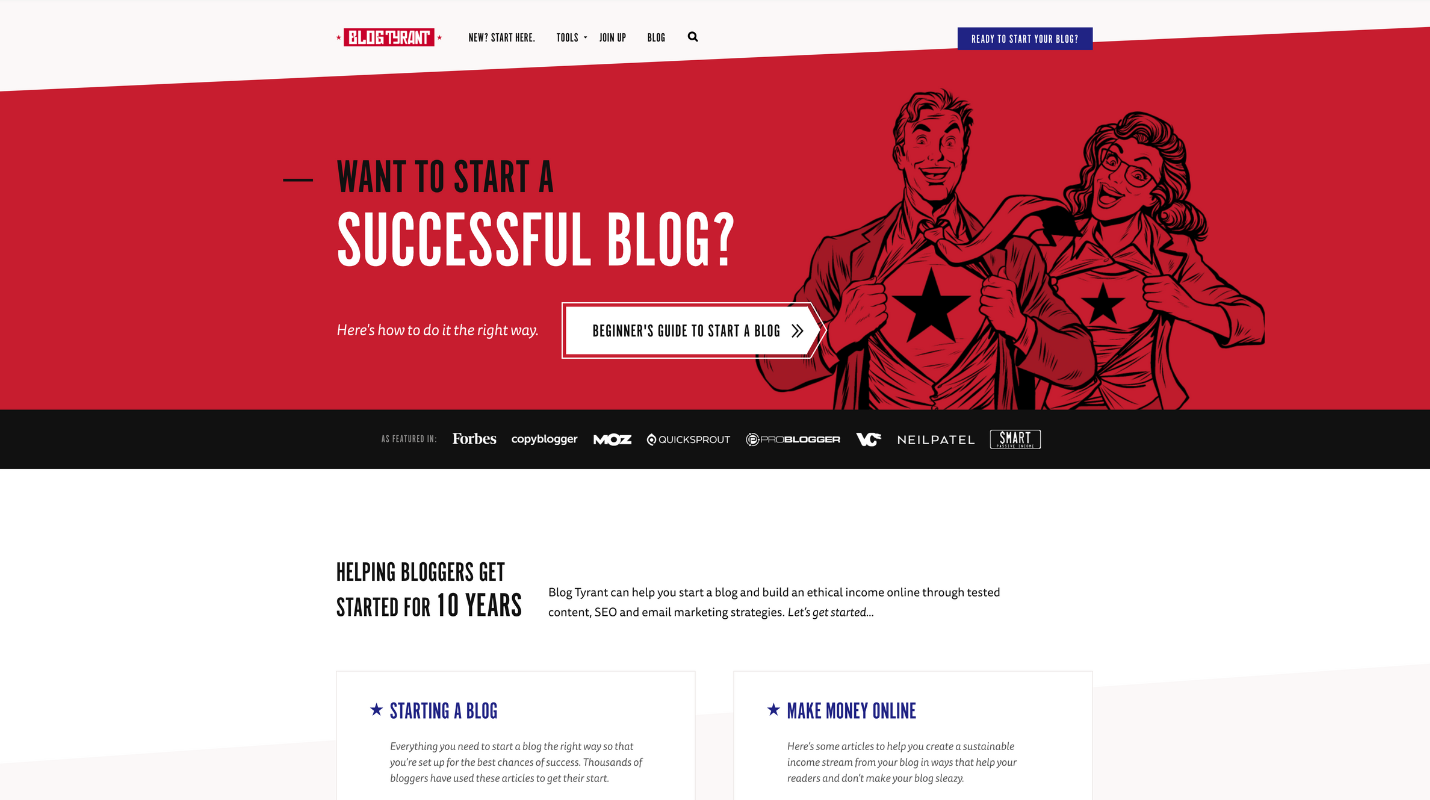
Ramsey, known as the Blog Tyrant, utilizes a consistent, custom-illustrated avatar. By using a superhero-style character across his site’s banner, feature images, and downloadable reports, he has created a visual shorthand for his brand. This prevents his site from feeling like a generic stock-photo gallery and turns it into a proprietary, branded universe.
5. The "About" Page as a Conversion Engine
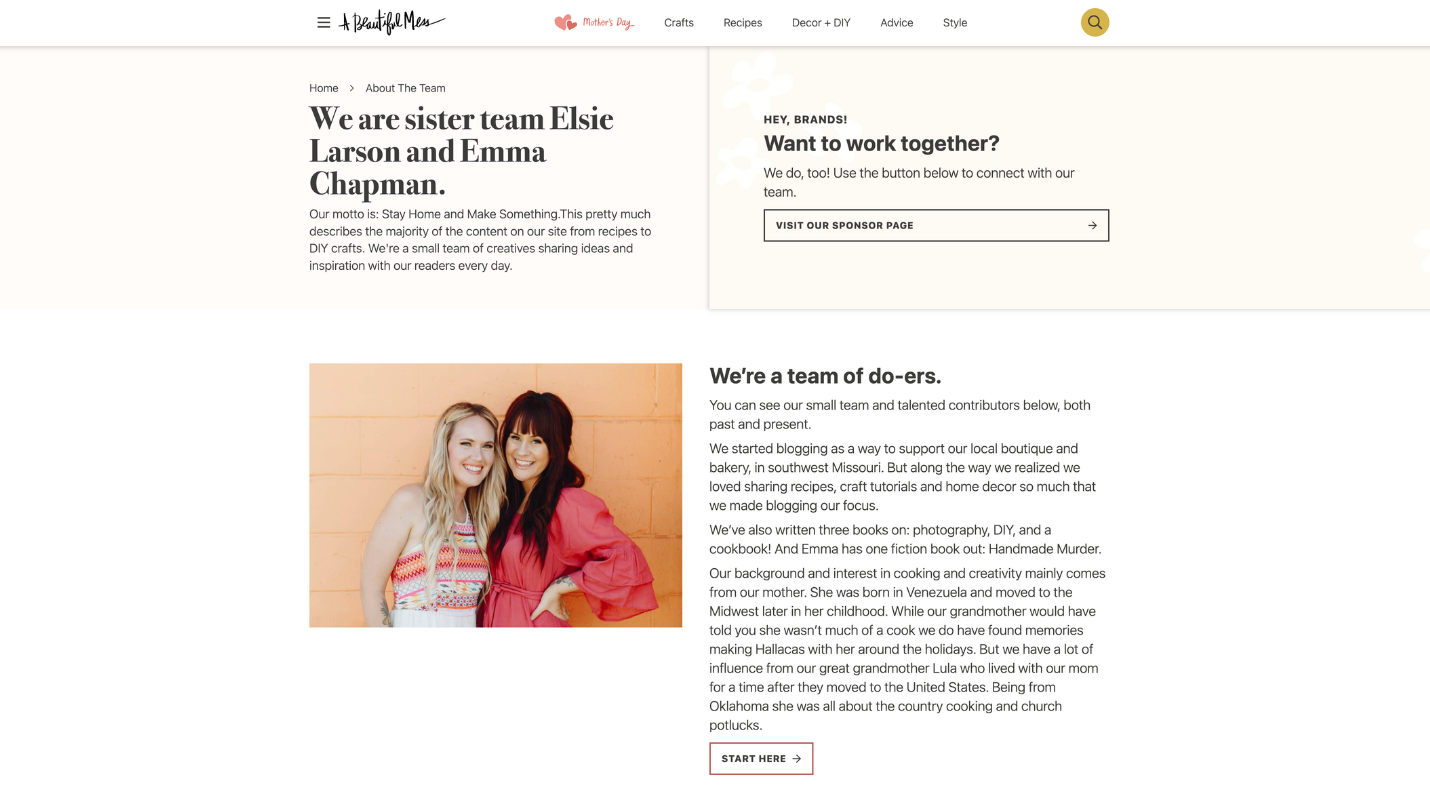
For many, the "About" page is an afterthought. For the sisters behind A Beautiful Mess, it is a cornerstone. They recognize that a reader who loves a post will inevitably click "About" to vet the author. By using bold, high-energy photos and a conversational, punchy bio, they satisfy the reader’s curiosity instantly.
6. Cross-Platform Brand Cohesion
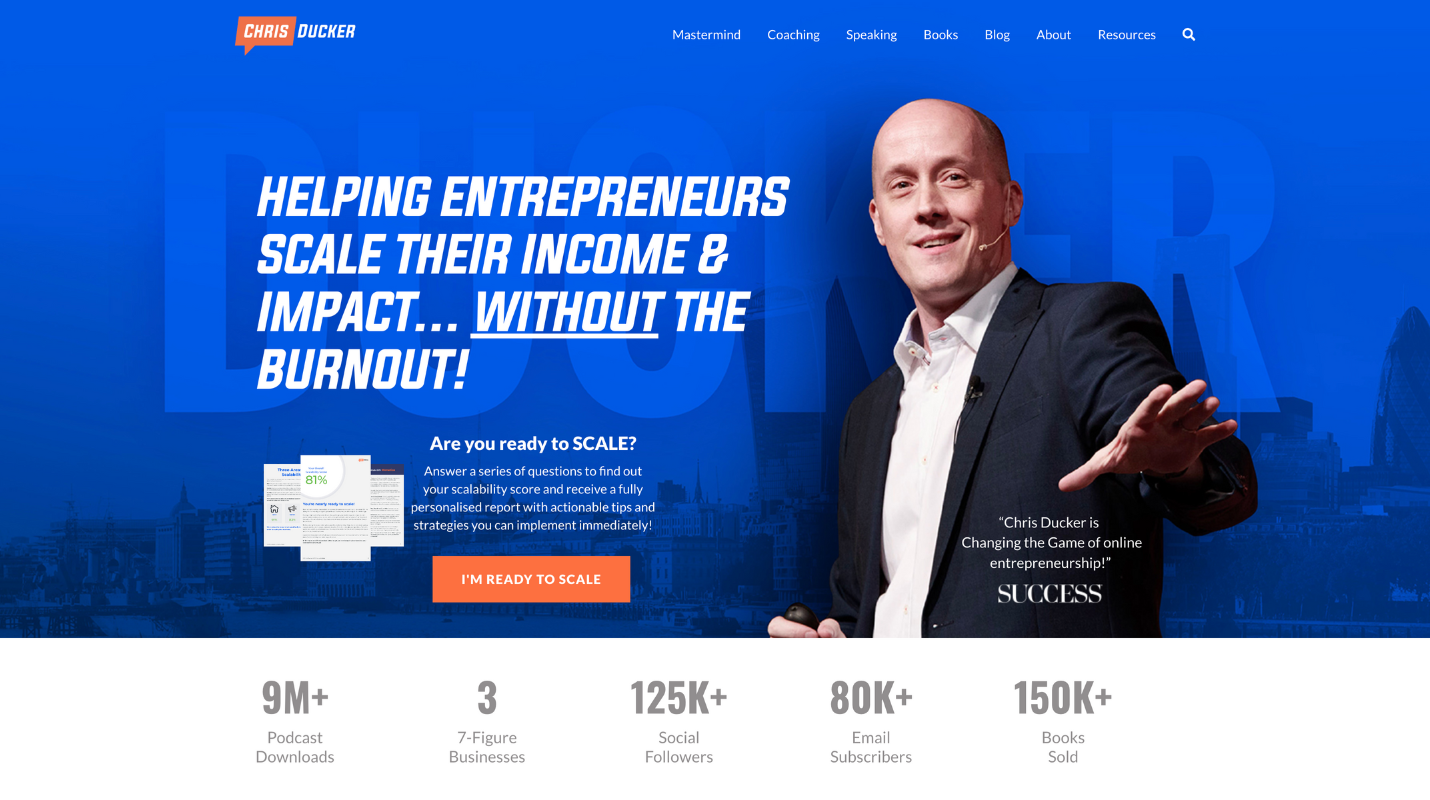
Chris Ducker serves as a masterclass in visual consistency. He utilizes the exact same headshot across his blog, LinkedIn, Twitter, and Facebook. This may seem trivial, but it creates a subconscious "pattern recognition" in the reader’s mind. When a reader sees that face, they immediately know the quality and tone of the content they are about to consume, regardless of the platform.
Data-Driven Personalization: The Technical Side of Being Human
Personalization can also be used as a tool to capture and convert data, shifting the visitor experience from passive to active.
7. Color Psychology and Brand Identity
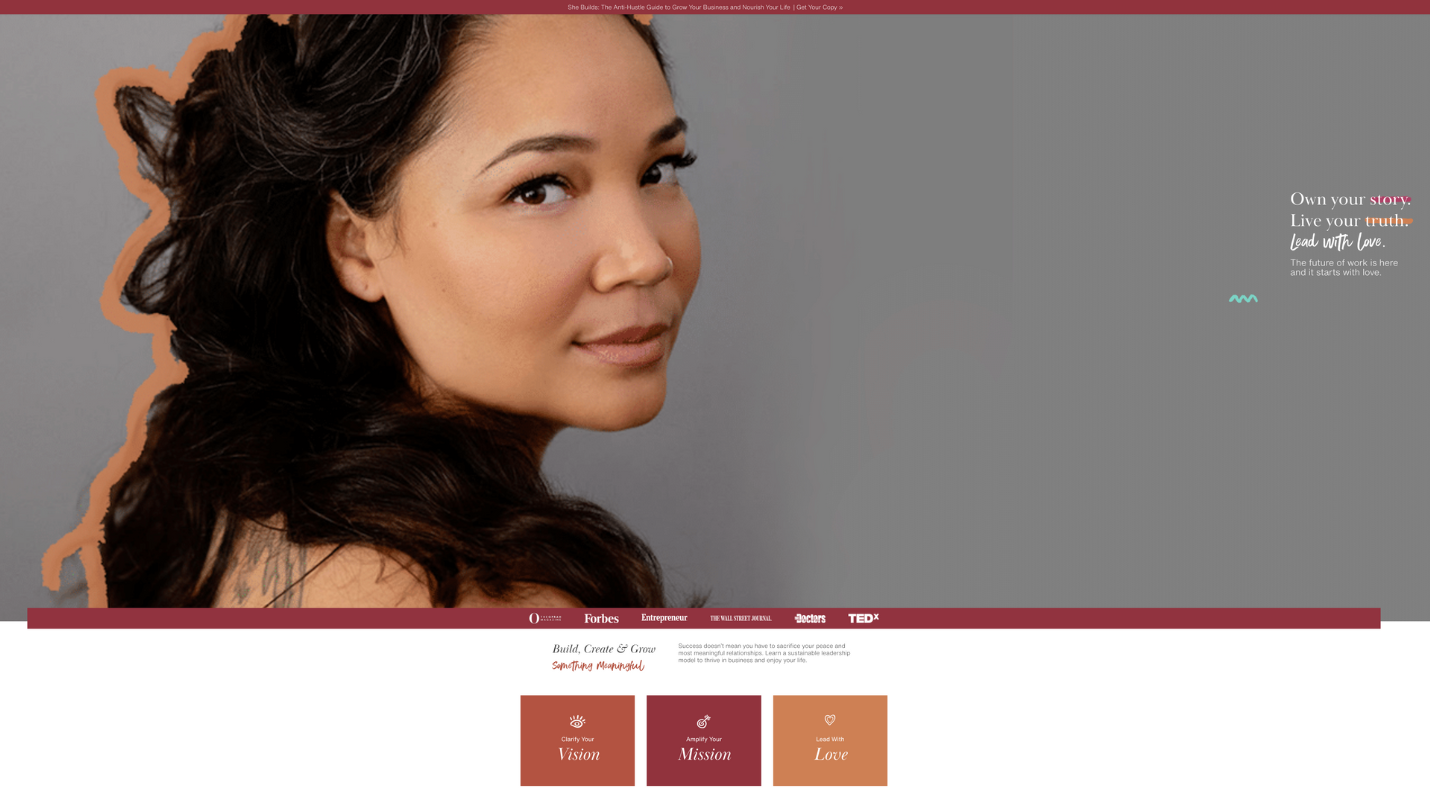
Jadah Sellner’s blog is a prime example of using color to dictate the "vibe" of a site. By ensuring her own clothing in her professional photos matches the color palette of her website, she creates a seamless, earthy, and warm aesthetic. It feels less like a website and more like a curated home.
8. The "Brand Statement" as a Filter
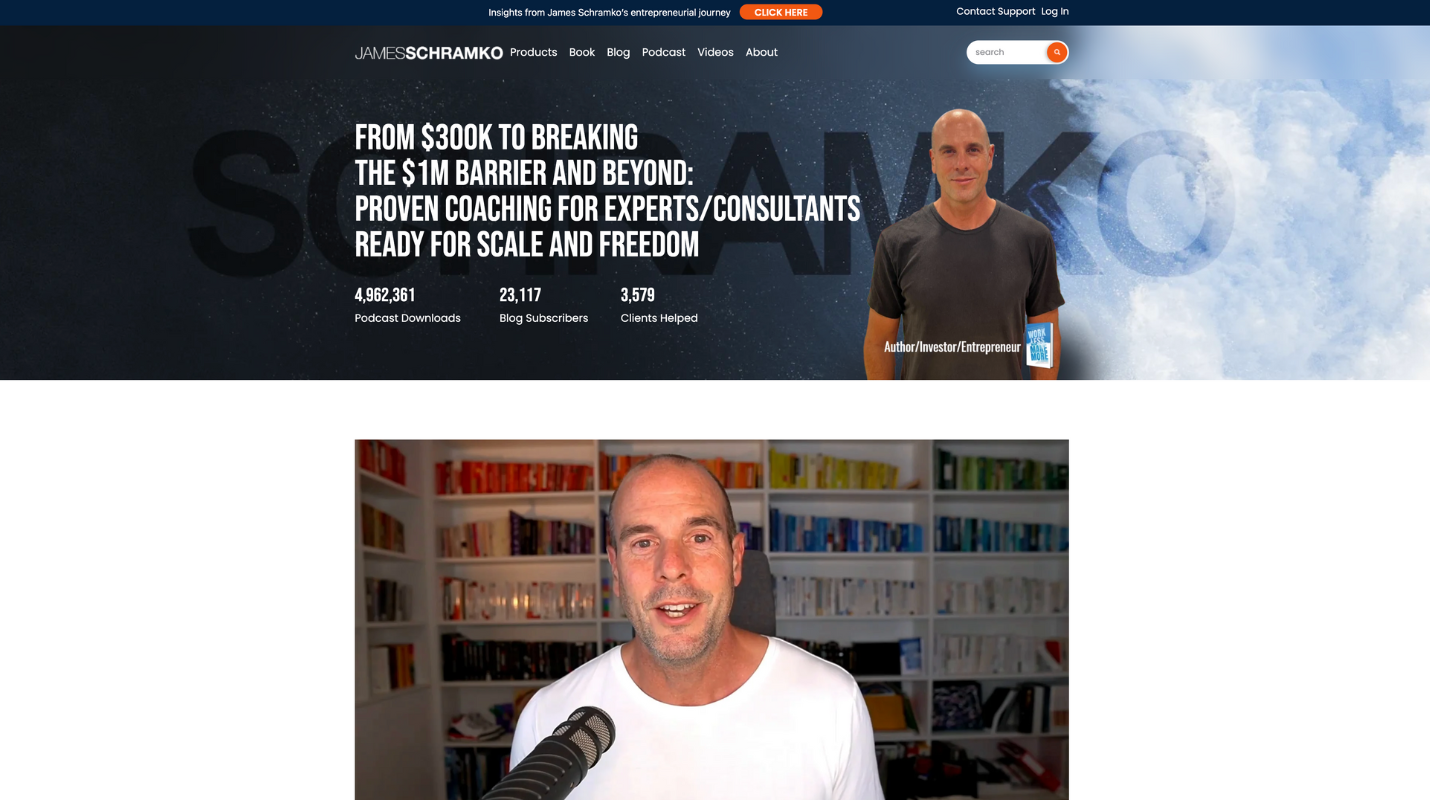
James Schramko of SuperFastBusiness doesn’t bury the lead. His site uses an explicit brand statement that identifies both his services and his ideal client immediately upon arrival. This is the ultimate form of personalization: tailoring your content to speak directly to the person you are best equipped to help.
9. Call-to-Action Efficiency
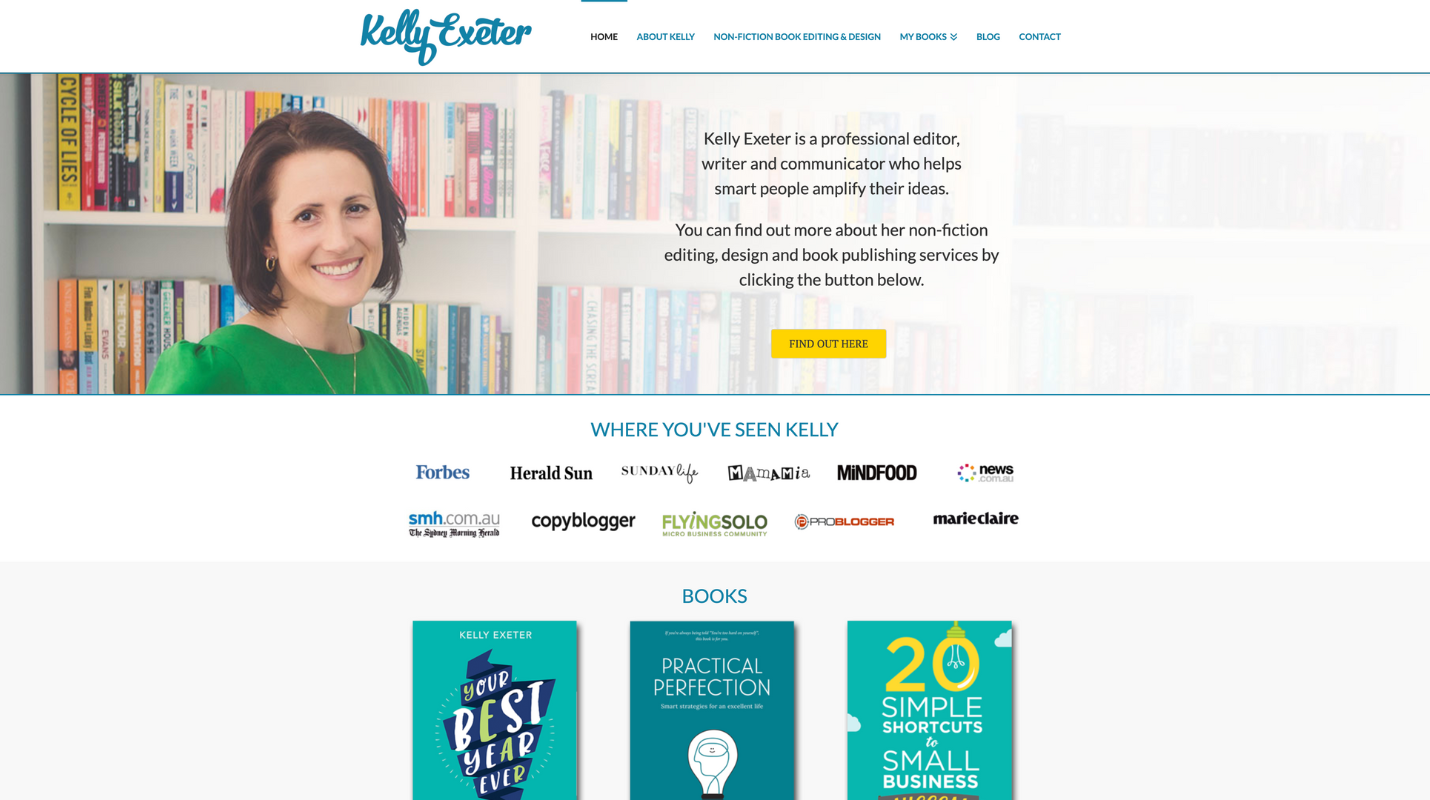
Kelly Exeter proves that you don’t need a complex marketing funnel to be effective. By using clear, direct taglines and simple "Find Out Here" buttons, she cuts through the digital clutter. She speaks directly to the reader’s needs, offering a solution without the friction of a long, drawn-out sales pitch.
10. Defining the Reader: The "Puttylike" Strategy
Perhaps the most sophisticated form of personalization is helping your readers define themselves. Emily at Puttylike identified a specific personality type—the "Multipotentialite"—and built a brand around it. By using a quiz as a lead magnet, she doesn’t just collect emails; she qualifies her readers by giving them a label that they can own.
Implications: The Future of Blogging
The evolution of these ten bloggers reveals a shifting trend in the creator economy: The death of the faceless blog.
As artificial intelligence begins to flood the web with generic, SEO-optimized text, the value of human-centric content will skyrocket. The implications for the industry are clear:
- Trust is the new SEO. Google’s E-E-A-T (Experience, Expertise, Authoritativeness, Trustworthiness) guidelines already favor content that demonstrates personal experience.
- Community over Clicks. A smaller audience that identifies with your personality is infinitely more valuable than a large, anonymous audience that has no emotional stake in your brand.
- The "Author-Centric" Design. Future blog designs will likely prioritize the author’s personality—through video, custom illustrations, and direct, conversational copy—over sterile, minimalist layouts.
Conclusion
Personalizing your blog is not about vanity; it is about building a sustainable business. By incorporating high-quality personal imagery, establishing a consistent voice, and creating clear pathways for your "ideal reader" to identify with you, you create a brand that survives algorithm shifts and economic fluctuations.
As you look at your own site, ask yourself: If someone stripped away my logo and my domain name, would they still know it was mine? If the answer is no, it is time to stop writing for the search engine and start writing for the human on the other side of the screen. The path to success in the next decade of blogging isn’t found in a better plugin—it is found in the courage to show exactly who you are.