In the high-stakes world of digital marketing, the term "conversion rate" is often treated as a singular, monolithic metric. Marketers frequently find themselves chasing a phantom "industry standard," obsessing over whether their 3% or 5% performance is sufficient. However, new data from the 2024 Conversion Benchmark Report—an exhaustive analysis of over 57 million conversions, 41,000 landing pages, and 464 million pageviews—suggests that the search for a universal "good" conversion rate is a flawed pursuit.
Not all conversions are created equal. The reality of performance depends heavily on the delicate interplay between industry vertical, audience intent, and the specific traffic source driving the visitor to the page.

The Myth of the Universal Average
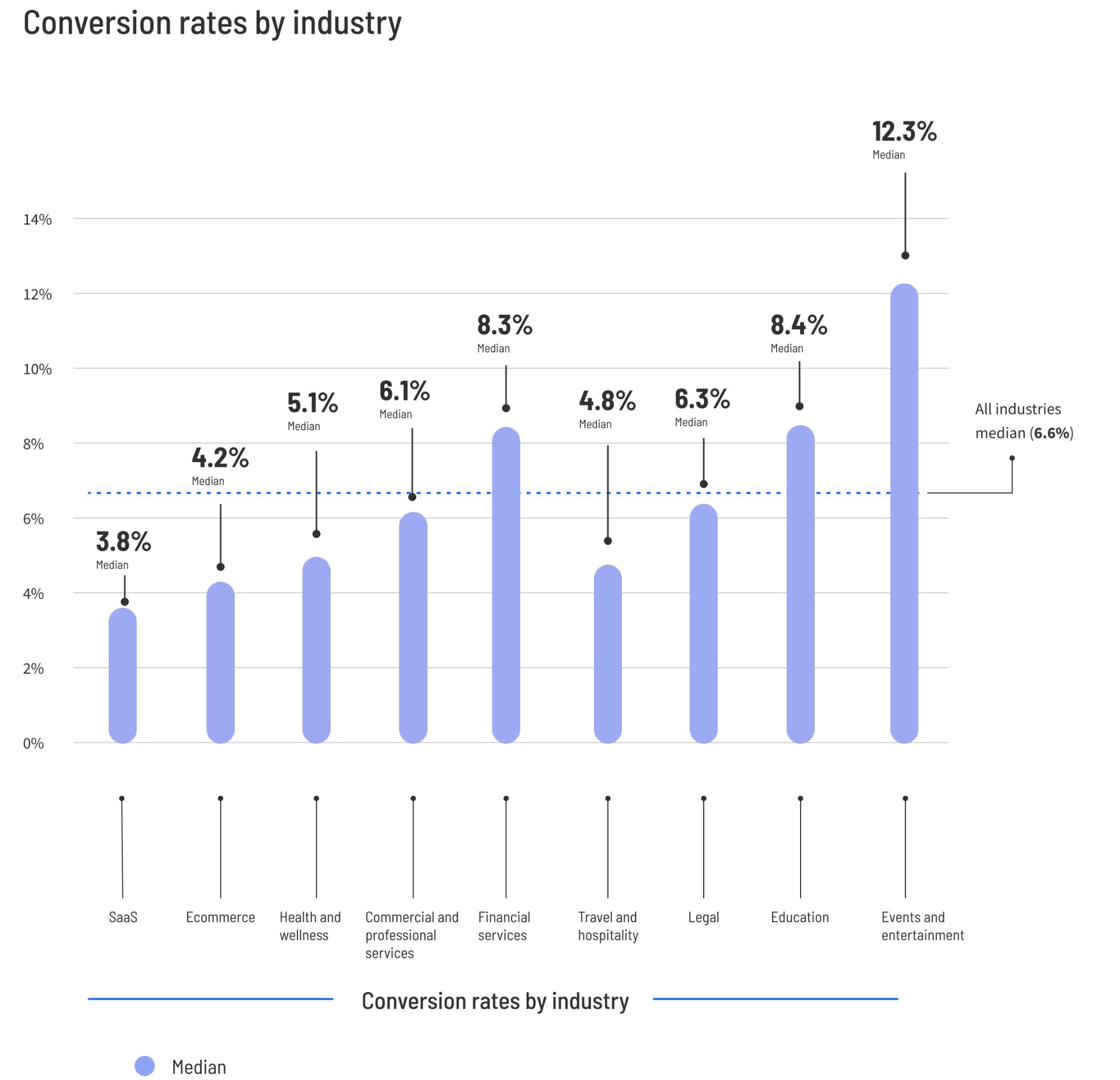
The median conversion rate for landing pages across all industries currently sits at 6.6%. While this provides a useful "middle-of-the-pack" reference point, industry experts argue that using it as a target is akin to measuring human success by average height.
"The median is a statistical reality, not a goal," says Josh Gallant, founder of the organic growth firm Backstage SEO. "It is a baseline, but it doesn’t tell you anything about what is possible or expected within your specific niche. If you are in ecommerce, a 6.6% rate might be stellar, while in a high-intent financial services sector, it could indicate significant underperformance."

Understanding the difference between "average" and "median" is crucial here. The Benchmark Report utilizes median values specifically to avoid the skewing effects of "unicorn" pages—those rare, viral outliers that might convert at 90%—or conversely, poorly optimized pages that drag the arithmetic mean downward. By focusing on the median, marketers gain a realistic view of what their peers are actually achieving.
Industry-Specific Performance: A Comparative Analysis
To understand how conversion rates fluctuate, one must look at the unique pressures of different business sectors. The data reveals a stark divide between high-consideration purchases and low-friction, immediate-need actions.
Ecommerce and the "Triple-Threshold"
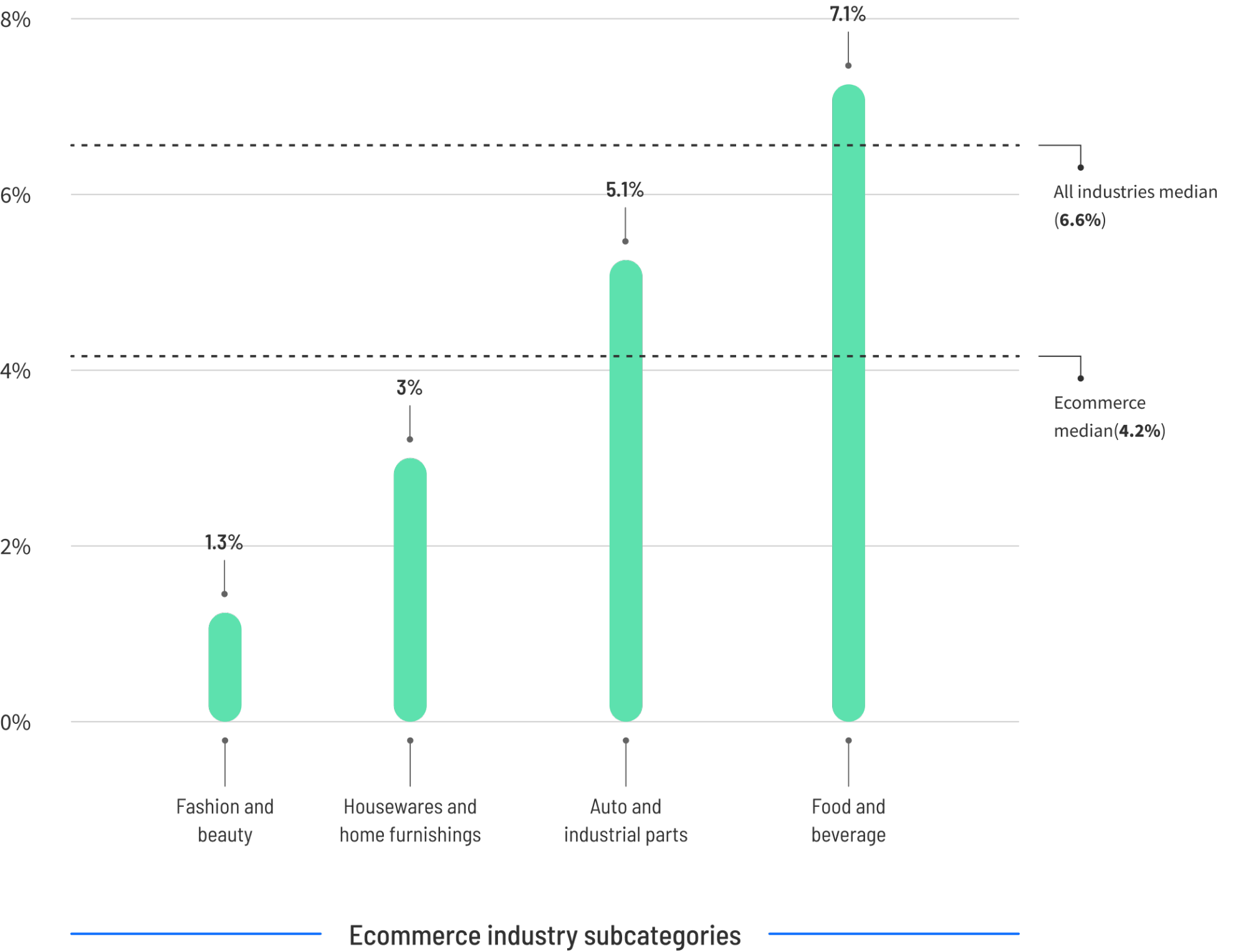
For ecommerce, the median conversion rate is 4.2%. However, the top 25% of performers in this space achieve rates of 11.4% or higher. This delta highlights a massive opportunity for growth. For a site receiving 10,000 monthly visitors, jumping from the median to the top-tier benchmark could translate to 720 additional conversions—a potential revenue surge of over $50,000 depending on the average order value.
SaaS: The Challenge of Intent
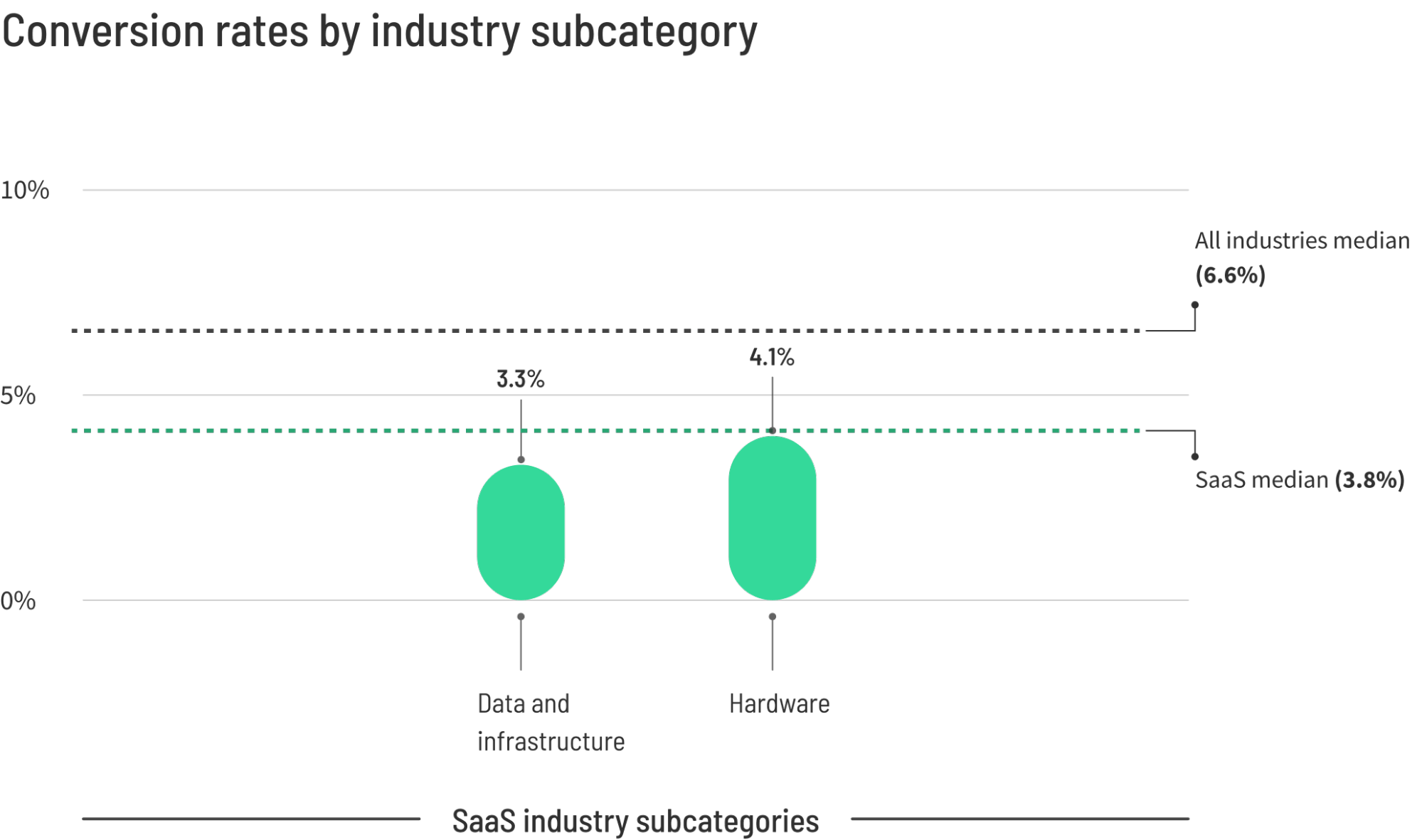
SaaS (Software as a Service) landing pages present a unique set of challenges. With a median conversion rate of 3.8%, these pages often deal with complex products and long, non-linear sales cycles. A visitor might be a casual researcher or a decision-maker ready to sign up for a trial. Top-performing SaaS pages, which achieve conversion rates of 11.6% or higher, distinguish themselves by ruthlessly addressing specific pain points and reducing the perceived risk of the initial commitment.
Professional Services: The Power of Nurturing
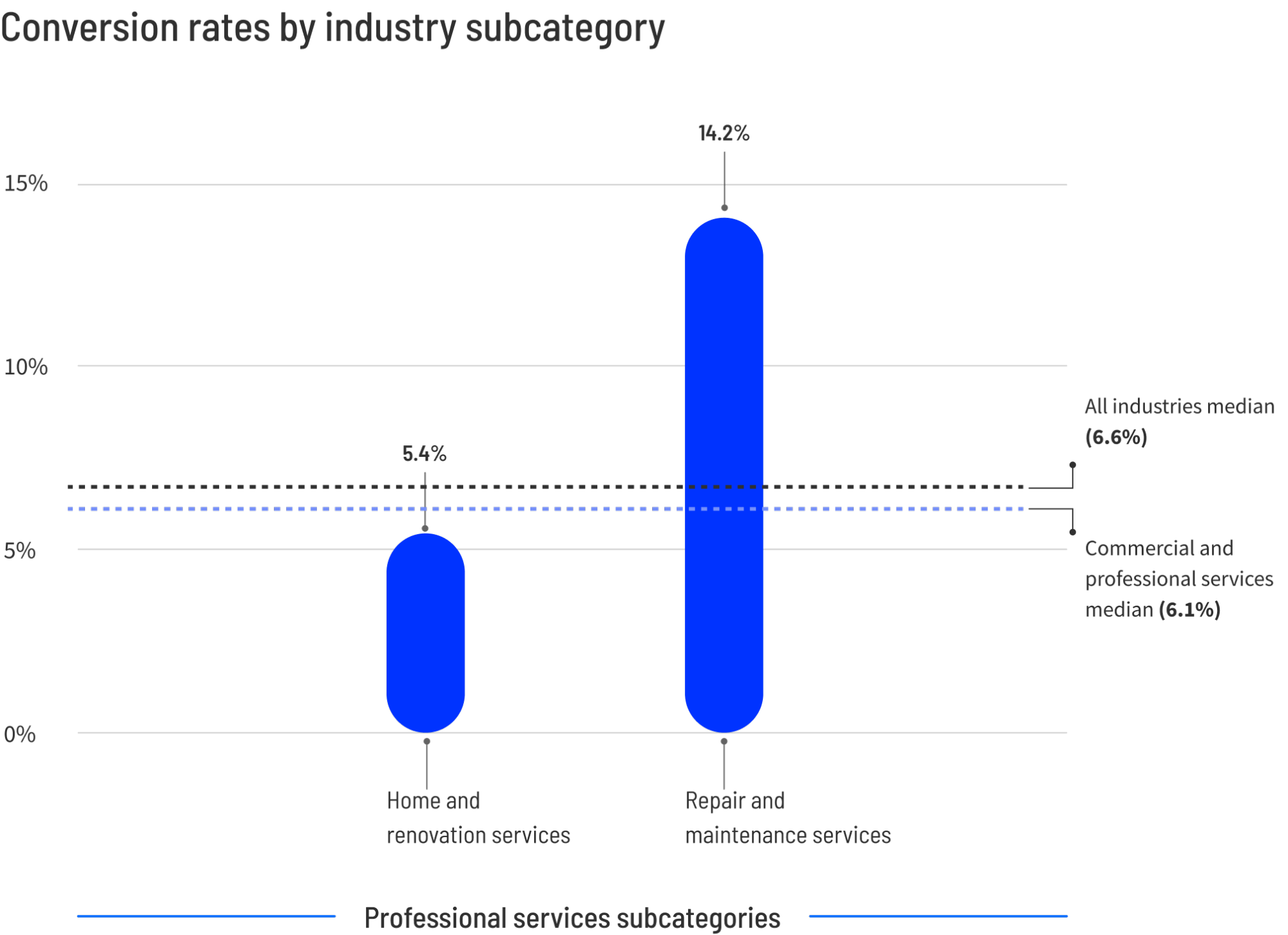
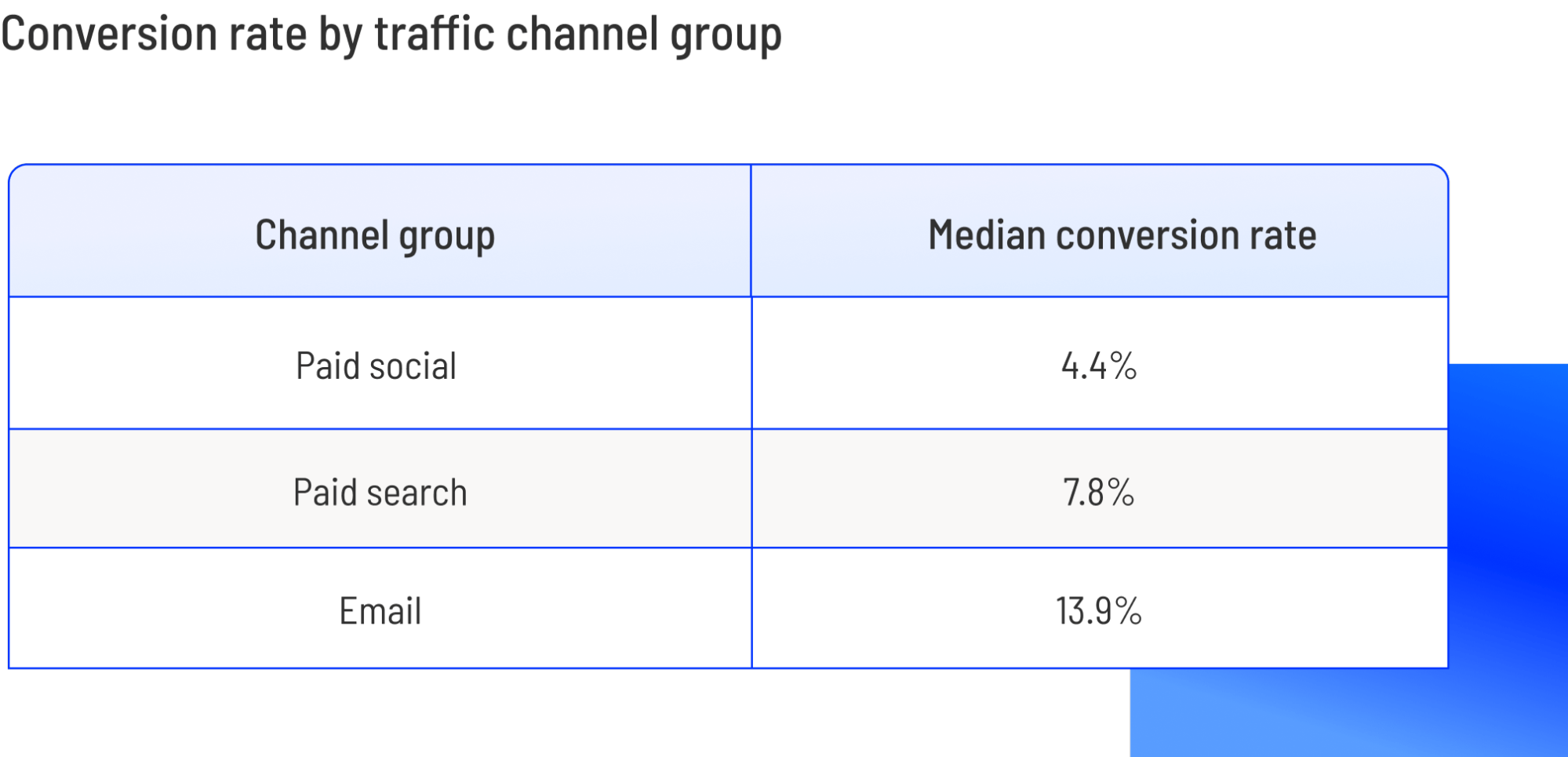
The professional services sector—encompassing everything from law firms to consulting—sees a median conversion rate of 6.1%. Yet, the top 25% of performers reach an impressive 14.1%. A critical finding here is the role of traffic sources: email traffic in professional services converts at nearly 14%, compared to just 4.4% for paid social. This indicates that businesses that prioritize long-term relationship building via email lists consistently outperform those relying solely on cold traffic.
Finance and Insurance: The Mobile-First Shift
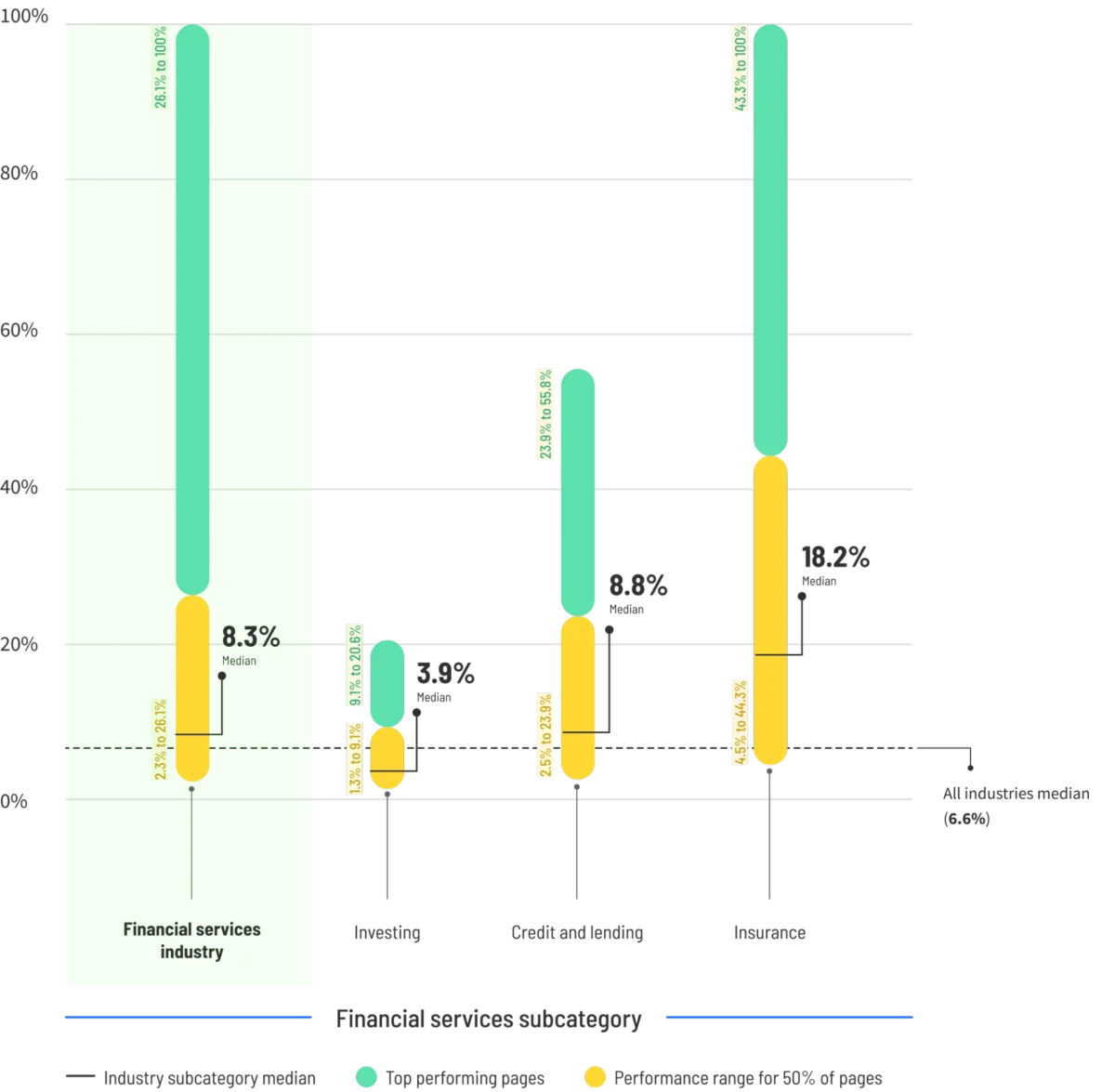
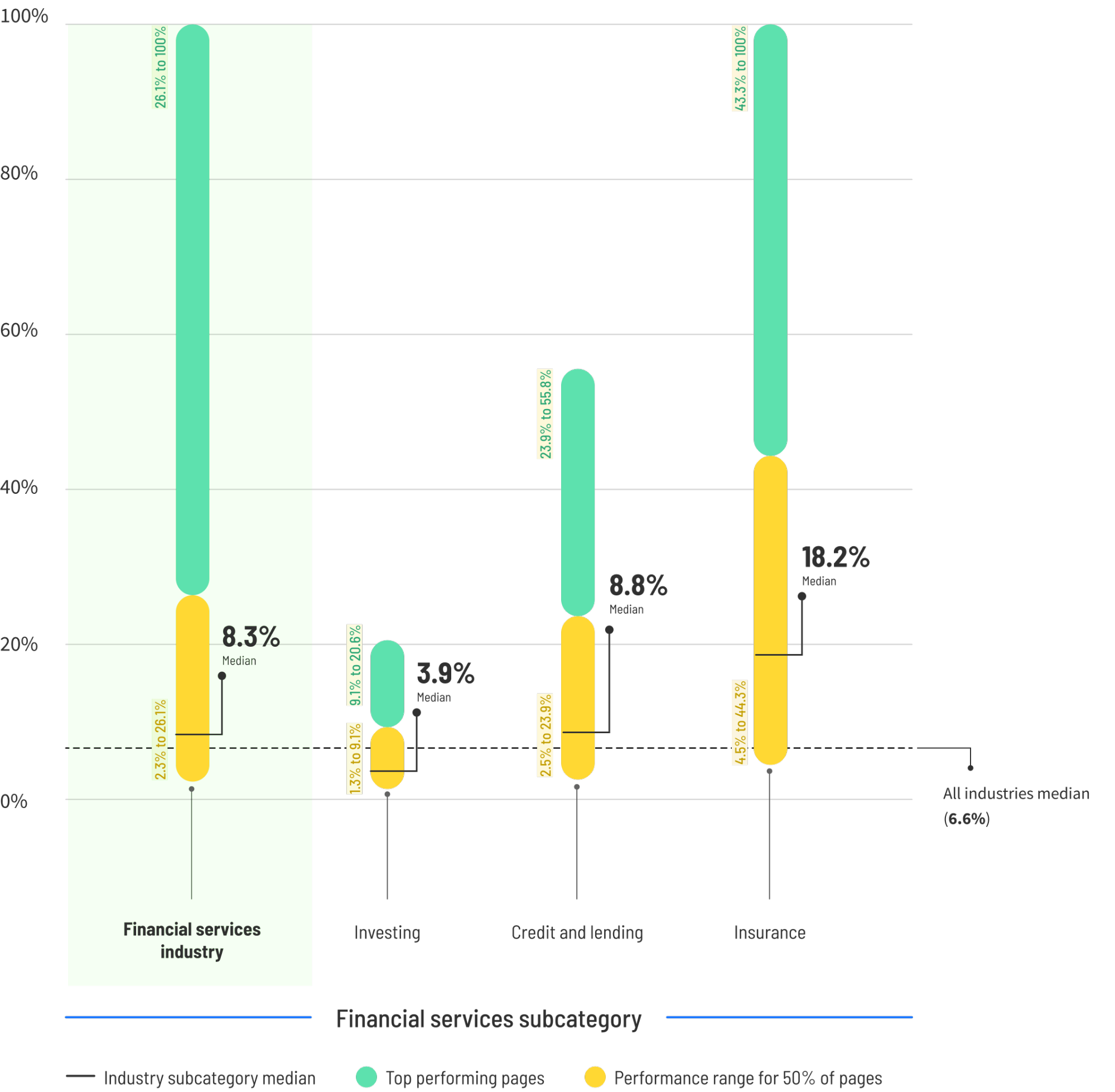
Financial services report a median conversion rate of 8.3%. Unlike most industries, where desktop often dominates, the finance sector sees mobile traffic converting 27.8% better than desktop. This counter-intuitive trend underscores the importance of segmenting data; companies that treat mobile as an afterthought in this sector are likely leaving significant revenue on the table.
The Anatomy of a High-Converting Page
Beyond the raw statistics, the 2024 report highlights five specific tactics that separate average pages from industry-leading performers. These strategies are not just best practices; they are data-backed imperatives for modern marketers.
1. The 5th-Grade Reading Level Rule
Complexity is the enemy of conversion. The report indicates that landing page copy written at a 5th-to-7th-grade reading level converts at 11.1%—a 56% improvement over content written at an 8th-to-9th-grade level. The takeaway is clear: clarity, brevity, and the removal of industry jargon are not "dumbing down" the content; they are respecting the visitor’s time.
2. Strategic Social Proof
Trust is the currency of the digital age. Placing testimonials, review counts, or client logos immediately adjacent to the call-to-action (CTA) button significantly increases conversion likelihood. When social proof is buried at the bottom of a long-form page, its impact is minimized.
3. The Mobile Experience Audit
With mobile accounting for 83% of landing page visits, the "mobile-first" mantra is no longer optional. However, the data suggests many mobile pages still lag in performance. Marketers must move beyond simple responsive design and audit the actual user flow on mobile devices, ensuring that forms, buttons, and loading times are optimized for smaller screens.
4. Distraction-Free Design
High-performing landing pages share a common trait: they are hermetically sealed environments. They remove global navigation menus, secondary social buttons, and internal links that lead to other parts of the website. Every element on the page must serve a singular purpose: driving the user toward the CTA.
5. Systematic Testing
The most successful companies do not guess; they iterate. A/B testing button colors, headline copy, and form lengths is a fundamental part of the conversion lifecycle. The goal is not just to "win" a test, but to understand the "why" behind the performance increase, allowing for informed future iterations.
Implications for the Future of CRO
The core implication of this year’s findings is that Conversion Rate Optimization (CRO) is not a set-it-and-forget-it task. It is a continuous, iterative process. The gap between the median and the top 25% of performers represents a massive, untapped opportunity for businesses across every vertical.
As digital landscapes become more crowded and customer acquisition costs (CAC) continue to rise, the ability to convert existing traffic becomes the most important lever for sustainable growth. Companies that adopt a data-driven approach—prioritizing visitor intent, simplifying their messaging, and testing their assumptions—will continue to gain market share, while those relying on generic "best practices" will likely struggle to maintain their footing.
Ultimately, the 2024 benchmark data serves as both a wake-up call and a roadmap. It confirms that while the baseline for success is constantly shifting, the path to outperforming the competition remains grounded in the same fundamental principles: clarity, trust, and the relentless pursuit of a frictionless user experience.