In the modern digital economy, the traditional narrative of the "starving startup founder" who quits their job to live on ramen and credit cards is rapidly being replaced by the "side-hustle architect." These entrepreneurs prove that you don’t need to jump into the deep end without a safety net; you simply need the right tools, a persistent problem, and a strategy that values efficiency over burnout.
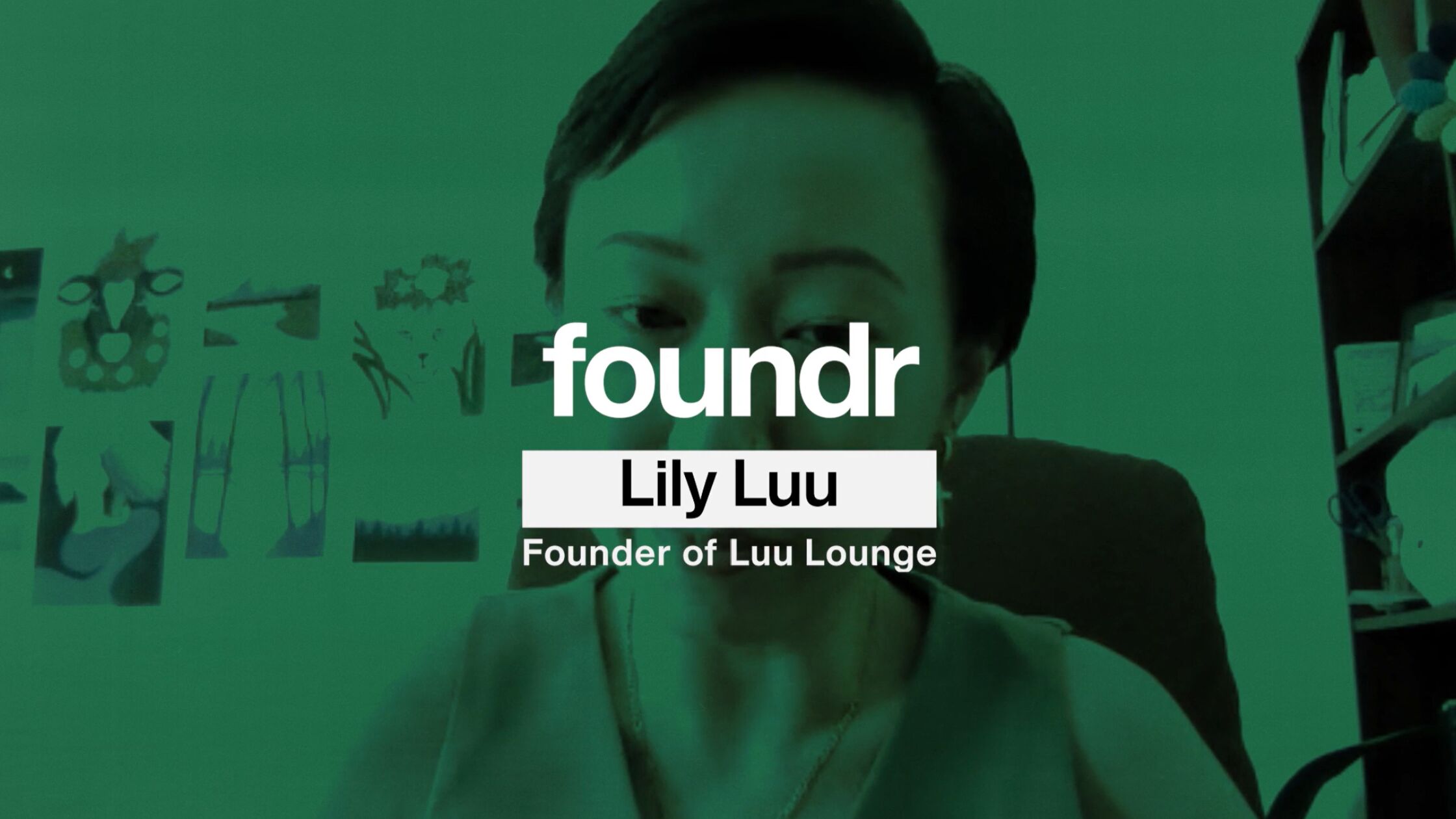
Lily, a professional working in the electric vehicle (EV) infrastructure sector, represents this new wave of founders. She didn’t set out to conquer the fashion industry; she set out to solve a problem that was plaguing her daily life: pet hair. Today, her custom clothing brand is a testament to how meticulous planning, a "build-in-public" philosophy, and the right automation stack can turn a personal annoyance into a thriving, high-demand business.
The Genesis: A Problem Worth Solving
The story of Lily’s brand began in the quiet moments of her routine. Balancing a demanding full-time position in the EV sector—a high-stakes, Monday-through-Friday career—Lily found herself constantly battling an invisible enemy: the fur of her three dogs.
"I work in electric vehicle infrastructure. It’s a nice eight-to-five, Monday through Friday. I have three dogs, and I was always just covered in fur all the time," Lily explains.
For most, this is a minor annoyance handled with a lint roller. For Lily, it became the spark for a business model. She began to wonder if the textile industry had overlooked a massive demographic: pet owners who wanted to look professional without the constant worry of hair adhesion. She didn’t just want to sell clothes; she wanted to engineer a solution. This led to a year-long research and development phase, focusing on custom, pet-hair-resistant fabrics.
Chronology of a Startup Launch
The journey from concept to revenue was anything but overnight. It was a calculated, multi-stage process that highlights the discipline required to build a business while maintaining a full-time career.
Phase 1: The R&D Marathon (Months 1–12)
Lily’s primary hurdle was the product itself. Finding a manufacturer willing to work with custom, proprietary fabric specifications is a daunting task for any entrepreneur, let alone one working a full-time corporate job. She spent over a year vetting partners, testing materials, and refining the drape and feel of the garments.
Phase 2: Building in Public (Months 6–12)
Recognizing that she couldn’t rely on traditional marketing budgets, Lily turned to social media—specifically TikTok. She documented her journey, showing the trials, the fabric tests, and the behind-the-scenes reality of a founder-in-training. This "build-in-public" approach served as a powerful market validator. By the time her first drop was ready, she had already built a loyal, engaged community waiting for the official launch.
Phase 3: The Pivot to Marketing Automation (Month 13)
As the launch date approached, Lily realized that social media awareness was not enough. She needed a way to capture demand and turn interest into sales. This was where she faced her steepest learning curve: email marketing.
The Marketing Infrastructure: Overcoming the "Growth Penalty"
Early in her journey, Lily attempted to use industry-standard platforms, specifically Klaviyo. While the tool is powerful, Lily found that for a founder with limited time, it felt overly complex and non-intuitive.
"I was kind of going in circles with it, and things weren’t looking like how I wanted them to look," she says. "I felt like I was being punished for growing."
This sentiment is common among solo founders. When a platform requires a steep learning curve, it distracts from the core mission: product development and customer service. Lily needed a solution that acted as a silent partner—one that could handle automations and customer communication without requiring a degree in digital marketing.
Switching to Omnisend
The decision to switch to Omnisend proved to be a turning point. Lily found that the platform’s interface allowed her to "pop all my automations together really quickly." For someone balancing a 40-hour work week, the ability to "set it and forget it" was the ultimate value proposition.
By automating her welcome series, abandoned cart sequences, and launch-day reminders, she was able to maintain a high-touch experience for her customers without needing to manually send a single email.
Supporting Data: Why Automation Matters
The data behind Lily’s success underscores the importance of an integrated marketing strategy. By the time of her first drop, she had cultivated an email list of approximately 3,000 subscribers.
- Pre-Launch Strategy: Lily used her email list to create scarcity and anticipation, offering early access to her most loyal followers.
- The Results: Her first product drop didn’t just meet expectations; it sold out in a matter of hours.
- Conversion Efficiency: By using automated SMS and email flows, she was able to nurture her audience even while she was at her desk in the EV infrastructure office.
Official Perspectives: The Founder’s Philosophy
When asked about the role of technology in her success, Lily is adamant that simplicity is a competitive advantage.
"I’m glad I can just put it on and leave it so I don’t worry about it," she notes. This "hands-off" approach is not about laziness; it is about strategic prioritization. By outsourcing her customer communication to a reliable, automated system, she protected her mental bandwidth. She could focus on the "big rocks"—product quality, supply chain, and fulfillment—while the marketing engine operated in the background.
Implications for Future Entrepreneurs
Lily’s journey offers a roadmap for the aspiring "side-hustle" founder. Her success is not an outlier, but a blueprint for how to balance professional responsibilities with creative ambitions.
1. The Power of Niche Problem Solving
Lily’s brand succeeded because it solved a specific, painful problem for a defined audience. In a crowded e-commerce space, the most successful brands are rarely the ones that try to be everything to everyone; they are the ones that serve a specific need better than anyone else.
2. Marketing as a Support Function, Not a Distraction
Many founders fail because they try to become experts in every field simultaneously. Lily’s transition to Omnisend highlights the importance of choosing tools that match your level of expertise and time availability. If a tool causes more stress than it saves, it is not the right tool for your current stage of growth.
3. The "Build in Public" Advantage
By documenting her process, Lily essentially pre-sold her inventory. By the time her products were ready to ship, her audience was already emotionally invested in her success. This lowered her customer acquisition cost (CAC) significantly compared to brands that rely solely on paid advertising.
Conclusion: Scaling Responsibly
As Lily continues to grow, the infrastructure she built early on remains a cornerstone of her operation. She is proof that you do not need to choose between a stable career and an entrepreneurial dream. With the right systems in place—systems that automate the repetitive tasks of customer communication—a business can run alongside a full-time career without compromising the quality of the product or the customer experience.
For those inspired by Lily’s journey, the path forward is clear: identify a persistent, daily frustration; validate it with a community; and invest in tools that allow you to scale your impact without scaling your stress.
Are you a founder looking to build your business with the same efficiency as Lily? For readers looking to streamline their own marketing efforts, Omnisend is currently offering an exclusive incentive. You can get 50% off your first three months by using the code FOUNDR50 upon signup. Start building systems that work for you, so you can spend your time doing what you do best: building the product.