The dust has barely settled on the FIFA World Cup 2026, but for the marketing industry, the tournament serves as more than just a global sporting milestone. It represents a definitive case study in modern brand agility. As the global spotlight shifts, industry leaders are dissecting the strategies that allowed brands to transcend mere sponsorship and become active participants in the cultural conversation.
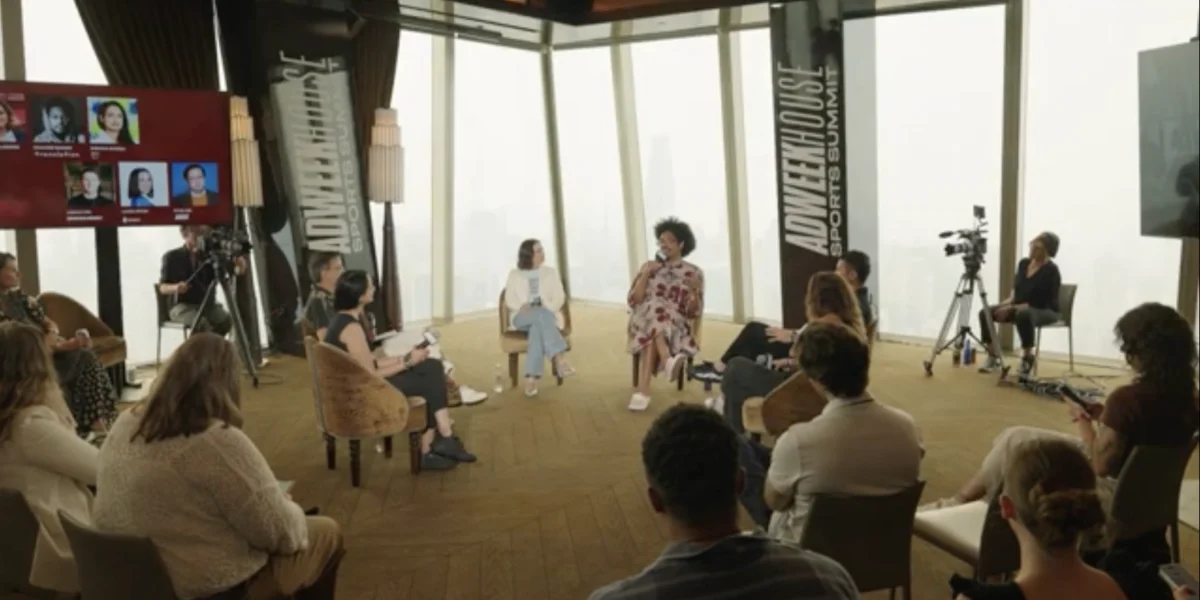
At the recent ADWEEK House Sports Summit in New York City, a panel of industry heavyweights—including executives from Major League Soccer (MLS), Gotham FC, Translation, and Sequel—gathered for the "Marketing at Match Speed" session. The consensus was clear: in an era of hyper-connected, high-stakes live events, the "unexpected" is no longer an excuse—it is a variable to be managed through rigorous, forward-thinking preparation.
The Art of Anticipatory Marketing: Core Findings
The central thesis emerging from the 2026 World Cup marketing cycle is that spontaneity is rarely accidental. Instead, it is the byproduct of exhaustive planning that creates "mind space" for real-time creativity.
Radhika Duggal, SVP and CMO at Major League Soccer, articulated this shift during the summit. "When it comes to live entertainment, many of the elements surrounding a campaign are controllable, especially if you’re thoughtful and methodical," she noted. According to Duggal, the primary goal of early-stage planning isn’t to script every second, but to build a robust framework that allows teams to pivot when cultural moments arise. By automating the logistics and securing long-lead partnerships, brands free up the mental bandwidth required to execute high-impact, in-the-moment activations.
Chronology: Building the World Cup Momentum
The strategy behind successful World Cup marketing was not a 90-minute play; it was a multi-year campaign.
- The Foundation (18–24 months out): Brands began aligning their core messaging with the tournament’s host cities, ensuring that local sentiment was baked into global creative assets.
- The Bridge Phase (6 months out): MLS and its partners initiated a series of "association" tactics. Recognizing that they needed to remain top-of-mind during the off-season, the league worked in lockstep with FIFA and Fox Sports to organize nationwide viewing parties. This kept the MLS brand in the conversation even while the league was on hiatus.
- The Apex (Tournament Days): This was the execution phase where "Match Speed" became literal. Brands were required to capitalize on the energy of specific match days, utilizing social listening and rapid-response content teams to stay relevant in the 24-hour news cycle.
- The Long Tail (Post-Tournament): As the event concludes, marketers are now shifting focus to data harvesting—analyzing how fan engagement during the tournament translates to long-term CRM growth and season-ticket conversions.
Supporting Data: When Preparation Meets Opportunity
The success of Gotham FC serves as the definitive proof-of-concept for this strategy. During the World Cup, the club looked at the calendar and identified an opportunity to piggyback on the tournament’s energy to elevate the NWSL.
Working in collaboration with Citi Field, the home of the New York Mets, the Gotham FC team staged a match that would go down in history. By aligning their scheduling with the second World Cup semifinal, the club leveraged the massive influx of soccer fans in the New York area. The result was the highest-attended women’s sporting event in New York City history.
This was not a stroke of luck; it was a deliberate orchestration. By positioning their event within the "gravity well" of the World Cup, Gotham FC captured a segment of the audience that was already in a "soccer state of mind," turning a global event into a localized, record-breaking win.
Official Perspectives: The Philosophy of the "Long-Play"
Chaucer Barnes, CMO at Translation, offered a masterclass in how to turn preparation into a year-long content engine. Reflecting on a historical project—the creation of The Shop during the 2016 NBA All-Star Weekend—Barnes emphasized that the best content often comes from building a "studio" where the unexpected can happen.
Facing frigid temperatures and unpredictable celebrity schedules in Toronto, the team didn’t try to force a schedule. Instead, they built a 72-hour, always-on roundtable environment. By having cameras running continuously and ensuring the host was prepared with multiple wardrobe changes for continuity, they captured content that sustained their brand for an entire year.
"Preparation is the fruit of knowing what the constraints are," Barnes explained. "Those constraints—the weather, the unpredictable talent, the tight timeframe—were the ingredients of our execution."
Implications for the Future of Brand Strategy
The "Marketing at Match Speed" session suggests three fundamental shifts for the industry:
1. From "Responsive" to "Proactive"
The old model of marketing relied on social media teams waiting for a viral moment to "meme" their way into relevance. The new model, as evidenced by the MLS and Gotham FC examples, relies on "structural relevance." Brands are now creating environments where they can control the outcome, rather than chasing a trend that may vanish by the time a creative team approves a tweet.
2. The Power of "Cultural Co-Location"
Brands are increasingly realizing that they don’t always need to own the platform. By partnering with existing infrastructure—like Gotham FC utilizing the Mets’ stadium or MLS working with FIFA—brands can inherit the legitimacy and energy of established cultural juggernauts.
3. Continuity as a Currency
Barnes’s anecdote about The Shop highlights that modern content marketing is no longer about the "big reveal" of a single commercial. It is about capturing a consistent stream of high-quality, authentic moments that can be repurposed across multiple channels throughout the fiscal year.
The Road Ahead
As we look beyond the 2026 World Cup, the marketing landscape is becoming increasingly unforgiving. The "Match Speed" methodology is no longer a luxury; it is a necessity for survival in an attention economy.
Marketers must now balance the rigid requirements of large-scale event logistics with the fluid, unpredictable nature of live, fan-driven engagement. This requires a cultural shift within agencies and internal marketing departments: moving away from the "siloed" approach to campaign management and toward a unified, cross-functional structure where creative, logistics, and data teams operate as a single unit.
For those looking to dominate in the coming years, the message from the ADWEEK House Sports Summit is clear: start early, define your constraints, and ensure your team is equipped not just to respond to the game, but to change the field on which it is played.
As we prepare for the next wave of global events, the brands that will win are those that treat every activation not as a finite point on a calendar, but as a strategic launchpad for the next chapter of their brand story. The preparation starts today, and for those who have mastered the art of "Match Speed," the final whistle is only the beginning.
For those looking to deepen their expertise in this high-velocity environment, the industry’s top minds will continue these conversations at the upcoming Brandweek summit. Join the leaders shaping the future of the industry by securing your spot to gain the insights necessary to turn the "unexpected" into your brand’s greatest advantage.