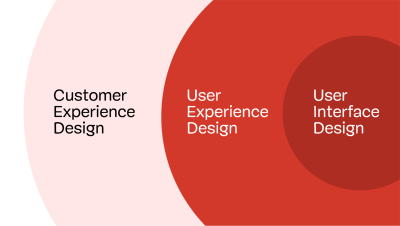
In the modern digital landscape, the distinction between User Interface (UI) design and User Experience (UX) design has become increasingly blurred in corporate vernacular. While often used interchangeably, these terms represent fundamentally different disciplines. A UI designer focuses on the aesthetic and functional elements of an interface—the buttons, typography, and color palettes. A UX designer, however, must concern themselves with the entire ecosystem of a user’s interaction with a brand.
This is nowhere more critical than in the high-stakes, complex world of Business-to-Business (B2B) sales. As industry expert Paul Boag argues, the failure to view the customer journey through a holistic lens is the primary reason why many B2B initiatives fail to convert leads into long-term partnerships.
The Complexity of the B2B Landscape: A Fundamental Challenge
B2B transactions differ drastically from Business-to-Consumer (B2C) models. While a consumer might decide to purchase a pair of shoes within minutes, a B2B transaction often involves multiple stakeholders, prolonged procurement cycles, and high-value financial commitments.

The complexity of these journeys is born from several factors:
- Multiple Stakeholders: Unlike a solo consumer, a B2B purchase often requires approval from IT, procurement, legal, and department heads.
- Extended Timelines: From initial awareness to contract signing, the journey can span months or even years.
- Hybrid Touchpoints: The process shifts constantly between digital interfaces (websites, email, CRM portals) and human interactions (video calls, live demonstrations, and phone negotiations).
For a UX designer, this creates a unique challenge. While a UI designer might perfect the look of a landing page, they may fail to consider the emotional state of the prospect who has been navigating a six-month sales cycle. A truly effective UX strategy accounts for the entire lifecycle, ensuring that every touchpoint—digital or human—aligns to provide a seamless narrative.
Chronology of a Typical B2B Sales Journey
To understand the necessity of holistic UX, one must map the typical progression of a B2B engagement. The journey generally follows a predictable but fragile chronology:
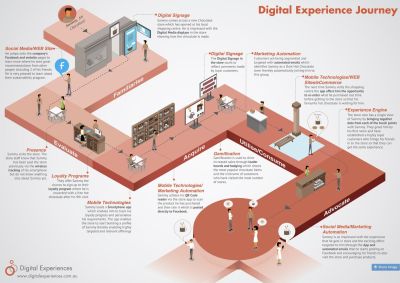
- Awareness and Discovery: The prospect identifies a pain point. At this stage, they are likely engaging with blog posts, search results, or social media content.
- Consideration and Evaluation: The prospect begins comparing vendors. This stage involves webinars, whitepapers, and potentially early-stage sales outreach.
- The "Gap" Period: This is the most dangerous phase. Weeks may pass between a demo and a follow-up. If the digital touchpoints do not provide value during this silence, the prospect may lose interest.
- Conversion and Decision: Procurement steps in, legal reviews contracts, and the final decision is made.
- Onboarding and Retention: The user experience does not end at the sale; the transition into the product or service defines the long-term viability of the client relationship.
UX designers must ensure that the transition between these stages is frictionless. When a user moves from an automated email marketing flow to a conversation with a human salesperson, the messaging must be consistent. If the CRM software fails to record the user’s progress, the "gap" between stages widens, leading to disjointed experiences that undermine trust.
Supporting Data: The Cost of Fragmented Experiences
Data consistently demonstrates that disjointed experiences correlate with lower conversion rates. For instance, consider the common practice of the "immediate pop-up" discount. Analytics frequently show that presenting a discount offer to a visitor who has not yet engaged with the product results in lower conversion rates. It is an interruption that forces a transactional mindset before a value-based relationship has been established.
Furthermore, the "gap" in customer journeys is a significant source of churn. When a customer is forced to repeat information—such as re-identifying themselves when transferring from a mobile app to a support phone call—it creates an "effort tax." Studies in service design indicate that every time a user has to repeat data or wait for a system to synchronize, the likelihood of a negative perception of the brand increases by approximately 30%.

Official Perspectives: The Role of Sales Technology
Industry leaders are increasingly relying on specialized software to bridge the gaps in the user experience. Tools like CRM platforms and pipeline management software are no longer just administrative necessities; they are UX tools. By ensuring that every member of the sales team has access to the same data, these platforms allow the "human" side of the journey to remain as intuitive as the "digital" side.
However, software alone is not the solution. As noted in recent industry discussions, the most effective companies are those that conduct workshops to help their sales staff communicate more effectively online. By treating the human interaction as a design touchpoint, organizations can mitigate the impersonality that often plagues digital-heavy B2B environments.
Implications for UX Practitioners
The implications of this shift are profound. If you are a UX designer who spends 100% of your time in Figma or Adobe XD, you are likely only scratching the surface of your potential. To truly excel, practitioners must move beyond the "wireframe box" and consider the following:

1. Mapping the "Invisible" Journey
Even if your client only asks for a website redesign, start by mapping the entire journey. Ask questions: What happens after they click the submit button? How is the sales team alerted? What is the email follow-up sequence? By understanding these, you can design a landing page that perfectly prepares the user for the next, non-digital step.
2. Mind the Gaps
Identify the moments where the user is handed off between systems or departments. These are the "danger zones." Can you design a way to ensure their data travels with them? Can you create a consistent tone of voice that persists from the website to the contract negotiation?
3. Humanize the Digital
Digital communication can be cold. As designers, we must advocate for empathy in the copy, the timing of automated messages, and the usability of support channels. If a customer is frustrated, the design should acknowledge that frustration rather than offering a stock, robotic response.
Conclusion: Redefining the Role
The role of a UX designer is inherently strategic. By limiting the definition of "user experience" to what happens inside a browser, we do a disservice to the complexity of modern business. We must challenge the assumption that our job description is limited to the interface.
Breaking out of that box is not just an opportunity for career growth; it is a necessity for the survival of the business. When we design for the entirety of the journey—incorporating the human, the digital, and the gaps between them—we create experiences that are not only usable but truly valuable. It is time for UX designers to reclaim their role as architects of the total customer experience, ensuring that every touchpoint, no matter how small, contributes to a cohesive, professional, and ultimately successful journey.