In a move that signals a significant evolution in how consumer packaged goods (CPG) giants approach the digital shelf, Conagra Brands—the powerhouse behind a portfolio of over 100 household names—has officially named WPP-owned Barrows as its new commerce marketing agency of record. The appointment follows a rigorous, multi-month competitive review, positioning Barrows at the center of Conagra’s efforts to synchronize its physical and digital retail presence.
This partnership arrives at a pivotal moment for the CPG industry, where the lines between traditional brick-and-mortar retail and digital commerce continue to blur. By consolidating its commerce marketing efforts under the Barrows banner, Conagra is looking to create a unified brand experience that spans from the virtual shopping cart to the aisle of the local supermarket.
Main Facts: The Scope of the Partnership
The appointment of Barrows is comprehensive. As the new agency of record, Barrows is tasked with integrating a complex web of commerce-focused disciplines, including shopper marketing, retail media, digital shelf optimization, and in-store activations.
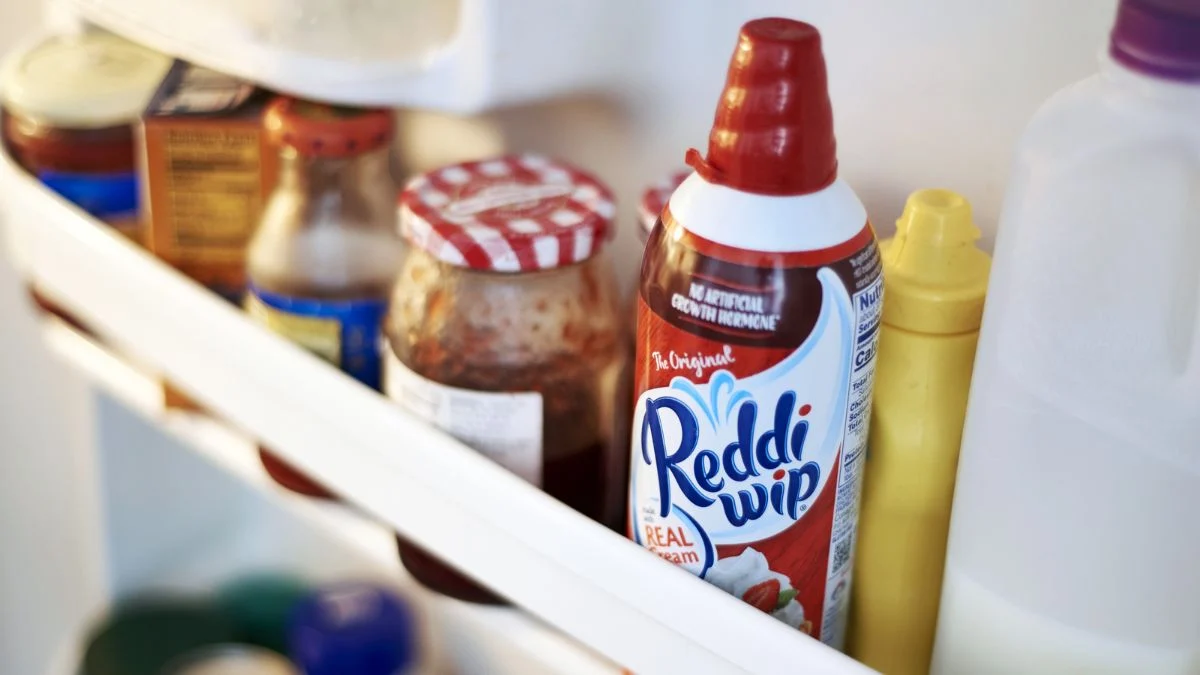
Conagra’s portfolio includes some of the most recognizable brands in the American pantry, such as Slim Jim, Reddi-wip, Swiss Miss, and Orville Redenbacher’s. Managing these brands requires a nuanced understanding of diverse demographics and purchasing behaviors. Barrows will be expected to leverage its expertise to ensure that these products remain top-of-mind, whether the consumer is scrolling through an e-commerce platform or walking through a physical grocery store.
The decision to choose Barrows, a subsidiary of the global marketing giant WPP, reflects a trend toward the consolidation of agency services. By aligning with a firm that sits within the WPP ecosystem, Conagra gains access to the holding company’s vast data capabilities and proprietary retail technology.
Chronology: The Path to the Partnership
The path leading to this appointment was characterized by a methodical competitive review, a standard procedure for a company of Conagra’s scale when evaluating its multi-million dollar marketing expenditures.
The Evolution of Barrows
- 2012: WPP makes a strategic move to acquire a 35% stake in Barrows, signaling early confidence in the agency’s specialized approach to retail and commerce.
- January 2024: WPP completes the full acquisition of Barrows, fully integrating the firm into its global network. This move was part of WPP’s larger strategy to double down on commerce media as a primary growth driver.
- April 2024: Brent Taylor, who served as the CEO of Barrows for more than nine years, is appointed as the Global CEO of WPP Commerce. This internal restructuring effectively created a unified "commerce media offering" under the WPP umbrella.
- Mid-2024: Following the restructuring, Conagra initiates a competitive review for its commerce marketing agency.
- Q3 2024: Conagra officially selects Barrows, leveraging the synergy between the agency’s long-standing retail expertise and WPP’s newly reorganized commerce division.
Supporting Data: The Commerce Marketing Landscape
To understand the importance of this appointment, one must look at the current economic and retail data shaping the CPG sector.
The Rise of Retail Media
Retail media is currently the fastest-growing segment of digital advertising. According to industry reports, retail media spending is projected to exceed $100 billion by 2025. Conagra’s move to partner with a specialized firm like Barrows suggests that they are not just looking for creative advertising, but for a data-driven strategy to win within the "walled gardens" of retailers like Walmart (Walmart Connect), Kroger (Kroger Precision Marketing), and Amazon.
The Digital Shelf Challenge
Data indicates that over 80% of consumer journeys now begin or end with a digital touchpoint. For brands like Orville Redenbacher’s or Slim Jim, the "digital shelf"—the way a product appears on a mobile app or desktop search—is just as important as its physical placement on a grocery store shelf. Optimizing search terms, imagery, and product descriptions is no longer optional; it is a prerequisite for maintaining market share.
Integration of In-Store and Online
Research from the Path to Purchase Institute highlights that omnichannel shoppers spend 30% more than single-channel shoppers. Barrows’ mandate to integrate in-store activations with digital shelf presence is a direct response to this data. By ensuring that a promotion seen on an app is reflected in a physical end-cap display, Conagra aims to create a frictionless experience that boosts conversion rates across all touchpoints.
Official Responses and Strategic Rationale
While specific financial details of the contract remain private, representatives from both organizations have highlighted the strategic alignment of the partnership.
Brent Taylor, in his dual capacity as Global CEO of WPP Commerce and former long-term leader of Barrows, has frequently noted that the future of agency work lies in "closed-loop" commerce. By providing a full-service offering that tracks the consumer from awareness to purchase, WPP Commerce intends to offer Conagra a level of accountability that fragmented agencies cannot match.
"The goal," noted a spokesperson close to the review, "is to ensure that every marketing dollar is tied directly to a business outcome." For Conagra, this means moving away from the "siloed" approach of having separate agencies for digital, retail, and shopper marketing, and instead moving toward a centralized, data-informed strategy.
Implications: What This Means for the Industry
The appointment of Barrows by Conagra Brands serves as a bellwether for the future of the agency-client relationship.
1. The Consolidation of Commerce
We are witnessing the end of the "specialist era" in commerce marketing. While agencies once thrived by being masters of a single niche—like in-store signage or social media—the modern retail environment demands a generalist approach to commerce. Agencies must now be fluent in everything from algorithmic search optimization to the logistics of in-store displays.
2. The Power of WPP Commerce
WPP’s restructuring into a centralized commerce unit is a clear signal to competitors like Publicis and Omnicom. By putting the former Barrows leadership at the helm of WPP Commerce, the holding company is betting that deep-rooted retail expertise is the key to winning major accounts. Conagra’s endorsement of this model validates WPP’s structural pivot.
3. Increased Focus on Performance Marketing
For Conagra, the implication is a move toward more aggressive performance-based marketing. With retail media becoming a dominant force, brands can no longer rely on brand awareness alone. They must demonstrate immediate ROI on their marketing spend. Barrows is uniquely positioned to help Conagra navigate this shift, as their background is rooted in the "point of sale" mentality, which prioritizes conversion over pure vanity metrics.
4. The Future of Brand Loyalty
Finally, this partnership highlights the difficulty of maintaining brand loyalty in a commoditized market. When consumers can easily swap Reddi-wip for a store-brand alternative on an app, Conagra must use its retail media and shopper marketing to reinforce the value proposition of its products at the exact moment of decision. This requires a sophisticated use of first-party data, something Barrows is expected to integrate into Conagra’s overarching strategy.
Conclusion
The appointment of Barrows as Conagra Brands’ commerce marketing agency of record is more than just a routine administrative change. It is a strategic alignment between a major CPG manufacturer and an agency ecosystem that is rapidly evolving to meet the demands of the digital-first shopper. As the industry moves toward a future where the distinction between "online" and "offline" retail ceases to exist, Conagra is positioning itself to lead. With the backing of WPP’s comprehensive commerce media suite, Conagra aims to turn its vast portfolio of brands into a more cohesive, data-driven, and consumer-centric powerhouse.
The success of this partnership will be measured not just in brand sentiment, but in the cold, hard data of conversion rates, retail media performance, and the seamless integration of the digital and physical shelf. As we move into the next fiscal year, the market will be watching closely to see if this synergy delivers the growth and efficiency both parties clearly expect.