As the ecommerce landscape accelerates into an era heavily shaped by generative artificial intelligence and algorithmic discovery, standing out in the digital noise requires more than just recycled product roundups. For content marketers in the retail and direct-to-consumer sectors, November 2026 presents a unique calendar of historical milestones, scientific celebrations, cultural turning points, and holiday shopping fatigue.
Content marketing—the strategic practice of creating, publishing, and promoting valuable, relevant content to attract, engage, and retain a clearly defined audience—remains a cornerstone of digital authority. In a world saturated with AI-generated text, the best-performing content must offer genuine utility, immersive storytelling, or distinctive entertainment value.
To help online merchants capture consumer attention ahead of the heavy year-end shopping rush, here are five strategic content marketing concepts tailored for November 2026.
1. Route 66 Turns 100: Linking American Heritage to Modern Commerce
On November 11, 1926—exactly a century ago—a massive administrative undertaking officially bound the American landscape together. Emerging from a patchwork of local dirt tracks, gravel county roads, and state highways, planners designated U.S. Route 66, linking downtown Chicago to the sun-drenched shores of Los Angeles across roughly 2,400 miles of changing terrain. Though the entire roadway wasn’t fully paved until 1938, its psychological and economic impact was immediate.
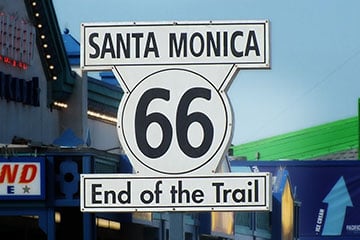
The true legacy of Route 66 lies not merely in its endpoints, but in the vibrant ecosystem that flourished along its asphalt veins. Mom-and-pop gas stations, neon-lit diners, retro motels, independent repair shops, and eccentric roadside attractions transformed automobile travel from a logistical chore into an iconic cultural pastime. It served as an economic engine for hundreds of small towns caught in its gravitational pull.
The Ecommerce Opportunity
For ecommerce content marketers, the centenary of Route 66 offers a rich narrative playground. Brands can bridge the gap between historical nostalgia and modern product utility by framing their merchandise through the lens of adventure, durability, and craftsmanship.
- Apparel and Outdoor Gear: Retailers can launch digital lookbooks or video series featuring vintage-inspired travel apparel tested against modern performance fabrics, styled against iconic Route 66 backdrops.
- Automotive and Tools: Merchants selling car accessories, detailing kits, or emergency roadside gear can publish comprehensive guides on maintaining a modern vehicle for a cross-country road trip.
- Home Goods and Decor: Brands specializing in mid-century modern or Americana decor can curate collection pages inspired by the roadside architecture and roadside diner culture of the mid-20th century.
2. Explain the Science: Satisfying Consumer Curiosity on STEM Days
What do a seasoned cast-iron skillet, a high-performance running shoe, a technical waterproof rain jacket, and a fresh bag of single-origin coffee beans have in common? On the surface, they belong to entirely different retail categories. Yet, beneath their commercial packaging lies sophisticated physics, chemistry, and engineering that the average shopper rarely pauses to consider.
November provides a natural hook for educational content, with International STEM Day (Science, Technology, Engineering, and Mathematics) falling on November 8, followed closely by World Science Day for Peace and Development on November 10. These observances offer merchants an ideal window to demystify everyday goods.

+-------------------------------------------------------------------+
|                     THE SCIENCE OF EVERYDAY GOODS                 |
+-------------------------------------------------------------------+
| Cast-Iron Skillet  -> Thermal mass & physics of heat retention    |
| Waterproof Jacket  -> Membrane technology & moisture vapor rates  |
| Coffee Grind Size  -> Surface area ratio & extraction dynamics    |
+-------------------------------------------------------------------+
Deconstructing the Everyday
Consumers today are increasingly value-conscious and skeptical of empty marketing claims. By explaining how and why a product works, brands build instant trust and authority.
- The Kitchenware Angle: Why does a cast-iron skillet hold and distribute heat so evenly compared to thin stainless steel? Explaining the thermal mass and seasoning chemistry transforms a basic cooking pan into an heirloom scientific instrument.
- The Apparel Angle: How does a Gore-Tex or proprietary waterproof jacket keep rain out while allowing body-generated perspiration vapor to escape? Breaking down microscopic pore sizes demystifies the technical price tag.
- The Culinary Angle: Why does changing a coffee grinder setting from coarse to fine dramatically alter the flavor extraction profile? Explaining surface-area ratios elevates a morning routine into an exact science.
The golden rule for educational content is to start with a question a customer might actually type into a search engine or ask a chatbot.
3. The 50-Year Lookback: Revisiting the Aesthetics and Tech of 1976
Looking back across a half-century provides a powerful retrospective lens for content marketers. A 50-year lookback allows a brand to examine how consumer tastes, cultural expectations, manufacturing techniques, and technological capabilities have drastically evolved—or, in some cases, come full circle.
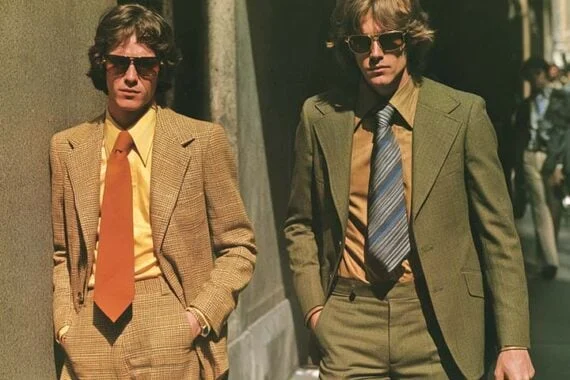
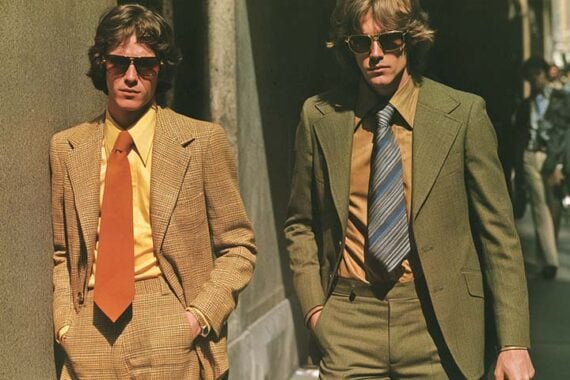
For November 2026, the focus centers squarely on 1976: a year defined by the U.S. Bicentennial, the founding of Apple Computer in a garage, bold fashion choices, disco culture, and distinctive domestic interior design.

Translating Retrospectives into Engagement
A nostalgia-driven campaign must avoid feeling like a lazy trip down memory lane; instead, it should use historical contrast to highlight the superior design or enduring relevance of a modern product lineup.
- Fashion and Apparel: A contemporary fashion retailer can juxtapose the polyester suits and bold patterns of 1976 with today’s sustainable, minimalist street style, exploring how silhouettes have shifted over five decades.
- Consumer Electronics: An electronics or smart-home merchant can compare a clunky, wood-paneled 1976 stereo system or television console with sleek, voice-controlled, wireless home audio ecosystems.
- Culinary and Kitchen Retailers: Food and kitchen brands can revisit 1976-era dinner party recipes, appliances, and cookware, updating vintage culinary standards for modern kitchens.
Formats can range from immersive photo essays and interactive timelines to video documentaries or interviews with long-standing industry veterans.
4. World Television Day: Exploring the Medium’s Cultural Footprint
On November 21 and 22, 1996, the United Nations convened its first World Television Forum, gathering global media leaders to debate television’s rapidly expanding influence on international diplomacy, culture, and public opinion. Recognizing its profound power as a tool for communication and globalization, the UN General Assembly officially designated November 21 as World Television Day shortly thereafter.
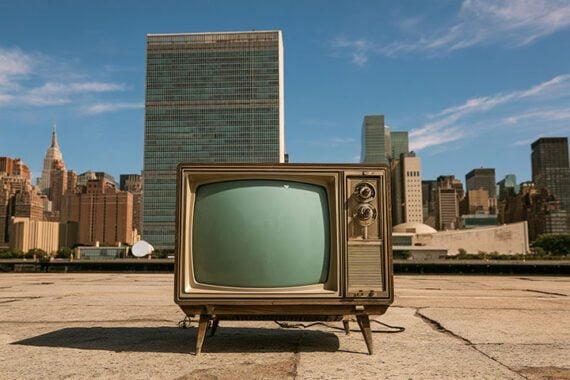
Three decades later, the medium has fractured and evolved from scheduled network broadcasts into a fragmented, multi-screen streaming universe. Yet, television remains at the heart of popular culture, dictating trends in home design, fashion, language, and lifestyle.
Content Concepts for Television Day
Ecommerce brands across multiple verticals can tap into World Television Day by examining how the silver screen has influenced consumer behavior and product design over the decades:
- Home Furnishings: Explore the evolution of the family living room—transitioning from the heavy, wooden television console that dominated the room in the 1970s to minimalist media walls designed to house ultra-thin, smart OLED displays.
- Toys and Collectibles: Examine the symbiotic relationship between television shows and toy manufacturing, from Saturday morning cartoon action figures to prestige television merchandise.
- Fashion and Pop Culture: Curate style guides based on iconic television wardrobes across the decades, showing customers how to recreate look-of-the-era aesthetics using modern inventory.
5. The Anti-Gift Guide: Shifting Focus from Volume to Product-Fit
As November unfolds, consumers are inevitably inundated with an avalanche of traditional holiday gift guides. From "Top 10 Tech Gadgets for Dad" to "50 Must-Have Stocking Stuffers," the digital ecosystem becomes a blur of promotional noise, often exacerbated by generic AI-generated listicles.
For contrarian brands looking to cut through the clutter, November 2026 offers an opportunity to deploy an unconventional strategy: the Anti-Gift Guide.
The Power of "Pro-Fit" Over Promotional Volume
Instead of pushing volume and encouraging impulse purchases, an anti-gift guide focuses ruthlessly on product suitability. For instance, rather than publishing a generic roundup titled "10 Great Gifts for Coffee Lovers," a specialty coffee equipment retailer might publish an article titled: "Why You Shouldn’t Buy Your In-Laws an Espresso Machine."
The content goes on to honestly evaluate who will genuinely benefit from a high-end espresso machine—and who will inevitably find it to be an intimidating, high-maintenance countertop ornament.
- What to Cover: Honest assessments of counter space requirements, daily cleaning routines, grind adjustment learning curves, and individual daily caffeine habits.
- Why It Works: This level of radical transparency helps brands stand out dramatically in search engine results, offers email subscribers a refreshing break from promotional hype, and provides generative AI discovery platforms with nuanced, contextual data regarding product use cases.
Ultimately, an anti-gift guide is not truly anti-gift; it is fiercely pro-fit. By helping customers make informed purchasing decisions—and steering them away from the wrong products—brands build enduring loyalty that outlasts the holiday season.