The ecommerce landscape is undergoing a structural transformation, driven by rapid advancements in artificial intelligence, evolving consumer expectations, and increasingly integrated supply chain logistics. This week’s roundup of new merchant services highlights an industry racing to adopt autonomous technologies. From advanced website builders and no-box returns to AI-powered ad campaigns, same-day delivery pilots, and secure agentic governance, platforms and logistics providers are aggressively redefining how merchants build, market, and scale their businesses.
This report provides a detailed examination of the latest product releases, platform expansions, and strategic acquisitions shaping the digital commerce ecosystem.

Main Facts: Key Releases and Strategic Shifts
The digital commerce sector has introduced several pivotal updates designed to streamline operations, enhance customer acquisition, and optimize fulfillment.
- AI-Driven Design and Operations: Shopify launched Canvas, an interactive design surface integrated with its AI agent, Sidekick. This allows merchants to visualize overall store layouts and make granular modifications through conversational AI commands.
- Agentic Commerce Expansion: TikTok introduced advanced "agentic commerce" features, including "Buy Direct" in-app checkouts and a conversational "Shopping Assistant" designed to guide users through discovery and purchase.
- Logistics and Marketplace Integration: ShipStation rolled out "Ship with Walmart," giving marketplace sellers direct access to negotiated shipping rates, protections, and order management within their existing platform workflows. Additionally, the U.S. Postal Service (USPS) and Amazon launched a same-day delivery pilot program to accelerate final-mile fulfillment.
- AI Visibility and Governance: Tools like Contentstack’s Canoe and miniOrange’s Secure MCP Server for WordPress emerged to help brands monitor how AI search engines describe them while maintaining strict security governance over autonomous AI agents.
- Fulfillment and Risk Mitigation: UPS introduced Secure Commerce, a comprehensive supply chain risk-mitigation suite combining shipping insurance, high-value asset protection, and anti-fraud technologies.
Chronological Developments in Merchant Services
The past week’s product releases span multiple facets of the ecommerce value chain—from front-end store design to back-end logistics and omnichannel compliance.
Website Builders and Storefront Design
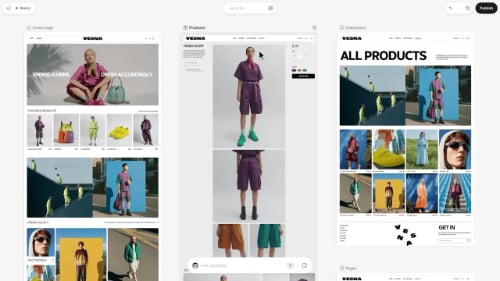
- Shopify Canvas: Merging visual design with artificial intelligence, Shopify introduced Canvas. Merchants use Sidekick to map out comprehensive page layouts and store architecture. By validating changes through real-time screenshot reviews, the system bridges the gap between high-level aesthetic planning and technical execution.
AI Discovery, Marketing, and Visibility
- TikTok Agentic Commerce: TikTok expanded its monetization and discovery toolset by launching Buy Direct and a conversational Shopping Assistant, enabling friction-free transactions directly inside the social platform.
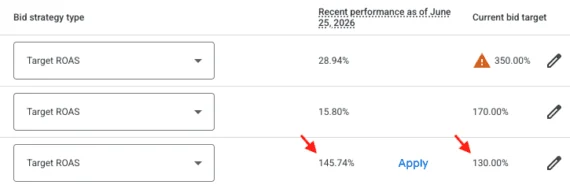
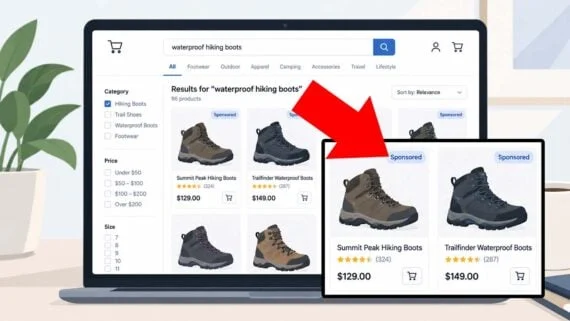
- Amazon Ads Agent: Amazon unveiled Ads Agent, unifying sponsored listings, full-funnel campaigns, and display, video, and audio assets into a centralized, AI-optimized management dashboard.
- Swap’s Acquisition of Vizby: Commerce platform Swap acquired Shopify-native AI visibility tool Vizby to bolster its agentic storefront and discovery infrastructure.
- Contentstack Canoe: Contentstack launched Canoe to scan brand URLs, identify competitor landscapes, and categorize buyer questions across various shopping stages to measure brand visibility in generative AI search engines.
- Commerce Catalog Enrichments: Holding company Commerce announced new AI data enrichment features for BigCommerce and Feedonomics, empowering brands to generate automated product titles, descriptions, FAQs, and search metadata at scale.
Customer Engagement and Support
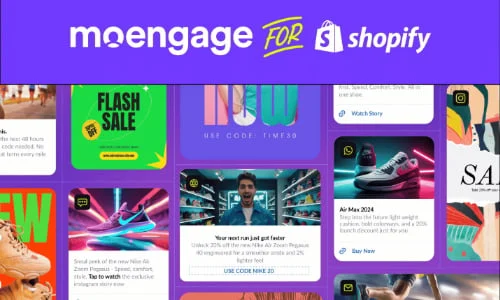
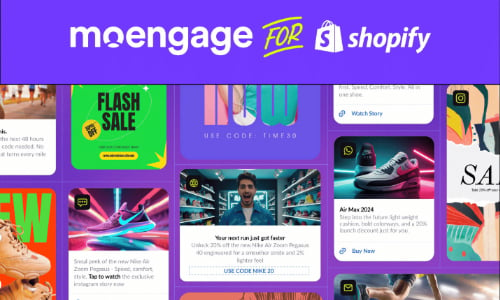
- MoEngage for Shopify: MoEngage released a native customer engagement integration for Shopify, unifying multi-channel customer data across email, SMS, push notifications, and WhatsApp to automate personalized marketing workflows.
- HelppliX Agent: Helppli introduced a configurable AI customer service agent capable of managing voice, WhatsApp, SMS, web chat, and email interactions tailored to specific business roles.
- miniOrange Secure MCP Server: Addressing security concerns surrounding automated agents, miniOrange launched a WordPress Model Context Protocol (MCP) server, allowing businesses to set strict role-based permissions and monitor AI agent actions.
Multichannel Selling and Affiliate Growth
- partnrUP Extensions: partnrUP expanded its creator-commerce platform with automated commission payouts, Shopify product fulfillment integrations, and video syndication tools for Amazon product pages.
- Selro Claude AI Integration: Multichannel inventory platform Selro integrated Claude AI to help sellers rapidly generate optimized product titles and summary bullets across multiple marketplaces.
- Nexa Creator Marketplace: Nexa launched a platform connecting brands directly with user-generated content (UGC) creators, operating on a brand-side fee structure rather than taking a percentage of creator earnings.
Logistics, Shipping, and Returns
- Ship with Walmart via ShipStation: U.S. domestic sellers can now leverage discounted Walmart shipping rates and seller protections directly within their ShipStation dashboard.
- USPS and Amazon Same-Day Delivery Pilot: The U.S. Postal Service and Amazon initiated a collaborative pilot program where afternoon package handoffs are sorted and delivered by mail carriers between 2:00 PM and 8:00 PM local time.
- UPS and Happy Returns Partnership: Happy Returns teamed up with TikTok Shop to offer a no-box, no-label return service across participating U.S. seller accounts.
- uParcel Complete Marketplace Solutions: Singapore-based uParcel launched an end-to-end management service covering storefront optimization, multichannel operations, and localized fulfillment for Southeast Asian marketplaces.
- Easyship U.K. Export Infrastructure: Easyship expanded its export capabilities to support eBay U.K. international shipping, granting access to 195 countries with integrated customs documentation and compliance screening.
- UPS Secure Commerce Suite: UPS debuted Secure Commerce, a risk-mitigation framework combining InsureShield, Parcel Pro, and specialized technology to protect merchants against fraud, disruptions, and revenue loss.
- ThredUp Live Shopping on Whatnot: Recommerce leader ThredUp expanded its live-streaming retail operations to Whatnot, broadcasting sales events directly from its Atlanta and Dallas distribution centers.
Supporting Data and Technical Specifications
The operational limits and structural capacities of this week’s service rollouts highlight the scale at which modern commerce infrastructure operates:
- USPS-Amazon Pilot Constraints: To maintain postal carrier schedules, the same-day delivery pilot enforces strict operational caps. Each participating USPS location is limited to a maximum of 200 packages distributed across no more than three designated delivery routes.
- Easyship Global Reach: Easyship’s expanded export infrastructure routes marketplace parcels through fulfillment hubs in the U.K., Canada, and the United States, clearing shipments for delivery across 195 distinct countries and territories.
- Contentstack Canoe Scope: The AI visibility platform analyzes a brand’s primary URL to extract relevant buyer personas, product offerings, and up to 10 direct competitors, mapping anticipated consumer queries across awareness, consideration, and decision phases.
- miniOrange Governance Control: The Secure MCP Server for WordPress relies on centralized dashboards where administrators can define exact permission parameters, establish human-in-the-loop review checkpoints, and audit real-time agent execution logs.
Official Responses and Industry Perspectives
The rapid pivot toward agentic commerce and automated infrastructure has prompted varied responses from platform executives and industry analysts alike.

Industry stakeholders note that while artificial intelligence offers unprecedented efficiency in content generation, catalog enrichment, and customer support, it simultaneously introduces governance and security challenges. The introduction of tools like miniOrange’s MCP server and UPS’s Secure Commerce reflects a maturing market that recognizes the necessity of risk management alongside automation.
Marketplace experts emphasize that third-party sellers are increasingly exhausted by managing fragmented inventory and advertising systems across multiple channels. Consequently, unified logistics integrations—such as ShipStation’s incorporation of Walmart rates, uParcel’s end-to-end marketplace outsourcing, and Easyship’s global export scaling—are viewed as essential services rather than optional add-ons.
Furthermore, platform providers are actively courting content creators and livestream shoppers. Initiatives like ThredUp expanding onto Whatnot and Nexa launching a fee-transparent creator marketplace demonstrate that social commerce and recommerce are converging into a unified, creator-led retail channel.
Implications for the Future of Ecommerce
The accumulation of these service updates points toward a fundamental restructuring of digital commerce over the coming years.

- The Rise of Autonomous Operations: With website design (Shopify Canvas), ad campaign management (Amazon Ads Agent), and customer engagement (MoEngage, Helppli) increasingly handled by autonomous AI agents, the role of the merchant is shifting from manual execution to strategic oversight.
- Strict Governance Requirements: As AI agents gain deeper write-access and execution capabilities over core web architectures (such as WordPress and Shopify), enterprise-grade security protocols, human review checkpoints, and permission frameworks will become mandatory to prevent operational disruptions and data breaches.
- Logistical Compression: The USPS-Amazon same-day delivery pilot and the expansion of no-box returns via Happy Returns and TikTok Shop indicate that consumer tolerance for fulfillment friction is disappearing. Speed and convenience are no longer competitive advantages; they are baseline requirements.
- Omnichannel Interoperability: Siloed sales channels are rapidly dissolving. Solutions that bridge marketplace inventory (Selro), data enrichment (Feedonomics), and global shipping compliance (Easyship, UPS Secure Commerce) will dictate which brands successfully scale internationally and which remain constrained by geographic and technical barriers.
Ultimately, merchants who embrace these integrated, AI-assisted tools stand to gain significant efficiencies in customer acquisition, conversion optimization, and supply chain resilience.