Driving Digital Inclusion: How Global Giants Are Prioritizing Accessibility Amid the COVID-19 Pandemic
The COVID-19 pandemic fundamentally transformed how society operates, pushing commerce, education, and communication almost exclusively into the digital realm. Overnight, accessible digital infrastructure evolved from a corporate nice-to-have into an absolute survival tool.
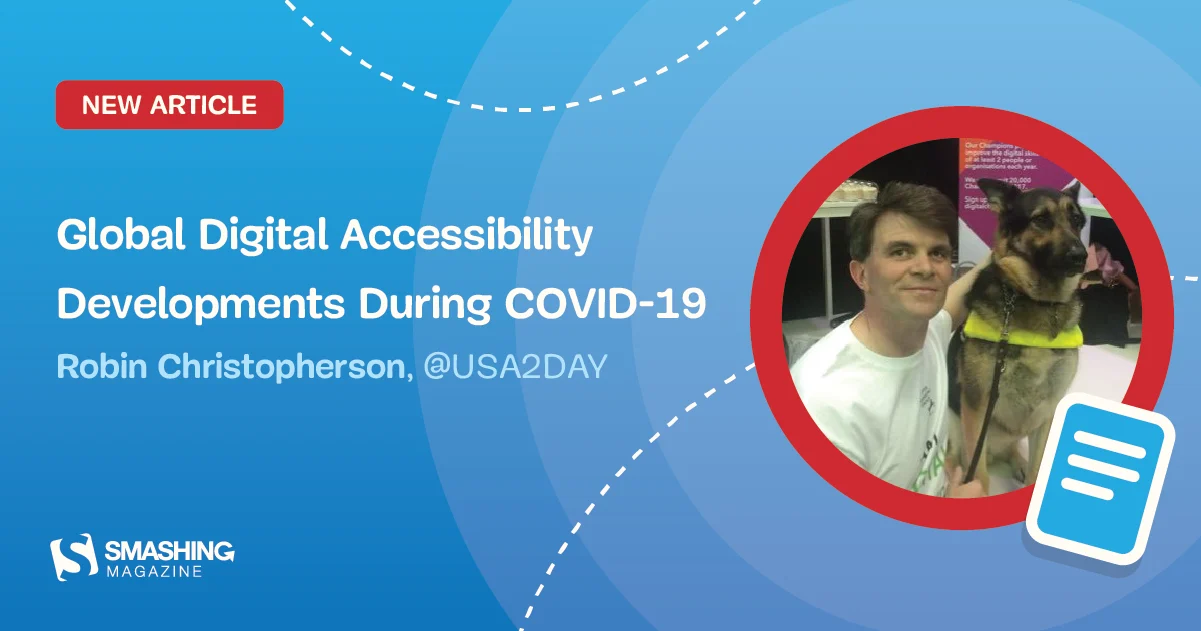
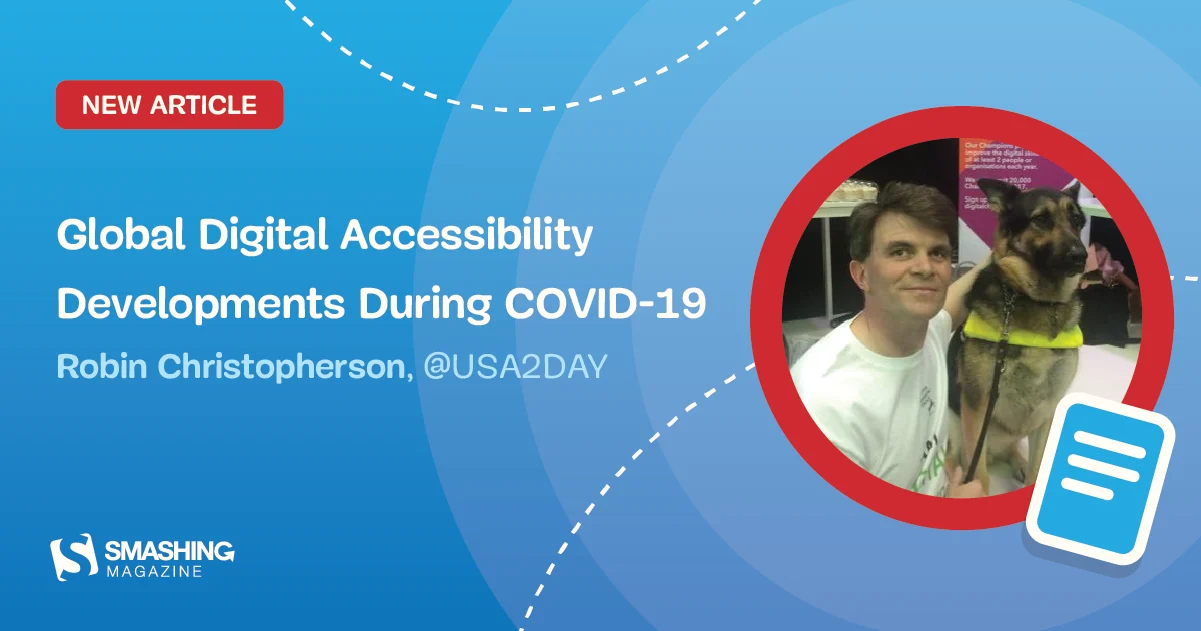
To explore how the world’s leading organizations navigated this unprecedented paradigm shift, Robin Christopherson MBE—Head of Digital Inclusion at UK tech experts AbilityNet—hosted an ongoing monthly webinar series. Featuring senior accessibility leaders from global titans like Microsoft and Atos, alongside UK high-street giants Barclays and Sainsbury’s, the discussions probed the unprecedented challenges, agile adjustments, and long-term opportunities brought on by the health crisis.
Main Facts: The Pandemic as a Catalyst for Digital Inclusion
The core takeaway from Christopherson’s expert panels is unequivocal: the pandemic thrust digital inclusion into the global corporate spotlight, yielding both profound challenges and unexpected innovations.
Surging Demand: Customer support desks specializing in disability and accessibility experienced unprecedented volume spikes—in some cases surging by 200% to 300% overnight—as remote work and lockdown measures took effect.
The "Lived Experience" Imperative: Organizations with leaders possessing lived experience of disability proved vastly more resilient, ensuring that accessibility was not treated as an afterthought.
Innovation Through Inclusion: Features originally designed to assist neurodiverse or disabled users—such as AI-powered captions, hand-raise icons in video conferencing, and text-scaling tools—ultimately improved the user experience for everyone.
The Danger of Retrofitting: Companies that failed to prioritize accessibility before the crisis struggled significantly when attempting to retrofit inclusive digital frameworks onto rushed remote systems.
Chronology: The Accelerated Shift to Remote Access
When global lockdowns descended in early 2020, organizations faced a sudden, high-stakes operational trial. The timeline of adaptation underscores how different sectors managed the crisis:
Phase 1: Immediate Emergency Response (March – April 2020): Physical storefronts and bank branches closed. Digital services became the sole gateway for grocery shopping, banking, and remote employment. Support teams experienced an immediate deluge of inquiries regarding alternative formats, assistive technologies, and mobile accessibility settings.
Phase 2: Scaling Remote Infrastructure (May – August 2020): Major enterprises quickly mobilized to distribute ergonomic equipment and specialized assistive kits not only to employees with recognized disabilities, but eventually to the wider remote workforce. Digital accessibility teams began auditing internal and external platforms to manage the massive influx of first-time digital users.
Phase 3: Institutionalizing Inclusion (Late 2020 – Beyond): Recognizing that a full return to pre-pandemic routines was neither practical nor desirable, corporations began formalizing structural changes. Initiatives like standardized accessibility apprenticeships and cross-departmental employee networks were launched to embed inclusive design into everyday operations.
Supporting Data and Insights from Global Leaders
The webinar series captured vital qualitative and quantitative metrics from corporate accessibility pioneers.
Microsoft: Scaling Support and Empowering C-Level Advocacy
Jenny Lay-Flurrie, Chief Accessibility Officer (CAO) at Microsoft—who is deaf and relies on American Sign Language (Sign Language) interpretation—emphasized the humbling learning curve the pandemic presented.
"It’s never been more important to think about accessibility during these times. I think while accessibility has clearly been a priority for Microsoft… the limelight the pandemic has put on the need for access has been pretty humbling and one hell of a learning journey."
Microsoft’s Disability Answer Desk, a free customer support service, saw volumes double almost overnight and sustained a workload running at 200% to 300% of pre-pandemic expectations. Lay-Flurrie noted that Microsoft’s 20-year commitment to accessibility provided a solid foundation, allowing them to rapidly deploy features like AI-powered captions on Microsoft Teams. Furthermore, features such as the "hand raise" icon—initially developed to assist users experiencing anxiety or cognitive neurodiversity during meetings—yielded a broader innovation boost for all users.
Barclays: Flexibility, Choice, and Proactive Outreach
Paul Smyth, MBE and Head of Digital Accessibility at Barclays, stressed that accessible customer service rests on five pillars: flexibility, choice, personalization, responsiveness, and responsibility.
With physical branch traffic plummeting, Barclays proactively contacted vulnerable and disabled customers to outline available support, fast-tracking them through phone banking channels alongside NHS workers. To counter the loss of hands-on support, Barclays introduced contactless wearables allowing family members to shop on behalf of shielding relatives, expanded its "Cash to the Doorstep" service, and verified the functionality of its talking ATMs. Digital channels saw a massive expansion; mobile app features such as cheque imaging saw record usage, supported by newly minted, accessible digital guides for first-time digital banking users.
Atos: Managing "Zoom Fatigue" and Cultivating Talent
Neil Milliken, Global Head of Accessibility at Atos, noted that the company’s prior experience with flexible working models eased the technological transition to remote operations. However, he sounded a crucial warning regarding cognitive load and digital fatigue.
"I think there is a real Zoom fatigue… As a very visual person, that lag between what is being said and the microsecond delay actually puts a fair amount of strain on you. I know that’s not relevant to you so much. But it certainly is among the dyslexic and neurodiverse community."
To address an industry-wide shortage of accessibility experts, Atos collaborated with AbilityNet, Shell, Barclays, and other organizations to establish a standardized Level 4 accessibility apprenticeship—equivalent to the first year of a university degree—aimed at cultivating homegrown talent.
Sainsbury’s: Grassroots Engagement and the "Enable Network"
Bryn Anderson, Accessibility Specialist at Sainsbury’s and a person with a visual impairment, highlighted how digital inclusion dominated corporate huddles involving hundreds of employees during lockdown.
Sainsbury’s leveraged its 190,000-strong workforce through the "Enable Network," bringing disabled employees from logistics, design, and development together to evaluate internal and customer-facing tools. Anderson noted a measurable rise in iOS font-scaling usage—climbing to 30% of user sessions during the peak of the pandemic—underscoring the critical need to honor user-preferred display settings.
Official Responses and Strategic Recommendations
To help organizations transition from ad-hoc fixes to systematic compliance, the industry experts outlined five foundational steps for creating better, more accessible digital properties:
Hide Your Mouse to Test Keyboard Accessibility: Many users with visual impairments or motor difficulties (such as Parkinson’s disease) rely strictly on keyboards. Testing a site without a mouse ensures a logical tab order and guarantees that visible focus indicators are present.
Eliminate Poor Contrast: Low-contrast text excludes users with low vision. Utilizing color contrast checkers early in the design process prevents costly post-launch remediation.
Conduct Automated Accessibility Checks: Tools such as WebAIM’s WAVE checker provide rapid feedback on technical compliance, though they must always be paired with manual testing and feedback from users with lived experience.
Publish a Comprehensive Accessibility Statement: Providing a dedicated accessibility page demonstrates a brand’s commitment and offers a frictionless channel for users to report barriers.
Prioritize Clear Content and Plain Language: Avoiding unnecessary industry jargon and structuring content with clear headings, bullet points, and multimodal formats (text, video, and audio) ensures broad comprehension.
Implications: Beyond the Pandemic
The overarching implication of Christopherson’s expert series is that digital inclusion is no longer a peripheral corporate compliance metric; it is a core driver of modern innovation and organizational resilience.
Organizations that successfully navigated the COVID-19 crisis did so by decentralizing responsibility, engaging diverse workforces, and prioritizing accessibility at the inception of product development rather than as a reactive patch. As remote and hybrid working models solidify into permanent fixtures of the global economy, the mandate is clear: businesses must learn from the inclusive practices adopted during the pandemic to ensure that digital doorways remain wide open for every employee and customer, now and in the future.