In the fast-evolving landscape of digital product development, individual design talent is no longer enough to guarantee exceptional end-user experiences. According to industry experts, true product success is an organizational characteristic deeply rooted in what professionals call UX maturity.
As organizations scale, bridging the gap between basic usability awareness and a fully integrated, user-centric culture remains one of the greatest challenges for modern design practitioners. In this comprehensive look at organizational design dynamics, we explore how UX maturity is defined, examine real-world case studies in logistics and healthcare, and break down the first two of six core tactics designed to foster deep-seated cultural transformation.
Defining UX Maturity: Beyond Individual Skill
UX maturity refers to the presence, depth, and sophistication of user experience practices within an organization. It extends far beyond the technical competency of individual designers, encompassing the underlying processes, executive philosophies, and resource allocations that guide product development and business strategy.
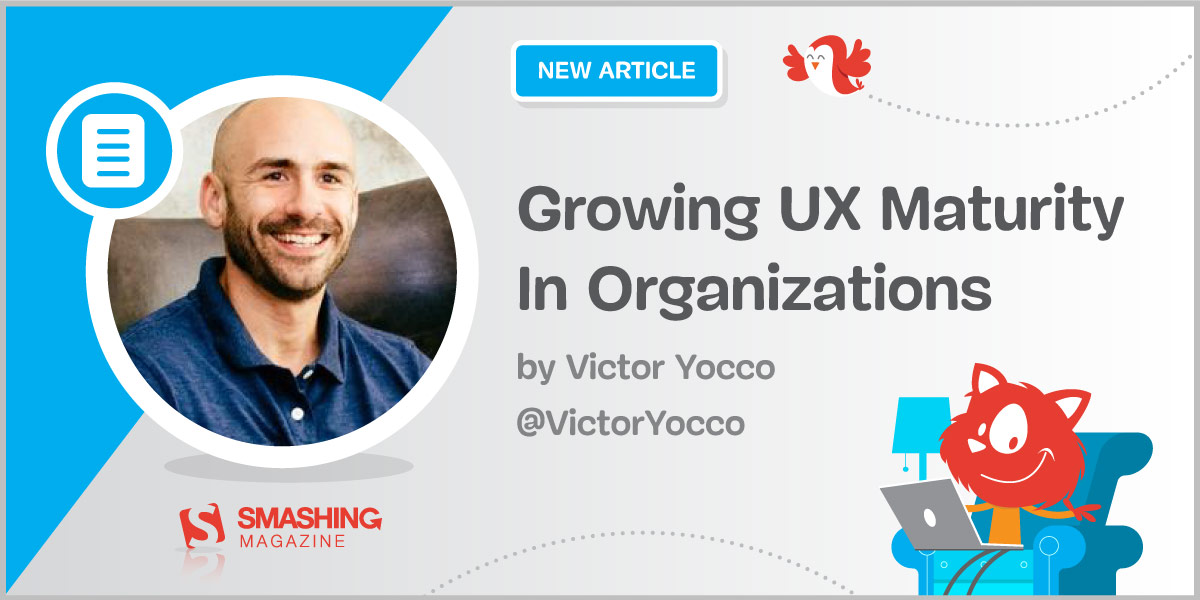
As noted by industry researchers Chapman and Plewes in their foundational 2014 studies, achieving great UX design is not simply a function of individual talent; it is an intrinsic organizational characteristic. Their model outlines five distinct stages of organizational UX maturity, spanning from "Beginning"—where UX is virtually non-existent—to "Exceptional," where user-centered practices are fully woven into business processes, adequately funded, and championed by executive leadership.
The Five Stages of UX Maturity
- Beginning: No UX presence, resources, or awareness.
- Awareness: Fledgling recognition of UX, though processes remain ad-hoc.
- Adopting: Isolated pockets of UX work applied to specific products or projects.
- Integrating: Cross-functional understanding of UX as a vital part of development.
- Exceptional: Fully integrated user-centric culture backed by ample resources and executive alignment.
While many practitioners work in environments beyond Stage 1, navigating the friction of early-stage or siloed environments (Stages 2 and 3) can lead to widespread frustration. Moving an organization forward requires abandoning passive theory and applying active, strategic tactics to demonstrate value.
Tactic 1: Finding and Utilizing UX Champions
When attempting to scale design practices within large, rigid enterprises, traditional top-down mandates often fail. Instead, organizational research highlights the necessity of innovation champions—individuals who enthusiastically support and drive the growth of a new idea or methodology.
Identifying the Right Champions
UX champions do not need to be practicing designers. Rather, they are strategically positioned allies who possess the political capital, networks, and motivation to advocate for UX resources, budgets, and integration.
When searching for potential champions within an organization, practitioners should look for answers to key diagnostic questions:
- Who willingly spends time and energy championing ideas they believe in?
- Who is most receptive to incorporating UX into products or services under their purview?
- Who possesses the ability to build and maintain cross-functional networks?
- Who stands to gain an immediate, tangible benefit from improved product usability?
- Who consistently expresses dissatisfaction with current, inefficient development processes?
Case Study: Logistics Transformation
The real-world impact of this tactic is evident in a recent transformation initiative at a major international logistics company. Despite branding itself as a "customer-first" organization, the company lacked unified UX processes, treating design as an afterthought.

When brought in as a consultant, Victor Yocco initiated the project not by demanding sweeping structural overhauls, but by actively listening, mapping relationships, and identifying key stakeholders. Within a month, the team pinpointed a highly motivated product owner—not an executive, but a well-connected influencer managing a mission-critical product.
By collaborating directly on targeted research and design projects, this champion opened doors to executive leadership, secured permanent UX headcount, and established an ongoing repository of design resources. The result was a permanent cultural shift toward genuine customer-centric behavior.
Tactic 2: Demonstrating the ROI and Business Value of UX
While designers are naturally driven by empathy and the desire to build delightful experiences, corporate decision-makers evaluate initiatives through the lens of profit, loss, and risk mitigation. To secure long-term buy-in, UX practitioners must learn to articulate the Return on Investment (ROI) of their work.

Overcoming Industry Myths
According to the Nielsen Norman Group, three persistent myths often prevent teams from calculating UX ROI:
- ROI is impossible to calculate for design.
- ROI requires complex, expensive academic studies.
- ROI is strictly about immediate financial return.
In reality, ROI can be captured through a diverse array of Key Performance Indicators (KPIs) tailored to specific industries. While e-commerce platforms might focus heavily on conversion rates and cart abandonment, enterprise software or internal tooling may measure success through task completion speed, reduced onboarding times, support ticket volumes, or app store ratings.
Case Study: Medical Insurance Provider Overhaul
A large medical insurance provider experienced significant friction when consolidating multiple acquired companies onto a single software platform. Rolled out in phases without initial UX input, the system suffered catastrophic adoption failures. Independent agents abandoned the software, and call centers were flooded with requests for basic assistance.

Brought in to establish a usability workstream under tight budget constraints, the design team immediately partnered with project leadership to establish a robust framework of benchmark metrics, including user satisfaction scores, support call volumes, and completed policy quotes.
By tracking these analytics longitudinally, the team demonstrated a clear trajectory: users who experienced the UX-optimized secondary phases reported significantly higher satisfaction and required far fewer support interventions. Armed with this hard data, project leadership successfully petitioned the executive committee for continued, long-term UX funding.
Implications and Next Steps
Growing UX maturity across an enterprise is a marathon, not a sprint. As demonstrated through the strategic deployment of UX champions and the rigorous documentation of business ROI, design practitioners must act as educators and advocates.

By grounding design arguments in organizational reality and partnering with influential internal allies, teams can successfully lift their companies out of early-stage friction and into a sustainable, mature user-centric culture.
In the next installment of this three-part series, we will explore internal processes for documenting and sharing UX outcomes, as well as the mentorship structures required to elevate UX maturity to its highest levels.