In the contemporary digital economy, the adage "work smarter, not harder" has transitioned from a cliché into an operational necessity. For e-commerce founders and digital entrepreneurs, the endless treadmill of manually crafting promotional broadcasts, chasing lost carts, and drafting individual customer follow-ups has a definitive expiration date.
Enter the power of email automation: a sophisticated ecosystem of pre-built, behavior-triggered workflows designed to convert casual web browsers into paying buyers, and one-time purchasers into fiercely loyal brand advocates—all while the business owner sleeps.
Recent benchmark reporting from industry leader Omnisend highlights the staggering efficacy of this approach: automated emails generate an average of 320% more revenue per email than standard, one-off broadcast campaigns. Boasting significantly higher open, click-through, and conversion rates, automated systems have fundamentally redefined how modern enterprises scale their revenue streams.
The Genesis of Behavior-Driven Marketing: A Brief Chronology
To understand the current dominance of email automation, it is helpful to look at how direct-to-consumer (D2C) marketing has evolved over the past two decades.
- The Early 2000s (The Blast Era): Email marketing began largely as "batch-and-blast." Companies compiled large lists of email addresses and sent identical promotional newsletters to every subscriber simultaneously. While effective initially, diminishing returns and rising spam complaints forced an industry-wide pivot.
- The 2010s (Segmentation and Targeting): Marketers realized that personalizing content based on demographics and past purchase history vastly improved engagement. Software platforms began offering basic segmentation tools, allowing companies to separate men’s apparel buyers from women’s apparel buyers.
- The Late 2010s to Present (Trigger-Based Automation): Modern customer data platforms shifted the paradigm from static segmentation to dynamic, real-time behavioral triggers. Instead of marketers deciding when an email goes out, the customer’s actions on a website dictate the communication sequence instantly. Whether a user abandons a checkout cart, browses a specific category, or celebrates a customer milestone, the digital infrastructure responds automatically.
Supporting Data: Why Automation Outperforms Manual Broadcasts
The empirical data supporting automated email infrastructure is overwhelming. According to Omnisend’s aggregate platform analytics, transactional and behavioral triggers consistently outperform standard marketing blasts across every major key performance indicator (KPI):
- Revenue Impact: Automated workflows yield up to 3.2 times the revenue per individual email compared to manual campaigns.
- Engagement Metrics: Automated welcome and recovery flows frequently see open rates exceeding 40% to 50%, compared to the 15% to 25% industry averages typical of broad newsletters.
- Resource Allocation: Founders who implement comprehensive automated funnels report saving an average of 10 to 15 hours per week—time that can be redirected toward product development, high-level strategy, and brand expansion.
The 7 Essential Email Automations Every Brand Needs
Building a high-performing automated sales funnel does not require dozens of complex, overlapping sequences. In fact, most successful e-commerce brands rely on a core framework of seven foundational workflows. Together, these elements form a continuous loop that welcomes, converts, nurtures, and retains consumers.
1. The Welcome Series
Your welcome series serves as the digital handshake for your brand. Triggered immediately after a user subscribes—typically via a pop-up, checkout registration, or lead magnet download—this sequence spans three to five carefully spaced emails.
- The Goal: Beyond simply delivering an introductory discount code, this series introduces your brand ethos, shares your origin story, highlights best-selling items, and establishes social proof.
2. Abandoned Cart Flow
Cart abandonment is an inevitable friction point in e-commerce, driven by distractions, shipping fees, or hesitation. However, an abandoned cart is also a strong indicator of high purchase intent.
- The Goal: A 2-to-3-email sequence recovers lost revenue. The first email should deploy within an hour of abandonment, while subsequent follow-ups (at 24 and 48 hours) can introduce small incentives like free shipping or a time-sensitive discount to seal the deal.
3. Browse Abandonment Flow
Operating similarly to cart abandonment, browse abandonment targets visitors who examine a specific product category or item page but leave the site without adding anything to their virtual cart.
- The Goal: Re-engage undecided shoppers by sending a gentle reminder showcasing the viewed item, accompanied by customer reviews or complementary product recommendations.
4. Post-Purchase Sequence
Many brands make the critical mistake of going silent the moment a transaction concludes. Post-purchase automation bridges this gap by reinforcing the consumer’s decision and mitigating buyer’s remorse.
- The Goal: Provide immediate transactional clarity (order summaries, shipping tracking), followed by educational content on how to use the product, and eventually, recommendations for cross-sells or loyalty program enrollment.
5. Win-Back Flow
Over time, a percentage of your customer base will inevitably go dormant, failing to open, click, or purchase over a defined period (typically 60 to 120 days).
- The Goal: Reignite interest before losing the customer permanently. A win-back flow leverages personalized messaging, exclusive reactivation offers, or direct feedback requests to remind past buyers why they loved your brand.
6. Review Request Automation
User-generated content and social proof are the lifeblood of modern e-commerce conversion rates.
- The Goal: Triggered a set number of days after product delivery (allowing adequate time for shipping and initial use), this automation politely asks the customer for an honest review, often incentivized by a small loyalty perk or discount on their next order.
7. Milestone and Birthday Triggers
To elevate the consumer experience from transactional to relational, milestone automations celebrate birthdays, account creation anniversaries, or first-purchase milestones.
- The Goal: Cultivate emotional brand equity by delivering surprise gifts, exclusive perks, or early access to new product drops based on calendar dates.
Official Industry Responses and Optimization Strategies
Industry experts emphasize that launching these flows is merely the first step. The difference between average-performing brands and market leaders lies in continuous optimization and iterative testing.
"Email automation isn’t a ‘set-and-forget’ mechanism," notes retail marketing strategist Elena Vance. "The brands seeing extraordinary returns treat their flows like a living product. They review data quarterly, test subject lines, adjust call-to-action (CTA) placements, and refine timing to match evolving consumer habits."
Best practices for iterative optimization include:
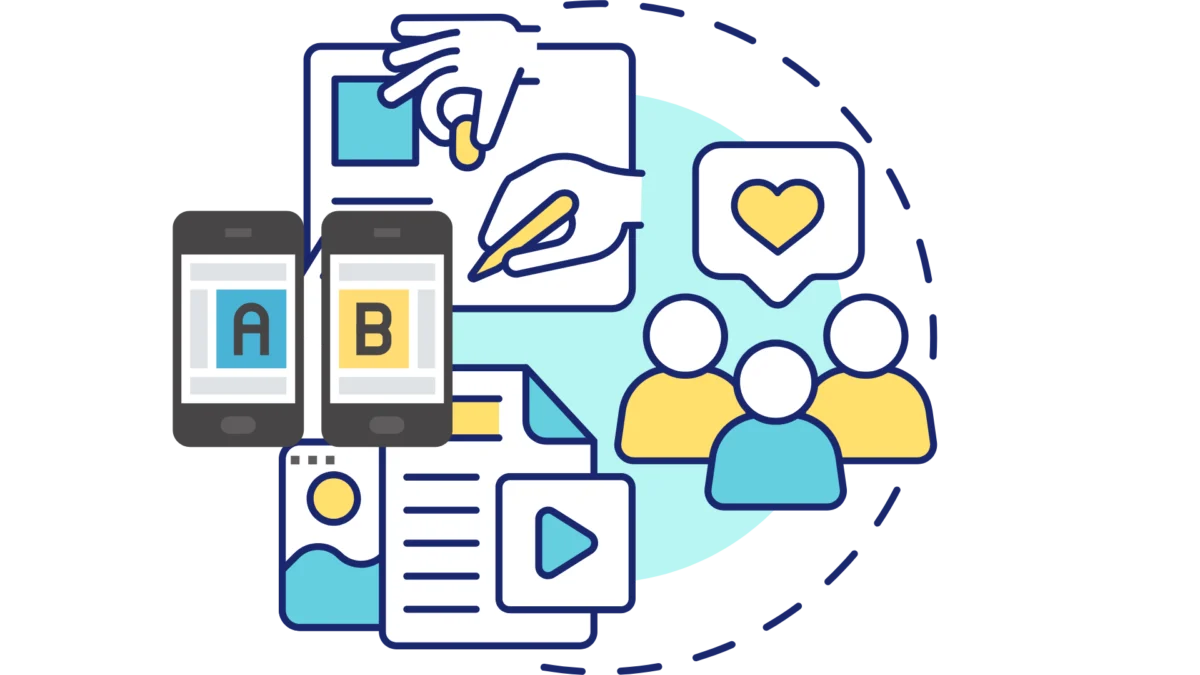
- A/B Testing: Isolate single variables—such as subject line hooks, button copy, or discount thresholds—to determine what statistically drives higher conversion rates.
- Timing Adjustments: Analyze whether an abandoned cart reminder performs better at the 1-hour mark or the 3-hour mark based on your specific product price point and consumer demographic.
- Content Pruning: If engagement drops significantly by email #3 in a welcome series, streamline the sequence or reorder the value propositions to maintain subscriber attention.
Implications for the Future of E-Commerce
The widespread adoption of behavior-driven email automation carries significant implications for the competitive landscape of digital retail:
- Lower Barriers to Entry: Small bootstrap teams and solo founders can now compete effectively with legacy retail giants by utilizing sophisticated automated marketing funnels that mimic enterprise-level customer service and follow-up.
- Data-Driven Personalization: As privacy regulations tighten and third-party cookies phase out, first-party data gathered through owned media channels like email becomes the most valuable asset in an entrepreneur’s portfolio.
- Shift Toward Relationship Marketing: By automating administrative and transactional communications, founders are freed to focus on high-level community building, product innovation, and creative storytelling.
Ultimately, email automation is not merely a tool for doing less—it is a strategic framework for operating with greater intelligence. By deploying the right sequences through robust platforms like Omnisend, e-commerce brands can secure sustainable, compounding revenue growth while building deeper, more meaningful connections with their audience.