By Tech & Entrepreneurship Desk
Published in partnership with the Niche Pursuits Podcast
In the fast-moving landscape of artificial intelligence, digital creators often chase fleeting trends, launching tools and content that fade as quickly as they appear. However, seasoned founders approach the space with a different playbook—one grounded in decades of operational experience, rigorous process engineering, and audience trust.
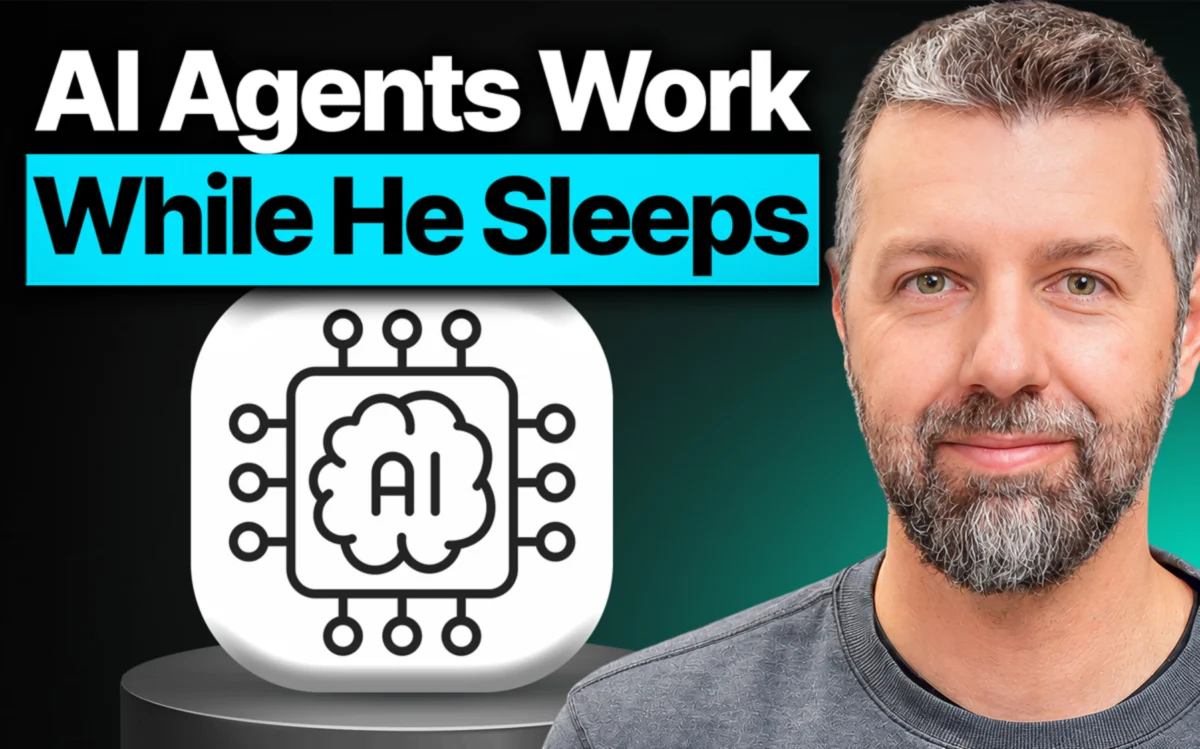
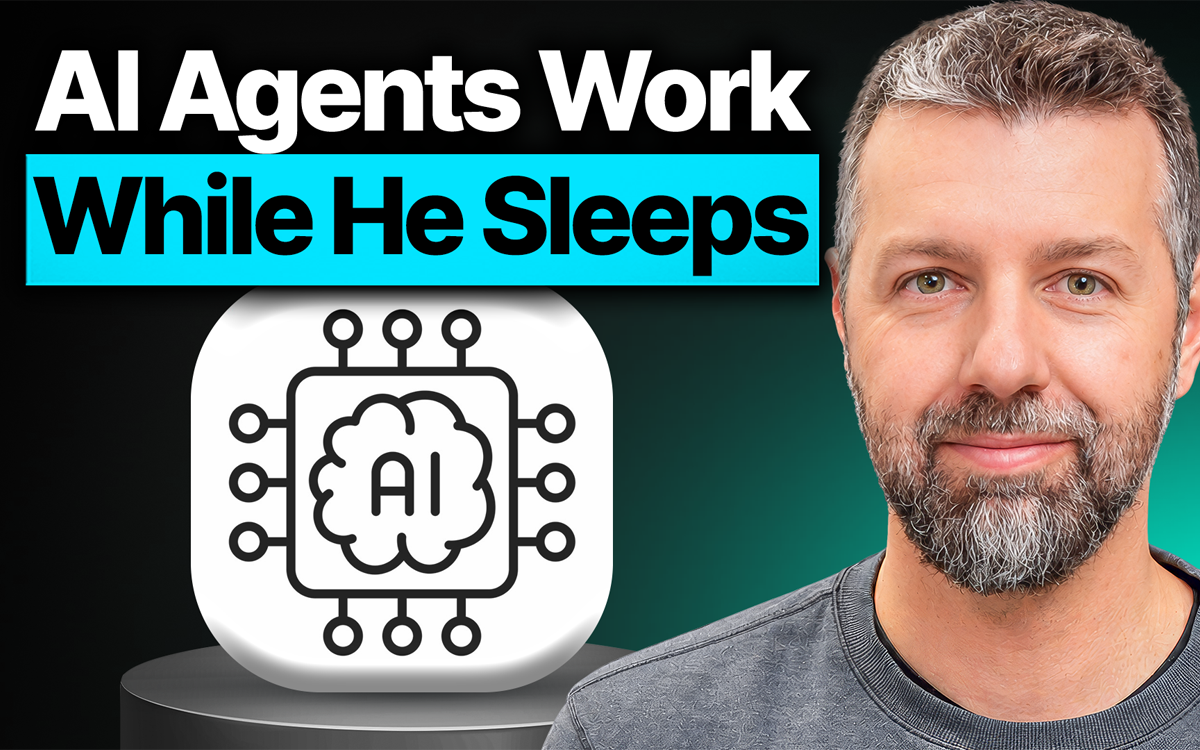
In a recent episode of the Niche Pursuits podcast, veteran designer, developer, and entrepreneur Brian Casel sat down to discuss his latest venture, Builder Methods. Drawing on roughly 20 years in the trenches of bootstrapped business building, Casel is charting a masterclass in how to leverage YouTube, email marketing, community building, and AI agents to construct a modern, resilient enterprise from the ground up.
Main Facts: The Blueprint Behind Builder Methods
At its core, Builder Methods is an educational platform and community designed to help founders, operators, and non-coders harness the power of AI agents and custom software development. Unlike typical speculative tech startups, the project is anchored by Casel’s extensive two-decade background in building and scaling digital products.
The business model relies on a classic yet highly optimized digital funnel:
- Top-of-Funnel Reach: High-production, deeply technical YouTube videos focusing on AI building, Claude Code, and spec-driven development.
- Relationship Building: A weekly newsletter that nurtures subscribers through free tools, insights, and actionable advice.
- Core Monetization: Builder Methods Pro, a paid annual membership providing access to an extensive course library, technical training, and an active community of peer builders.
- Operational Leverage: Casel actively utilizes scheduled AI agents to handle recurring administrative, marketing, and developmental tasks within his own workflow, turning theoretical AI concepts into practical case studies.
Chronology: Two Decades of Iteration Leading to AI
Casel’s journey to Builder Methods did not happen overnight. It is the culmination of twenty years of continuous adaptation across the digital economy.
1. The Early Years: Design and Development
Casel began his career roughly two decades ago as a web designer before transitioning into development. As a bootstrapped entrepreneur, he was forced to learn the mechanics of marketing, sales, content creation, and operations firsthand—skills that would form the bedrock of his future ventures.
2. Scaling and Selling Audience Ops (2015–2020)
One of Casel’s most notable operational milestones was Audience Ops, a productized content marketing service. Launched in 2015, the agency successfully served businesses for half a decade before Casel orchestrated its sale in 2020, proving his ability to package complex services into repeatable products.
3. Launching Clarityflow (2021)
Demonstrating his continued commitment to software-as-a-service (SaaS), Casel launched Clarityflow in 2021. Built specifically for coaches and consultants who rely on asynchronous video, audio, and text messaging to communicate with clients, this venture remains active in his portfolio today.
4. The 2024 Pivot: Shifting Focus as SaaS Growth Stabilized
By 2024, while working full-time on Clarityflow, Casel encountered a familiar hurdle known to many bootstrapped SaaS founders: steady, incremental growth that lacked breakout momentum. Rather than forcing aggressive scaling on a mature product, Casel looked for a fresh direction that aligned with his evolving interests in generative AI and software automation. This realization laid the groundwork for Builder Methods.
5. The YouTube Acceleration (2024–2025)
Casel began taking YouTube seriously roughly two years prior, initially covering topics like Ruby on Rails and experimental software products. However, in early to mid-2025, he pivoted the channel’s focus toward AI building, Claude Code, and spec-driven development. This timely shift catalyzed rapid audience growth, culminating in breakout hits like his March OpenClaw video, which helped push his channel toward the one-million-view milestone.
Supporting Data & Metrics: The Anatomy of a Modern Funnel
The success of Builder Methods is supported by distinct content and conversion metrics that illustrate the economics of modern creator-led businesses:
- YouTube Performance: Casel’s videos range wildly in performance, demonstrating the duality of niche content. While viral hits like his OpenClaw feature and multiple Claude Code tutorials pull in 50,000 to 60,000 views, smaller, highly targeted videos regularly land between 1,000 and 3,000 views in their first couple of weeks. Crucially, Casel notes that these "smaller" videos often attract the most deeply engaged prospects—viewers who ultimately convert into newsletter subscribers and paid community members.
- Production Investment: Producing a 15- to 20-minute YouTube video is no casual endeavor. A single piece of content can require multiple full-time days of work, spanning ideation, scriptwriting, technical execution, editing, and thumbnail design.
- Community Depth: At the time of the podcast interview, Builder Methods Pro housed over 100 structured training videos organized into comprehensive courses. The accompanying community connects hundreds of active builders ranging from software engineers to non-technical professionals.
Official Insights: Refining the Customer Avatar
One of the most critical evolutions in Casel’s strategy has been the refinement of his target audience. When Builder Methods first launched, the messaging leaned heavily toward professional developers seeking to integrate AI coding assistants into their existing workflows.
However, over recent months, Casel expanded his focus to include business owners, operators, and non-coders. His rationale is rooted in a fundamental truth about business operations: you do not need to be a traditional programmer to build useful AI tools.
According to Casel, business owners who have spent years writing Standard Operating Procedures (SOPs), hiring teams, or managing recurring workflows already possess the exact mindset required to deploy AI agents effectively.
"AI agents are often less about writing complex code and more about describing repeatable work," Casel explains. "If you know how to delegate tasks, write clear instructions, and manage an assistant, you already know how to build with AI."
This realization opens up the value proposition to a massive market of non-technical entrepreneurs—from dental practice managers building internal bookkeeping tools to local service agencies automating client intake.
Implications: The Shift Toward Agent-Driven Workflows
The conversation between Casel and the Niche Pursuits host sheds light on broader macroeconomic and operational shifts in how modern businesses function.
1. Agents as Workers, Not Just Chatbots
Many business owners view artificial intelligence through the lens of one-off chat prompts—asking an LLM to write an email or brainstorm a headline. Casel’s approach treats AI agents as continuous, scheduled workers. By building automated workflows that run hourly or daily to handle tasks like data processing, content sorting, and lead management, businesses can achieve unprecedented operational leverage without expanding headcount.
2. The Blurring Lines Between "Technical" and "Non-Technical"
As natural language interfaces and agent frameworks become more sophisticated, the barrier to building custom internal software is collapsing. As demonstrated by Builder Methods Pro members—such as a California dental practice operator building custom case-management tools—domain expertise is rapidly becoming more valuable than raw programming skills. Those who understand business processes are uniquely positioned to build the software that automates them.
3. A Sustainable Content-to-Commerce Architecture
Casel’s business model provides a blueprint for digital entrepreneurs aiming to escape the advertising-dependent creator economy. By using YouTube purely as a high-reach awareness engine, transitioning viewers into a controlled email ecosystem, and monetizing via high-value recurring memberships rather than volatile brand deals, creators can build durable, resilient businesses insulated from algorithmic shifts.
Conclusion
Brian Casel’s transition from a traditional SaaS and productized service founder to an AI-first educator highlights a vital lesson for modern entrepreneurs: experience compounds.
By combining two decades of operational wisdom with the leverage of modern AI tools and agents, Casel has built a lean, highly profitable enterprise that teaches others how to do the same. As the business world continues to adapt to the age of artificial intelligence, the greatest winners may not be Silicon Valley engineers, but pragmatic operators who know how to turn everyday processes into automated workflows.
To watch the full interview and dive deeper into Brian Casel’s building strategies, visit the official Niche Pursuits podcast channel on YouTube.