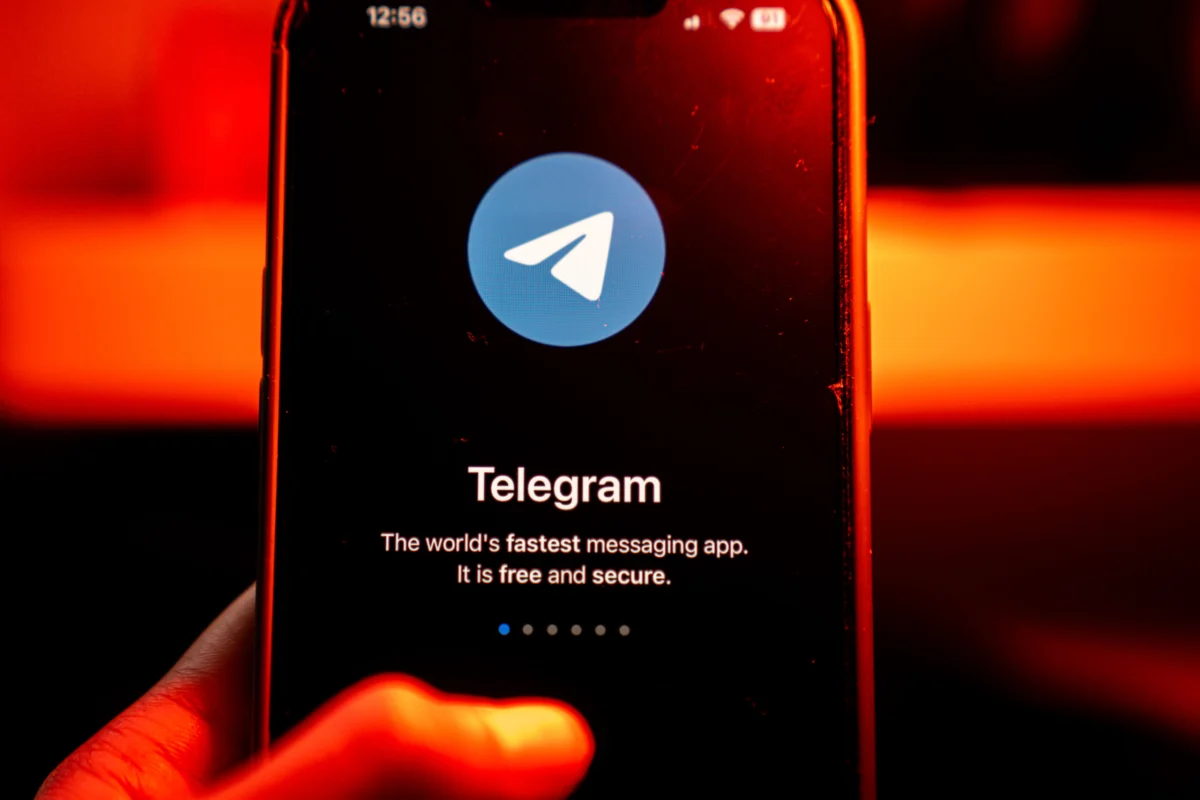
In an unprecedented move that underscores the escalating tension between Indian authorities and global messaging platforms, the National Testing Agency (NTA) has moved to restrict access to Telegram. This decision, aimed at safeguarding the integrity of the National Eligibility Entrance Test (NEET-UG), comes as the country grapples with a systemic crisis in its education sector. With millions of students’ futures hanging in the balance, the government is resorting to drastic digital measures to curb the influence of organized cheating syndicates.
The Trigger: A Crisis of Confidence
The NEET (UG) exam is arguably India’s most high-stakes academic hurdle, acting as the sole gateway for aspirants seeking admission to top-tier medical colleges. However, the recent examination cycle was marred by a significant paper leak scandal that dominated national headlines, sparked federal investigations, and led to widespread protests from students and parents alike.
The upcoming re-test, scheduled for June 21, is intended to restore faith in the system. Yet, the NTA remains on high alert. Citing intelligence regarding the organized use of Telegram by illicit syndicates, the agency issued an order to block the platform until June 22—one day after the examination. The intent is clear: to prevent the dissemination of leaked papers, the circulation of misinformation, and the solicitation of vulnerable students by fraudsters promising "guaranteed" passes.
Chronology of the Regulatory Crackdown
The decision to target Telegram did not emerge in a vacuum; it is the culmination of weeks of heightened scrutiny over the messaging app’s role in facilitating clandestine criminal activities.
- Mid-May 2024: Reports of widespread irregularities in the NEET-UG exam surface, triggering a national outcry.
- Early June 2024: Federal investigative agencies link the proliferation of "leak networks" to encrypted communication channels, with Telegram emerging as a primary hub for these activities.
- Tuesday, June 18: The NTA announces an official order under Section 69A of India’s Information Technology Act, mandating a temporary ban on Telegram.
- The Mandate: Beyond the platform-wide ban, the NTA has requested that Telegram disable its "message-editing" feature—a tool they argue is frequently used to alter evidence and create post-hoc fabrications of leaks to sow discord among the student body.
- The Deadline: The restrictions are set to expire on June 22, with the message-editing restriction requested until June 30.
Examining the Legal Framework: Section 69A
The legal cornerstone of this action is Section 69A of the Information Technology Act. This provision grants the Indian government the power to issue directions for blocking public access to any information generated, transmitted, received, stored, or hosted in any computer resource.
Historically, this section has been used to block specific websites or individual social media accounts deemed prejudicial to the sovereignty, integrity, or public order of India. However, applying this section to an entire platform of Telegram’s scale—which hosts millions of legitimate users—represents a significant escalation in the government’s digital governance strategy.
Digital Rights and the Question of Proportionality
The move has not gone unchallenged. The Internet Freedom Foundation (IFF), a prominent digital advocacy group, has been vocal in its opposition, framing the ban as a "disproportionate" response to a complex systemic issue.
The "Band-Aid" Argument
Critics argue that blocking a messaging platform is akin to placing a band-aid on a gaping wound. If cheating syndicates are active, they will likely migrate to alternative encrypted services, such as Signal, WhatsApp, or decentralized dark web forums. By focusing solely on the communication tool, the NTA is accused of ignoring the root causes of the leak: institutional corruption, compromised security at printing presses, and gaps in the invigilation process.
The Question of Overreach
Legal experts are raising concerns about whether Section 69A was intended to be used as a blunt instrument for platform-wide bans. The IFF suggests that if specific content is the problem, the government should request the removal of that content rather than shuttering the entire service. This "sledgehammer" approach risks impacting millions of users who rely on Telegram for professional, educational, and personal communication, creating a collateral damage scenario that undermines the principles of a free and open internet.
The Significance of the Indian Market
India is currently Telegram’s largest market by downloads globally. The platform has become deeply embedded in the country’s digital infrastructure, serving as a primary channel for educational resources, government communication, and grassroots organization.
The fact that the government has targeted such a massive platform reflects the severity of the situation. For Telegram, the situation is precarious. The company has historically maintained a policy of minimal intervention regarding private chats, citing privacy and encryption as core tenets. However, the pressure from the Indian government, combined with the global trend toward stricter platform regulation, leaves Telegram in a difficult position: comply and risk alienating its user base, or resist and face the possibility of being permanently ousted from its most important market.
Official Responses and the "Silent" Status Quo
As of the time of writing, the situation remains fluid. Despite the official order, Telegram remained accessible in many parts of India, and its message-editing features appeared fully functional. This discrepancy highlights the technical challenges of enforcing such bans across various internet service providers (ISPs).
Both Telegram and the Ministry of Electronics and Information Technology (MeitY) have remained largely silent, providing no immediate comment on the mechanics of the ban or the potential for a long-term resolution. This silence has fueled speculation regarding whether the order is being implemented in stages or if there are behind-the-scenes negotiations taking place between the platform and the government.
The Broader Implications: What Lies Ahead?
The NEET-UG scandal is more than just an exam controversy; it is a catalyst for a national debate on the intersection of technology, education, and state surveillance.
1. The Future of Exam Security
The government is clearly moving toward a "zero-tolerance" policy regarding exam leaks. Future security protocols may include the installation of signal jammers at exam centers, the use of blockchain-based question paper distribution, and stricter monitoring of online forums.
2. Regulatory Pressure on Big Tech
This incident serves as a warning to other messaging platforms. If Telegram can be targeted for the actions of a few bad actors, platforms like WhatsApp or Signal could face similar demands in the future. The Indian government is signaling that it expects platforms to take greater responsibility for the content circulating on their networks, even in encrypted environments.
3. The Erosion of User Privacy?
The NTA’s request to disable specific features, such as message-editing, sets a dangerous precedent. It suggests that the government is willing to dictate the design and functionality of global software products to suit national security objectives. This could lead to a fragmented internet where global platforms are forced to adopt "India-specific" versions of their services, potentially compromising the privacy protections afforded to users.
Conclusion: A Delicate Balance
As millions of students prepare for the June 21 re-test, the air is thick with uncertainty. The block on Telegram is a symbolic move—a signal that the state is "doing something" to protect the integrity of the exam. Yet, the real test lies in whether these actions will actually stop the leakage of information or simply force the syndicates to evolve into more sophisticated, harder-to-track entities.
The conflict between the NTA and Telegram is a microcosm of a larger, global struggle. As nations attempt to rein in the influence of digital platforms on public life, the balance between security and civil liberties becomes increasingly fragile. For now, the students of India are the primary stakeholders in this high-stakes standoff, watching to see if their hard work will be protected by state intervention, or if the digital infrastructure they rely on will be sacrificed in the name of a quick fix.