By the Editorial Desk
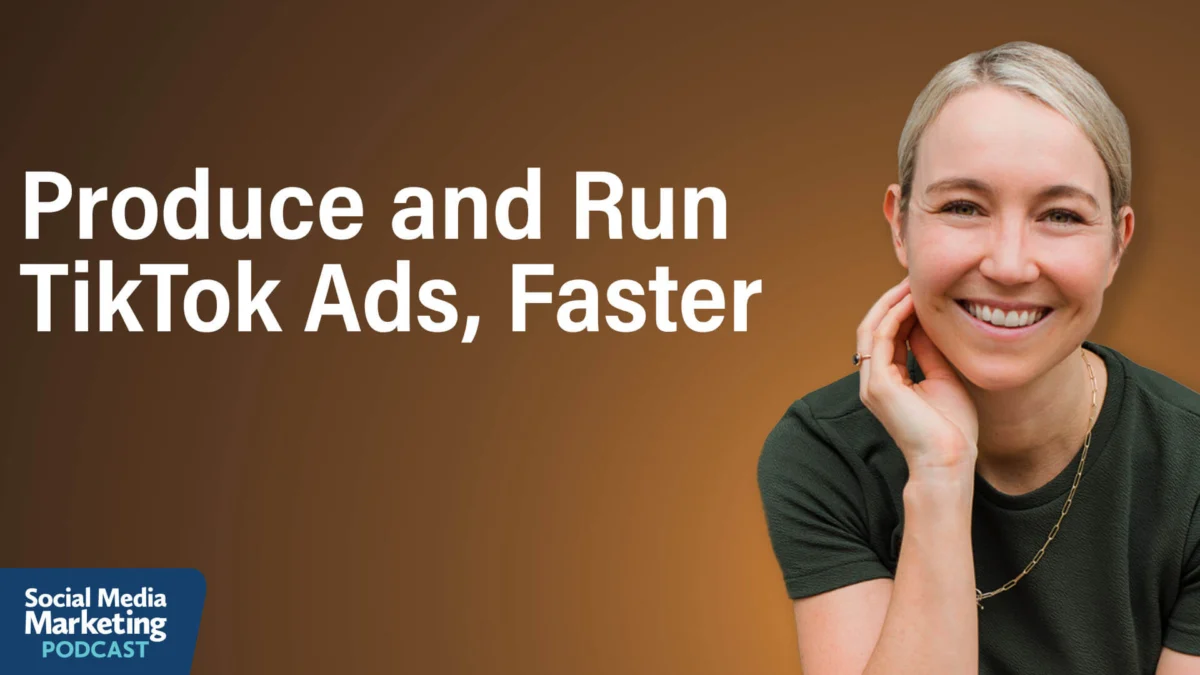
Published in partnership with industry experts, including short-form video specialist Melissa Laurie.
Main Facts: The AI Revolution on TikTok
The landscape of digital advertising is undergoing a structural transformation. For years, small-to-medium-sized business (SMB) owners and novice marketers faced a daunting barrier to entry when attempting to launch paid campaigns on TikTok. The platform’s native Ads Manager interface, characterized by a steep learning curve and intricate navigation requirements, often required specialized agency support or extensive technical training to master.
Today, that paradigm is shifting. TikTok has introduced a suite of advanced, AI-powered tools designed to democratize campaign creation, management, and optimization. Anchored by the newly launched Agentic Hub, Symphony Creative Studio, and Content Suite, these innovations leverage generative artificial intelligence to handle everything from strategic ideation to automated reporting.
Through the implementation of the TikTok for Business Model Context Protocol (MCP), marketers can now connect conversational AI agents—such as Claude and ChatGPT—directly to their TikTok Ads Manager accounts without writing a single line of code or managing complex API credentials. This integration bridges the gap between raw data and actionable strategy, allowing users to query campaign metrics, brainstorm ad concepts, and draft performance optimizations using plain, conversational language.
Chronology: How the Ecosystem Evolved
The journey toward conversational advertising automation did not happen overnight. Understanding the current state of TikTok advertising requires examining the chronological progression of ad tech integration:
- The Traditional Era (Pre-API/Manual Management): Advertisers relied strictly on native platform interfaces. Executing campaigns demanded deep manual oversight, from setting up individual ad groups to meticulously analyzing performance metrics within rigid dashboards.
- The Developer-Dependent Integration Phase: As marketers sought to streamline operations, integrating AI tools required hiring specialized software developers to custom-build API bridges. This approach was cost-prohibitive for smaller brands, restricting advanced automation to enterprise-level budgets.
- The MCP Protocol Breakthrough: TikTok launched its Model Context Protocol (MCP) infrastructure, creating a secure, standardized pipeline for external AI agents to communicate bi-directionally with ad platforms. This development eliminated the need for custom coding.
- The Launch of Agentic Hub and Official AI Skills: TikTok rolled out the Agentic Hub alongside downloadable instruction sets (AI skills) like the Viral Video Creator and Ad Group Optimizer. Simultaneously, upgrades to Symphony Creative Studio enabled end-to-end video generation from basic text briefs, officially welcoming the era of agentic, AI-assisted advertising.
Supporting Data and Technical Architecture: How MCP Works
To understand how non-technical marketers can now successfully run TikTok ads, one must examine the mechanics of the Model Context Protocol. Short-form video expert Melissa Laurie breaks down the architecture using an accessible analogy: "Think of TikTok Ads Manager as the restaurant, the MCP as the waiter, and your preferred AI tool—like Claude or ChatGPT—as the menu."
Once the secure connection is established, the AI functions as an intelligent intermediary. Depending on the permissions granted, these integrations fall into two operational categories:
- Read-Only Connections: Ideal for analytics, these permit the AI to pull performance reports, diagnose underperforming campaigns, and answer data-driven questions.
- Read-and-Write Connections: These allow the AI to draft campaigns, adjust targeting parameters, and modify settings directly from the conversational interface upon user command.
Furthermore, official AI skills function as prebuilt expert frameworks. Instead of prompting an AI with generic commands like "Write me a TikTok ad," marketers can install specialized packages—such as ByteDance’s C-Dance skill or account diagnosis co-pilots—that inject deep platform-specific logic into the conversation. This drastically reduces the trial-and-error phase of campaign setup, elevating novice strategies closer to expert execution.
Official Responses and Expert Insights
While the promise of automated advertising is alluring, industry veterans caution against blindly trusting machine-generated recommendations. Melissa Laurie emphasizes that AI tools should be viewed as collaborators rather than infallible authorities.
"When a new creative has only been running for a few days, TikTok’s AI might recommend pausing it because it isn’t performing as well as older creative," Laurie explains. "That recommendation ignores the fact that the platform naturally prioritizes ads that have accumulated historical data. Marketers must apply human judgment and push back by asking questions like, ‘What’s another way to do this?’ or ‘Could I be doing this better?’ When challenged, AI tools consistently revise and improve their suggestions."
The Limits of AI Video Generation
When examining Symphony Creative Studio, which generates end-to-end video assets from simple text prompts, expert consensus points to a clear boundary: AI-generated human avatars are not yet ready for prime time.
Brands experimenting with artificial presenters often face consumer skepticism. When an artificial avatar looks into the camera and claims, "All my friends are talking about this product," the lack of authenticity triggers immediate trust barriers.
However, Symphony excels in specific, high-efficiency workflows:
- Product Showcase Videos: Beauty and e-commerce brands are successfully leveraging AI to generate hundreds of variations of product footage per week. By uploading high-resolution product imagery, brands can render complex material textures, lighting effects, and multi-angle showcases without setting up a physical studio.
- Hybrid Content Enhancement: Rather than replacing human creators, top agencies use AI to enhance real footage. For instance, brands partner with creators to film standard demonstrations, then use AI to overlay visual elements—such as animated graphics or dramatic before-and-after effects—to amplify engagement.
Implications for Marketers and Agencies
The integration of generative AI into TikTok’s advertising ecosystem carries profound implications for the digital marketing landscape.
1. The Death of the Technical Barrier
Small and medium-sized enterprises (SMBs) that were previously priced out of professional media buying can now leverage conversational interfaces to navigate the platform. By utilizing Content Suite’s AI search upgrade, novice marketers can conduct competitive research, analyze regional trends, and study top-performing user-generated content (UGC) before spending a single dollar.
2. A Shift in Required Skill Sets
As automation handles mechanical execution, the value of human marketers shifts from technical dashboard management to strategic prompting, creative direction, and narrative structure. Success on TikTok increasingly depends on mastering the fundamental anatomy of short-form video:
- The First Frame: Grabbing attention instantly in a fast-moving, high-competition feed.
- Billboard Text: Utilizing clear on-screen text overlays that communicate value at a single glance.
- The Glue: Designing smooth narrative transitions that bridge the gap between the initial hook and the core content.
- Sharp Endings: Cutting videos cleanly rather than winding down, signaling strong completion rates to the platform’s distribution algorithm.
3. The Evolving Role of Agencies
Rather than rendering marketing agencies obsolete, AI tools are redefining their value proposition. Just as commercial aviation offers economy, business class, and first class to reach the same destination, AI enables a viable "do-it-yourself" economy tier. However, brands seeking comprehensive, full-service execution will continue to rely on agencies to orchestrate complex campaigns at scale.
Conclusion
Is AI making it possible for anyone to run effective TikTok ads? The answer is a qualified yes. By combining conversational protocols like MCP, prebuilt AI skills, and powerful creative hubs like Symphony and Content Suite, the technical friction of digital advertising has plummeted.
Yet, technology alone cannot replace strategic intuition. The marketers who will achieve sustainable success on TikTok are those who use AI to accelerate production and analyze data, while grounding their creative output in authentic human storytelling and rigorous critical thinking.