The social media landscape is shifting beneath the feet of marketers. For years, the "link in bio" has served as the mandatory bottleneck for Instagram traffic, a digital gatekeeper that often frustrated user journeys and dampened conversion rates. However, recent updates from Instagram indicate a strategic pivot toward more integrated, frictionless experiences.
In a recent deep-dive discussion, digital marketing expert Chelsea Peitz—alongside hosts Michael Stelzner and Jerry Potter—unpacked the latest suite of Instagram tools designed to reclaim user attention, optimize grid aesthetics, and streamline production. As these features roll out, brands must decide whether to lean into these new capabilities or maintain traditional workflows.
1. The Power of Direct Attribution: Caption Links
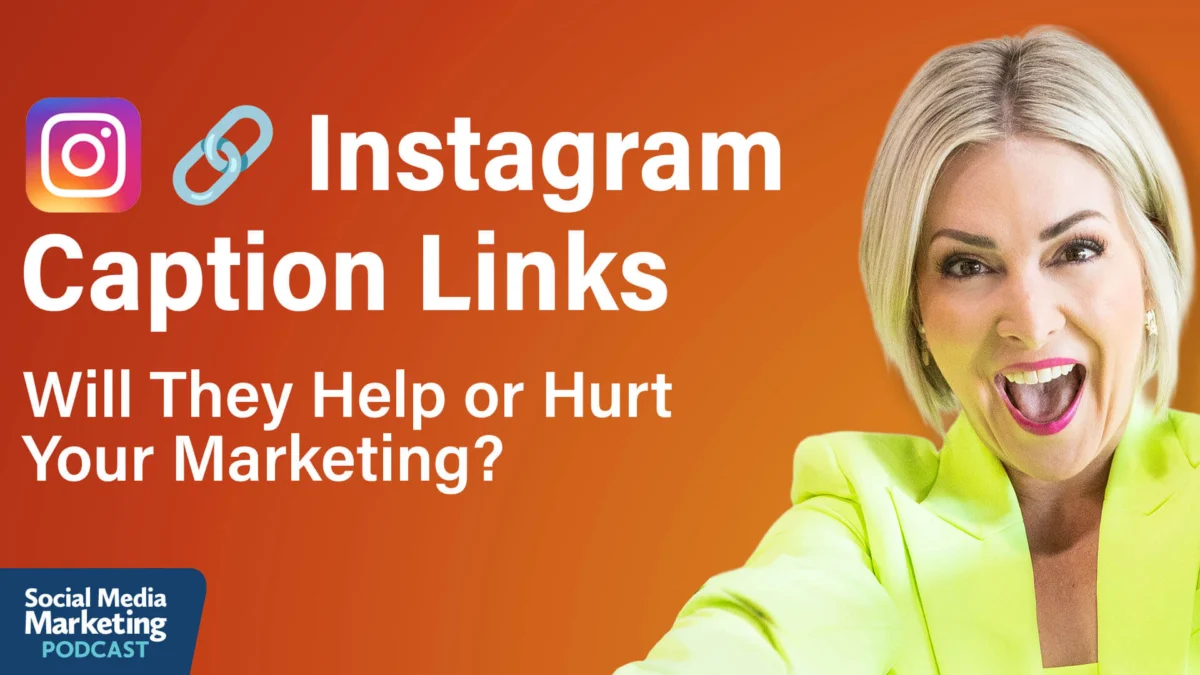
Perhaps the most significant change currently in testing is the introduction of clickable links directly within post captions. This feature, currently available to select Meta Verified users, represents a seismic shift in how brands can drive traffic.
The Mechanics of Access
The rollout of caption links is nuanced. Currently, the feature is tied to "Creator" and "Publisher" account types rather than standard "Business" accounts. This has created a widespread misconception among marketers who assume they lack the feature due to a slow rollout, when in reality, their account classification is the barrier.
Peitz emphasizes that the distinction between account types is fluid. For those utilizing the full copyright-free music library, switching between account categories in the backend settings—without a full migration to a Creator profile—has long been a successful workaround. It is highly probable that the same logic applies to caption links, suggesting that a simple category adjustment could unlock these features for many business users.
The Trade-off: Reach and Revenue
The logic behind limiting this feature to Meta Verified subscribers is rooted in platform economics. Every click that leads a user off-site represents a loss of "watch time" or "session time," which is the primary currency of the Instagram algorithm.
Meta is effectively hedging against this loss of engagement through subscription revenue. By paying for a Meta Verified status, brands are essentially purchasing the right to direct traffic away from the platform. At the current $49/month tier, the value proposition is becoming increasingly clear: subscribers aren’t just paying for a blue checkmark; they are paying for a performance-marketing toolset that includes the ability to insert up to 10 clickable links per month.
Strategic Implementation
To leverage this, brands should move away from generic "link in bio" calls to action and start treating post captions as direct-response landing pages.
- Direct Conversions: Use links to point users toward high-intent pages, such as specific product checkout pages, whitepapers, or course registrations.
- The "Evergreen" Anchor: Pin a high-value "Start Here" post to your profile grid. By embedding a clickable link in the caption of this evergreen content, you ensure that every new visitor—regardless of when they arrive—has an immediate path to conversion.
2. Aesthetic Governance: Grid Customization and Thumbnails
While the caption links are about performance, the new grid customization features are about brand equity. Instagram has finally granted users the ability to manipulate their profile grid without the need to archive or delete content.
Enhanced Grid Control
Users can now zoom, crop, and replace thumbnail images directly from the profile view. Crucially, these changes apply only to the grid aesthetic, leaving the actual video or post content in the feed untouched. Furthermore, the ability to drag and drop posts to rearrange the grid allows for a more curated, editorial approach to one’s profile.

The "First Impression" Imperative
Peitz highlights that while existing followers may rarely visit the profile page, the grid remains the primary landing page for new discovery. When a user finds a brand via a Google search, a LinkedIn referral, or a recommendation from an AI search tool, they are often browsing on desktop. In these instances, the grid acts as a brand’s homepage.
For service-based businesses, luxury brands, or creators where visual identity is paramount, this level of control is a significant win. It allows for "retroactive optimization"—taking high-performing content that previously lacked a clear, branded thumbnail and updating it to align with current visual standards.
3. The Rise of Branded Sticker Ecosystems
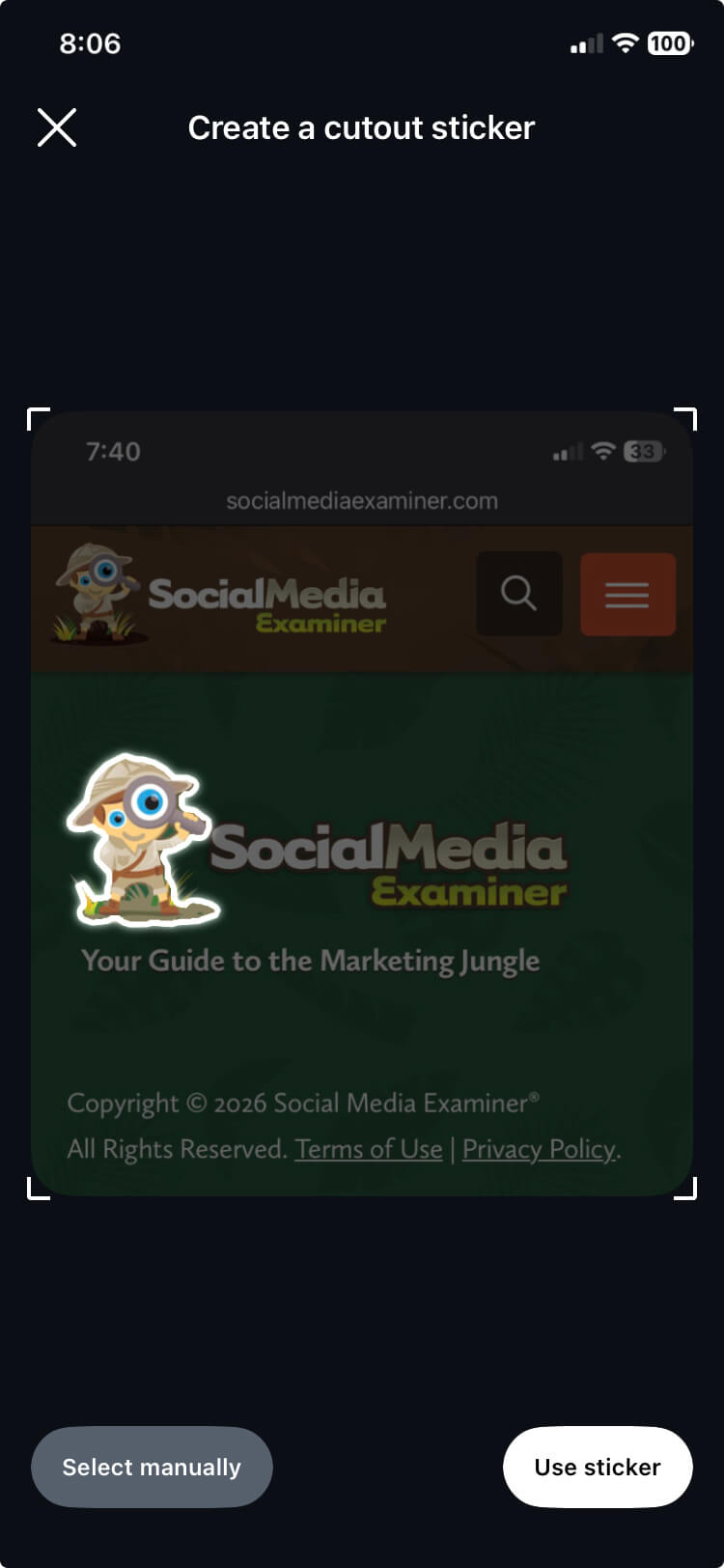
Instagram is aggressively expanding its sticker capabilities, specifically with "Cutouts" and custom Giphy integration. These tools allow brands to create proprietary visual assets that users can interact with.
The Psychology of Sticker Adoption
The common trap for brands is creating overly commercial stickers. A logo-centric sticker is rarely used by anyone outside of the brand’s own staff. To succeed, brands must pivot toward "meme-ification."
The most successful branded stickers capture a specific emotion, reaction, or shared identity. When a sticker functions as a proxy for an expression, users are far more likely to incorporate it into their own stories.
Campaign Mechanics and UGC
Branded stickers are most effective when tied to a specific call to action or a User-Generated Content (UGC) campaign. By asking participants to use a specific sticker as part of a contest or challenge, brands can increase the reach of their visual assets.
Pro Tip: Avoid generic keywords when uploading to Giphy. If you tag a sticker with "Happy," it will be lost in a sea of millions. Use a highly specific, unique, and perhaps slightly nonsensical string of characters that your community can search for to instantly surface your branded assets.
4. The Evolution of the Instagram Edits App
The Instagram Edits app has quietly evolved from a basic trimmer into a robust, all-in-one video production studio. For many creators, it has replaced third-party editors entirely.
Templates and the UGC Barrier
Video templates—which allow users to share pre-defined transitions, timing, and music tracks—are a game-changer for brand marketing. A brand can create a high-production-value template, share it publicly, and invite its audience to "remix" it with their own footage. This removes the technical friction that often prevents followers from contributing to a campaign, while ensuring that all resulting content adheres to the brand’s visual and auditory identity.
The Voiceover Teleprompter
The new voiceover teleprompter feature addresses a major pain point: the cognitive load of trying to synchronize narration with a moving video timeline. By allowing creators to read a script while recording audio separately, the app enables a much higher level of polish and precision in storytelling, ensuring that the narration lands exactly as intended.
In-Reel Linking: Closing the Loop
Perhaps the most understated update is the ability to link to other profiles or specific Reels from within a video. This allows for the creation of "content funnels" within the platform. A brand can guide a viewer from a broad-reach Reel into a more specific, value-driven series, keeping the user within the ecosystem while moving them closer to a final decision.
Implications for the Future
The integration of these tools signals a clear shift in Meta’s strategy: the platform is no longer just a social network; it is becoming a comprehensive commerce and content-production engine.
For the modern marketer, the implications are two-fold:
- Technical Literacy: The bar for entry is rising. Marketers must now understand not just the algorithm, but the nuances of the built-in production tools.
- Strategic Intent: With the power to link, edit, and curate, brands have more freedom than ever to design their own user journeys.
As Chelsea Peitz suggests, the key is not to adopt every feature at once, but to identify which tools move the needle for your specific brand objectives. Whether it is using caption links to drive direct sales or employing templates to facilitate community engagement, these tools provide the infrastructure to turn Instagram from a passive feed into an active sales and branding asset.
The era of "link in bio" as the sole destination is ending. The era of the "integrated profile" has arrived. By mastering these tools today, brands can ensure they remain at the forefront of the next generation of social engagement.