Introduction and Main Facts
In the fast-paced ecosystem of digital commerce, the acronym FOMO—Fear Of Missing Out—has long been weaponized as a high-conversion marketing tactic. From flashing neon countdown timers on checkout pages to aggressive banners blaring "24-Hour Sale Only!", digital architects have leveraged psychological pressure to compel immediate consumer action.
However, a growing body of research and regulatory scrutiny suggests that traditional, fear-driven FOMO is taking a severe toll on consumer well-being. Studies, such as a landmark 2013 investigation published in Computers in Human Behavior, define the phenomenon as "a pervasive apprehension that others might be having rewarding experiences from which one is absent." The research directly linked this state of constant hyper-connection to diminished mood, lower life satisfaction, and psychological distress.
Consequently, digital strategists and UX designers are facing a critical turning point. Web designer and strategist Suzanna Scacca argues that while the underlying psychological driver of "missing out" remains an undeniably effective sales tool, the fear element must be systematically stripped away. By adopting a more compassionate framework, brands can harness the positive mechanics of scarcity and exclusivity without triggering anxiety, buyer’s remorse, or regulatory penalties.
The Chronology of Urgency: From Deception to Regulation
To understand the shift toward ethical (F)OMO, one must examine how urgency marketing evolved from a subtle nudge into a manipulative industry standard, and how authorities began pushing back.
The Rise of High-Pressure Tactics
- Early 2000s: E-commerce pioneers began using simple stock counters (e.g., "Only 3 left in stock!") to encourage prompt purchases.
- The 2010s Social Media Boom: As platforms like Facebook and Instagram saturated daily life, the colloquial term "FOMO" entered the mainstream lexicon. Marketers quickly realized that manufactured social proof—fake visitor counts, aggressive flashing banners, and perpetual countdowns—could artificially inflate conversion rates.
- The Breaking Point: Over time, these tactics morphed into deceptive design patterns (dark patterns). Sites began using false urgency, claiming items were selling out when inventory was abundant, or utilizing hidden fees that only appeared at the final stage of pressured checkouts.
The Regulatory Crackdown
- February 2019: The UK’s Competition and Markets Authority (CMA) launched a major crackdown on hotel and travel booking sites, taking direct aim at misleading discount marketing messages and false urgency tactics designed to pressure consumers into rapid, unreflective transactions.
- Present Day: Consumer protection agencies worldwide are tightening guidelines around digital disclosures, signaling that deceptive urgency will no longer go unpunished. Brands are being forced to pivot from aggressive manipulation to transparent, user-centric engagement.
Supporting Data and Psychological Insights
The psychological impact of digital pressure is well-documented by behavioral scientists and economists. When consumers are subjected to high-stress environments—such as rapid-fire countdown clocks combined with the paradox of choice—their decision-making capacity plummets.
According to Dr. Paul Messinger, a professor of business and researcher at the University of Alberta, transparent indicators of limitation yield entirely different behavioral responses compared to manipulative countdowns. His research into "sold-out" product psychology reveals two distinct consumer reactions:
- Immediate Urgency: Customers recognize that if a specific item is gone, hesitation might cause them to miss out on alternate variations.
- The Information Cascade: Consumers logically infer that if a product has sold out, it must inherently possess high quality, which increases the perceived value of remaining, similar inventory.
Furthermore, research compiled by consumer behavior analysts indicates that modern audiences are experiencing "influencer fatigue." As unrealistic, highly staged lifestyles promoted by digital influencers continue to drive feelings of isolation and compulsive consumption, consumers are actively seeking brands that offer grounded, authentic representations of reality.
Official Responses and Industry Case Studies
Transitioning away from fear-based marketing does not mean abandoning urgency altogether. Leading digital brands have pioneered innovative, ethical methods to gently remind users of limited availability, highlight earned rewards, and encourage organic sharing.
1. Gently Reminding Visitors About Limited Availability
Instead of inducing panic with flashing banners, brands can integrate subtle, helpful inventory indicators.
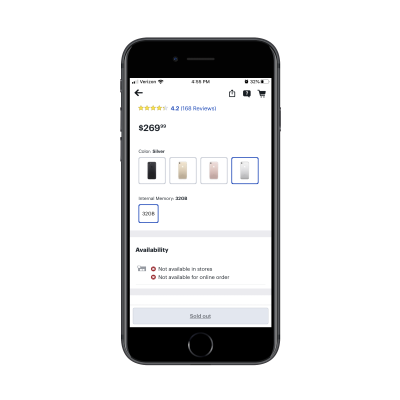
- Best Buy dedicates specific sections of its product pages to transparent in-store and online availability. By clearly communicating stock variations without aggressive sirens, they help customers navigate choices smoothly.
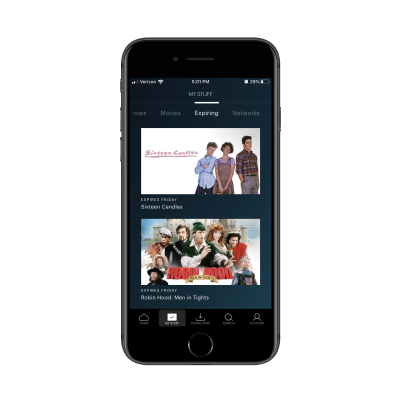
- Hulu features a dedicated "Expiring" tab within its application interface. For streaming enthusiasts drowning in endless queues, this "use it or lose it" reminder acts as a welcome curation tool rather than a stressful ultimatum, helping users quickly make decisions on content they actually want to consume.
2. Calling Attention to Rewards (Instead of Invented Scarcity)
FOMO is not solely about missing out on what others are doing; it frequently manifests as the fear of losing a tangible benefit or unspent value.
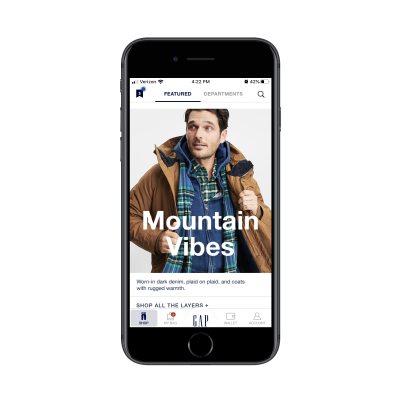
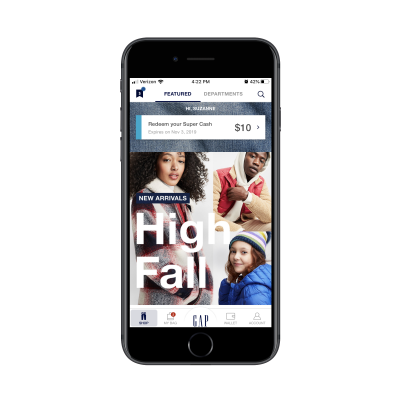
- Gap utilizes a brilliant, low-friction notification system for logged-in loyalty members. Rather than plastering the homepage with generic 75% off sale banners, they use a pulsing blue indicator in the application’s corner. This gently reminds users of unspent "Super Cash" or member rewards about to expire, driving immediate purchases through personal loyalty rather than manufactured panic.
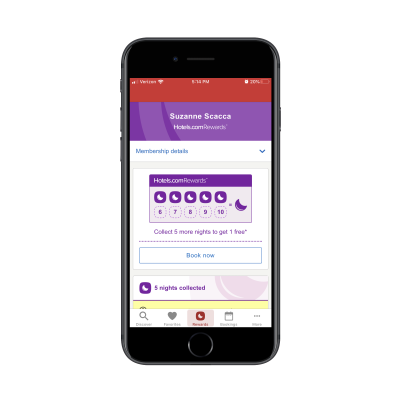
- Hotels.com dedicates a specific tab to tracking earned rewards, motivating users to book upcoming trips by reminding them how close they are to securing a free night.
3. Encouraging Organic Sharing Through Friends and Family
Brand-driven urgency often suffers from a trust deficit. True organic interest, however, is best generated by the consumers themselves.
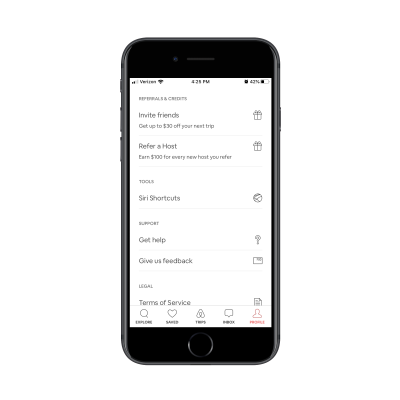
- Airbnb scales its referral program not merely through financial incentives, but by encouraging users to share genuine travel experiences with friends, family, and colleagues. When a trusted connection shares an authentic booking or a personalized discount code, the resulting motivation to participate feels natural and community-driven.
- 23andMe empowers users with auto-generated, shareable social media cards detailing their ancestral breakdowns. By giving customers fun, visually appealing ways to share their unique genetic stories, the company generates authentic, peer-to-peer advertising that naturally sparks curiosity and FOMO among observers.
4. Grounded Visuals Over Inauthentic Lifestyles
To combat the mental health toll of influencer culture and unrealistic stock photography, forward-thinking brands are shifting toward authentic user-generated imagery.
- Sephora utilizes an "Inspire" community gallery where everyday customers upload unedited photos of cosmetics in action. This approach replaces the intimidating, exotic lifestyle imagery typical of the beauty industry with relatable, realistic portrayals.
- The Inner Circle, an exclusive pre-screened dating app, intentionally avoids ultra-luxurious, over-glamorous imagery in its marketing. Instead, their campaigns showcase everyday scenarios—such as a casual date in the park or meeting at a local neighborhood bar—proving that even high-end, exclusive services thrive when they anchor their messaging in accessible, human realities.
Implications for the Future of Digital Design
The pivot toward ethical (F)OMO carries profound implications for the digital landscape. As consumer awareness grows, the risks of relying on manipulative tactics far outweigh the short-term conversion spikes.
Long-Term Brand Equity and Customer Retention
Websites and applications are not merely conversion engines; they are the primary touchpoints for building long-term brand loyalty. When businesses respect their users’ cognitive bandwidth and emotional well-being, they foster sustainable relationships. Deceptive practices may yield immediate transactions, but they inevitably breed buyer’s remorse, churn, and public backlash.
The Designer’s Responsibility
For UX/UI designers, copywriters, and digital strategists, ethical design requires a conscious commitment to transparency. The implications are clear:
- Eliminate Dark Patterns: Remove false timers, hidden disclaimers, and exaggerated scarcity claims.
- Prioritize Clarity: Use inventory data, expiration dates, and reward trackers as helpful utility features rather than psychological cudgels.
- Embrace Authenticity: Replace overly polished, unattainable lifestyle tropes with grounded, real-world imagery and peer-driven social proof.
Ultimately, the future of digital marketing belongs to brands that understand a fundamental truth: if you want prospects to feel that they are missing out on something extraordinary, you do not need to terrify them. You simply need to be honest, transparent, and genuinely valuable.