LONDON — When the COVID-19 pandemic abruptly forced society behind closed doors in early 2020, digital technology transformed overnight from a convenient utility into an absolute lifeline. Suddenly, remote video conferencing, online banking, and digital grocery delivery were not merely lifestyle perks—they were essential tools for human survival and economic continuity.
Yet, for the estimated 20% of the global population living with a disability, this rapid transition risked shutting them out of society entirely.
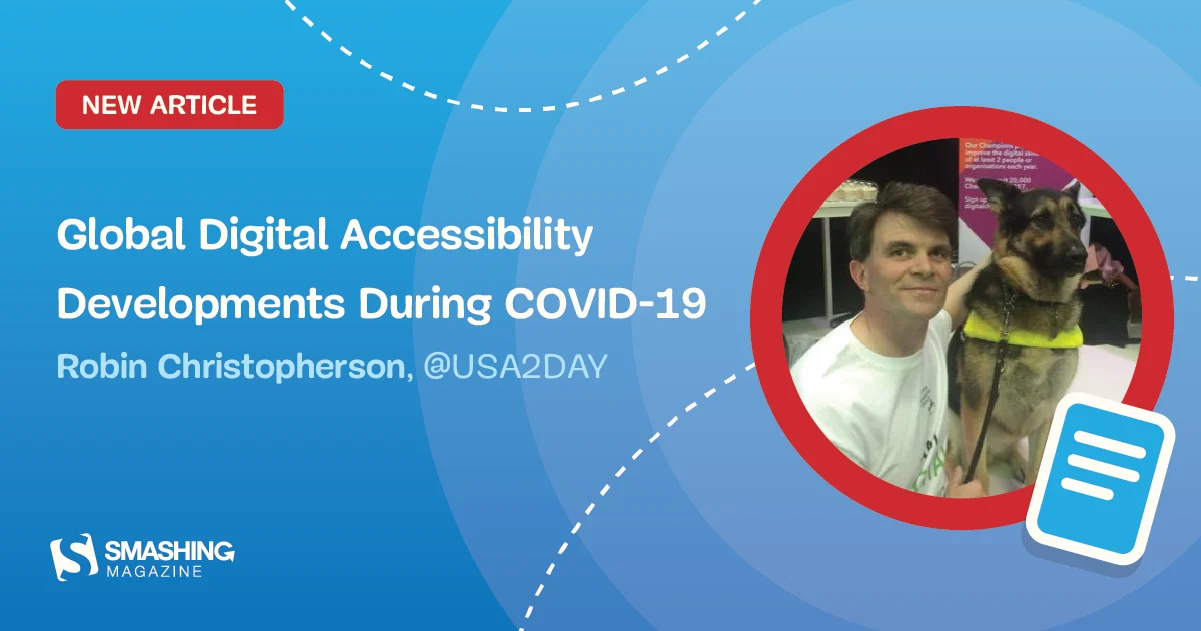
To explore how organizations navigated this historic crisis, Robin Christopherson MBE, Head of Digital Inclusion at UK tech charity AbilityNet, hosted a series of monthly webinars. Gathering senior accessibility leaders from international powerhouses like Microsoft and Atos, alongside UK high-street giants Barclays and Sainsbury’s, the discussions examined the unforeseen challenges, agile adjustments, and profound opportunities born out of the pandemic.
The core message from these industry leaders is clear: accessibility is no longer a corporate afterthought or a box-ticking exercise. It is a critical driver of innovation, resilience, and human connection.

Main Facts: The Pandemic’s Digital Inclusion Pressure Test
The COVID-19 pandemic acted as an unprecedented stress test for the digital infrastructure of businesses worldwide. As physical operations ground to a halt, digital accessibility deficiencies that were once tolerated or ignored suddenly became glaring barriers.
Key developments during the initial phase of the pandemic included:
- Surging Support Demands: Microsoft’s Disability Answer Desk experienced support request volumes doubling overnight, sustaining a 200% to 300% increase over pre-pandemic levels for months.
- Mainstream Adoption of Tech Adaptations: Features originally designed for niche user groups—such as automated captions, keyboard navigation, and hand-raise icons in video software—became indispensable to the general workforce.
- The Shift to Remote Work: Organizations with a pre-existing culture of digital flexibility and embedded accessibility foundations adapted significantly faster than those forced to retrofit inclusion on the fly.
Chronology: The Evolution of Workplace and Customer Accessibility
Phase 1: The Immediate Lockdown Shock (March – May 2020)
As offices emptied, disabled employees and customers faced immediate isolation. Without physical support networks readily available in offices or high-street branches, reliance on digital platforms skyrocketed. Organizations faced an urgent choice: adapt quickly to maintain service continuity or leave vulnerable populations behind.
Companies that had spent years cultivating accessibility frameworks—such as Microsoft, Barclays, and Sainsbury’s—were able to scale their existing digital safety nets. Others scrambled to replicate workplace assistive technologies in home environments, leading to a steep learning curve for leadership and staff alike.

Phase 2: Scaling Support and Operational Flexibility (Summer – Fall 2020)
As remote work stabilized, corporate focus pivoted toward scaling digital assistance and refining communication channels. High-street banks like Barclays proactively fast-tracked vulnerable customers through phone banking and introduced practical innovations such as "Cash to the Doorstep" and shareable contactless wearables.
Concurrently, tech enterprises realized that remote work amplified the impact of inaccessible software. Without colleagues nearby to interpret a video or read a screen, minor coding oversights became major productivity roadblocks.
Phase 3: Institutionalizing Inclusion for the Long Term (2021 and Beyond)
Recognizing that a return to pre-pandemic "normality" was neither possible nor desirable, industry leaders began formalizing long-term accessibility pipelines. Collaborative efforts, such as the development of standardized accessibility apprenticeships involving Atos, AbilityNet, Shell, and Barclays, sought to address a persistent industry-wide skills shortage by "growing our own" digital inclusion specialists.
Supporting Data & Expert Insights
Jenny Lay-Flurrie (Microsoft): Building on a 20-Year Foundation
Jenny Lay-Flurrie, Microsoft’s Chief Accessibility Officer—who possesses lived experience of deafness and relies on American Sign Language (ASL) interpreters—emphasized that the pandemic threw an unprecedented spotlight on digital access.

"It’s never been more important to think about accessibility during these times," Lay-Flurrie noted. "While accessibility’s clearly been a priority for Microsoft… the limelight the pandemic has put on the need for Access has been pretty humbling and one hell of a learning journey."
Lay-Flurrie highlighted that Microsoft’s 20-year commitment to accessibility provided a solid foundation, enabling the company to lift capabilities quicker when demand spiked. Notably, features like Microsoft Teams’ AI-powered captions and the "hand raise" icon—initially created to ease meeting anxiety for neurodiverse and cognitively impaired users—ended up benefiting millions of mainstream users facing fatigue during remote work.
Paul Smyth (Barclays): Flexibility, Choice, and Personalization
Paul Smyth, Founder and Leader of Digital Accessibility at Barclays, stressed that accessible customer service boils down to fundamental pillars: offering flexibility, choice, personalization, responsiveness, and responsibility.
When cash usage plummeted during lockdown, Barclays proactively contacted disabled and vulnerable customers to outline specialized support. Rather than burying help desks behind obscure phone numbers, the bank integrated specialist support directly into its main channels.

Furthermore, Barclays leveraged its internal infrastructure to support staff, reporting a tenfold increase in requests for ergonomic equipment and assistive kits as employees transitioned to home offices.
Neil Milliken (Atos): Overcoming "Zoom Fatigue" and Driving Apprenticeships
Neil Milliken, Global Head of Accessibility at Atos, discussed how the organization’s pre-existing flexible working policies insulated it from operational shocks. However, Milliken issued a stark warning regarding digital fatigue.
"I think there is a real Zoom fatigue," Milliken said. "As a very visual person, that lag between what is being said and the microsecond delay actually puts a fair amount of strain on you… certainly among the dyslexic and neurodiverse community."
To combat talent shortages in the tech sector, Atos collaborated with AbilityNet, Shell, and Barclays to establish a Level 4 accessibility apprenticeship standard—providing a formal, foundation-degree-equivalent pathway for future accessibility specialists.

Bryn Anderson (Sainsbury’s): Harnessing Grassroots Lived Experience
Bryn Anderson, Accessibility Specialist at Sainsbury’s and a person with visual impairment, highlighted the massive surge in digital inclusion awareness within retail during the pandemic.
Sainsbury’s leveraged its internal "Enable Network," which connects 190,000 employees across the business—including logistics staff and digital designers—to evaluate digital tools based on real lived experiences.
"You can talk theoretically about someone with a cognitive impairment or dyslexia," Anderson explained, "but when someone with dyslexia says, ‘I tried to do this on your application, it does not work,’ that is where the education happens."
Anderson also cautioned against automated "quick-fix" accessibility overlays that promise 100% compliance for a monthly fee, noting that true accessibility requires rigorous manual testing, keyboard navigation checks, and genuine human engagement.

Official Responses and Strategic Recommendations
To help organizations transition from ad-hoc fixes to systematic inclusion, AbilityNet and its industry partners outline five straightforward steps to improve digital accessibility and meet regulatory requirements, such as the UK Equality Act 2010:
- Test for Keyboard Accessibility: Hide the mouse and attempt to navigate your website using only a keyboard. Ensure that a highly visible focus indicator is always present and that the logical tab order makes sense for screen-reader users.
- Eliminate Poor Contrast: Use color-checking tools like Tanaguru’s Contrast Finder or Paciello Group’s Contrast Analyser early in the design phase to ensure text is easily readable for individuals with low vision.
- Conduct Automated Scans: Utilize free tools like WebAIM’s WAVE checker to catch foundational technical errors (such as missing form labels) during development, while remembering that automated tests must be paired with manual audits.
- Publish an Accessibility Statement: Maintain a dedicated accessibility page that outlines your organization’s commitments and provides a frictionless channel for users to report barriers they encounter.
- Prioritize Plain Content: Write clear copy tailored to your audience, avoiding unnecessary jargon while utilizing headings, bullet points, and varied multimedia formats to convey information effectively.
Implications: Moving Forward Beyond COVID-19
The collective insights from Microsoft, Barclays, Atos, and Sainsbury’s point to an inescapable corporate reality: the pandemic permanently altered workplace dynamics and consumer expectations.
Organizations that treat accessibility as an isolated, reactive task will continue to face steep remediation costs and alienate significant portions of their customer base. Conversely, businesses that embed diverse voices, prioritize early digital inclusion, and equip employees with comprehensive training will unlock profound innovation boosts.
As society continues to navigate the post-pandemic landscape, the question facing corporate leadership is no longer whether they can afford to invest in digital inclusion—it is whether they can afford not to.

For more information on how to evaluate your organization’s digital accessibility policies and build a roadmap to compliance, visit the AbilityNet website.