In the modern digital landscape, information is generated at a dizzying, often overwhelming pace. For WordPress professionals—developers, agency owners, freelancers, and enthusiasts—keeping up with the relentless daily flood of community updates, plugin shifts, security patches, theme releases, and core updates can feel like trying to drink from a firehose.
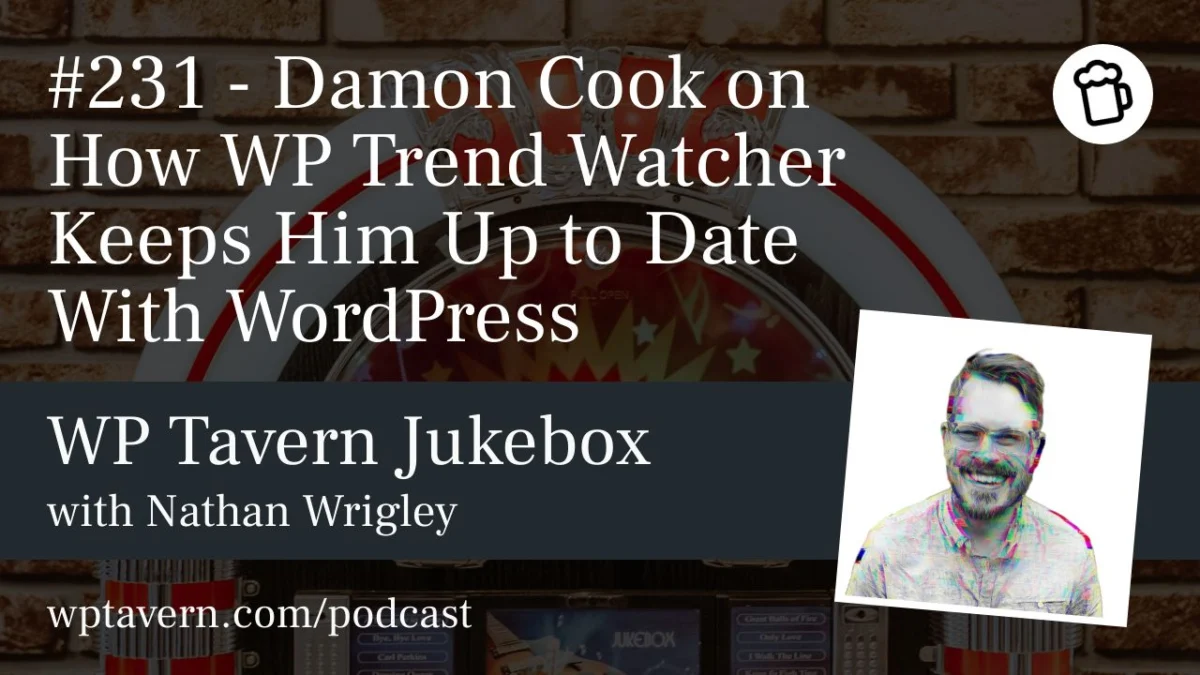
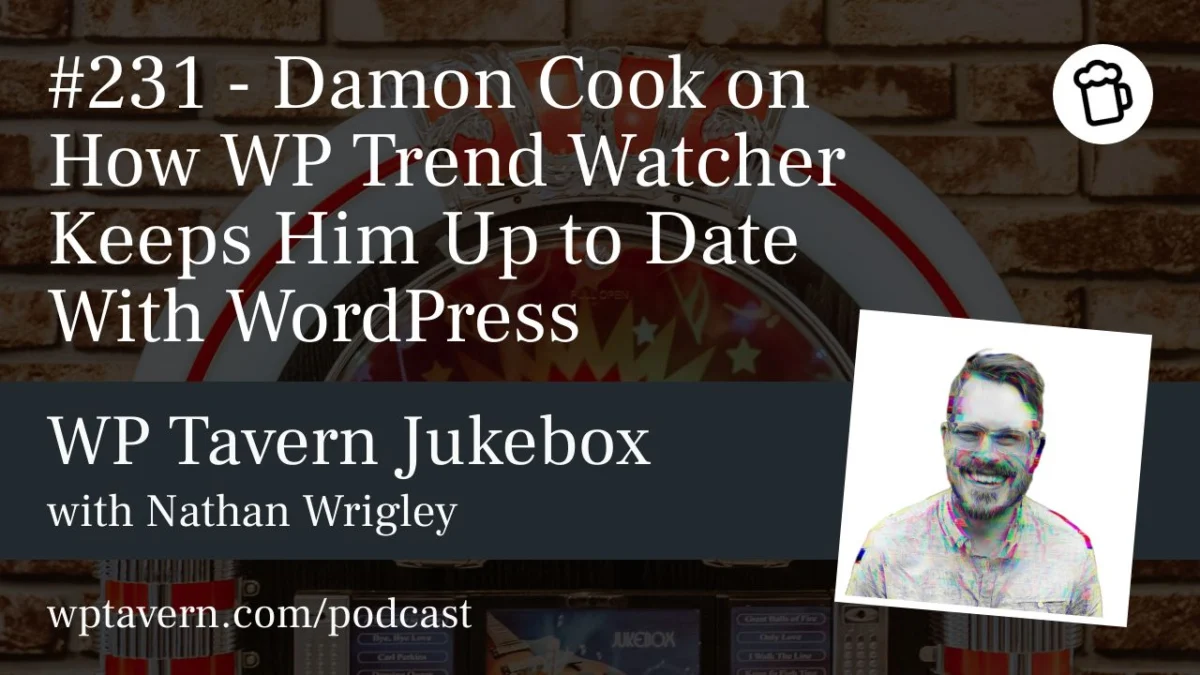
Recognizing this critical pain point, veteran WordPress developer Damon Cook has built an open-source project called WP Trend Watcher. Designed to harness the parsing power of artificial intelligence while preserving a rigorous layer of human oversight, this locally run tool aims to sift through the noise, summarize ecosystem trends, and bring clarity back to staying informed.
Main Facts: The Anatomy of WP Trend Watcher
WP Trend Watcher is an open-source TypeScript codebase hosted on GitHub that automates the collection and initial summarization of RSS feeds across the WordPress ecosystem. Rather than relying on cloud-based, black-box AI processing, Cook intentionally designed the tool to run locally on a developer’s machine using applications like LM Studio.
Key highlights of the project include:
- Local AI Integration: Users can download and experiment with various local large language models (LLMs)—such as Qwen and other compact open-weight models—to process text securely on local hardware.
- The "Human-in-the-Loop" Mandate: WP Trend Watcher explicitly rejects total automation. While the AI aggregates and summarizes feeds, Cook conducts a mandatory human audit, clicking through articles to verify accuracy, eliminate hallucinations, and add personal commentary.
- Structured Output: The tool generates weekly briefings composed of bulleted lists, links, concise summaries, and developer-focused takeaways.
- Public Transparency: Each published report includes metrics on the time spent auditing the content and the specific local AI model used to generate the week’s output.
Chronology: From Agency Life to Local AI Experimentation
The journey toward WP Trend Watcher spans years of professional evolution within the WordPress community.
The Contributor Era
Damon Cook has been an active developer and community member in the WordPress ecosystem for over a decade. During periods of heavy contribution to the WordPress project, Cook experienced firsthand the friction of fragmented communication channels. Whether tracking discussions on Trac, monitoring updates on Slack, or scanning official announcements on WordPress.org, staying informed required a massive time investment.
The Freelance Pivot
After years of working with WordPress-centric agencies and a stint at a hosting company, Cook shifted gears around 2024 to run his own freelance business, Noma Digital, alongside taking on contract work. Operating independently meant that staying ahead of the technical curve—anticipating major version rollouts like WordPress 7.1 and tracking shifting plugin architectures—was no longer just a hobby; it was a business necessity.
The Birth of WP Trend Watcher
Faced with dwindling time and an increasingly noisy web, Cook turned his fascination with cutting-edge AI technology toward solving his own workflow bottlenecks. Seeking a reliable way to ingest, filter, and condense industry news without sacrificing trust, he developed WP Trend Watcher as a weekly hobby project. Today, the project exists as a public, open-source experiment that bridges the gap between raw data collection and thoughtful, human-guided curation.
Supporting Data & Technical Architecture
The technical underpinnings of WP Trend Watcher reflect a deliberate philosophy about how developers should interact with AI in 2026.
Overcoming Hardware and Model Limitations
Running AI locally comes with distinct hardware constraints. Cook utilizes a Mac with 18 gigabytes of unified memory, limiting the size of the models he can deploy. However, as the local AI movement matures, smaller open-source models have grown increasingly capable of handling structured summarization tasks.
By swapping out models weekly—testing options like Qwen alongside newer local iterations—Cook observes how different underlying architectures alter the tone, formatting, and density of the generated summaries.
The Filtering Pipeline
When the script executes (typically on a weekly cadence), it performs several automated checks:
- Ingestion: Pulls the latest entries from a curated list of trusted WordPress RSS feeds.
- Deduplication: Identifies and filters out redundant coverage where multiple sites report on the exact same event or release.
- Prompt-Based Summarization: Passes the content through a local LLM with a specific developer-centric prompt: "Summarize this for developers and agency owners with a critical eye on technical implications."
- Audit and Refinement: Outputs a draft report for human review.
The Human Verification Layer
Unlike fully autonomous newsletters that risk publishing hallucinated or low-quality summaries, WP Trend Watcher positions the AI as a research assistant rather than an autonomous publisher. Cook manually opens a significant portion of the surfaced links, cross-checking the AI’s 20-word summaries against the full text of the articles. This manual review ensures that nuanced technical details aren’t lost and safeguards against factual errors.
Official Perspectives: The Philosophy of Automation vs. Curation
In a wide-ranging discussion on the Jukebox Podcast with host Nathan Wrigley, Cook and Wrigley explored the philosophical implications of deploying AI for content curation.
The Temptation of "Cheap" Automation
Reflecting on the psychological impact of automating news collection, Cook admitted that fully automating the process can sometimes feel "cheap."
"It does make me feel cheap," Cook shared on the podcast. "And I think that’s kind of why I publish these. It’s trying to be transparent. So if anybody’s going to go and read this, they know that I even put at the bottom how much time I spent trying to look through everything."
Why Total Automation Fails Content Creators
Wrigley and Cook agreed that a completely hands-off, automated news aggregator misses the fundamental point of content consumption. For professionals like agency owners and podcasters, the goal isn’t merely to accumulate data—it’s to internalize knowledge.
Cook noted that the physical act of clicking through links, reading source material, and writing personal notes is essential for memory retention. If an AI reads the news for you and you only skim the resulting blurbs, the information rarely sinks in. By forcing a "human-in-the-loop" workflow, Cook ensures that the tool serves to enhance his understanding rather than replace cognitive engagement.
Implications: The Future of Trend Analysis and Community Knowledge
As WP Trend Watcher evolves, its underlying architecture points toward broader implications for how specialized communities manage information.
1. The Proliferation of Personalized Knowledge Bases
Tools like WP Trend Watcher demonstrate that developers no longer need to rely on massive, centralized tech platforms or generic RSS readers to stay informed. By combining open-source codebases, local LLMs, and custom curation scripts, individuals can spin up tailored intelligence feeds for any niche—from local sports clubs to specialized software ecosystems.
2. State-Retention and Historical Context
One of the most profound promises of AI agents over time is their capacity to maintain historical state. While human memory is ephemeral and prone to forgetting the granular details of past release cycles, a tool that archives weekly summaries over months and years builds a powerful corpus of data.
Future iterations of trend-watching tools could theoretically allow users to query historical reports to trace complex trajectories: Why did a specific Core feature get dropped in version 7.1? How has community sentiment shifted regarding block editor APIs over the last three years?
3. The Arms Race of Information Density
As content generation—both human and synthetic—continues to scale upward, the volume of digital noise will inevitably increase. Projects like WP Trend Watcher suggest that surviving this deluge will require new layers of computational filtration. However, as Cook’s workflow proves, technology alone is not enough; the ultimate arbiter of value remains human judgment.
How to Get Involved
For WordPress professionals looking to reclaim hours of lost time or experiment with local AI tooling, WP Trend Watcher offers an inviting entry point.
- Explore the Code: The open-source project is available for inspection and bifurcation on Damon Cook’s GitHub account (
colorful-tones/wp-trend-watcher). - Read the Briefings: Developers can review past weekly summaries, examine model performance notes, and inspect the human-curated commentary directly via the project’s GitHub Pages site.
- Customize and Contribute: Because the tool is modular, users can adapt the RSS source lists to match their unique professional interests, whether they focus on core development, business operations, or design trends.
Ultimately, WP Trend Watcher serves as a pragmatic blueprint for the future of digital curation: leveraging the speed of artificial intelligence to handle the heavy lifting, while relying on human curiosity and critical thinking to find the signal within the noise.