In the digital ecosystem, your content is only as good as the gateway you build for it. A blog post title is far more than a mere label; it is the fundamental "destiny" of your work. While writers often spend hours agonizing over the body of an article, the title—a collection of a mere handful of words—acts as the ultimate arbiter of success. It is the gatekeeper that determines whether your content will ignite a viral wildfire across the web or languish in the silent, dark corners of your archives, never to be discovered.
For modern content creators, the headline is the most high-stakes real estate on the page. In an era of infinite scroll and short attention spans, the decision to invest time in a post is made in a split second, based almost entirely on those first few words.
The Anatomy of Impact: Why Headlines Define Success
The importance of a headline cannot be overstated. Your title serves as the primary touchpoint for your audience in virtually every environment where your content exists. Whether it is appearing in a Google search engine results page (SERP), a crowded RSS feed, a social media timeline, or a newsletter digest, the title is the sole representative of your brand’s voice.
If a headline is dull, overly technical, or confusing, the quality of the ensuing content becomes irrelevant. The audience will never reach the first paragraph if the title does not offer a compelling reason to do so. In the professional sphere, we refer to this as the "click-through threshold." If your title fails to cross this threshold, your search engine optimization (SEO) efforts, your research, and your writing time are effectively wasted.
The Core Philosophy: Guiding the Reader Forward
To understand the objective of a headline, one must look to the masters of classical advertising. David Ogilvy, the legendary titan of the advertising world, famously articulated a guiding principle that remains the gold standard for all digital writers: "The purpose of a title is to get potential readers to read the first line of your content."

A title is not a summary; it is an invitation. It is a promise of value. If you can master the craft of writing headlines that are inherently intriguing, you will consistently draw readers into your work. This is not about clickbait—which often deceives—but about "click-worthiness," which delivers on the promise established by the headline.
The Methodology: 8 Proven Strategies for Crafting Viral Headlines
Crafting a headline requires a "pause and reflect" approach. Before hitting publish, you must treat your title as a standalone piece of creative work. While you will rarely use all of these techniques in a single instance, they represent the toolkit of a professional content strategist.
1. Communicate a Tangible Benefit
The most effective way to guarantee a click is to identify a specific pain point or need and provide an immediate solution. Readers are inherently self-interested; they want to know what they will gain by investing their time. Titles like "How to Master X" or "5 Ways to Solve Y" succeed because they are not cryptic—they are functional. They scream value to the reader.
2. Leverage Controversy and Debate
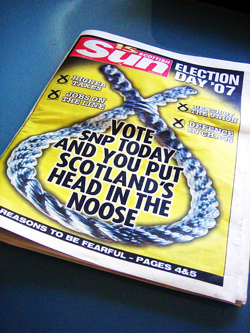
Content that challenges the status quo or presents a strong, contrarian opinion often generates the highest levels of engagement. By framing a title to suggest a debate, you invite the reader to participate in the conversation. However, this comes with a professional caveat: you must be able to back up your claims. If your title is provocative but your content is thin, you will damage your credibility.
3. The Power of the Question
Humans are psychologically wired to respond to questions. When a headline asks a direct question, the reader’s brain instinctively seeks the answer. This is particularly effective when the question is personalized. By using the word "you," you shift the focus from the writer to the reader, making the content feel like a direct consultation rather than a broadcast.

4. Radical Personalization
Large-scale blogging often feels impersonal, but the best content feels like it was written for one person. By integrating the word "you" or "your" into the headline, you create a psychological bridge between the author and the audience. A title that addresses the reader’s specific situation is infinitely more clickable than one that speaks to a vague, generalized crowd.
5. Strategic Keyword Integration
From an SEO perspective, keywords are essential. Including the terms your audience is searching for helps search engines categorize and rank your content. Furthermore, placing these keywords at the beginning of the title—rather than burying them at the end—improves both user experience and search visibility.
6. The Utility of Power Words
Language matters. Certain words trigger specific emotional or psychological responses. Words like "Essential," "Proven," "Secret," or "Ultimate" can dramatically boost click-through rates. However, use them with caution. Overuse of hyperbole leads to skepticism. If the content does not live up to the "power" of the word, the reader will feel deceived.
7. Big Claims and Bold Promises
Similar to communicating a benefit, making a big claim pushes the reader to satisfy their curiosity. A title that promises a transformation—such as "How to Double Your Traffic in 30 Days"—is difficult for a professional to ignore. The risk, of course, is the "gap" between promise and reality. If you make a big promise, your content must be robust enough to deliver on it.
8. The Strategic Use of Humor
Humor is a high-risk, high-reward strategy. A witty or clever title can stand out in a sea of mundane headlines. However, humor is subjective and often fails to optimize for search engines. Use this technique only when it aligns with your brand voice and when the humor is accessible to your target audience.
Professional Best Practices: The Technical Nuances
Beyond the creative aspects of headline writing, there are technical parameters that every professional should follow:
- Mind the Length: While long, descriptive titles can work, brevity is usually preferred. Search engines typically truncate titles after 60–65 characters. If your title is too long, the most important information may be hidden from the user in search results.
- The Period Debate: Many copywriters advise against using full stops or periods at the end of a title. A period serves as a visual "stop" sign, suggesting the thought is finished. A headline, however, should act as a bridge—a flow into the first sentence. Keeping your title open-ended helps maintain the reader’s momentum.
Implications for Future Content Strategy
The era of writing titles as an afterthought is over. For businesses, bloggers, and journalists, the headline is the single most important variable in the content performance equation. By slowing down the creation process and applying these strategic frameworks, you move from "writing for the web" to "engineering for impact."
As you look toward your future content calendar, consider the "pause" method: whenever you finalize a post, step away, return with fresh eyes, and rewrite your title at least five times using different techniques. The time you invest in those ten words will yield a return that far exceeds the time spent writing the body of the article itself. Your readers are waiting for a reason to click—ensure that your headline gives it to them.