As the summer sun hits its peak in August 2026, ecommerce retailers face a pivotal transition period. The "summer slump" is rapidly being replaced by the frantic energy of back-to-school preparation and the final long weekend of the season. For content marketers, this period is not merely a calendar of events; it is a strategic window to build brand authority through reciprocity.
Content marketing—the deliberate practice of creating and promoting valuable articles, videos, and podcasts—functions on the principle of giving before receiving. By providing helpful instructions, expert advice, and curated ideas, brands foster trust. When a consumer finds a store’s content genuinely useful, the barrier to purchase lowers significantly. As we approach the final month of summer, businesses must pivot from static product descriptions to dynamic, solution-oriented content.
The Strategic Importance of August Content
Content marketing is the silent engine of modern retail. In an era where AI-driven search and social discovery dominate, high-quality, relevant content acts as the beacon that guides customers through the "messy middle" of their shopping journey. Whether it is a parent struggling with budget constraints or a weekend warrior planning a final getaway, the brand that provides the most utility usually secures the conversion.
Chronology of August 2026 Opportunities
- Early August: Focus on "Back-to-School" logistics and budget-friendly planning.
- Mid-August (Aug 15): Capitalize on National Relaxation Day to pivot toward self-care and hobby-based marketing.
- Late August (Aug 19): Leverage National Aviation Day and World Photography Day for lifestyle-focused storytelling.
- Late August/Early September: Aggressive rollout of Labor Day planning guides and "End of Summer" clearance strategies.
Back-to-School: Moving Beyond the Supply List
The Economic Landscape
The retail stakes for the 2026 academic season are significant. According to recent projections from eMarketer, U.S. back-to-school retail sales are expected to surpass $85.4 billion, reflecting a 3.3% increase over 2025. This growth is underpinned by a shifting dynamic in the household: PwC estimates that parents will spend an average of $922 per student. Perhaps more importantly, the influence of the child in the purchasing process is at an all-time high, with 61% of parents involving their children in online shopping decisions.

Implications for Marketers
Publishing yet another generic "Top 10 School Supplies" list is a losing strategy in 2026. Savvy marketers must shift their lens to the parents—the planners, the budget managers, and the chauffeurs.
Content Strategy Ideas:
- The "Zero-Stress" Morning Routine: Create video content or blog posts demonstrating how to streamline morning breakfast and packing, featuring your kitchen or home-organization products.
- The Multi-Student Budget Hack: Write an article on how to stretch a budget across multiple age groups, highlighting "evergreen" items that last beyond a single semester.
- Interactive Checklists: Offer a downloadable, printable "Back-to-School Countdown" that includes not just supplies, but mental health tips and scheduling advice for a smooth transition.
National Relaxation Day: The Art of the "Slow Down"
August 15 serves as a strategic pivot point. As the back-to-school frenzy hits a fever pitch, there is a counter-narrative of burnout. National Relaxation Day provides a unique opportunity for brands to position themselves as partners in the consumer’s well-being.
Why Relaxation Sells
Relaxation is a subjective experience. For some, it is a luxury bath; for others, it is a high-end grill, a gardening project, or a quiet hour with a book.

- Spa and Home Goods: Create "At-Home Spa" tutorials or "The Perfect Sunday Reading Nook" style guides.
- Outdoor and Leisure: Feature "The Ultimate Backyard Grill Menu" or "Minimalist Gardening for Beginners."
- Hobbies: Curate content around "Unplugged Hobbies," such as model building, record collecting, or photography, which positions your brand as a facilitator of joy rather than just a vendor of goods.
National Aviation Day: Connecting History to Commerce
On August 19, the United States celebrates the development of flight, marking the birthday of Orville Wright. While this may seem niche, its application in ecommerce is limited only by creative association.
Historical Context and Modern Application
Congress authorized National Aviation Day in 1939 to promote interest in aviation, and the day remains a cornerstone of American ingenuity. For the modern marketer, this day is a bridge to various lifestyle verticals:
- Travel Retailers: Use the day to publish "The History of Carry-On Luggage" or "The Science of Modern Air Travel Comfort."
- Tech and Science Brands: Develop content on the future of flight, such as drone technology or sustainable travel.
- Children’s Brands: Use the history of the Wright brothers as a gateway to STEM (Science, Technology, Engineering, and Math) kits, positioning your products as tools for the next generation of innovators.
World Photography Day: Visualizing the Brand Story
August 19 also marks World Photography Day, commemorating the 1839 announcement of the daguerreotype process. In the visual-first world of 2026, photography is the primary interface between the customer and the product.
Engaging the Customer
This is the ideal time to move from "branded content" to "user-generated content" (UGC).

- The "Real World" Campaign: Encourage customers to submit photos of your products in their natural environment. A home decor brand can showcase customer living rooms; a fashion retailer can host a "Late Summer Style" contest.
- Educational Content: Publish guides on "How to Photograph Products for Resale" or "How to Capture Professional Portraits with Your Smartphone." By teaching a skill, you increase the likelihood of the customer returning to your site for the necessary equipment or accessories.
Labor Day Planning: The Final Summer Sprint
Labor Day, falling on September 7, 2026, represents the final opportunity to capitalize on summer-specific inventories.
The Importance of Utility
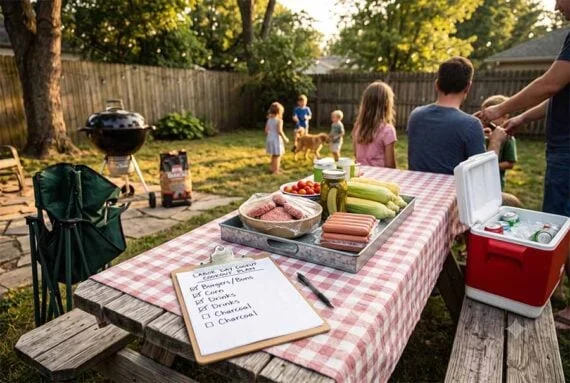
Planning content—such as "The Ultimate Labor Day Checklist" or "End-of-Summer Hosting Menus"—is consistently high-performing. Consumers are looking for help to organize their final weekend of the season.
Tips for Success:
- Format for Skimmability: Use checklists, infographics, and bulleted lists.
- Downloadable Assets: Create a PDF "Labor Day Party Planner" that customers can download in exchange for their email address, providing a long-term lead generation benefit.
- Cross-Promotion: Ensure your Labor Day content links back to relevant, in-stock inventory. If you are suggesting a camping trip, ensure your camping gear is just one click away.
Implications for Your 2026 Strategy
The core implication of this August roadmap is simple: Value is the currency of the digital age.

Whether you are catering to a parent buying school supplies or an amateur photographer looking to improve their craft, the goal remains the same: provide an answer before they ask the question.
Official Perspectives on Content ROI
Industry experts consistently note that the most successful content marketing campaigns in the mid-2020s are those that blend utility with authenticity. According to a 2026 digital marketing report, brands that integrated "instructional" content into their email sequences saw a 22% higher click-through rate compared to those that relied solely on promotional sales messaging.
Moving Forward
As you finalize your content calendar for August 2026, remember that your customers are being bombarded with advertising. To cut through the noise, you must be the brand that makes their life easier. Whether it is by simplifying their morning routine, helping them plan a relaxing afternoon, or guiding them through a weekend project, your content should always aim to solve a problem.
By focusing on these five pillars—Back-to-School, Relaxation, Aviation, Photography, and Labor Day—your business can ensure that it remains top-of-mind during one of the most active shopping months of the year. The strategy is clear: plan early, provide utility, and always put the customer’s experience at the center of your storytelling.