In the modern B2B software ecosystem, there is a pervasive, quiet betrayal occurring in boardrooms across the globe. It is a phenomenon where companies systematically undervalue their most tenured, loyal, and profitable customers in favor of the perpetual chase for new logos. This trend, which industry veterans are now calling the "20-Year Tax," has reached a boiling point in 2026. As the barrier to building custom software collapses under the weight of AI-driven development, legacy vendors—exemplified by giants like Adobe Marketo—are finding that their once-impenetrable moats are rapidly evaporating.
The Breaking Point: A Failure of Core Functionality
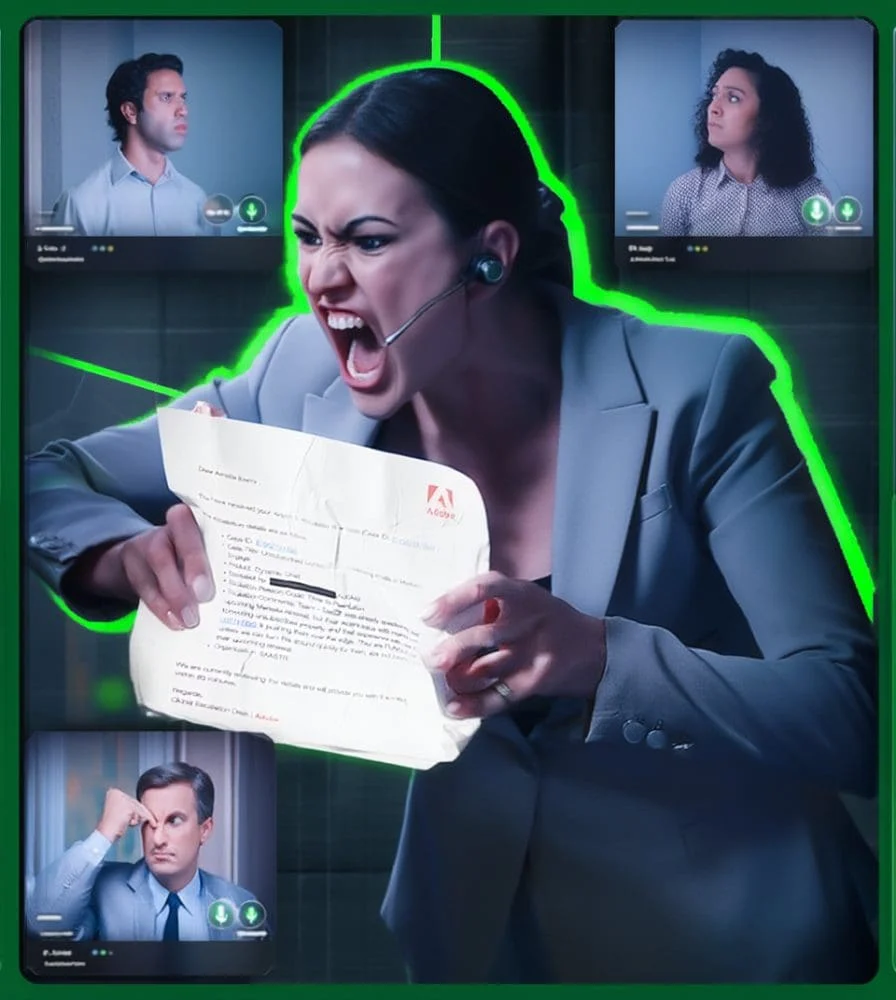
The frustration is best illustrated by a recent, high-profile failure involving Adobe Marketo. For a platform that commands upwards of $60,000 in annual recurring revenue, one would expect the most fundamental features—such as email unsubscribe links—to be bulletproof. Instead, users report weeks of dysfunction.
When the system failed, the response from the vendor was not one of accountability, but of deflection. The narrative shifted from blaming internal infrastructure to scapegoating third-party integrations, such as Salesforce or Beehiiv. For a long-term client, this cycle of blame—forced into unproductive, circular conference calls with no resolution—was not just a technical issue; it was a breakdown of the vendor-client contract.
Ultimately, the affected team did what would have been unthinkable just five years ago: they "vibe-coded" their own solution. Using tools like Replit and advanced AI models, they built and deployed a custom unsubscribe handler in a single afternoon. By bypassing the incumbent, they successfully mitigated a significant CAN-SPAM compliance risk that the vendor had proven incapable or unwilling to fix.
A Chronology of Erosion: From Early Adopter to Forgotten Asset
To understand the depth of this betrayal, one must look at the lifecycle of the customer relationship. In 2006, when Marketo was in its infancy, its founders were personally involved in sales, pitching directly to office executives. Early adopters were not just customers; they were partners who provided feedback, referrals, and validation during the company’s most fragile stages.
The Lifecycle of Neglect:
- The Honeymoon (Year 0-2): The "White Glove" phase. Dedicated support, CEO-level access, and custom integration assistance.
- The Integration (Year 3-7): The vendor becomes deeply embedded. The product is woven into data flows and employee training. The switching cost is perceived as high.
- The Commoditization (Year 8-15): The account is moved to automated billing. Customer success representatives rotate frequently. The focus shifts to aggressive, cycle-based price increases (typically 8–10%).
- The Disconnect (Year 16-20+): The original champions of the account have moved on. The vendor treats the client as a "legacy account"—a revenue stream to be squeezed rather than a partnership to be nurtured.
Today, a 20-year customer often receives nothing more than a renewal email and a price hike, while a new prospect is treated to a "war room" experience, steak dinners, and dedicated engineering resources.
Supporting Data: The Collapse of Switching Costs
For decades, the "switching cost" was the primary defense of legacy SaaS companies. It was difficult to replace a core engine like an email automation suite because the migration of data, the rebuilding of workflows, and the retraining of staff were prohibitively expensive and time-consuming.
However, the advent of AI has fundamentally altered this equation. Modern developers, armed with tools like Claude, Cursor, and Replit, can now bridge the gaps that legacy vendors ignore. What once required a $300-per-hour agency and weeks of coordination can now be accomplished by a small team in a few hours.

This creates a "patchwork" ecosystem. Instead of ripping and replacing a $60k/year platform, companies are now "patching around" the failures. Every patch built by a client is, essentially, a step toward total migration. Once a customer has successfully built a custom module to replace a core feature of their legacy vendor, the vendor has lost their greatest leverage: the necessity of their existence.
The Organizational Rot: Why Support is Failing
The inability to fix a simple unsubscribe link is rarely a technical limitation. It is an organizational design choice. In many legacy B2B firms, the product team is incentivized to chase new, shiny AI-integrated features that look good in sales decks. Support departments are often treated as cost centers to be minimized rather than value-add departments to be cultivated.
When a 20-year customer files a ticket, they are entering a queue that is often managed by automated scripts or outsourced tiers of support with no authority to escalate. Conversely, a new, high-value logo receives a "war room" of engineers because that is where the growth metrics—the only metrics that matter to the C-suite—are generated.
This short-sightedness ignores the Total Lifetime Value (TLV) of the customer. A client who has remained loyal for two decades has likely provided dozens of referrals and thousands of hours of product feedback. To treat them as an afterthought is to ignore the foundational layer of the company’s success.
Implications for the B2B Market
The implications for B2B founders and executive teams are stark:
- Stop Relying on High Switching Costs: If you believe your customers stay only because it is too hard to leave, you are already on the path to obsolescence. Customers will soon find it easier to build the solution themselves than to continue paying for your broken promises.
- Reprioritize the "Old" Logos: The gap between the treatment of a new prospect and a legacy customer must be closed. Treat your 20-year customer with the same urgency as a $1M Annual Contract Value (ACV) deal.
- Human-Centric Support: When a core feature fails, send a human—ideally one with the authority to actually fix the problem. The "file a ticket" culture is a relic of an era when customers had no choice.
- Incentivize Retention as Much as Acquisition: If your compensation structures do not reward the maintenance of long-term relationships, you will continue to see your most valuable users walk out the door.
Conclusion: The Path Forward
The era of the "locked-in" customer is over. AI has democratized the ability to build, maintain, and customize software, effectively handing the power back to the user. Legacy vendors who continue to hide behind support queues, price hikes, and blame-shifting are not just annoying their customers—they are providing them with the motivation to build their own replacements.
The best customers a company has are those who have survived the test of time. They have defended the brand in private channels, contributed to the product’s roadmap, and provided the bedrock of revenue. Treating them with anything less than the highest level of care is not just bad business—it is a strategic error that invites disruption. If vendors do not start treating their loyalists like their lifeblood, they should not be surprised when those customers eventually stop paying and start building.