The digital commerce landscape is undergoing a profound structural evolution. As we move deeper into the mid-2020s, the buzzwords of yesteryear—omnichannel, mobile-first, and social commerce—are being subsumed by a singular, transformative force: Agentic Commerce.
This week’s industry updates reflect a market in the midst of a rapid transition. From AI-driven media buying and automated marketplace management to the integration of generative AI into payment infrastructures, the tools available to merchants are no longer merely passive dashboards; they are becoming active participants in business decision-making. Below is an exhaustive breakdown of the latest service releases, strategic partnerships, and funding rounds shaping the future of retail.

The Rise of Agentic Commerce: A Strategic Overview
The central theme of this week’s news cycle is the emergence of "Agentic Commerce." Unlike traditional software, which requires manual input for every action, agentic systems leverage AI to execute complex tasks—from adjusting dynamic pricing to managing multi-channel supply chains—based on high-level goals set by human operators.
Key Developments in AI Orchestration
- ShopAgentic and Merchantee: Both startups have secured significant capital (a combined total of over $4.3 million) to build the infrastructure for these agentic marketplaces. By managing data, decision-making, and execution, these platforms allow merchants to set parameters—such as budget caps or sales targets—and let the AI navigate the complexity of the digital shelf.
- Kyndryl’s AI Orchestration: By launching a suite built on its Agentic AI Framework, Kyndryl is bringing this capability to the enterprise level, addressing supply chain disruptions and store operations with automated, agent-led workflows.
- Visa and OpenAI’s Partnership: Perhaps the most significant structural development of the week, the collaboration between the payments giant and the AI leader aims to build the "underlying network" for agentic transactions. By embedding payment tokenization and fraud monitoring directly into OpenAI’s developer experiences, they are creating a world where AI agents can securely complete transactions on behalf of consumers.
Chronology of Innovation: A Weekly Roundup
The sheer velocity of product releases this week indicates that competition among commerce service providers is at an all-time high.

Marketing and Creator Economies
- Pinterest and Amazon: Pinterest has lowered the barrier to entry for creators by enabling direct Amazon storefront linking. By automating the application of affiliate IDs, the platform removes friction, allowing creators to monetize their curation efforts seamlessly.
- LinkedIn’s Expansion: With the launch of Creator Marketplace and BrandWorks, LinkedIn is positioning itself as the premier hub for B2B influencer marketing, helping brands identify and collaborate with industry-specific experts.
Payments and Financial Infrastructure
- European Payment Sovereignty: ACI Worldwide’s integration of the "Wero" wallet solution into its infrastructure is a major win for the European Payments Initiative. By leveraging SEPA instant payment rails, this tool provides a unified, cross-border payment experience for European merchants.
- Shopware’s PayPal Integration: Open-source platform Shopware has deepened its financial capabilities, offering a streamlined payment acceptance feature that provides merchants with instant access to cards, digital wallets, and "buy-now-pay-later" (BNPL) options.
Operational and Supply Chain Tools
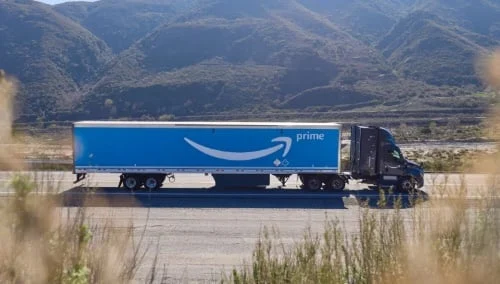
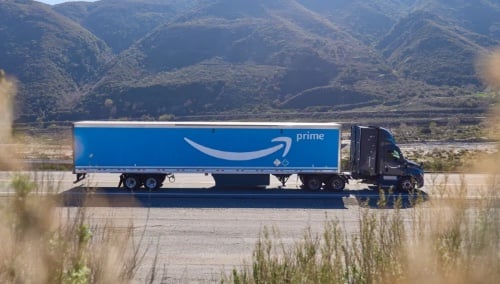
- Amazon’s LTL Freight Expansion: Amazon Supply Chain Services has opened its less-than-truckload (LTL) offering to all businesses. This move is a strategic play to capture a larger share of the B2B logistics market, allowing companies to share trailer space and reduce costs.
- Kinsta’s Bot Protection: As automated scrapers and malicious bots continue to threaten ecommerce site performance, Kinsta has made its proactive bot protection suite standard across all WordPress plans, providing site owners with tiered defense mechanisms.
Data-Driven Insights and Optimization
The modern merchant is flooded with data, but the challenge remains in synthesizing that data into actionable outcomes. Several new tools launched this week aim to solve the "analysis paralysis" common in the industry.
The New Era of Discovery and Personalization
- Athos Commerce: Their "Commerce Intelligent Discovery" platform is designed specifically for the era of generative AI. By unifying search, merchandising, and feed management, it ensures that products remain discoverable even as search habits shift from traditional queries to generative engine results.
- Fast Simon: Aiming at the mid-market and enterprise segments on Shopify, Fast Simon’s new AI personalization tool empowers merchandisers to manage collection strategies and promotions dynamically, reacting to inventory levels and consumer trends in real-time.
- DoorDash’s Conversational Search: By introducing "Ask DoorDash," the company is embracing the consumer preference for natural language. By allowing users to upload recipes or photos to find relevant grocery items, DoorDash is significantly shortening the path from inspiration to conversion.
Creative and Visual Production
- Pollo AI’s Commerce Studio: Visual content is the primary driver of conversion in the mobile era. Pollo AI’s suite allows merchants to generate lifestyle imagery and professional video clips from standard product shots, significantly reducing the cost and time associated with high-end product photography.
Official Responses and Industry Outlook
The industry response to these rapid changes has been largely optimistic, though tempered by a focus on security and trust.
On Agentic Commerce:
Industry analysts note that while the efficiency gains of agentic systems are undeniable, the primary concern remains "agent identification" and "fraud monitoring." Visa’s public commitment to providing "trusted agent identity signals" suggests that the payment industry is aware of the risks inherent in automated transactions and is proactively building the guardrails necessary for mass adoption.
On Supply Chain Elasticity:
Amazon’s expansion into LTL freight has been welcomed by SMBs that previously lacked the volume to negotiate competitive pallet-shipping rates. By democratizing access to its logistics network, Amazon is not only generating revenue but also cementing its role as the backbone of modern retail infrastructure.

Implications for the Future of Retail
The cumulative effect of these announcements is the creation of a "frictionless" commerce environment. We are moving toward a paradigm where:
- Commerce is Continuous: Through agentic workflows, businesses can monitor profit signals (stock levels, media spend, pricing) 24/7 without human intervention.
- Discovery is Conversational: The "search bar" is evolving into an "answer engine." Brands that fail to optimize their product data for generative AI will likely see their discoverability decline.
- Operations are Automated: From media buying (via Triple Whale’s Moby Automations) to fulfillment (via Amazon LTL) and site security (via Kinsta), the manual overhead of running an online store is being systematically reduced.
Challenges Ahead
While the technological leap is impressive, merchants must remain cautious. As AI agents begin to take control of catalog management and media buying, the potential for "algorithmic drift"—where AI makes decisions that deviate from brand guidelines or profit targets—increases. Robust human oversight and the implementation of clear "rules of engagement" will remain critical as these systems become more autonomous.

Furthermore, as platforms like Pinterest and LinkedIn continue to professionalize the creator economy, brands will face the challenge of vetting authentic partnerships in a sea of automated content.
Final Thoughts
This week’s developments underscore a pivotal shift: The era of manual, dashboard-centric commerce is fading. In its place, we are seeing the rise of a highly interconnected, agent-driven ecosystem. For merchants, the path forward involves embracing these tools to automate the mundane, thereby freeing up human talent to focus on what AI cannot replicate: brand storytelling, product innovation, and the cultivation of genuine customer loyalty.
As we look toward the remainder of the year, the winners in the ecommerce space will be those who successfully integrate these agentic tools into their existing operations, balancing the efficiency of automation with the necessary safeguards to protect their bottom line and their brand reputation.