The modern marketing landscape is currently undergoing its most significant transformation since the dawn of the commercial internet. If you can conceive of a marketing task—from predictive search modeling and hyper-personalized customer journeys to deep-dive account intelligence and automated campaign optimization—there is almost certainly an artificial intelligence platform designed to execute it.
However, for the modern marketing leader, the sheer volume of "shiny new tools" can be paralyzing. The challenge is no longer about finding a tool; it is about discerning which technologies possess the genuine power to disrupt, augment, and elevate day-to-day operations. As we look toward the future of the industry, the focus must shift from mere adoption to strategic integration.
The State of the AI Marketing Ecosystem
The rapid proliferation of AI-driven marketing software is not merely a trend; it is a fundamental shift in how value is created. We have moved beyond the "hype cycle" and into an era of practical application. Companies are no longer asking if they should use AI; they are asking which AI stack will provide the most sustainable competitive advantage.
This surge in platform development has created a crowded marketplace. From generative content engines to sophisticated predictive analytics suites, the barrier to entry for high-level data processing has collapsed. Yet, this accessibility brings a new set of challenges: data governance, team upskilling, and the imperative to maintain brand authenticity in an increasingly automated world.
A Chronology of the AI Marketing Shift
To understand where we are, we must look at how quickly we arrived here:
- 2017–2019: The Foundation Phase. The industry began experimenting with machine learning for basic email optimization and A/B testing. AI was a "nice-to-have" feature hidden inside larger legacy marketing suites.
- 2020–2022: The Integration Phase. AI began to migrate from the background to the foreground. Platforms specifically built for AI—such as those focusing on natural language processing (NLP) and predictive customer behavior—started to gain significant market share.
- 2023–2024: The Generative Explosion. The widespread adoption of Large Language Models (LLMs) changed the paradigm. Marketing teams started using AI not just for analytics, but for the end-to-end creation of content, code, and visual assets.
- 2025–Present: The Strategic Maturity Phase. We are currently in a period where marketers are moving away from "AI for the sake of AI." The current focus is on workflow integration, ROI measurement, and the human-AI partnership.
Supporting Data: Why AI is No Longer Optional
Recent industry surveys suggest that over 70% of high-performing marketing organizations have already integrated at least three distinct AI platforms into their primary tech stack. The data supports this shift, highlighting three key areas of impact:
- Efficiency Gains: Early adopters report a 30–40% reduction in time spent on repetitive tasks like content drafting, data entry, and basic reporting.
- Scalability: With AI-driven personalization, companies are managing customer journeys that were previously impossible to scale, leading to a reported 20% increase in conversion rates for personalized campaigns.
- Predictive Accuracy: Organizations leveraging AI for account intelligence are seeing a 15% improvement in lead qualification accuracy, significantly reducing the friction between marketing and sales departments.
The Human-AI Partnership: Beyond Speed
The most intriguing AI tools currently hitting the market do not simply help us perform existing jobs faster; they fundamentally expand the scope of what is possible. They allow marketers to view their roles through a new lens—shifting from "doers" of manual tasks to "directors" of intelligent systems.
For instance, an AI tool that analyzes thousands of customer sentiment signals in real-time allows a marketer to move from reactive planning to proactive brand positioning. This shift is critical. The goal of AI is not to replace the human marketer, but to augment their capabilities, freeing them to focus on the high-level strategy, ethics, and creative vision that algorithms cannot replicate.
Official Perspectives: The MAICON Advantage
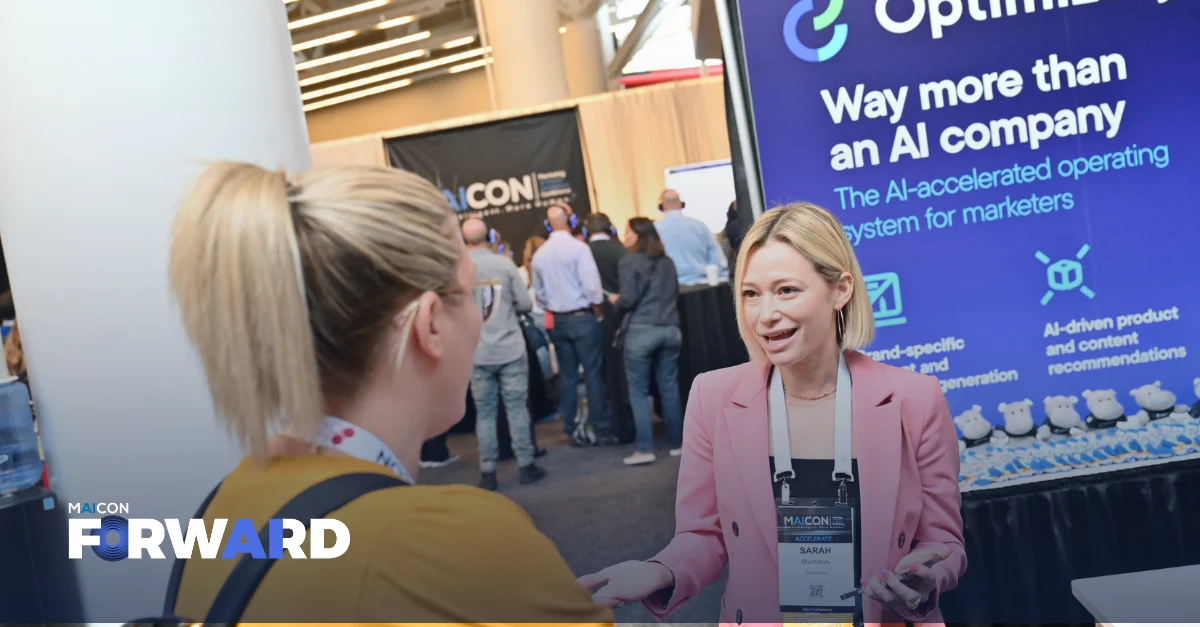
To truly grasp the capabilities of these tools, reading white papers is insufficient. As Cathy McPhillips, CMO of SmarterX and the Marketing AI Institute, notes, "Reading about AI marketing tools is one thing. Seeing what they can actually do is another."
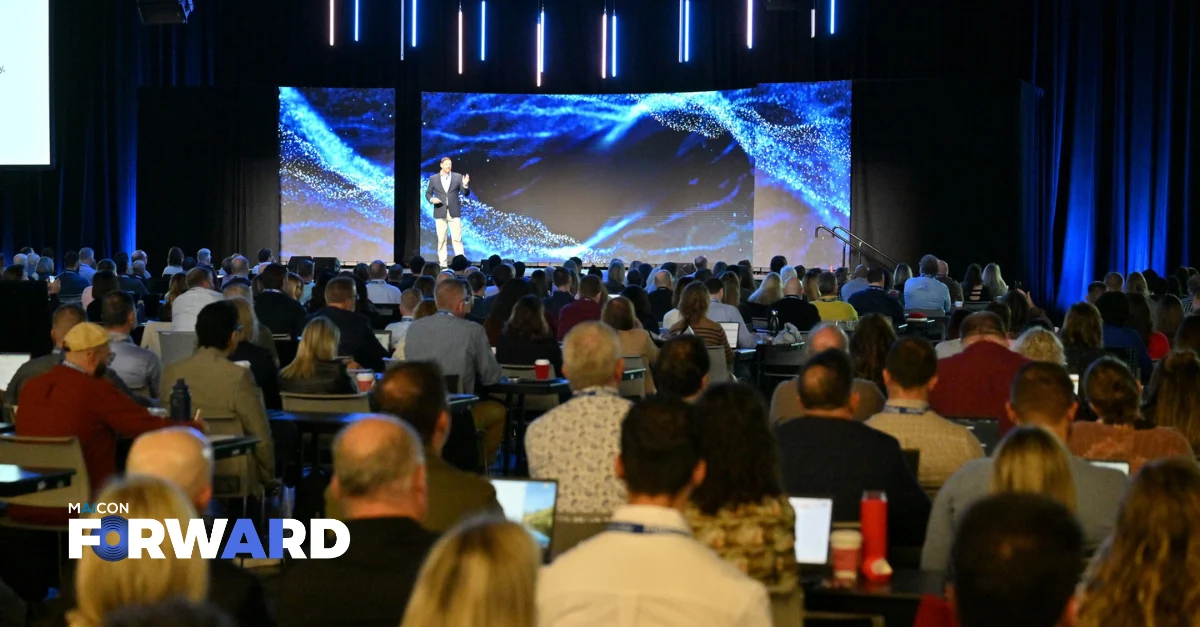
The Marketing AI Conference (MAICON) has become the epicenter for this discourse. By convening developers, practitioners, and organizational leaders, MAICON serves as a bridge between the potential of AI and its actual implementation.
"We are featuring a curated list of platforms because they represent some of the most interesting ways AI is changing the landscape," McPhillips adds. "These aren’t just software providers; they are partners in the ongoing evolution of the marketing function."
Implications for the Modern Marketing Department
The implications for organizations that fail to adapt are clear. A "wait and see" approach is becoming increasingly risky as competitors optimize their workflows, lower their overhead, and improve their customer insights through AI.
1. The Skill Gap Crisis
The most immediate implication is the need for talent transformation. The marketers of tomorrow must be "AI-literate." This doesn’t necessarily mean they need to be software engineers, but they must understand how to construct prompts, interpret machine-generated data, and audit AI outputs for bias and accuracy.
2. The Return to Brand Authenticity
As content generation becomes automated, the value of human-centric storytelling will skyrocket. The companies that win will be those that use AI to handle the "science" of marketing (data, efficiency, logistics) while doubling down on the "art" of marketing (empathy, ethics, brand voice).
3. Ethics and Governance
As organizations collect more data to feed their AI models, the responsibility for data privacy and ethical AI usage becomes paramount. Marketing leaders must now serve as the stewards of ethical AI, ensuring that their tools comply with evolving regulations and that their brand remains transparent with consumers about the use of automated technology.
Preparing for the Future: Join the Conversation
The transition to an AI-driven marketing model is not a one-time event; it is an ongoing journey of experimentation and refinement. As we look toward the 7th annual Marketing AI Conference, taking place October 13–15, 2026, in Cleveland, Ohio, the focus will remain on practical, actionable intelligence.
Attendees at MAICON will have the opportunity to:
- Experience Live Demos: Move beyond slide decks to see how software performs under pressure.
- Engage with Practitioners: Learn from peers who have already navigated the pitfalls of AI implementation.
- Explore Cross-Functional Integration: Understand how AI works across the entire marketing funnel, from demand generation to customer retention.
Conclusion: The Path Forward
The AI marketing landscape is indeed crowded, and the temptation to chase every new tool is significant. However, the path to success lies in discernment. By focusing on technologies that align with your specific organizational goals and by fostering a culture of continuous learning, you can ensure that your team is not just keeping pace with the industry, but setting the standard.
We are, as the saying goes, just getting started. The tools available today are the "Model T" versions of what will come in the next decade. For those willing to learn, adapt, and lead, the possibilities for innovation are virtually limitless.
About the Author
Cathy McPhillips is the Chief Marketing Officer at SmarterX and the Marketing AI Institute. She is a recognized leader in the marketing industry, dedicated to helping professionals navigate the complex intersection of technology and creativity.