In the ever-evolving landscape of digital content creation, bloggers are constantly seeking fresh perspectives to maintain momentum, audience engagement, and long-term viability. Occasionally, these insights emerge from the most unexpected of places. Recently, the explosive rise of pickleball—a sport blending the tactical nuance of tennis, the agility of badminton, and the rapid-fire nature of ping-pong—has provided a masterclass in community building, scalability, and strategic growth that is remarkably applicable to the world of professional blogging.
What began as a backyard curiosity on Bainbridge Island in 1965 has transformed into a global athletic movement. For the digital creator, this trajectory serves as a compelling blueprint. By examining the mechanics of the sport, we can extract profound lessons on how to elevate a blog from a passion project to a thriving, influential content hub.
1. Start Small, Think Big: The Scalability Model
Pickleball’s origin story is a quintessential example of "minimal viable product" success. Conceived by three fathers looking to entertain their children, the sport used makeshift equipment and a simple backyard court. Yet, it possessed the core elements of a great game: accessibility and social connection.
For bloggers, this is the ultimate validation of starting where you are. Many aspiring creators suffer from "paralysis by analysis," waiting for the perfect equipment, the perfect branding, or the perfect audience before publishing their first post. The lesson of pickleball is that excellence is an iterative process. Start with a single post, a specific niche, and a clear voice. Much like the transition from a backyard court to international arenas, your blog will evolve. The key is to keep your eyes on the "net"—your overarching goals—while executing small, consistent wins.
2. The Art of the Rally: Building a Vibrant Community
A pickleball game is defined by the rally. It is the period of sustained engagement where players trade shots, anticipate movements, and build momentum. In the digital sphere, your blog’s comment section, newsletter, and social media presence constitute your rally.
Engagement is not a one-way street. Just as a pickleball player must react to their opponent’s placement, a blogger must respond to the needs and feedback of their readership. Actively soliciting comments, hosting Q&A sessions, and participating in niche-specific forums are the equivalents of keeping the ball in play. The longer you maintain that rally, the more "invested" your community becomes in your success. A blog is not merely a broadcast channel; it is a conversation.
3. The Power of "Dinking": Mastering Simplicity
Perhaps the most tactical element of pickleball is the "dink"—a soft, controlled shot executed at the net. It is not about raw power; it is about precision, patience, and controlling the pace of the game.
In the information-heavy digital age, "dinking" translates to the art of simplifying complexity. Often, bloggers feel pressured to produce exhaustive, jargon-laden content to appear authoritative. However, the most successful creators are those who can synthesize complex ideas into digestible, actionable content. By stripping away the fluff and focusing on clarity, you make your content accessible to a broader audience. A clean, intuitive layout and concise, punchy prose are the "dinks" of the blogging world—they keep the reader moving through your content without feeling overwhelmed.
4. Navigating the "Kitchen": Strategic Positioning
In pickleball, the "kitchen" (the non-volley zone) is a restricted area that dictates where you can stand and how you can interact with the ball. It is a space of discipline. Similarly, every blogger must define their own "kitchen"—the boundaries of their brand identity and niche.
Finding your sweet spot means knowing when to be authoritative and when to be approachable. It involves understanding your audience’s pain points without becoming a "hard sell" machine. When you overstep your boundaries—by losing your unique voice to trends or by spamming your audience with excessive advertisements—you lose the trust that keeps readers returning. Balance is the key to longevity.
5. Learning from the "Whiff": The Resilience Quotient
Even the most seasoned professional pickleball players occasionally miss the ball entirely, an error known as a "whiff." In the context of content creation, a "whiff" might be a blog post that flops, a failed product launch, or a social media campaign that fails to gain traction.
The difference between a successful creator and a struggling one is the response to these moments. Rather than viewing a failed post as a defeat, treat it as data. Analyze why it didn’t resonate: Was the headline weak? Was the topic out of sync with your audience’s current needs? Every misstep provides the information necessary to refine your strategy. Resilience is the engine of growth.
6. Adaptability in a Changing Landscape
The rules of pickleball have evolved alongside its popularity, and players must constantly adapt to new equipment technology and playing styles. The digital landscape is no different. Search engine algorithms change, social media platforms rise and fall, and user consumption habits shift rapidly.
A static blogger is a dying blogger. Success requires a commitment to lifelong learning. Whether it is mastering a new SEO technique, experimenting with video content, or pivoting your topic to match emerging industry trends, flexibility is a survival skill. Stay informed, remain curious, and never be afraid to update your "playbook" to stay relevant.
7. Keeping Your Eye on the Ball: Clarity of Purpose
In the heat of a fast-paced pickleball game, losing focus for a split second results in a lost point. In the blogging world, "losing the ball" means losing sight of your core mission. It is easy to get distracted by vanity metrics—likes, shares, or viral trends—that don’t actually contribute to your long-term goals.
Every piece of content you produce should serve your broader objective. Before hitting "publish," ask yourself: Does this provide value to my target audience? Does it align with my brand identity? Maintaining focus ensures that your efforts are compounding, building a cohesive library of content that establishes your authority over time.
8. The Strategic Serve: Hooks and Call-to-Actions
In pickleball, the serve is the catalyst; a well-placed serve puts the opponent on the defensive and gives you the advantage. Your blog post’s introduction and headline serve the exact same purpose. If you don’t hook your reader within the first few sentences, the rest of your content—no matter how high-quality—will go unread.
Beyond the hook, a "strong serve" includes a clear call-to-action (CTA). Whether you want readers to sign up for a newsletter, leave a comment, or purchase a product, your intent must be clear. A powerful opening followed by a strategic close transforms a passive reader into an active participant.
9. Strategic Positioning: Knowing Your Court
Pickleball is a game of positioning. The most successful players know exactly where to stand to cover the court effectively. For bloggers, this means knowing your niche and your audience better than anyone else.
If you try to write for everyone, you end up writing for no one. Position your blog as the definitive resource for a specific group of people with a specific set of problems. When you become the "go-to" expert in a focused space, you create a moat around your content that makes you resistant to competition.
10. Embrace the Fun: The Sustainability Secret
Perhaps the most important lesson from the pickleball boom is the role of enjoyment. People aren’t just playing because it’s a "good workout"; they are playing because it is genuinely fun.
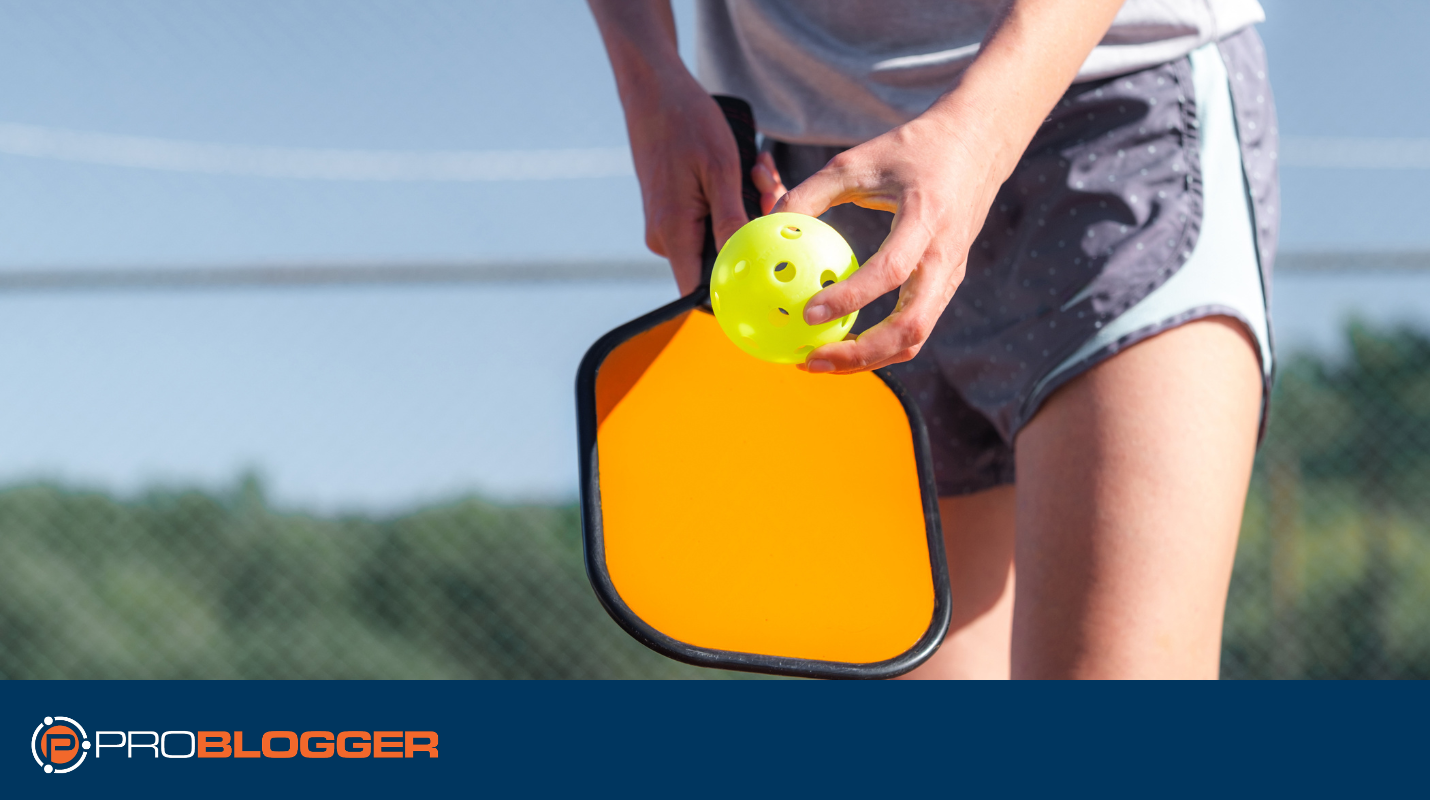
The same applies to blogging. The path to becoming a successful content creator is a marathon, not a sprint. If you view your writing as a chore, your audience will sense it, and your output will suffer. When you are genuinely passionate about your subject matter, that enthusiasm is infectious. It makes your writing more authentic, your engagement more sincere, and your journey much more sustainable.
Conclusion: The Future of Your Content Game
The crossover between pickleball and blogging is a testament to the fact that success principles are often universal. Both require a mix of technical strategy, consistent practice, and the ability to pivot when the game changes.
Who knew that a sport with such a quirky name could offer such profound insights? By adopting a pickleball mindset, you can approach your blogging with renewed energy. You’ll become more strategic in your planning, more resilient in your failures, and more engaged in your community building.
The court is ready, the net is set, and the ball is in your court. Whether you are an established creator or someone just drafting their first post, remember the core tenets of the game: start where you are, play with intention, and above all, make sure you are having fun. Your blog might just be the next big hit.