By Josh Gallant | Updated: July 30, 2025
In the modern digital landscape, the mantra of "traffic at any cost" is rapidly becoming a relic of the past. As customer acquisition costs (CAC) soar across paid social and search channels, businesses are finding that pumping more visitors into a leaky funnel is a recipe for financial exhaustion. The new gold standard for sustainable growth is conversion marketing—a disciplined, data-backed methodology that transforms passive browsers into active participants.
The Paradigm Shift: From Traffic Volume to Value Capture
For years, the marketing industry operated under a simple, flawed assumption: more traffic equals more revenue. However, as global digital markets become increasingly saturated, this "more is better" approach has hit a wall of diminishing returns.
Conversion marketing represents a fundamental pivot in strategy. Rather than obsessing over the top-of-funnel volume, it focuses on the "conversion event"—the moment a visitor decides to sign up for a newsletter, book a demo, or complete a purchase. By shifting the focus to Conversion Rate Optimization (CRO), companies can extract significantly more value from the traffic they already possess.
Consider the arithmetic of growth: If a website attracts 10,000 visitors per month with a 2% conversion rate, it nets 200 conversions. By utilizing conversion marketing strategies to improve that rate to just 4%, the business effectively doubles its output without spending an additional dollar on advertising. This is not merely optimization; it is a profound improvement in operational efficiency.
Chronology of the Modern Conversion Strategy
The maturation of conversion marketing has evolved through three distinct phases over the last decade:
- The "Hunch" Era (Early 2010s): Marketers relied on gut feelings, generic design templates, and basic color-change A/B tests to improve site performance. Data was sparse, and results were often anecdotal.
- The Analytics Wave (Mid-2010s): The widespread adoption of Google Analytics allowed marketers to track user behavior with precision. This phase introduced heatmaps and session recordings, moving the focus from "what" happened to "why" it happened.
- The AI and Personalization Era (Present): We are now in the age of AI-driven optimization. Tools like Smart Traffic and automated A/B testing platforms allow businesses to deliver bespoke experiences to individual users in real-time, matching specific visitor intent to the right content automatically.
Supporting Data: The Anatomy of High-Performing Sites
The success of a conversion-focused strategy is rooted in empirical data. According to industry benchmarks, the difference between a high-performing landing page and a stagnant one often comes down to friction reduction.
- The Power of Speed: Studies have consistently shown that even a one-second delay in page load time can result in a 7% drop in conversions. In an era of instant gratification, speed is a primary feature, not a secondary consideration.
- Form Friction: Lengthy, complex forms are the primary killers of lead generation. Research indicates that reducing the number of fields in a sign-up form can increase conversion rates by as much as 27%.
- The Trust Factor: Social proof—in the form of case studies, testimonials, and industry badges—is no longer optional. Visitors are psychologically predisposed to seek validation from their peers before committing to a purchase or a subscription.
Defining Success: Metrics That Matter
To execute an effective conversion strategy, marketing leaders must distinguish between macro and micro conversions. A macro conversion is your primary objective (e.g., a SaaS subscription or an e-commerce sale). Micro conversions are the smaller, incremental steps that signal user interest—downloading a whitepaper, watching an explainer video, or clicking a "pricing" button.
The Formula for Growth
The industry standard formula remains:
Conversion Rate = (Total Conversions / Total Unique Visitors) x 100
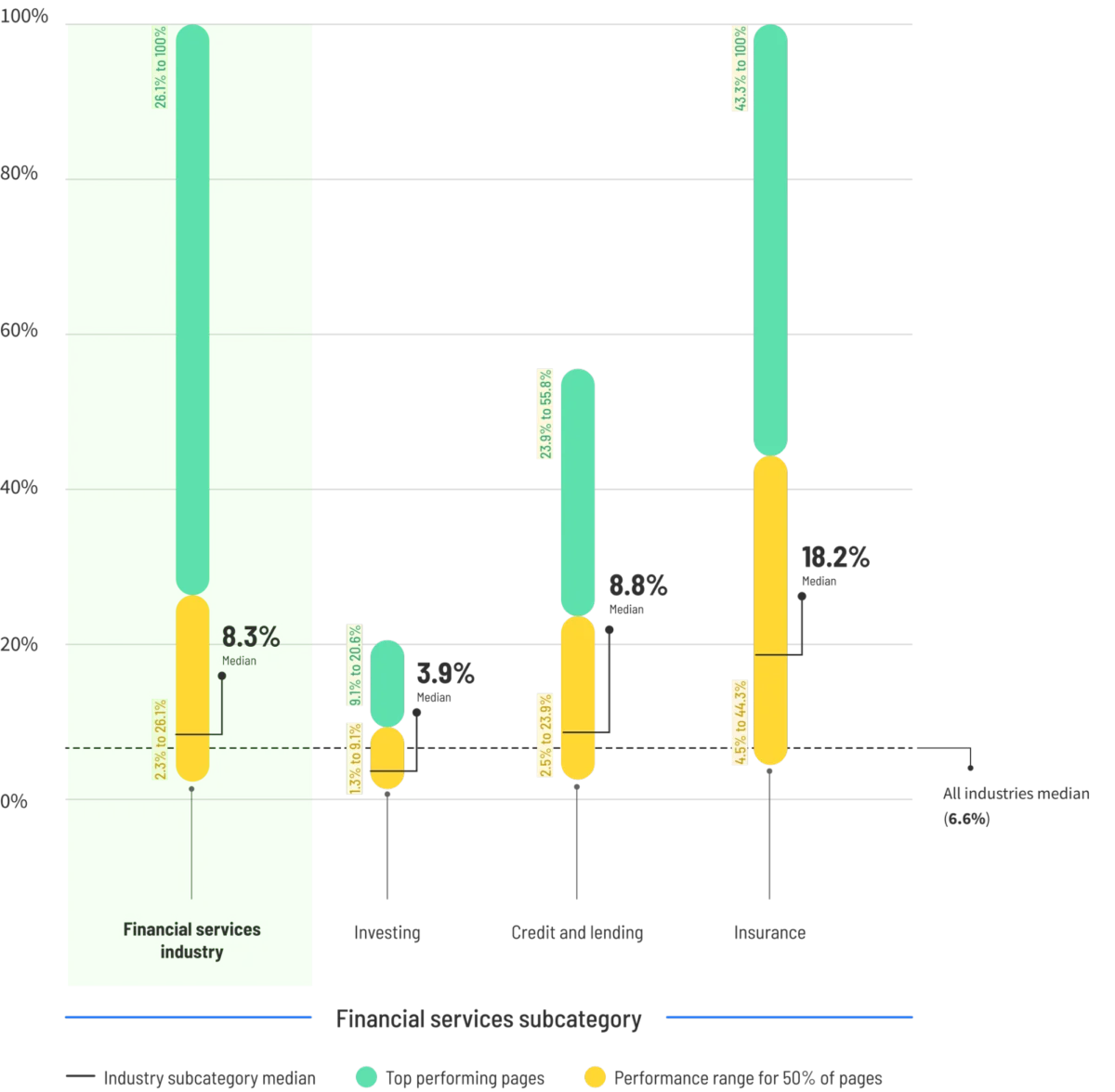
However, the "right" rate varies wildly by industry. E-commerce sites often see lower percentages but higher volume, while B2B SaaS platforms might prioritize a lower volume of high-intent demo requests. The goal is never to chase an arbitrary benchmark; it is to beat your own historical baseline consistently.
The Psychological Drivers of Conversion
Why do users convert? It isn’t by accident. It is a psychological response to a well-crafted value proposition.
The Value Proposition
Your value proposition is the "beating heart" of your landing page. It must answer the visitor’s most urgent question in under ten seconds: "What is in it for me?" A compelling value prop must be clear, specific, and focused on the solution, not the product’s features. If a visitor has to work to understand your offering, they have already begun their journey to the "back" button.
The Role of Urgency and Scarcity
Human beings are wired to avoid missing out (FOMO). By utilizing time-sensitive offers or limited-quantity incentives, marketers can provide the necessary "nudge" to move a hesitant lead toward a decision. However, this must be handled with integrity. Fabricated urgency (like a "last chance" banner that never disappears) is easily spotted and destroys brand trust.
Tactical Implementation: Turning Insights into Action
Strategic planning is only the beginning. The execution phase requires a rigorous process of experimentation.
1. The Power of Dedicated Landing Pages
Sending paid traffic to a generic homepage is a common pitfall. High-converting campaigns direct traffic to purpose-built landing pages that remove navigation bars and distractions, focusing entirely on the desired conversion action.
2. The Discipline of A/B Testing
The golden rule of testing is: test one variable at a time. Whether it is the headline, the call-to-action (CTA) button color, or the length of the form, changing too many elements at once makes it impossible to identify the driver of success. Continuous improvement is a marathon, not a sprint.

3. Mining Qualitative Feedback
Data shows you what is happening, but your sales and support teams can tell you why. By analyzing the recurring questions, objections, and pain points raised by prospects during the sales cycle, marketers can proactively address these hurdles on the landing page itself. If your sales team is constantly answering a specific question, that answer belongs in the copy.
Implications for Future Growth
The future of conversion marketing lies in the integration of AI. Artificial Intelligence is moving from being a novelty to an essential partner in the marketing stack. Systems that automatically route visitors to the page variant they are statistically most likely to engage with (such as Unbounce’s Smart Traffic) are setting a new standard for performance.
Furthermore, as privacy regulations (such as GDPR and the sunsetting of third-party cookies) reshape the digital landscape, first-party data captured through conversion-focused experiences is becoming the most valuable asset a company can own.
Conclusion: The Holistic Marketing Ecosystem
Conversion marketing is not an isolated silo; it is the living room of your marketing house. Whether you are driving traffic via SEO, PPC, email marketing, or organic social, every single click is a potential guest. If your landing pages are optimized, your conversion points are clear, and your user experience is frictionless, you turn those guests into advocates.
By shifting focus away from the relentless, expensive pursuit of "more traffic" and toward the intelligent optimization of "existing traffic," businesses can build a more resilient, profitable, and scalable growth engine. The tools to build this foundation are readily available—the only thing missing is the commitment to test, iterate, and refine.
In the competitive digital economy, the companies that thrive will not be those with the largest advertising budgets, but those with the highest conversion intelligence.