As the digital marketing ecosystem rapidly evolves, professionals are forced to adapt to shifting algorithms, stricter platform data policies, and a wave of new artificial intelligence tools designed to streamline workflows. From Meta’s aggressive push into enterprise and standalone community apps to Reddit’s impending API restrictions, the rules of audience engagement are being rewritten.
This comprehensive briefing breaks down the most critical insights, platform updates, and strategic pivots marketers need to navigate today’s landscape.
Main Facts: The New Frontier of Social Media Infrastructure
The digital marketing landscape is experiencing a massive structural realignment, characterized by three major trends: the institutionalization of AI agents, the tightening of platform data access, and an increased emphasis on original, human-centric content.
- Meta’s AI and Standalone Apps Expansion: Meta is consolidating its ecosystem by launching "Forum," a dedicated app for Facebook Groups, introducing the "Edits" AI assistant for Instagram creators, highlighting the always-on "Muse" AI agent, and establishing the Meta Enterprise Platform to sell its AI stack to businesses.
- Reddit’s Data Access Restrictions: In a definitive response to automated web scraping and AI model training, Reddit has announced the complete shutdown of its RSS feeds by November 2026 and public API access by March 2027, severely impacting social listening tools and unvetted AI assistants.
- Algorithmic Cracks Down on Unoriginal Content: Platforms like YouTube and LinkedIn are actively updating their recommendation and moderation systems to suppress "AI slop" and unoriginal re-uploads, rewarding creators who prioritize authentic, first-person insights and native multimedia experimentation.
Chronology of Recent Platform Updates
To fully grasp how these changes affect day-to-day operations, it is essential to look at the timeline of recent rollouts across major social networks:

- Meta Enterprise Platform Launch: Meta established its new business pillar to commercialize its underlying AI models, agents, and business technology (including the Muse API and Meta Business Agent), bringing in executive CJ Desai to spearhead enterprise growth, security, and privacy initiatives.
- Instagram Edits AI Assistant Rollout: Instagram made its native analytical AI assistant available to all U.S. users. The tool aggregates account metrics, audience behaviors, and trending audio to surface localized content recommendations and hooks.
- Instagram Live Boosting Integration: Instagram rolled out in-app promotion capabilities for active live broadcasts, enabling creators to instantly convert livestreams into paid ads distributed across Feeds, Stories, and Reels without needing to navigate the full Meta Ads Manager.
- Threads Enhances Live and Creative Tools: Threads introduced interactive live-chat features—including "raise hand" functionalities and live emoji reactions—while testing web-based live chats and a mobile media editor allowing users to layer posts over photos and videos.
- Reddit’s Countdown to API and RSS Sunset: Reddit outlined its strict timeline to restrict third-party data access, setting a November 2026 deadline for RSS feed termination and a March 2027 deadline for public API shutdowns, forcing developers and marketers to seek formal commercial access agreements.
- YouTube Shorts Originality Shift: YouTube updated its Shorts recommendation algorithms to prioritize original video content, systematically decreasing the distribution reach of recycled or unoriginal video re-uploads.
Supporting Data and Strategic Marketing Insights
Navigating these platform updates requires actionable adjustments to ad strategies, content generation, and audience research. Industry experts shared several high-impact tactics at recent marketing events and strategy sessions.
1. Unlocking High-Performing Ad Hooks via Customer Insights
When running out of angles for Facebook or Instagram ads, marketers should look beyond traditional brainstorming sessions. According to ad experts, the most effective ad copy is often already written by the consumer.

- The Survey Mining Process: Mine existing customer surveys for exact pain points, emotional motivations, and vernacular phrases used by buyers. Turn these real phrases into high-converting hooks, avatars, and message testing variations.
- The Reddit Search Technique: When survey data is exhausted, leverage Google search operators—such as
site:reddit.comcombined with specific pain points, benefits, or customer personas. The resulting threads reveal authentic before-and-after states, relatable scenarios, and raw frustrations that can be transformed directly into ad scripts. Note: Marketers must capture these insights quickly before Reddit’s impending API and RSS shutdowns take full effect.
2. The Nuances of LinkedIn Marketing in an AI Era
AJ Wilcox, founder of B2Linked and host of The LinkedIn Ads Show, recently broke down how LinkedIn is cracking down on generic AI-generated content while simultaneously rolling out native AI tools.
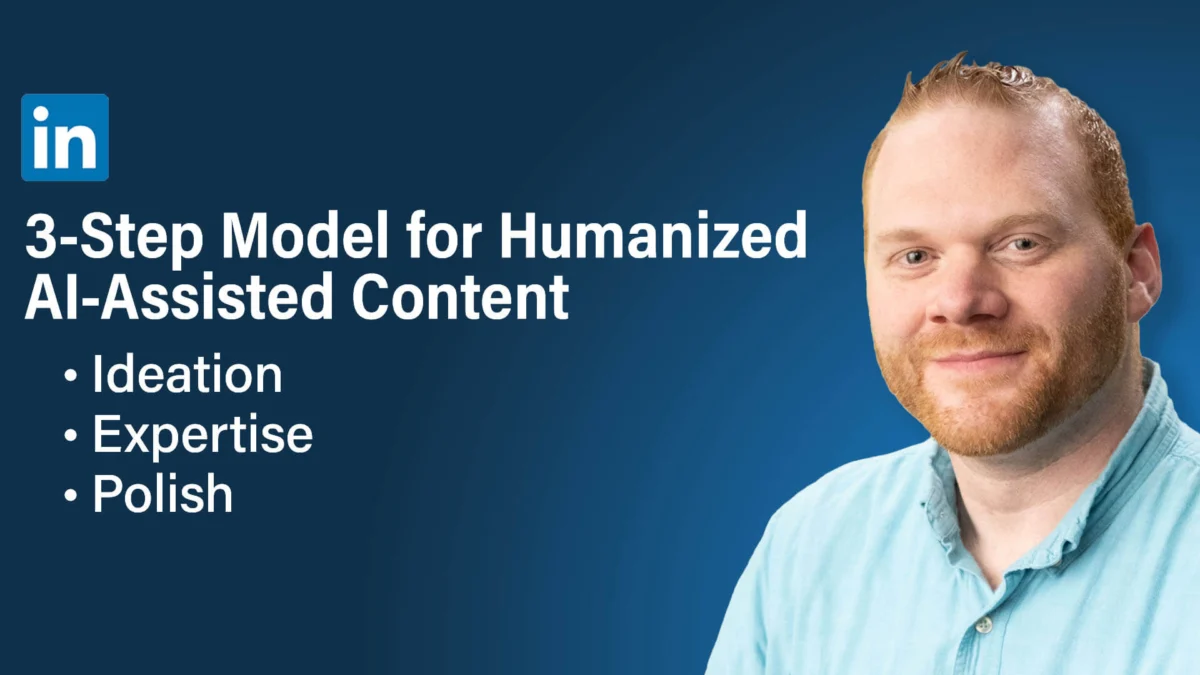
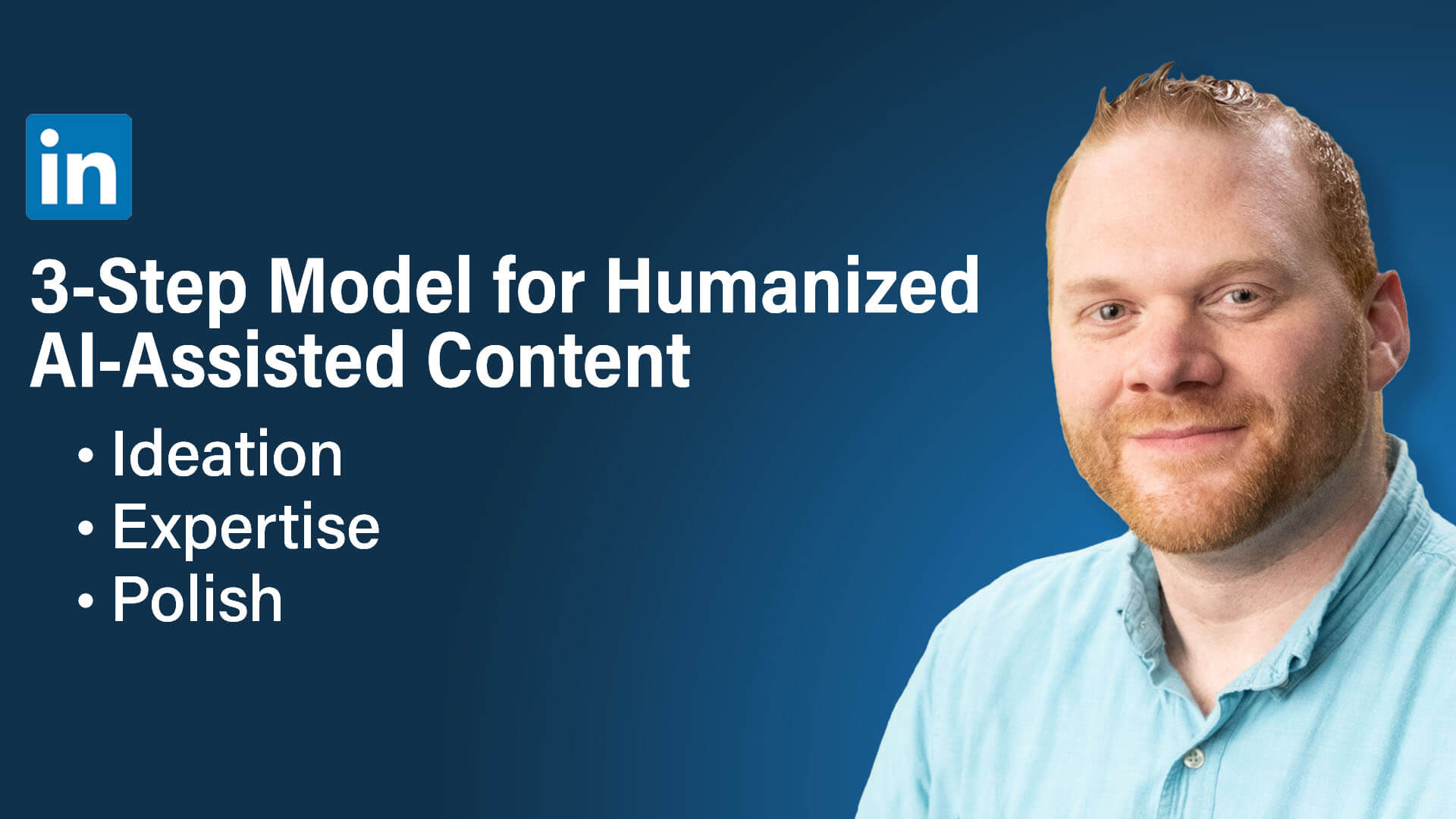
- Where AI Belongs: AI excels at structural outlining and drafting, but writers should never hand off the final emotional polish or core thesis. Over-reliance on predictable phrasing can trigger platform filters that flag human-written text as automated "AI slop."
- The Power of Strategic Commenting: Because LinkedIn is increasing the visibility of high-value comments, a comment-first engagement strategy often outperforms publishing standalone posts. Engaging within a tight timing window with thoughtful follow-up questions generates the kind of relationship-driven distribution the algorithm rewards.
- Ad Variations Balance: While LinkedIn claims that increased ad variations improve click-through rates, advertisers should avoid blindly copying Meta’s volume-heavy approach. Limiting creative sets to a tested threshold prevents wasted spend while focusing attention on proven video formats.
Official Responses and Industry Reactions
The sweeping nature of these updates has elicited strong reactions from tech giants, platform founders, and independent marketing leaders.
- Meta on Enterprise and Creator AI Integration: Meta frames its rollout of tools like Muse and the Meta Enterprise Platform as a necessary step to reduce operational friction. By automating administrative workflows, project planning, and brand deal coordination, Meta aims to let creators and corporate teams focus purely on high-level strategy.
- Reddit on Data Protection: Reddit’s leadership defends its aggressive restrictions on RSS feeds and public API access as a vital protective measure against unauthorized data harvesting. By requiring commercial agreements and bot registration, the platform seeks to safeguard user privacy and control how its conversational data is utilized by third-party entities and LLM trainers.
- Platform Communities and Networking: Despite the heavy integration of artificial intelligence across all networks, industry leaders emphasize that the core value of marketing education remains fundamentally human. As noted by attendees and organizers of major industry conferences like Social Media Marketing World, digital tools can solve operational bottlenecks, but genuine breakthroughs still happen through face-to-face conversations and shared industry experiences.
Implications for Modern Marketers
The convergence of tighter data walls, sophisticated AI agents, and stricter algorithmic standards signals the end of "spray-and-pray" digital marketing.
- First-Party Data is Paramount: With Reddit locking down its public data streams and other platforms tightly monitoring content integrity, brands can no longer rely solely on automated scraping or third-party shortcuts for consumer research. Marketers must build robust, direct-to-consumer feedback loops—such as customer surveys and community focus groups—to capture authentic audience language.
- Efficiency vs. Authenticity: While AI tools like Instagram’s Edits assistant and Meta’s Muse offer unprecedented leverage for analytics and task management, the human element remains your primary differentiator. Algorithms are rapidly learning to demote unoriginal, recycled, or generic AI-generated content. Success will belong to those who use AI to handle backend logistics while injecting genuine, first-person expertise into their creative output.
- Agility in Paid Media: As advertising platforms encourage larger asset libraries and dynamic placements (such as Instagram’s new in-app live boosting), marketers must balance algorithmic recommendations with strict fiscal discipline. Testing fewer, highly targeted creative variations derived from actual customer pain points will consistently outperform bloated, unrefined ad sets.
By adapting to these structural shifts early, marketers can future-proof their strategies, cut through the noise of automated content, and build sustainable, high-converting campaigns for the remainder of the year and beyond.