The landscape of managed WordPress hosting is undergoing a seismic shift. As the web evolves, the traditional "set it and forget it" hosting model is being supplanted by a proactive, AI-driven, and highly consultative approach. At the center of this transformation is Pressable, a managed WordPress hosting provider that is redefining the role of the technical account manager (TAM) and integrating cutting-edge artificial intelligence into the infrastructure layer.
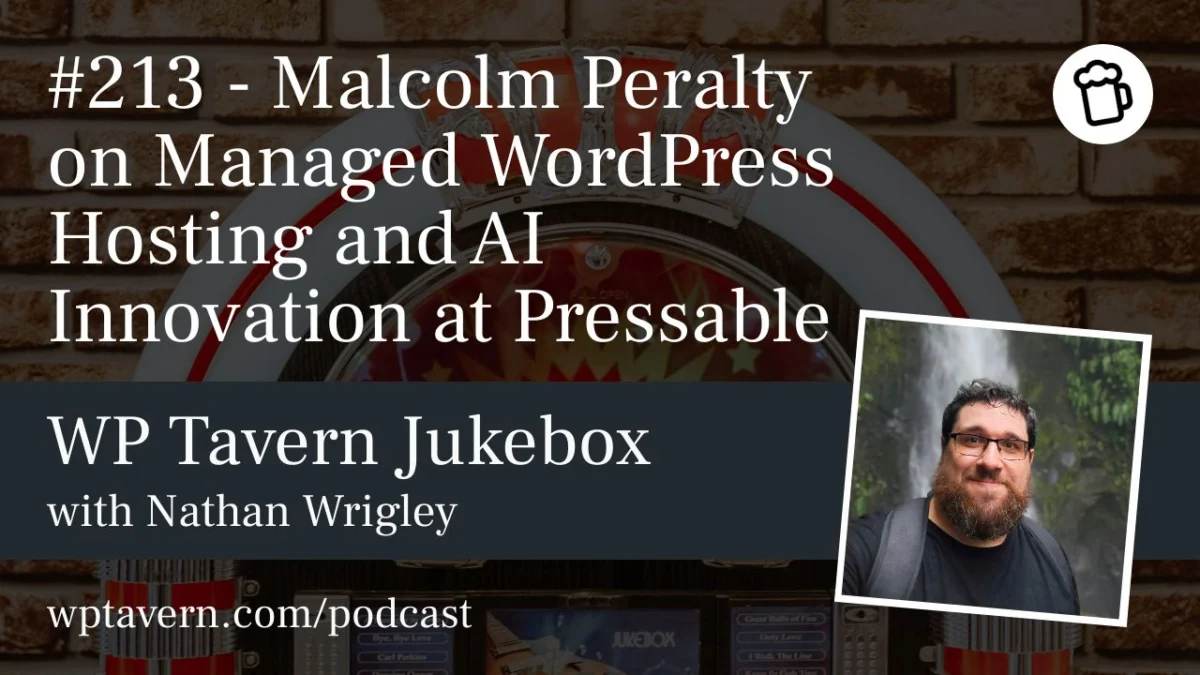
In a recent episode of the WP Tavern Jukebox podcast, Malcolm Peralty—a 20-year veteran of the WordPress ecosystem and current Technical Account Manager at Pressable—offered a rare, behind-the-scenes look at how hosting providers are navigating the dual challenges of massive scalability and the rapid integration of natural language processing into site management.
A Career Defined by CMS Evolution: The Road to Pressable
Malcolm Peralty’s journey is emblematic of the broader WordPress community. Starting with WordPress 0.72—long before the platform reached its 1.0 milestone—Peralty evolved from a full-time blogger into a multifaceted tech professional. His career path took him through various roles in project management and agency work, including a significant tenure at Acquia, the "mothership" of the Drupal ecosystem.
Peralty’s experience in the Drupal world provided a unique vantage point on the differences between CMS architectures. While he acknowledges the technical prowess of Drupal, he notes that WordPress’s accessibility and the evolving nature of its hosting infrastructure eventually drew him back. His transition to Pressable represents a synthesis of these experiences: applying high-level technical account management—a standard in enterprise-grade platforms like Acquia—to the WordPress world.
Defining Technical Account Management in the Modern Era
One of the most persistent misconceptions in the hosting industry is the conflation of "technical account management" with sales. At Pressable, the role is strictly strategic. Rather than focusing on renewals or upselling, a TAM acts as a long-term architectural partner for high-scale clients.
"We’re WordPress hosting strategists," Peralty explains. "We think about what a client’s website looks like in one or two years. What technologies do they need to prepare for? What plugins are creating performance bottlenecks, and are there more efficient alternatives?"
This consultative model extends to proactive resource management. In a refreshing reversal of industry norms, Pressable’s TAMs occasionally advise clients to downsize their hosting plans. By identifying performance inefficiencies and helping clients optimize their plugin stacks, the host can improve overall server health while simultaneously reducing costs for the customer.
Behind the Curtain: Hardware and Performance Challenges
Modern hosting is no longer just about storage and bandwidth; it is an intricate exercise in hardware architecture. Pressable operates its own infrastructure, known as WP Cloud, which allows for greater control over the environment compared to generic cloud solutions.
Peralty highlights the difficulty of managing performance in an ecosystem where "plugin bloat" is a common reality. When clients install multiple heavy page builders or resource-intensive plugins (such as large-scale LMS or WooCommerce implementations), the site becomes a different "animal."
"Competing hosts often hide issues through aggressive caching," says Peralty. "But when you move to a platform that handles high concurrency, that’s when you see the difference. We have a ‘one worker per VCPU’ model, which ensures dedicated lanes for processes, unlike the shared-resource models common elsewhere."
This technical transparency is essential. Educating clients on why a site might feel "faster" on a low-end host (due to aggressive, brittle caching) versus "slower" on a resilient host (which is actually handling complex, dynamic database queries) is a core component of the TAM’s job.
The Dawn of AI-Powered Hosting: Pressable’s MCP
Perhaps the most significant development discussed is the upcoming launch of Pressable’s MCP (Managed Control Panel). This AI-powered interface aims to allow users to deploy, manage, and troubleshoot WordPress sites using natural language commands.
How MCP Changes the Workflow
The vision for MCP is to move beyond the traditional, click-heavy dashboard. For agency partners managing hundreds of sites, the ability to issue commands like "Spin up a staging site, pull the production database, and sync the latest code" is a massive productivity multiplier.
- Natural Language Deployment: An agency could theoretically set up a proof-of-concept site for a client during a single meeting, using AI to handle the environment provisioning and basic theme configuration.
- Mass Updates: Instead of manually checking each site for plugin vulnerabilities, a user could ask the AI to identify all instances of a specific plugin across their fleet and perform updates in bulk.
- Infrastructure Interaction: The MCP acts as a bridge between the user’s intent and the platform’s underlying API endpoints, effectively automating the administrative burden.
Guardrails and the Human Element
As with any powerful automation tool, the potential for catastrophic error—or "hallucinations"—is a primary concern. Peralty is candid about the risks of allowing AI to modify core files or database entries.
"We have pretty solid backup solutions, but the goal is to keep humans in the loop," Peralty notes. "We are building guardrails into the MCP, such as requiring confirmation before executing destructive actions, and leveraging the fact that WordPress core files are symlinked, making them immutable by default."
The long-term goal is not to remove the human from the process, but to elevate the human’s role. By offloading repetitive, low-level technical tasks to an AI, technical account managers can focus on higher-level architectural decisions and provide deeper support for the customers who need it most.
Implications for the Future of WordPress
The conversation points to a significant divergence in how websites will be created in the coming years. We are moving toward a future where the WordPress user interface—which has remained relatively consistent for two decades—may become secondary to an AI-driven IDE or CLI-like interface.
The Rise of "Invisible" Hosting
As AI agents become capable of managing CSS, theme swaps, and content updates, the act of "building a website" will shift from manual labor to prompt engineering. This raises critical questions:
- Supportability: How do host support teams troubleshoot an issue when the site was built and modified by an AI that doesn’t follow standard human conventions?
- Cost Dynamics: AI-driven interactions create significant server load. As bots and AI agents crawl, index, and modify sites millions of times, the "cost" of being online may rise.
- The "Luddite" Contingency: There will likely remain a segment of the market that demands manual, human-controlled environments. Hosting providers will need to balance innovation with accessibility.
Conclusion
The future of hosting is clearly moving toward an integrated, AI-assisted model that prioritizes efficiency and resilience. By embracing the role of a strategic partner rather than a mere utility provider, companies like Pressable are preparing for a world where the infrastructure itself is as dynamic as the content it hosts.
For the WordPress community, this transition marks the end of the "file and database" era of hosting and the beginning of an "intelligent environment" era. While the risks of automation are real, the potential to democratize high-end performance and management for agencies and small businesses alike is a development that will undoubtedly shape the next decade of web development.
As Malcolm Peralty aptly summarized, the goal is "human first, AI enhanced." If the industry can maintain that balance, the results will be a more resilient, performant, and capable internet for everyone.