In the sprawling ecosystem of WordPress, where over 60,000 plugins provide the backbone for nearly half of the world’s websites, a quiet, high-stakes battle is being waged. It is not the traditional "smash and grab" of brute-force login attempts or SQL injections that keeps security researchers awake at night anymore; it is the sophisticated, long-term subversion of the software supply chain.
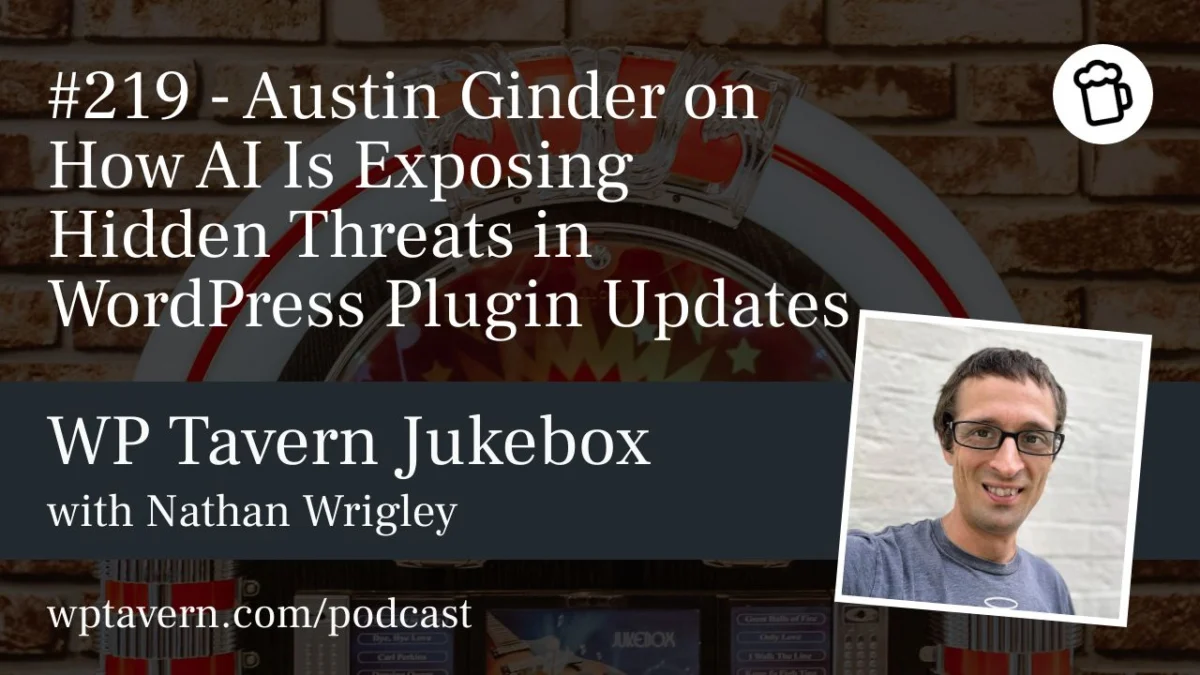
Austin Ginder, a long-time WordPress developer and the founder of the hosting management service Anchor Hosting, has recently found himself at the center of this burgeoning crisis. What began as a routine malware cleanup for a client has evolved into a comprehensive investigation into how bad actors are weaponizing legitimate plugins to compromise thousands of sites simultaneously.
The Evolution of the Threat: Supply Chain Hijacking
Traditional website security often focuses on patching known vulnerabilities in themes or plugins. However, supply chain attacks represent a fundamental shift in strategy. Instead of looking for a way to break in, attackers are effectively "buying the front door key."
As Ginder explains, there are two primary methods currently being utilized by bad actors:
- Direct Credential Compromise: Hackers gain unauthorized access to a plugin developer’s account on the WordPress.org repository, allowing them to push malicious code updates that appear to be legitimate, signed updates from the original author.
- Acquisition and Weaponization: In a more audacious move, threat actors purchase legitimate, established plugin companies. Once they own the asset, they silently "weaponize" the code, pushing updates that include backdoors, SEO spam, or malicious redirect scripts.
The danger lies in the "invisibility" of these attacks. Because the plugin is updated through official channels—or, in some cases, redirected to a rogue update server—the site administrator remains unaware that their security has been compromised. The plugin’s primary functionality often remains intact, masking the malicious payload operating in the background.
Chronology of a Crisis: From Accident to Investigation
Ginder’s journey into the depths of WordPress security was entirely accidental. In February 2024, he observed a troubling pattern: multiple long-standing, secure websites managed under his care began showing signs of malware.
"Malware cleanup before AI was always a little bit of a dicey thing," Ginder notes. "You could check all the boxes, but you never had the certainty that it was 100% clean."
By leveraging modern AI tools—specifically large language models like Claude—Ginder was able to conduct deep-dive forensic analysis that was previously impossible for a solo developer. By feeding the AI data from infected sites and comparing it against clean versions, he identified that the source of the infection was not the server configuration, but the plugins themselves.
The Turning Point: Case Studies
- The "Essential Plugins" Breach: Ginder discovered a scenario where a suite of over 30 plugins was compromised following a change in ownership. The WordPress security team eventually intervened, flagging the plugins and issuing alerts to users.
- The Widget Logic Incident: A security feature implemented by Ginder to monitor JavaScript embeds caught a strange, unauthorized sports-related script. Further digging confirmed this was a supply chain attack on the Widget Logic plugin.
- The "Scroll to Top" Dormancy: Perhaps most alarming was the discovery of a plugin installed on 20,000 sites that contained dormant malicious code. The attacker had not yet "pulled the trigger" to activate the malware, meaning thousands of site owners were sitting on a ticking time bomb, unaware that their site was compromised.
The Role of AI in Forensic Defense
The sheer scale of the WordPress ecosystem has historically made comprehensive auditing impossible. With over 60,000 plugins, a manual review of every line of code in every update is beyond the capacity of even the largest security firms.
Ginder argues that AI has changed the math. "AI is my friend," he says. "It’s a superpower where we can just run AI through it all. If we feed it the right points, we can start to make the correlation after the fact."
By automating the comparison of file hashes and auditing PHP and JavaScript changes, Ginder has been able to bridge the gap between reactive cleaning and proactive detection. He posits that if hosting companies—who manage millions of sites—applied similar AI-driven forensic techniques, they could identify and neutralize these threats before they ever reached the end-user.
WP Beacon: A New Resource for the Community
To address the lack of centralized data regarding these specific types of attacks, Ginder launched WP Beacon. Unlike traditional vulnerability databases that track known software bugs (CVEs), WP Beacon is designed specifically to track "bad actors" and supply chain incidents.
The goal of the project is twofold:
- Documentation: To create a transparent record of how specific supply chain attacks occurred, which helps security professionals understand the tactics being used.
- Infrastructure Disruption: By sharing identifiers and patterns with security firms and hosting providers, the project aims to take down the command-and-control servers that these plugins "call home" to.
Ginder emphasizes that this is not about shaming developers, but about creating a "signal" to bad actors that their activities are being monitored and documented. "We’re going to find you, we’re going to weed you out," he asserts.
The Response: Collaboration and Challenges
The response from the WordPress ecosystem has been largely positive. The WordPress Plugin Review Team has been responsive in closing down compromised repositories and issuing necessary patches. However, the systemic nature of these attacks requires more than just reactive patching.
The primary challenge remains the "open-door" nature of the WordPress repository. While this openness is the source of WordPress’s strength and popularity, it creates a massive surface area for abuse.
Potential Paths Forward
- Greater Collaboration with Hosts: Ginder believes that hosting providers are sitting on a "gold mine" of data. If large-scale hosts shared data regarding malware patterns, the community could create a real-time defense network.
- Automated Auditing: There is a growing consensus that while human review is essential, it must be augmented by automated, AI-driven code auditing that tracks changes in plugin behavior over time.
- Verification of Ownership: Some industry experts have discussed the need for more rigorous verification for developers who purchase or take over existing plugins, ensuring that the reputation of the plugin is not being transferred to an anonymous or malicious entity.
Implications for the Future of Open Source
The "Wild West" nature of WordPress is what allows for the rapid innovation that defines the ecosystem. As Ginder notes, he does not want his website to become a locked-down, permission-heavy environment like a mobile operating system.
"I want to be in the Wild West," Ginder says. "I want to be able to code and do what I want to do."
However, the reality of the current threat landscape suggests that the status quo is unsustainable. As attackers become more sophisticated, the community must find a balance between the freedom of open-source development and the necessity of supply chain security.
The emergence of AI as a tool for defense is a turning point. It democratizes the ability to perform high-level forensics, allowing individual developers and small hosting providers to act as sentinels for the wider community. While the "war" against malicious actors will likely never be fully won, the work being done by researchers like Ginder is significantly raising the cost of entry for those who seek to exploit the WordPress ecosystem.
For now, the advice to site administrators remains clear: stay vigilant, keep plugins updated, and if you manage multiple sites, consider implementing an monitoring strategy that goes beyond simple uptime alerts. In an era of supply chain attacks, your site is only as secure as the silent code running in the background.
For more information on the latest supply chain threats and to access the research, visit wpbeacon.io or follow Austin Ginder’s updates via his blog at anchor.host.