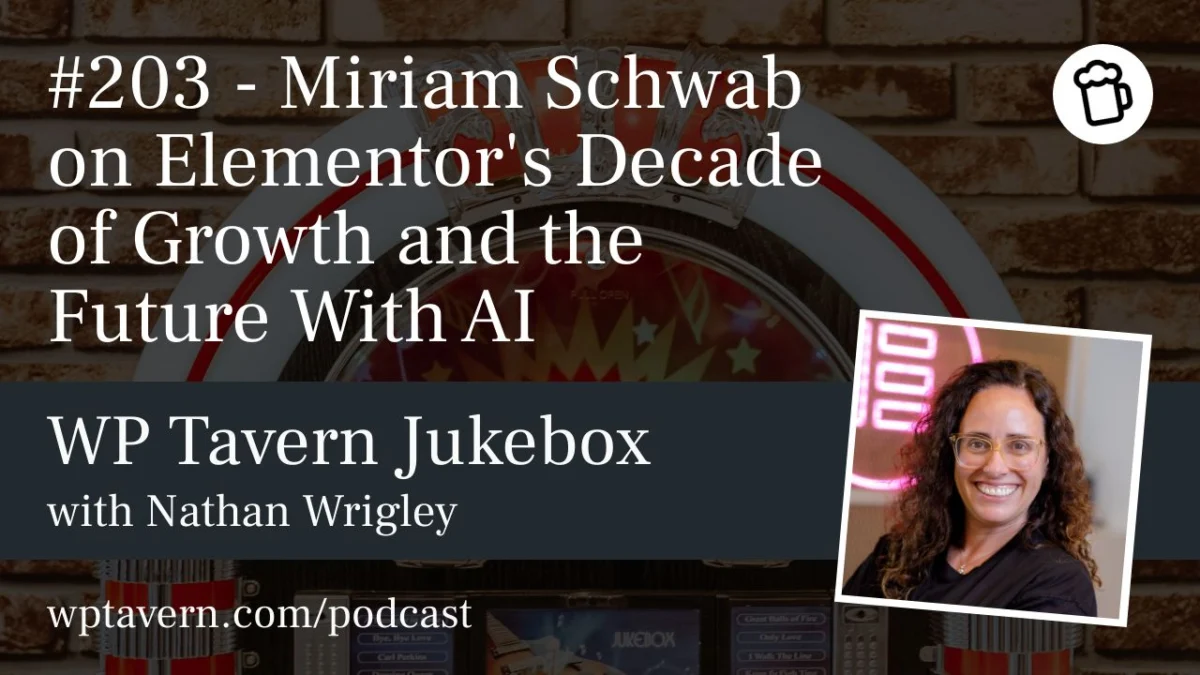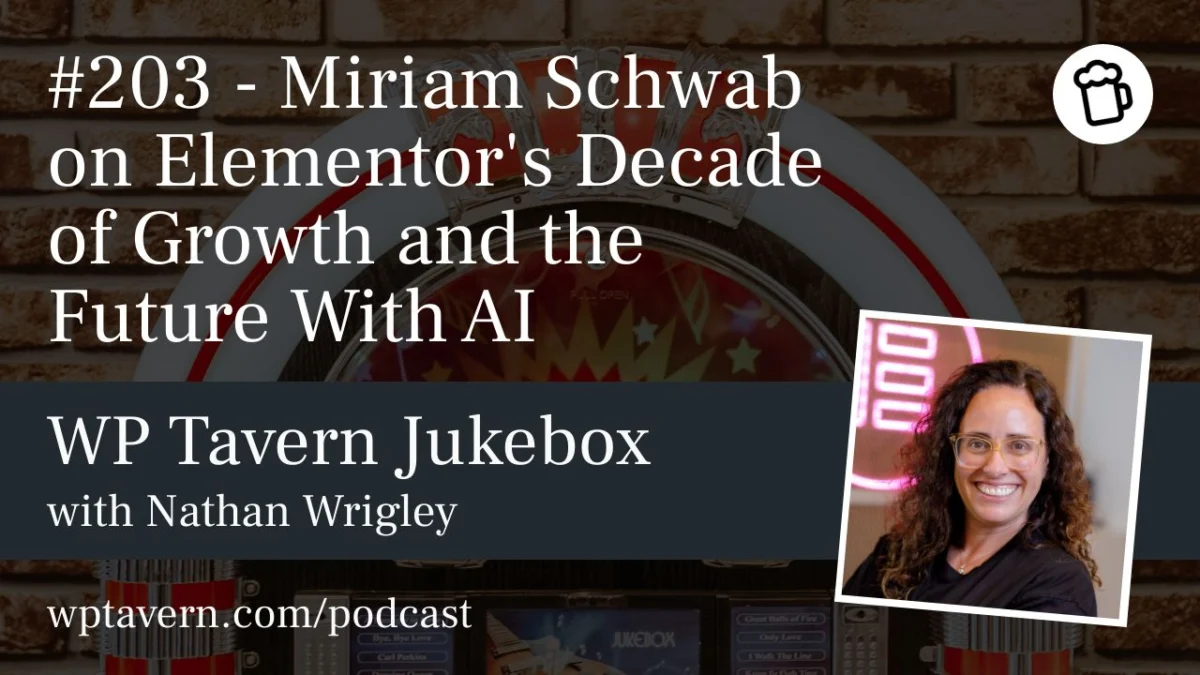
As WordPress approaches its third decade, the landscape of web development is undergoing a seismic shift. At the center of this transformation is Elementor, a platform that has redefined how millions of users interact with the world’s most popular Content Management System (CMS). Recently, I sat down with Miriam Schwab, Head of WordPress at Elementor, to discuss the platform’s meteoric rise, its strategic pivot toward artificial intelligence, and what the future holds for the WordPress ecosystem.
A Decade of Unprecedented Growth
Elementor is currently approaching its 10th anniversary, a milestone that underscores its transformation from a fledgling page builder to a foundational pillar of the modern web. According to recent data from W3Techs, Elementor now powers over 13% of the entire internet. This is a staggering statistic, reflecting not only the popularity of the plugin but the continued vitality of the WordPress ecosystem itself.
For the third consecutive year, W3Techs has recognized Elementor as the "Top Content Management System" by growth, consistently outpacing competitors like Wix and Shopify. Schwab notes that this growth is not merely a result of existing users expanding their footprints; it represents a significant influx of new sites—roughly 3.5 million over the past year alone.
"When Elementor launched, it was the right product at the right time," Schwab explains. By providing a robust, user-friendly free version, Elementor effectively lowered the barrier to entry for web design, allowing individuals and small businesses to compete with enterprise-level layouts. Today, that growth continues, though it brings with it the "blessing and the curse" of massive scale: the imperative of maintaining absolute stability across a fractured, "wild west" ecosystem of themes, plugins, and server configurations.
The Evolution of Strategy: From Strattic to Elementor
Miriam Schwab’s journey to her current role is as storied as the platform she represents. After two decades in the WordPress space—ranging from agency management to the founding of Strattic, a startup that pioneered static WordPress architecture—her transition to Elementor following its acquisition in 2022 was a logical progression.
In her role as "Head of WordPress," Schwab acts as a vital liaison between the corporate entity and the broader community. "It is literally anything," she says regarding her job description. From marketing and finance to community engagement and strategic development, Schwab’s role is designed to keep the company grounded in the needs of the developers and creators who build on the platform daily. This entrepreneurial flexibility has allowed Elementor to remain agile despite its size, boasting a staff of approximately 350 employees dedicated to navigating the complexities of an evolving web.
The AI Revolution: A Three-Pronged Approach
The most significant development currently occupying the team at Elementor is the integration of Artificial Intelligence. While the industry is often swept up in the hype cycle of AI, Schwab emphasizes that Elementor’s approach is methodical and deeply integrated. The company’s strategy centers on three distinct pillars: built-in editor tools, the standalone "Angie" plugin, and the innovative Site Planner.
1. In-Editor AI Tools
At the most basic level, Elementor has integrated AI directly into its page builder. Users can now generate images, draft content, and write HTML/CSS via simple prompts. While Schwab acknowledges this as "the expected stuff," it represents a fundamental shift in efficiency, allowing creators to move past the "blank canvas" paralysis that once hindered progress.
2. Angie: Bringing Agentic AI to WordPress
Perhaps the most ambitious project is "Angie," a standalone plugin designed to provide agentic AI capabilities across the entire WordPress environment, not just within Elementor. Unlike simple content generators, Angie acts as an assistant that can perform tasks: managing users, adjusting categories, or modifying WooCommerce settings.
The technical backbone of this project is significant. The team behind Angie has worked to expose roughly 200 WordPress tools to the AI, creating a standard interface for the platform. As Schwab explains, this work predated the official WordPress Abilities API, though the team is now working to align with those core developments. The goal is to move beyond passive AI toward an "agentic" model, where the AI can take action on behalf of the user within the administrative backend.
3. The Site Planner
Site Planner represents the third pillar, focusing on the pre-production phase of web development. Instead of a single prompt, Site Planner engages the user in a dialogue, asking clarifying questions to build a comprehensive brief. By understanding the user’s goals, the tool generates a site map and a structural wireframe. This process, which Schwab describes as getting a site "80% of the way there," provides a massive head start for both beginners and seasoned professionals, allowing them to focus on the final 20%—the polish and personalization—that defines a unique brand.
The Importance of the Abilities API
A recurring theme in the discussion is the role of the WordPress Abilities API. For years, the integration of AI into WordPress was confined to the block editor or specific page builders. However, the introduction of the Abilities API changes the game. By standardizing how AI interfaces with WordPress core and third-party plugins, it opens the door to a truly integrated experience.
"WordPress is a legacy platform," Schwab notes. "The fact that it can be [so adaptable] is a testament to the community. The Abilities API is a really smart approach because it standardizes the exposure of everything going on behind the scenes." This standardization ensures that regardless of how LLMs evolve, WordPress remains a viable, intelligent platform for the next decade.
Implications for Web Professionals
As these tools become more powerful, a common question arises: What happens to the web designer? Schwab is optimistic, though pragmatic. She suggests that the role of the professional is shifting from "tinkerer" to "director."
"The human in the loop will continue to be a very important part," she asserts. "Our value will be in being the director and producer of what output we want, and getting it there. We aren’t just the hammer and nail people; we are the contractors and the strategists."
The challenge for 2026 and beyond, according to Schwab, is not whether AI will replace humans, but how humans will leverage AI to produce higher-quality work. The "easiness" of AI-driven tools means that the baseline for a "good" website will rise. Consequently, designers will be tasked with providing higher-level value, ensuring that the AI-generated output adheres to accessibility standards, brand voice, and strategic goals.
Challenges: Guardrails and Accessibility
With great power comes the need for robust guardrails. Schwab highlights the early days of testing Angie, where the AI was so efficient it inadvertently locked her out of her own site. Such experiences led to the implementation of strict safety protocols and "human-in-the-loop" confirmation steps.
Furthermore, accessibility remains a core focus. Elementor’s commitment to web standards is evident in its development of tools like Ally, an accessibility plugin designed to audit and repair websites. Schwab emphasizes that AI is not a magic bullet for accessibility; it requires specific tools and constant oversight to ensure compliance with WCAG guidelines.
Conclusion: The Path to 2026
As we look toward 2026, the sentiment at Elementor is one of cautious, intense excitement. The industry is moving away from the fear of AI and toward an era of collaborative innovation.
"It won’t be boring," Schwab says, reflecting on the road ahead. The combination of WordPress’s 20-year legacy and the current explosion of AI innovation has reignited a "spark" within the community. For developers, designers, and site owners, the message is clear: the tools are becoming more powerful, the barriers are falling, and the future of the web is being built in real-time through the conversation between human creativity and machine intelligence.
As Elementor celebrates its 10th anniversary, it stands as a testament to the fact that even the most established platforms can evolve. Whether through the development of agentic AI like Angie or the streamlined workflows of the Site Planner, the focus remains the same: empowering users to build, grow, and innovate in an increasingly digital world.