In an era defined by digital fragmentation, rising social isolation, and the looming presence of artificial intelligence, one global phenomenon continues to defy the trend of alienation: the WordPress community. What began as an open-source software project has matured into a global ecosystem that acts as both a professional network and a social lifeline.
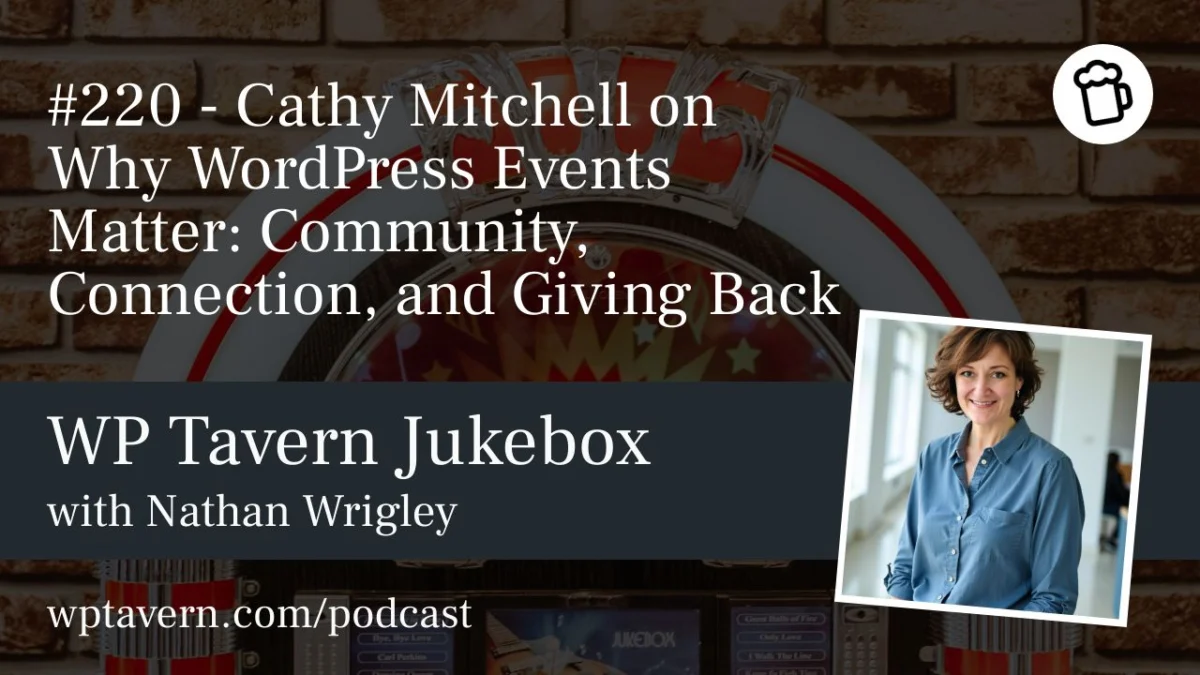
For Cathy Mitchell, a WordPress veteran and the lead organizer for the 2026 WordCamp Canada, the ecosystem is far more than a collection of themes, plugins, and developers. It is a unique, human-centric model of collaboration that offers an antidote to the "loneliness epidemic" currently sweeping through Western society. As the WordPress project navigates a shifting economic landscape and the rapid integration of AI, the community’s focus on altruism, mentorship, and inclusivity has never been more critical.
A Legacy of Growth: From Personal Project to Global Infrastructure
The story of the WordPress community is one of serendipity and organic expansion. Cathy Mitchell’s journey, which began in 2007 during her maternity leave, mirrors that of thousands of others. What started as a modest personal exploration of the platform—a way to build something simple during a life transition—quickly transformed into a professional venture with the launch of her business, WPBarista, in 2008.
For nearly two decades, the WordPress community experienced a period of “stratospheric growth.” As the software’s market share climbed from niche tool to the backbone of over 40% of the web, the community expanded in tandem. During this golden age, the sense of optimism was palpable. Companies and individual contributors alike operated under a rising tide where the health of the project seemed to guarantee the success of those involved.
However, as Mitchell notes, the landscape is currently undergoing a period of "leveling." The rapid growth of the past decade has given way to a more complex environment defined by tighter economic conditions, increased competition, and the necessity of defining a clear Return on Investment (ROI) for corporate sponsors. Yet, even as the "easy" growth of the past fades, the foundational principles of the community—openness and volunteerism—remain the bedrock of its sustainability.
The Loneliness Epidemic and the Power of Service
A recurring theme in the discourse surrounding the modern digital experience is the paradoxical nature of technology. While tools like WordPress were designed to connect the world and democratize publishing, the broader digital landscape has arguably contributed to a decline in face-to-face interaction.
Mitchell points to the 2023 report by the U.S. Surgeon General, Dr. Vivek Murthy, which officially declared a "loneliness epidemic." The report’s findings are stark: the health risks associated with social isolation are equivalent to smoking 15 cigarettes a day. Notably, the impact is hitting younger generations hardest, with 79% of 18-to-24-year-olds reporting feelings of loneliness.
In this context, the WordPress community serves as a vital social buffer. For those navigating major life changes—such as "empty nesters" or those seeking purpose outside of traditional corporate hierarchies—the community offers a structured, meaningful way to contribute.
"I think service, serving our community, is the best way to pull alongside someone," Mitchell explains. "When you have a focused goal, there is a togetherness that is hard to find elsewhere. I’m finding it immensely rewarding because it creates a sense of belonging."
The Mechanics of a Volunteer-Led Ecosystem
A defining characteristic of WordPress events—and a source of constant surprise for newcomers—is the lack of "red tape." In many corporate environments, meaningful contribution is gated by seniority, hierarchy, and lengthy vetting processes. In contrast, the WordPress community operates on a culture of "yes."
When Mitchell first began volunteering, she was shocked by the level of responsibility she was immediately granted. "There is a lot of red tape in the corporate world before they let you do anything meaningful," she notes. "You have to sweep the floors for a long time before they let you do something you’re actually good at. In the WordPress community, if you show up and are willing to help, you are invited in."
This culture of accessibility extends beyond event organization. It permeates support forums, development teams, and local meetups. For the newcomer, this creates an environment where failure is not a career-ending event but a shared learning experience. For the seasoned business owner, it creates a unique ecosystem where "altruism is not just a moral choice; it is a strategic advantage." By contributing, businesses gain a deeper understanding of the ecosystem, easier access to talent, and a stronger, more resilient foundation for their own products.
The Challenge of Sponsorship in a Changing Economy
As the community looks toward the future, the primary challenge lies in bridging the gap between historical altruism and modern fiscal reality. For event organizers like Mitchell, the task of securing sponsorships for events like WordCamp Canada has become more demanding.
The "perfect storm" of economic uncertainty and market saturation means that sponsors are no longer just looking to be associated with a growing brand; they are looking for tangible value. However, Mitchell argues that the most successful sponsors are those who recognize that the health of the community is the ROI.
"If the community is healthy, we are all healthy," she asserts. "When a company sponsors an open-source project, they aren’t just buying ad space. They are investing in the very infrastructure that sustains their business. That forward momentum is what protects us against the uncertainties of the market."
Engaging the Next Generation: The Future of Open Source
Perhaps the most significant challenge facing WordPress is the need to engage the next generation of contributors. As AI begins to reshape the way websites are built and managed, the core values of open source—transparency, accessibility, and community control—must be passed down to those who are currently entering the workforce.
Mitchell and her fellow organizers are placing a renewed focus on education. By fostering connections with universities and colleges, the community is working to integrate WordPress into academic curricula, allowing students to gain real-world experience and even academic credit for their contributions.
"We need to get young people involved in open source," Mitchell says. "I don’t even care if it’s WordPress specifically, but they need to become part of a community that is bigger than themselves. They need to see that we are welcoming, that we provide a path for growth, and that there is a place for them here."
Implications for the Path Forward
The "secret sauce" of the WordPress community—that elusive blend of professional ambition and genuine camaraderie—remains difficult to replicate. While skeptics might point to corporate influence or internal disagreements as signs of decline, the reality on the ground at WordCamps across the globe tells a different story.
The community is currently in a state of maturation. It is moving from the "wild west" phase of rapid growth into a period of sustainability and intentionality. The implications are clear:
- Community as a Social Safety Net: As loneliness becomes a greater societal threat, professional communities like WordPress will become increasingly essential for mental and social well-being.
- The Shift in Sponsorship: Corporate entities will need to pivot from viewing sponsorship as a marketing expense to viewing it as a vital investment in ecosystem health.
- The Imperative of Mentorship: The long-term survival of the project depends on the successful transfer of knowledge to younger generations, ensuring that open-source values are not lost to the black-box nature of proprietary AI systems.
As Cathy Mitchell prepares for the 2026 WordCamp Canada, her outlook remains firmly optimistic. Despite the complexities of the modern world, she sees a clear path forward. By focusing on service, maintaining an open-door policy for new contributors, and continuing to nurture the human connections that software alone cannot provide, the WordPress community is not only surviving—it is building the harbour walls for the next generation of digital creators.
For those standing on the sidelines, whether they are business owners, students, or simply curious users, the message is simple: the community is waiting. All that is required is the willingness to show up, the desire to learn, and the courage to say "yes."