In the hyper-competitive landscape of digital marketing, a silent crisis of data integrity is emerging. While performance marketers focus on perfecting ad copy, refining audience segments, and adjusting bid strategies, billions of dollars are quietly leaking out of the "gap" between the ad click and the final conversion.
The problem, according to industry experts and recent data from specialized PPC audits, is no longer just a matter of poor creative or high competition. Instead, a series of technical "post-click leaks"—ranging from server-side redirect errors to bot-driven algorithm training—is causing advertisers to pause profitable campaigns based on flawed data, while simultaneously training AI-driven bidding tools to chase low-quality traffic.
Main Facts: The Crisis of the "Good Decision on Bad Data"
The fundamental challenge facing modern advertisers is the discrepancy between platform dashboards and reality. A campaign might show a Return on Ad Spend (ROAS) of 4x—falling just below a target of 5x—leading a diligent account manager to pause it. However, due to tracking failures, that campaign may actually be delivering a 5.5x ROAS. The manager hasn’t made a "bad" decision; they have made a logically sound decision based on corrupted information.
This phenomenon is driven by five primary technical leaks:
- Page Speed Attrition: Mobile users abandoning slow-loading pages before the tracking tag even fires.
- Redirect Chain Failures: Technical hops that strip the Google Click Identifier (GCLID), causing paid traffic to be mislabeled as "Direct" in analytics.
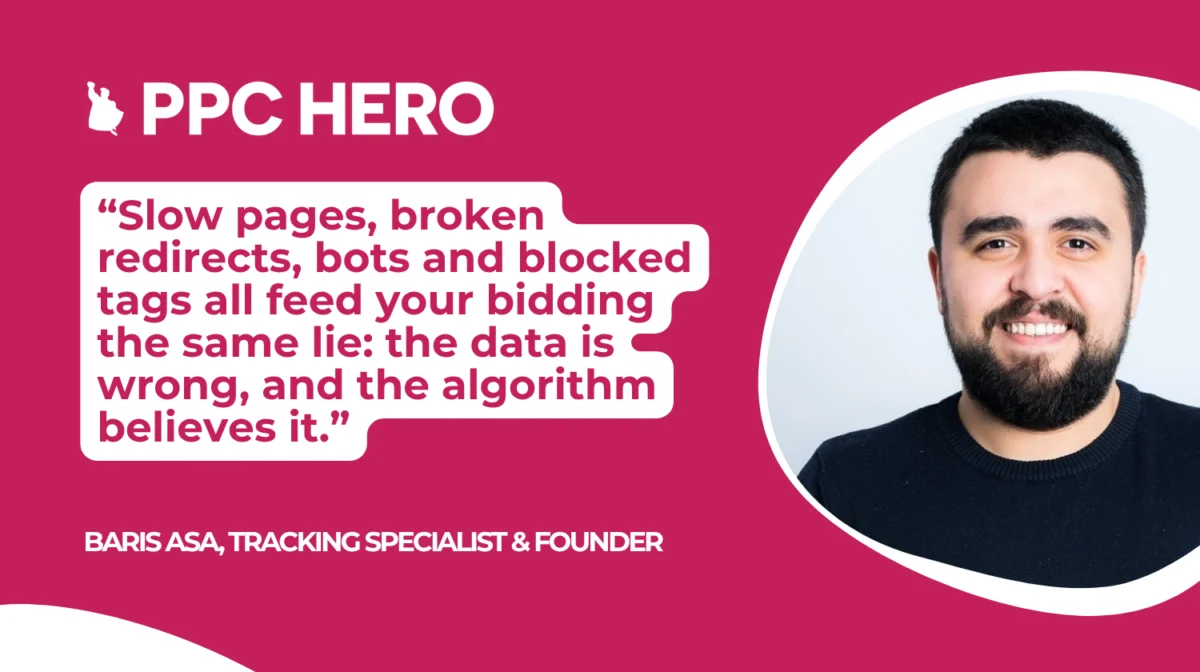
- Invalid Traffic (IVT) Optimization: High volumes of bot traffic that, when not filtered, skew bidding algorithms.
- Spam Lead Feedback Loops: Automated "Smart Bidding" systems being trained to find more spam because spam submissions are registered as successful conversions.
- Privacy-Driven Signal Loss: Ad blockers and browser restrictions (like Safari’s ITP) that hide up to 30% of legitimate conversions from the advertiser’s view.
Chronology: From Manual Oversight to Algorithmic Autonomy
To understand why these technical leaks have become so destructive, one must look at the evolution of ad platform technology over the last decade.
The Era of Manual Control (2010–2017)
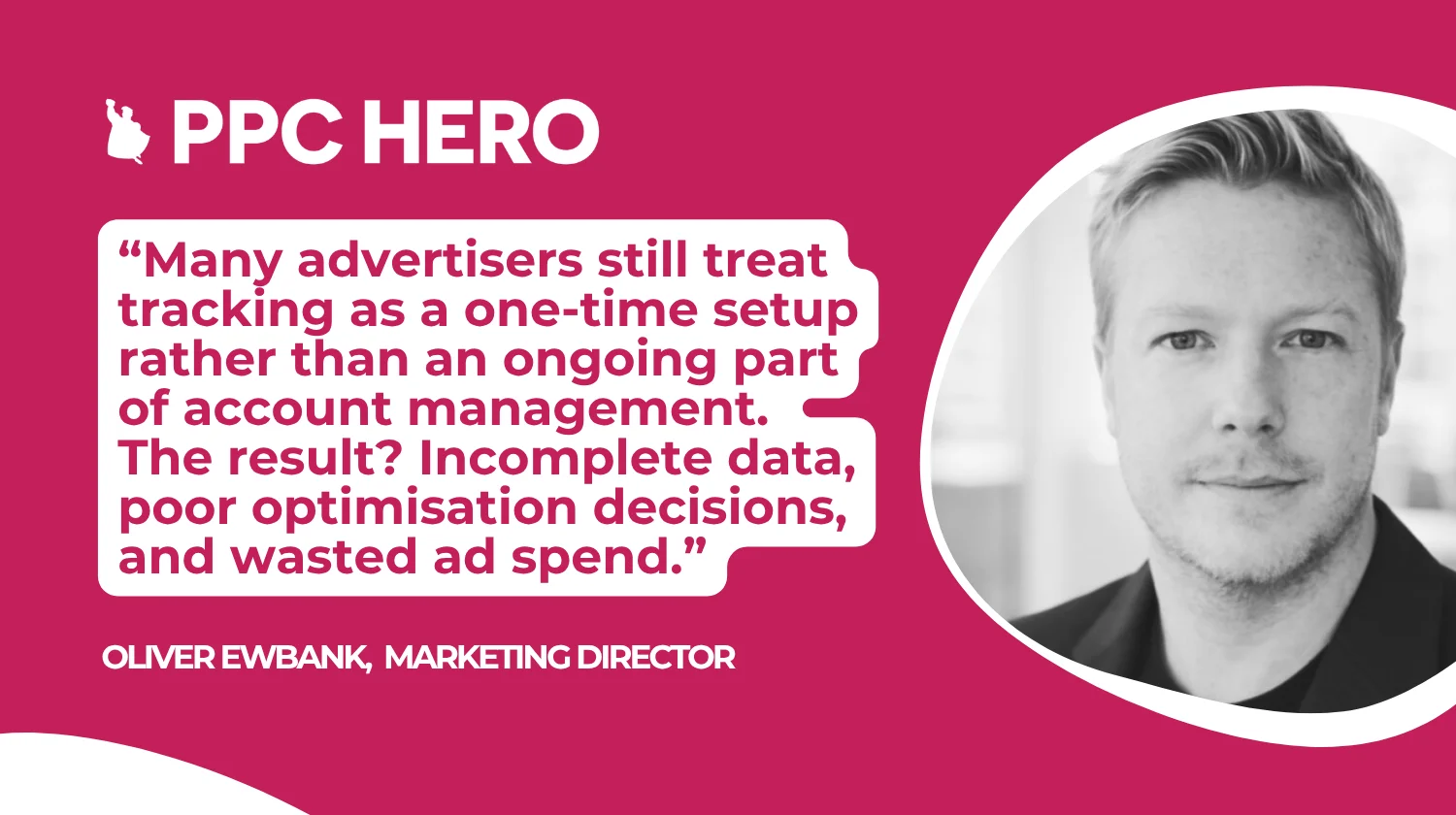
In the early days of AdWords and Facebook Ads, human managers reviewed data weekly or monthly. If 10% of data was missing due to a tracking glitch, the manager would "shrug and adjust in their head." Because bidding was manual, a small margin of error in reporting did not immediately break the campaign’s performance; it merely made the reporting slightly less accurate.
The Rise of Smart Bidding (2018–2021)
As Google introduced "Smart Bidding" and Meta leaned into "Advantage+" campaigns, the responsibility for optimization shifted from the human to the machine. The machine, however, does not have the human capacity for "shrugging." It treats every data point as absolute truth. During this period, measurement problems began evolving into training problems.
The Black Box Era (2022–Present)
With the launch of Performance Max (P-Max) and fully automated campaign types, the "feedback loop" became instantaneous. Today, the algorithm takes whatever conversion data it receives and immediately goes looking for "more of the same." If that data is tainted by bots or missing 25% of its volume, the algorithm optimizes for a distorted reality. The "garbage in, garbage out" mantra has been replaced by "garbage in, garbage at scale."

Supporting Data: The High Cost of Technical Friction
The financial impact of these leaks is supported by staggering industry statistics.
The Cost of a Second
According to Google’s own research, 53% of mobile site visits are abandoned if a page takes longer than three seconds to load. For an advertiser paying $2.00 per click, a four-second load time is not just a "user experience" issue—it is a direct 50% tax on their budget. If the user leaves before the page loads, the tracking script never fires, meaning the advertiser pays for the click but receives zero data in return.
The Bot Pandemic
The global cost of invalid traffic (IVT) reached an estimated $63 billion last year. Industry benchmarks suggest that between 11% and 22% of all PPC clicks originate from non-human sources, including scrapers, click farms, and bots. While platforms like Google eventually refund some of this "invalid traffic," the damage to the bidding algorithm is often permanent. If a bot triggers a "conversion" (such as a fake lead form submission), the Smart Bidding algorithm views that bot as a "high-value user" and begins spending more of the budget to find similar profiles.
The Attribution Black Hole
In the transition from HTTP to HTTPS, or during "www" redirects, the GCLID—the unique string that identifies a paid click—is frequently dropped. When this happens, GA4 (Google Analytics 4) cannot associate the session with a campaign and defaults to "Direct" traffic. Recent audits suggest that up to 20% of "Direct" traffic in many e-commerce accounts is actually misattributed paid traffic.
Official Responses: Platforms vs. Technical Reality
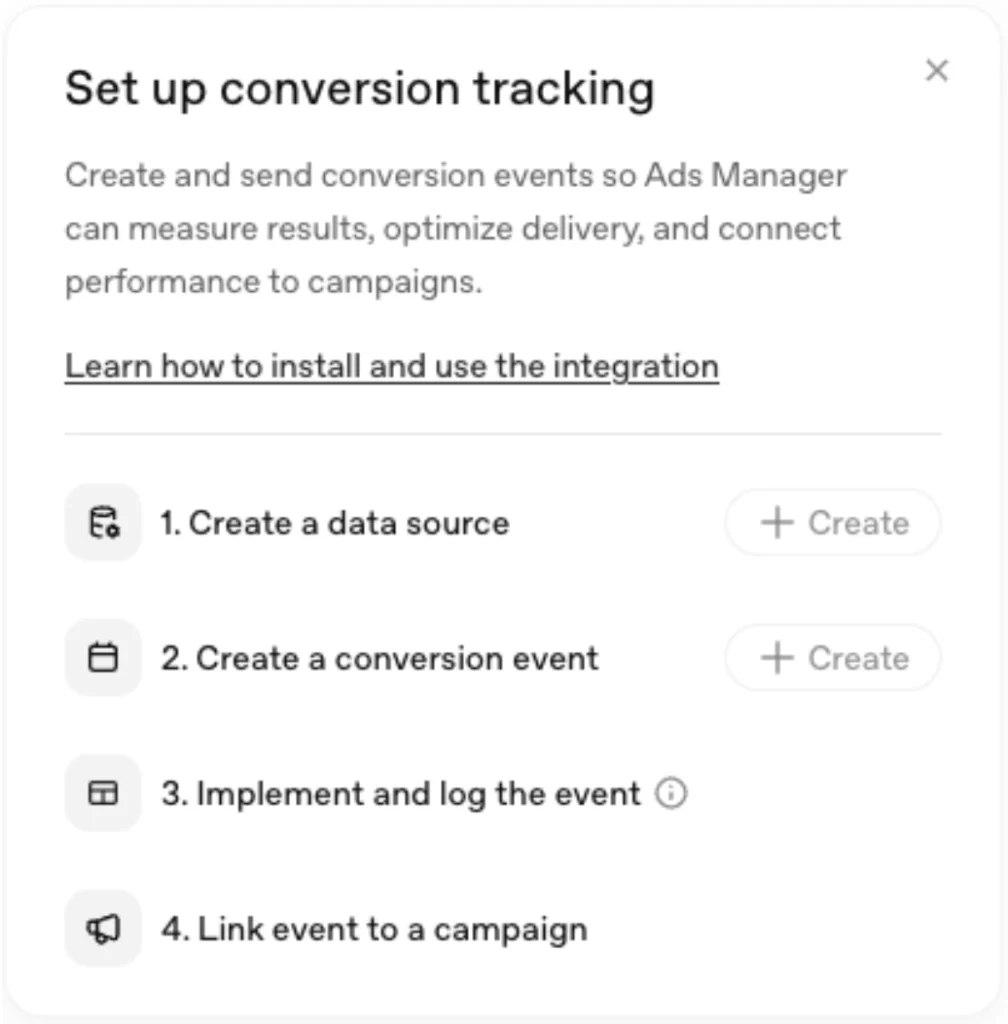
The response from major ad platforms has been a push toward "server-side" solutions. Google has heavily promoted Enhanced Conversions, a feature that uses hashed first-party data to recover lost signals. Similarly, Meta has pushed its Conversions API (CAPI) to bypass browser-level tracking issues.
However, industry experts note a significant "ownership gap."
- The Marketer owns the campaign (copy, bids, and budget).
- The Developer owns the website (speed and server configuration).
- The Gap—the redirect, the tag firing, the GCLID storage—often falls between these two roles.
While platforms provide the tools (like CAPI or GTM Server-Side), the implementation is often too complex for marketing teams and too "marketing-focused" for IT teams. This organizational silo is where the budget "quietly leaves."
Implications: The New Edge in Digital Media
The implications of these post-click leaks suggest that the next "edge" in digital marketing will not be found in better creative or higher bids, but in technical hygiene.

1. The Death of the "Front-End" Marketer
The era of the marketer who only looks at the Google Ads dashboard is ending. Success now requires a "full-stack" understanding of how data travels from a click to the server. Advertisers who fail to audit their redirect chains and server response times will find themselves consistently outbid by competitors who have "cleaned" their data.
2. The Feedback Loop as a Competitive Weapon
If two competitors are bidding on the same keyword, and Competitor A has a 15% data leak while Competitor B has 0%, Competitor B’s algorithm will "learn" faster and more accurately. Over six months, Competitor B will acquire higher-quality customers at a lower cost, simply because their machine-learning model was fed better "training" data.
3. The Move to the "Edge"
To solve these issues, a new category of "Edge SEO" and "Edge Tracking" is emerging. Solutions are being moved away from the browser and onto the "edge" (using services like Cloudflare). By handling redirects and tracking at the edge layer, advertisers can ensure that GCLIDs are preserved and that tracking tags fire before the user has a chance to bounce.
4. The "Direct" Traffic Fallacy
Companies must stop viewing "Direct" traffic as a sign of brand health. In many cases, a spike in Direct traffic is actually a symptom of a broken technical infrastructure that is stripping attribution from paid channels. Auditing the "Direct" bucket has become a mandatory task for any performance-driven organization.
Conclusion: Running the Necessary Checks
The report concludes that before an advertiser changes a single bid or swaps a headline, they must run a "technical leak audit." This includes:
- GCLID Persistence Checks: Ensuring the click ID survives every redirect.
- Lead Quality Scrubbing: Preventing "[email protected]" conversions from ever reaching the Google Ads algorithm.
- Load Time Attribution: Measuring how many clicks are lost to the "loading spinner" before the tracking script fires.
In an automated world, the winner is no longer the one with the best instincts, but the one with the cleanest data. The "gap nobody owns" has become the most expensive real estate in digital advertising.