In the fast-paced world of digital commerce, the email inbox remains the ultimate battleground for consumer attention. For online retailers striving to hit monthly revenue targets, the temptation to rely on immediate gratification is ever-present. With just a few keystrokes, an aggressive discount can be broadcast to tens of thousands of subscribers, instantly triggering a surge in open rates, click-throughs, and shopping cart checkouts.
Yet, beneath the temporary euphoria of a sales spike lies a perilous trap. Industry veterans and brand strategists warn that an over-reliance on continuous discounting can quietly cannibalize long-term profitability and severely erode brand equity. As savvy consumers are conditioned to anticipate the next markdown, the fundamental challenge for e-commerce operators has shifted from simply driving traffic to mastering the delicate art of designing irresistible offers that protect the bottom line.
Main Facts: The Double-Edged Sword of Promotional Discounting
The mechanics of a standard promotional discount are rooted in fundamental consumer psychology. Limited-time offers, flash sales, and percentage-off deals exploit proven cognitive triggers, including urgency, scarcity, and reward bias. When a shopper encounters a countdown timer or a restricted-window markdown, the human brain releases a micro-dose of dopamine, creating an immediate sensation of winning or securing a bargain. This psychological reward loop explains why a transactional "24-hour flash sale" email frequently outperforms a deeply layered, beautifully crafted narrative about product craftsmanship.
However, the consequences of this short-term tactic are profound. When brands make deep discounts a predictable pillar of their marketing strategy, consumer behavior adapts accordingly. Shoppers begin intentionally abandoning their digital shopping carts, wagering that an automated recovery email featuring a 15% or 20% incentive will land in their inbox within hours. Over time, full-price purchases decline, profit margins shrink, and the brand’s perceived market value diminishes.
To break this vicious cycle, forward-thinking e-commerce founders are adopting a more sophisticated approach. Rather than treating discounts as the primary narrative of their brand, successful operators utilize them sparingly—reserving them for strategic touchpoints like product launches, seasonal transitions, or brand milestones—while pairing them with robust post-sale strategies.
Chronology: The Evolution of Email Marketing and Promotional Fatigue
To understand how the e-commerce industry arrived at the current crossroads of promotional fatigue, it is essential to examine the historical trajectory of digital marketing over the past two decades.
- Early 2010s (The Wild West of Broadcasts): In the nascent stages of modern e-commerce, inbox competition was relatively low. Brands could deploy generic "blast" emails containing broad discount codes and consistently achieve high conversion rates. Consumers were easily captivated by the novelty of online shopping convenience.
- Mid-2010s (The Automation Boom): As platforms advanced, customer relationship management (CRM) and email service providers (ESPs) introduced behavioral triggers. Welcome series, cart abandonment sequences, and browse abandonment flows became standard operating procedure. During this era, automated discount codes became the default tool to recover lost revenue, leading to the early stages of promotional habituation.
- Late 2010s to 2020 (The Rise of Flash-Sale Culture): Propelled by social media advertising costs and the hyper-growth of direct-to-consumer (DTC) brands, aggressive discounting reached a fever pitch. Events like Black Friday expanded from single-day occurrences into month-long promotional marathons, training consumers to expect continuous markdowns across almost every retail category.
- 2021 to Present (The Margin Squeeze and Strategic Re-evaluation): Facing rising customer acquisition costs (CAC), inflationary pressures on supply chains, and privacy updates that restricted targeted advertising, e-commerce margins tightened dramatically. Brands could no longer afford to subsidize volume with perpetual discounts. This economic reality forced a structural shift toward retention, lifetime value (LTV), and "value-add" promotions rather than pure price cuts.
Supporting Data: The Economics of Retention vs. Acquisition
Market research within the digital retail sector consistently underscores the financial unsustainability of pure discount-driven models:
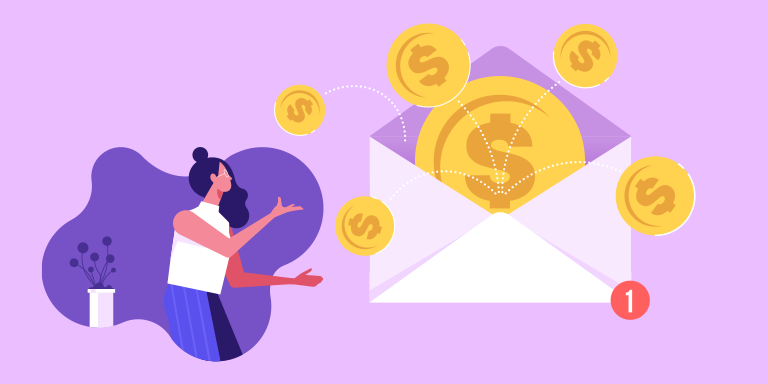
- Acquisition vs. Retention Costs: Industry benchmarks indicate that acquiring a new customer is anywhere from five to seven times more expensive than retaining an existing one. Brands that continuously discount to acquire price-sensitive shoppers often find that these customers have the lowest lifetime value (LTV) and the highest churn rates.
- The Discount Habituation Effect: Behavioral analytics studies show that consumers who purchase primarily through promotional offers exhibit a significantly lower re-order rate at full price compared to those acquired through brand storytelling, community engagement, or value-driven messaging.
- Margin Erosion: A standard 20% margin reduction on a product does not simply require a 20% increase in volume to break even; depending on the cost of goods sold (COGS) and fulfillment expenses, a retailer often needs to sell anywhere from 33% to 50% more units just to maintain gross profit parity.
Official Responses and Industry Insights
Leading e-commerce strategists and retention marketing experts emphasize that email campaigns must operate on a symbiotic principle often referred to as the "Give and Take Theory."
According to digital marketing specialists, email calendars frequently fail because brands violate this balance. "Give" emails are relationship-builders designed to nurture the audience without an immediate commercial demand. These include behind-the-scenes content detailing product development, educational tips on how to maximize the utility of a purchase, or compelling brand storytelling that resonates with the consumer’s identity.
Conversely, "Take" emails are direct calls to action—product launches, limited-edition bundles, or rare promotional events.
Industry veterans note that the most successful founders operate by a golden rule: Give value consistently before asking for a transaction. When an audience feels educated, entertained, or inspired between sales, a subsequent promotional email lands with significantly higher resonance and urgency. The friction of the purchase is offset by the accumulated goodwill of the brand.
Furthermore, digital commerce consultants advise shifting the focus from price reduction to perceived value enhancement. Rather than cutting the price of an item by 20%, high-margin brands are increasingly turning to alternatives such as:
- Exclusivity and Early Access: Granting loyal subscribers first access to limited-run inventory before it opens to the general public.
- Value-Add Bundling: Pairing a high-margin accessory or complementary item with a core product purchase, creating a sense of abundance without sacrificing the primary unit price.
- Tiered Rewards and Loyalty Perks: Structuring offers around loyalty points, free expedited shipping, or physical gifts with purchase that cost the brand significantly less to produce than the perceived financial benefit to the consumer.
Implications for Modern E-Commerce Founders
The shifting landscape of digital consumerism carries profound implications for online retailers, particularly independent brands and direct-to-consumer enterprises.
- A Shift from Spikes to Cycles: Brands must transition away from erratic, emergency-driven promotional spikes and instead map out structured, predictable marketing calendars. These calendars should balance educational storytelling with strategic, high-impact sales events.
- Technological Empowerment: To execute sophisticated segmentation and multi-layered campaigns without burning out internal marketing teams, modern merchants are increasingly relying on advanced marketing automation platforms—such as Omnisend—tailored specifically for e-commerce. These platforms enable automated workflow management, deep customer segmentation based on purchase history, and personalized messaging that minimizes the need for blanket discounts.
- Brand Preservation: Ultimately, companies that master the balance between irresistible offers and margin protection will secure a distinct competitive advantage. By treating discounts as strategic surgical tools rather than blunt instruments, brands can protect their profit margins, elevate their market positioning, and foster a loyal community of customers who value the product for its quality rather than its markdown.