In the modern digital economy, relying on a single traffic source or a solitary social media platform is a precarious business model. Algorithm changes, shifting ad costs, and sudden policy updates can wipe out an online enterprise overnight. Yet, many content creators and service providers still struggle to diversify effectively, often spreading themselves too thin or failing to connect their content to a concrete monetization strategy.
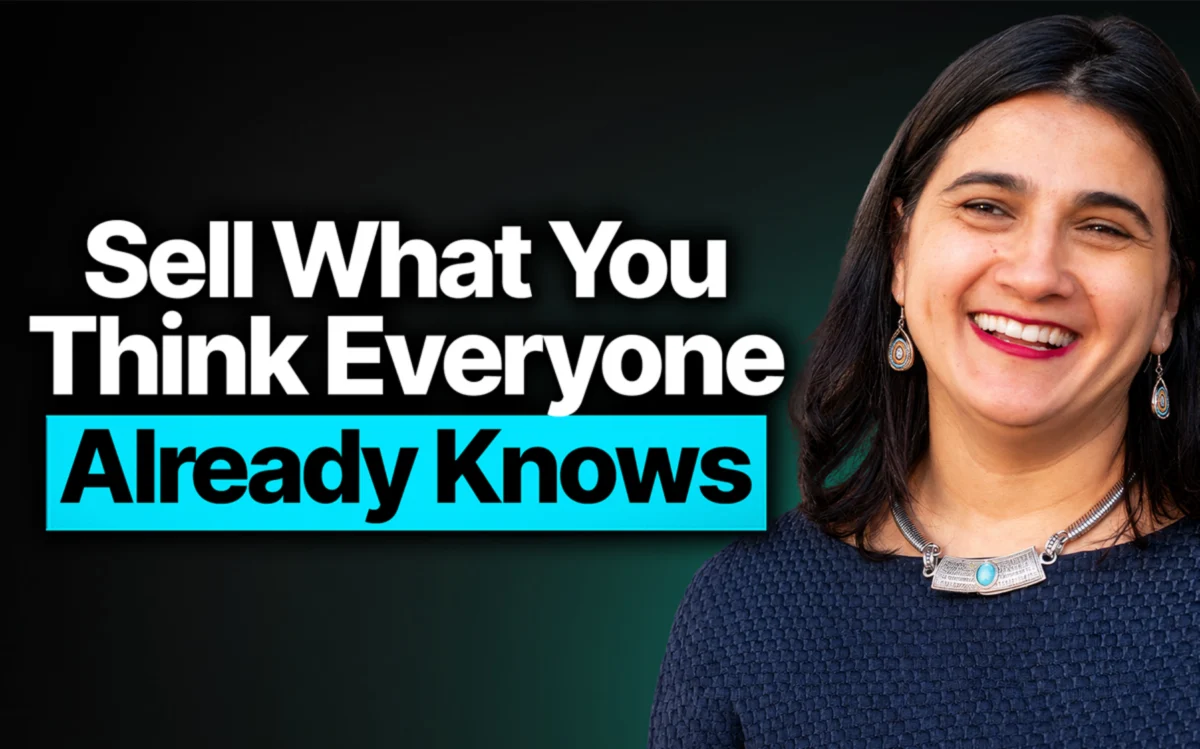
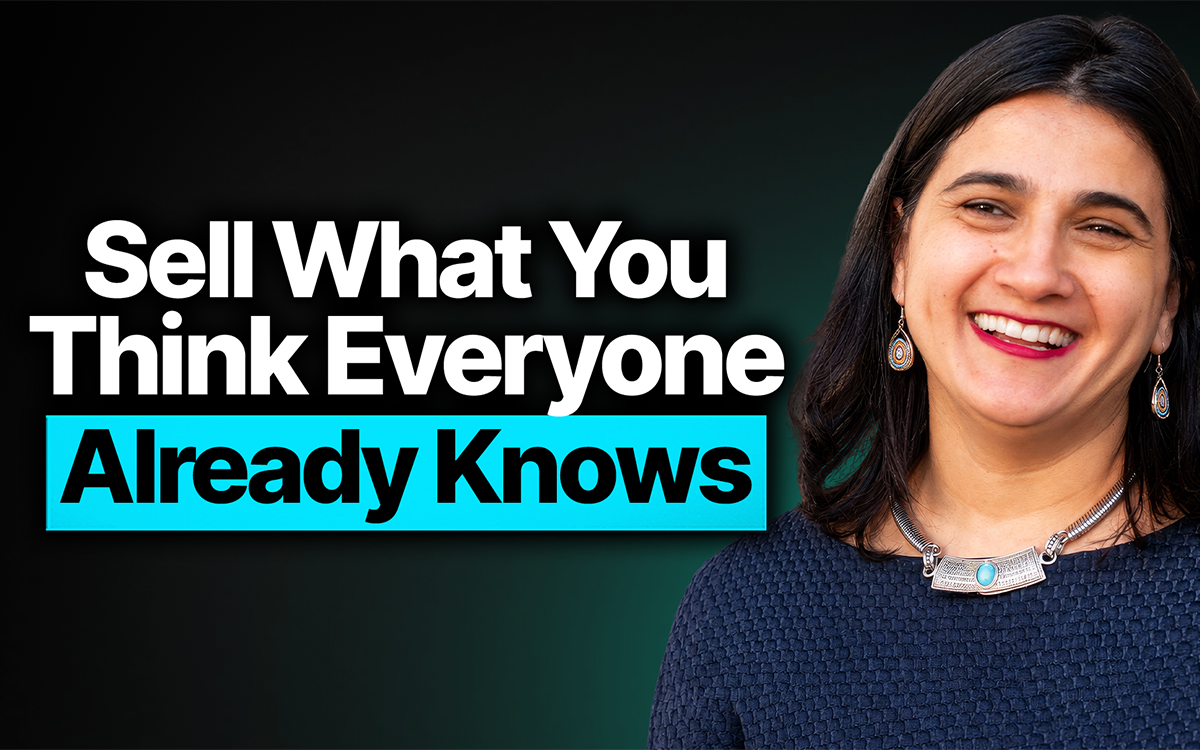
In a recent episode of the Niche Pursuits podcast, host and veteran digital strategist explored a masterclass in modern digital diversification with Natasha Tynes, a seasoned writer and journalist boasting nearly 25 years of media experience. Tynes broke down the exact architecture of her multi-channel media business—a cohesive ecosystem spanning Substack, LinkedIn, YouTube, and an upcoming paid community. Together, these channels feed a robust pipeline for high-ticket coaching, ghostwriting, and media services.
Main Facts: The Anatomy of a Multi-Channel Media Business
At the core of Tynes’s business model is a simple yet powerful premise: different digital platforms serve entirely different stages of the customer journey. Rather than pushing every prospective client down a single, rigid marketing funnel, Tynes creates multiple entry points tailored to various levels of audience commitment.
- The Authority Engine: Tynes leverages a 25-year background in journalism to establish deep, unassailable credibility across all published materials.
- The Organic Audience Base: Her primary email list sits at approximately 3,000 subscribers, built entirely organically through cross-pollination on Substack, LinkedIn, and YouTube, without relying on paid customer acquisition strategies.
- The Omnipresent Ecosystem: The business relies on four interconnected pillars—Substack for direct email relationships, LinkedIn for professional networking, YouTube for long-form visual discovery, and a paid community for deeper ecosystem engagement.
- The Ultimate Platform: If forced to choose only one channel to run her entire business, Tynes names LinkedIn without hesitation due to its unmatched proximity to high-value B2B and professional clients.
Chronology: From Traditional Journalism to Digital Entrepreneurship
To understand how Tynes constructed her lead-generation system, it is necessary to examine the chronological evolution of her career and the deliberate steps she took to transition from traditional media to a modern solo enterprise.
Phase One: Building Foundations in Traditional Media
For nearly two and a half decades, Tynes honed her craft in the traditional trenches of journalism, writing, and publishing. This era provided her with an acute understanding of narrative structure, audience engagement, and the mechanics of professional communication. However, traditional media rarely offers the direct monetization control or scalability found in independent digital publishing.
Phase Two: Establishing the Digital Foothold
Recognizing the shifting media landscape, Tynes began leveraging digital platforms to showcase her expertise. She embraced platforms like LinkedIn and early blogging formats to put her professional background in front of active business audiences. This phase was defined by establishing a consistent publishing cadence and proving that her journalistic skill set could translate into high-demand digital services.
Phase Three: Deploying the Hub-and-Spoke Ecosystem
In recent years, Tynes formalized her digital footprint into a coordinated hub-and-spoke model. She adopted Substack as her primary owned-media channel to capture direct email relationships, integrated YouTube for video discovery, and optimized her LinkedIn presence to shorten the distance between content consumption and professional conversation.
Phase Four: Expanding into Community and High-Ticket Services
Currently, Tynes is scaling the final layer of her architecture: a paid community designed to bridge the gap between free public content and high-ticket individualized services. This chronological progression demonstrates that building a resilient digital business is an iterative process, where foundational skills are continually redirected toward higher-leverage opportunities.
Supporting Data and Strategic Mechanics
Tynes’s success challenges common digital marketing myths—most notably, the obsession with massive follower counts over targeted audience relevance.
The Power of a Targeted 3,000-Subscriber List
Many digital entrepreneurs believe they need hundreds of thousands of subscribers to build a lucrative service business. Tynes proves otherwise. With an organically built list of roughly 3,000 subscribers on Substack, she commands a sufficient audience size to feed a steady pipeline of high-ticket ghostwriting and media clients.
Because her subscribers are attracted through her specialized content on YouTube, LinkedIn, and Substack, the audience possesses high intent. In a service-oriented business, one high-value client relationship resulting from a targeted newsletter frequently outperforms thousands of passive views from unengaged consumers.
The Free vs. Paid Substack Dynamic
A critical component of Tynes’s data-driven approach is her hybrid Substack model. Rather than locking all her insights behind a paywall—which can severely stunt audience growth—or giving everything away for free without capturing value, she maintains a dual structure:
- The Free Tier: Acts as a low-friction entry point, allowing new followers to sample her writing style, journalistic perspective, and professional authority without making a financial commitment.
- The Paid Tier: Provides deeper, more exclusive access for die-hard followers who want advanced insights without necessarily hiring her for full-scale professional services.
Official Perspectives: The Synergy of Cross-Platform Publishing
During their in-depth discussion, Tynes and the Niche Pursuits host analyzed why treating digital channels as isolated silos is a recipe for stagnation. Modern consumers rarely follow a linear path from absolute stranger to paying client.
The Non-Linear Customer Journey
According to Tynes, a prospective client might encounter her work across multiple touchpoints before ever initiating contact. A typical path might involve:
- Discovering a clip or interview on YouTube, which introduces her communication style and core ideas.
- Spotting a thought-provoking post on LinkedIn, prompting a profile visit and an initial connection.
- Subscribing to her Substack newsletter, where weeks or months of consistent exposure build deep trust and familiarity.
- Finally, reaching out via LinkedIn or her website to inquire about high-ticket ghostwriting or media consulting services.
Because of this multi-touch reality, traditional attribution models often fail. A client might send an inquiry through LinkedIn, but that conversion would never have happened without the foundational trust built months prior through an email newsletter or a YouTube video.
Why LinkedIn Reigns Supreme
When asked which platform she would keep if all others vanished, Tynes’s endorsement of LinkedIn was definitive. While Substack offers unmatched ownership of the audience relationship through direct email, and YouTube provides unmatched long-form discovery, LinkedIn uniquely collapses the sales funnel.
For a professional service provider, LinkedIn places content directly in front of decision-makers, peers, and potential corporate clients who already have a commercial intent. It bridges the gap between public publishing and private business conversations faster than almost any other medium.
Implications for Content Creators and Service Providers
The strategies highlighted in Natasha Tynes’s interview carry profound implications for modern entrepreneurs, freelancers, and niche site owners looking to future-proof their operations.
1. Shift from Traffic Chasing to Relationship Building
The era of relying purely on programmatic ad revenue or unpredictable search engine algorithm updates is maturing into an era of owned media and direct relationships. Creators must look beyond pageviews and focus on building ecosystems where audience members can step up a ladder of commitment—from casual viewer to newsletter subscriber, community member, and ultimately, high-ticket client.
2. Quality Over Quantity in Audience Metrics
Tynes’s model demonstrates that creators do not need millions of followers to thrive. By focusing strictly on attracting the right audience members—those who align with high-value service offerings—solopreneurs can build highly lucrative businesses with modest, highly engaged follower counts.
3. Purpose-Driven Multi-Channel Presence
Creators often suffer from burnout by attempting to be everywhere at once, posting identical content across every available platform with no clear strategy. Tynes’s approach offers an antidote: every platform must have a distinct job.
- Use YouTube for broad discovery and personality-driven connection.
- Use LinkedIn for professional networking and direct lead generation.
- Use Substack to cultivate a loyal, owned email audience over the long term.
- Use Paid Communities to monetize mid-tier engagement and foster peer interaction.
Final Thoughts
Natasha Tynes’s transition from a 25-year journalism career to running a thriving multi-channel media and service business offers a blueprint for modern digital entrepreneurs. By consciously connecting Substack, LinkedIn, YouTube, and community building into a single unified funnel, she has created a resilient business model that withstands algorithmic turbulence. For content creators seeking to turn their expertise into sustainable, high-ticket revenue, the lesson is clear: build with intention, prioritize audience intent over sheer size, and let every channel play its designated role in the journey to conversion.