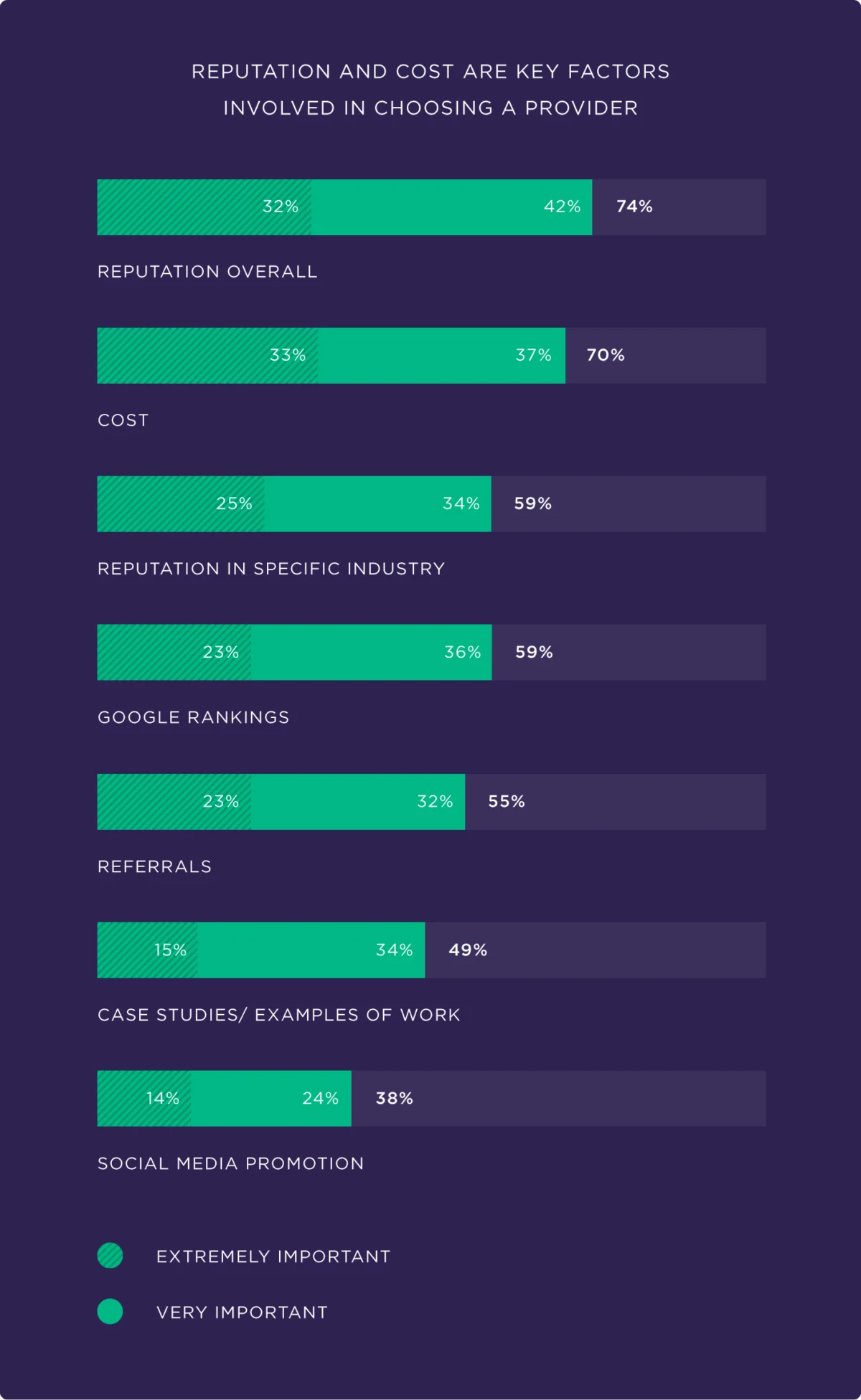
Traditional digital marketing strategies have hit a brick wall. For decades, the playbook for online growth was straightforward: build a high-converting website, drive targeted traffic through search engines and paid ads, and capture leads at the point of arrival.

Today, that linear model is obsolete. According to industry data, the modern customer journey has decoupled from the corporate website. Over 65% of buyers now utilize artificial intelligence search tools, community forums like Reddit, and social media ecosystems to thoroughly research products, form brand opinions, and weigh alternatives before they ever visit a brand’s landing page.
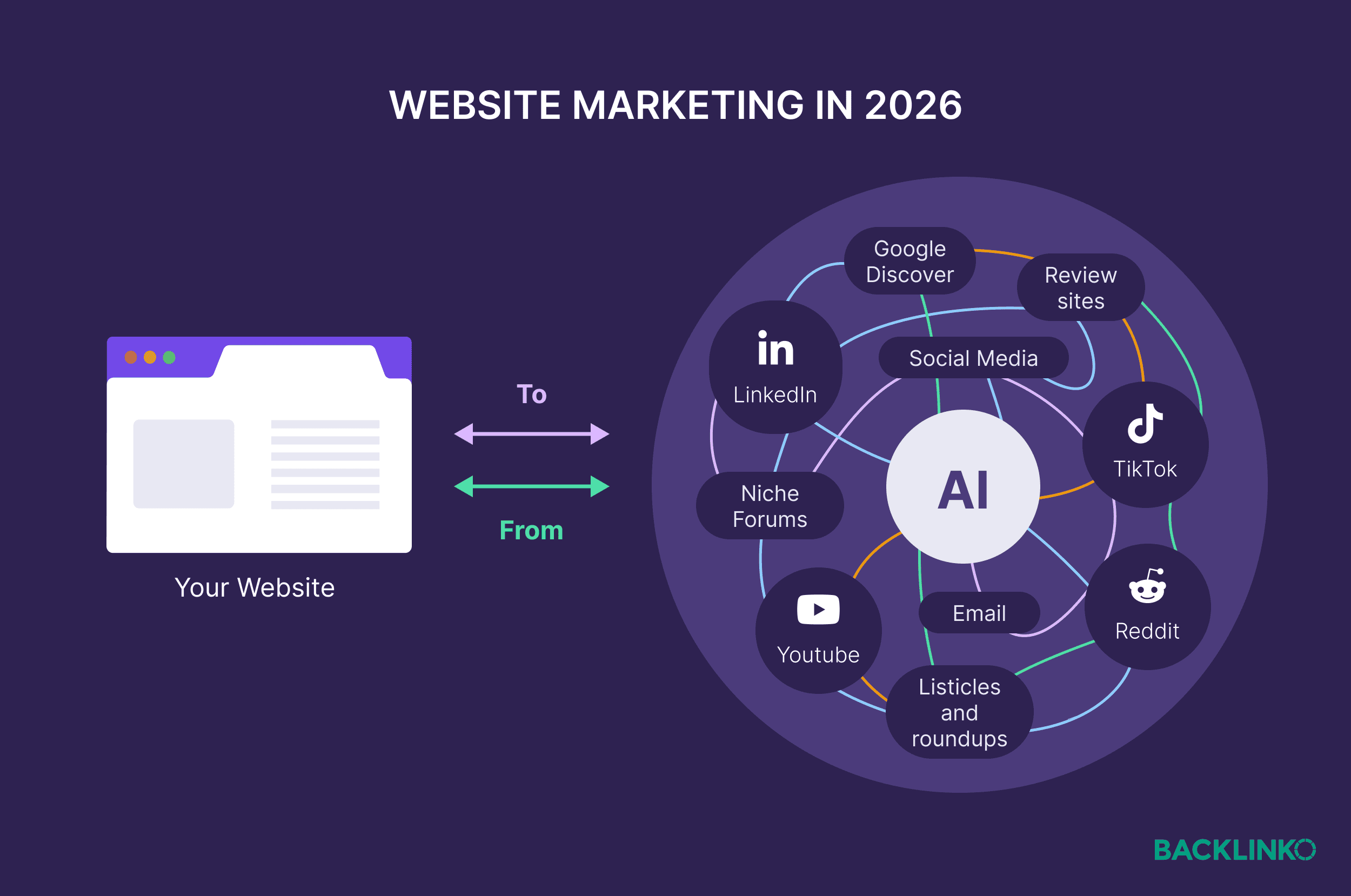
For modern organizations, this structural shift means website marketing is no longer just about optimizing your own digital real estate. It requires mastering an expansive, fragmented ecosystem where brand reputation is largely forged elsewhere.
Main Facts: The Decentralized Buyer’s Journey
The core reality of modern digital marketing is that your website is no longer the starting point of the customer lifecycle—it is the destination where decisions are finalized.

- The Rise of AI Discovery: Recent surveys indicate that nearly two-thirds of modern consumers turn to AI-driven search models and large language models (LLMs) during their initial research phase.
- The Zero-Click Reality: Users frequently receive direct answers from search engines, social platforms, and AI summaries without ever clicking through to a source website.
- Pre-Educated Traffic: Visitors who eventually land on your website arrive with heavily formed preconceptions, higher intent, and a clearer understanding of your market positioning.
- The Trust Deficit: Trust is increasingly built on third-party validation—such as peer-to-peer discussions on Reddit, video reviews on YouTube, and authentic community engagement—long before a buyer interacts with corporate copy.
Chronology: The Transformation of Online Marketing
To understand how the industry reached this inflection point, it is helpful to look at the progression of search and discovery over recent years:

- The Era of Traditional SEO (Pre-2023): Marketing success relied heavily on keyword stuffing, backlinks, and direct search engine optimization designed to capture top-of-funnel traffic directly onto blog posts and landing pages.
- The Social and Forum Boom (2023–2024): Consumers increasingly bypassed traditional search engines in favor of authentic peer reviews, driving massive visibility to decentralized platforms like Reddit, TikTok, and niche forums.
- The Integration of Generative AI (2025): Major search providers integrated conversational AI features, altering how queries are answered and prioritizing brands that maintain a ubiquitous, authoritative digital footprint across the entire web.
- The Holistic Marketing Ecosystem (2026): Modern enterprises recognized that website marketing must be paired with external brand engineering, multi-platform video strategies, and behavioral conversion optimization to survive.
Supporting Data and Industry Insights
Data from leading market research firms and web analytics platforms highlight the magnitude of this shift.
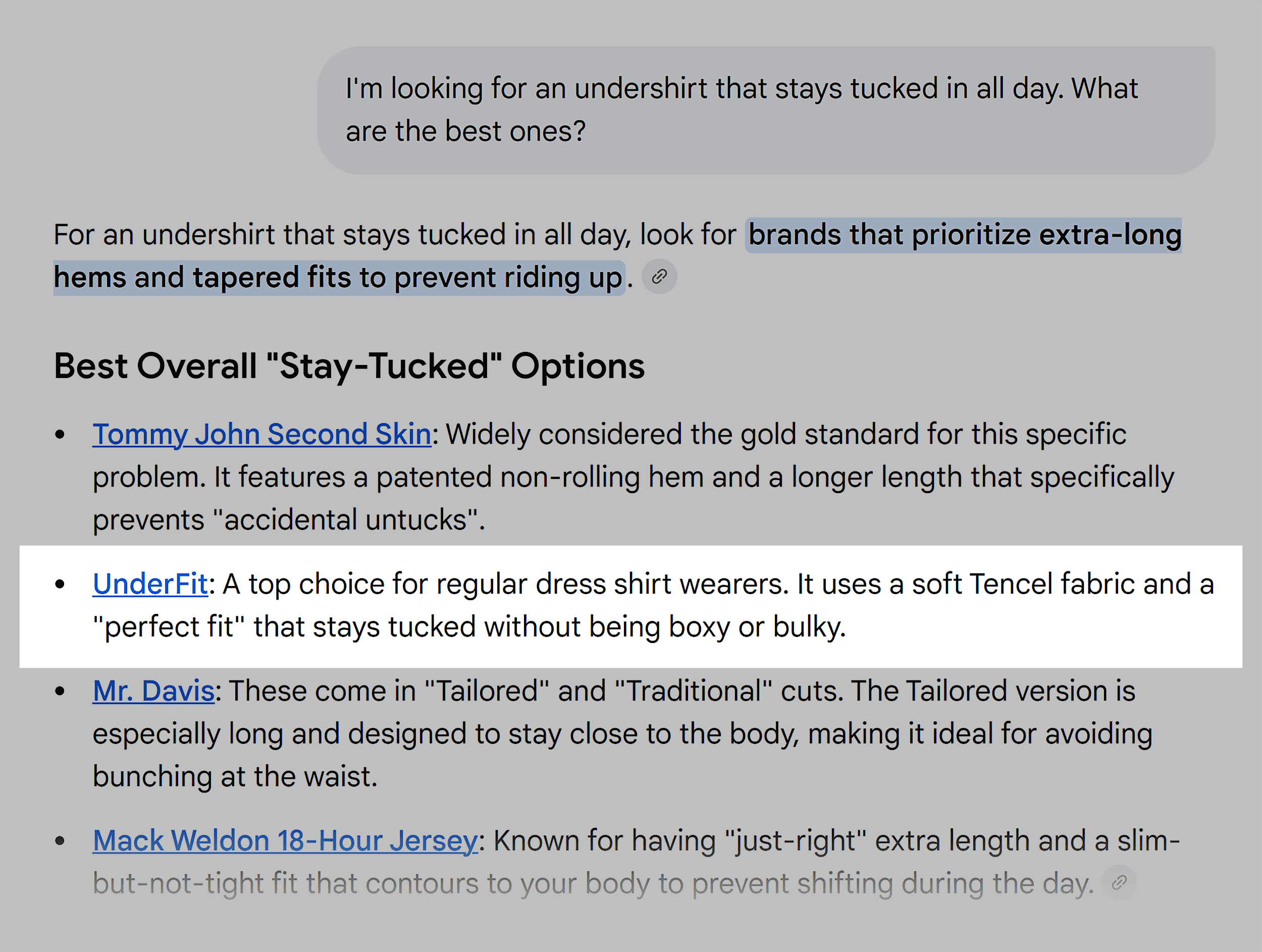
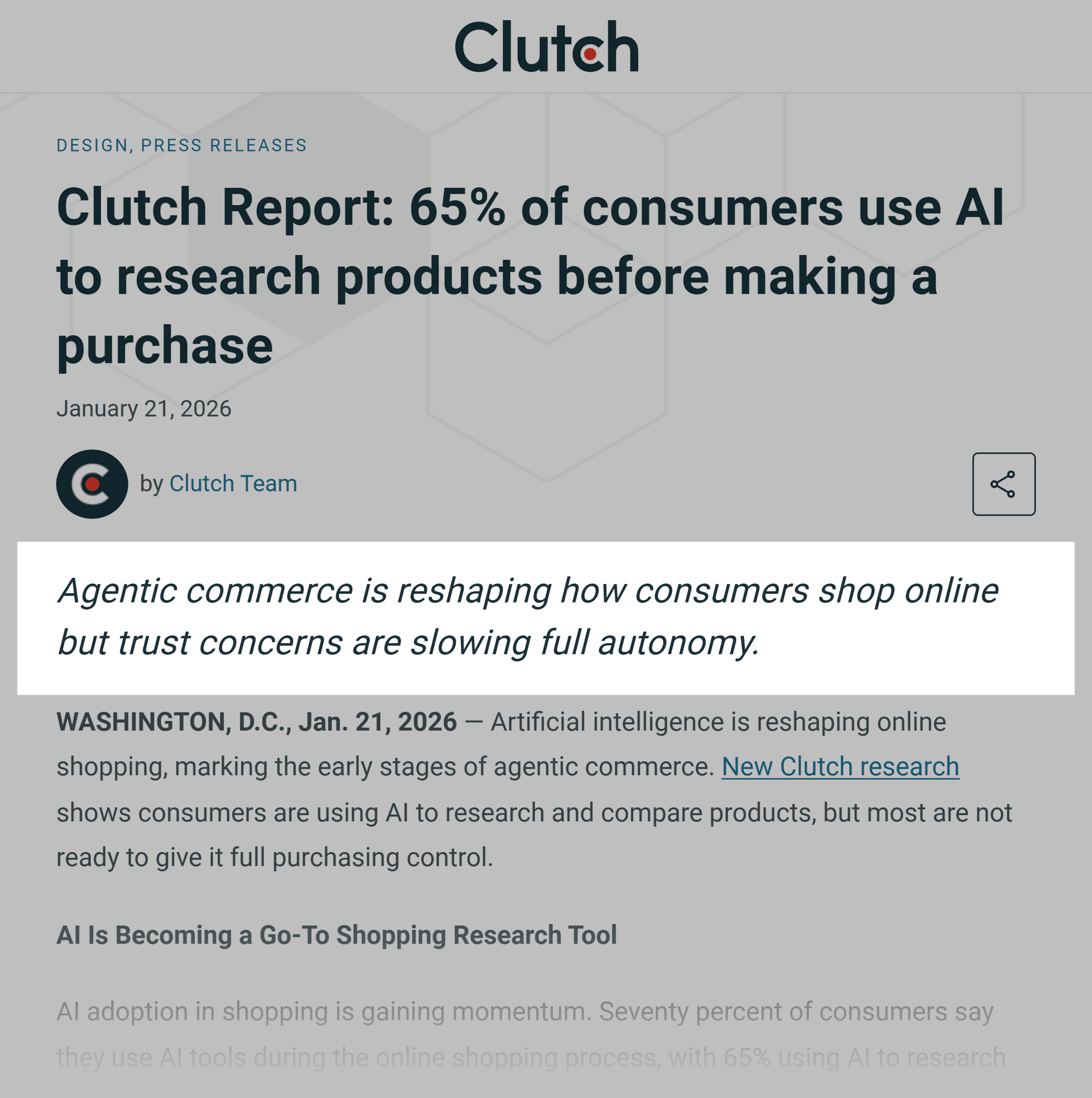
Consumer surveys from entities like Clutch underscore that a staggering majority of B2B and B2C buyers rely on conversational AI tools to vet products and services. When an LLM evaluates a brand, it does not merely crawl the company’s official website; it sweeps the entire internet—review sites, social media mentions, Reddit threads, and press releases—to synthesize its summary.
Furthermore, platforms like Google Discover have introduced a new wave of traffic driven by interest-based algorithms rather than active keyword intent. Brands that successfully align their content with timely narratives, high-stakes angles, and compelling visual packaging frequently capture massive traffic spikes that traditional keyword strategies miss entirely.
Official Responses and Strategic Adaptations
Forward-thinking marketing leaders and brand executives have begun restructuring their digital operations to adapt to this multi-touchpoint reality. Rather than isolating search engine optimization from social media and public relations, modern strategy demands cross-functional alignment.

1. Engineering the AI and Human Narrative
Organizations are drafting comprehensive brand messaging documents to govern how their company is described across the internet. By establishing consistent terminology, core values, and unique value propositions—and ensuring that leadership, sales, and marketing teams consistently deploy them—companies can train LLMs and human consumers to associate their brand with specific category benefits.
2. Structuring Content for Dual Audiences
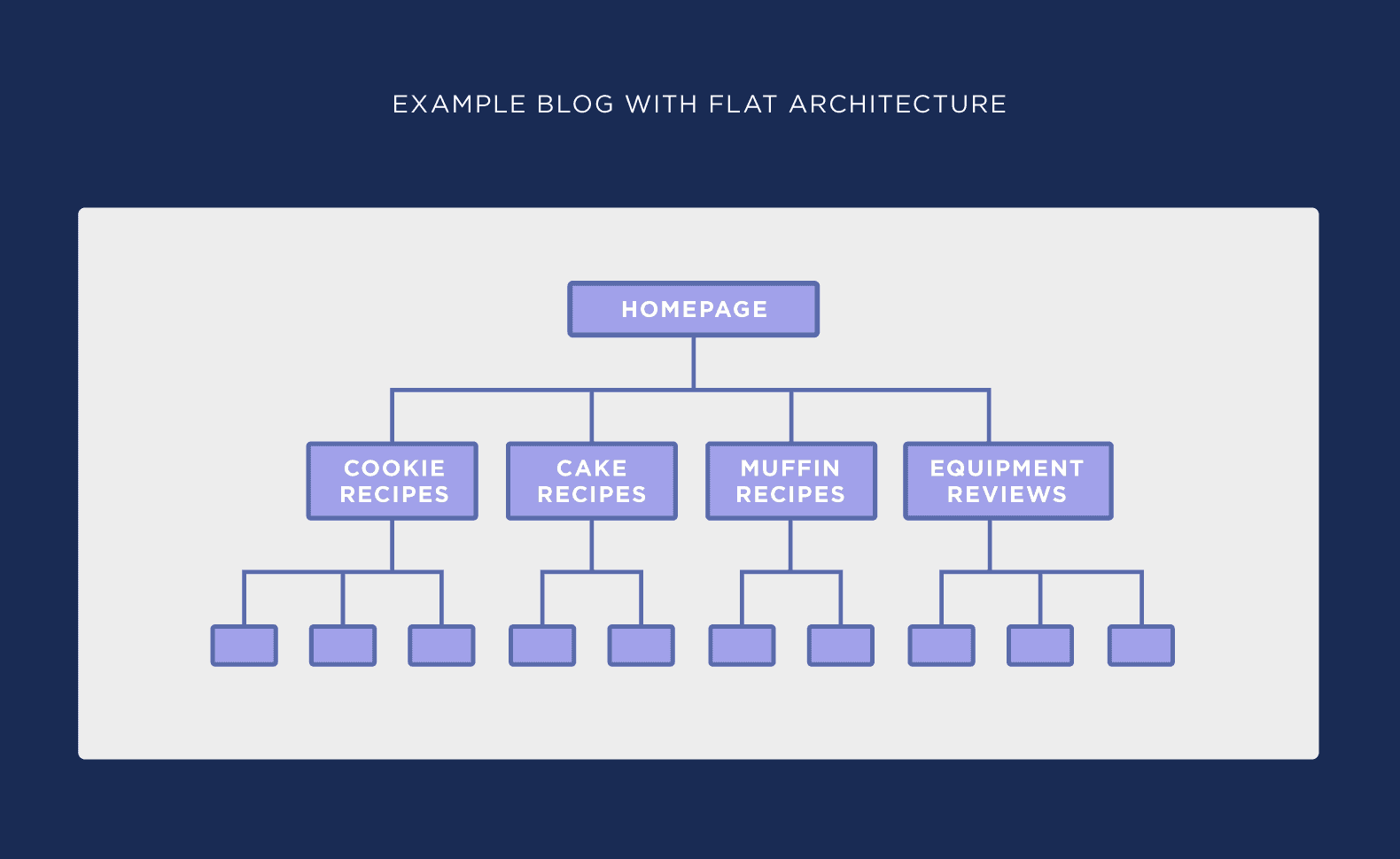
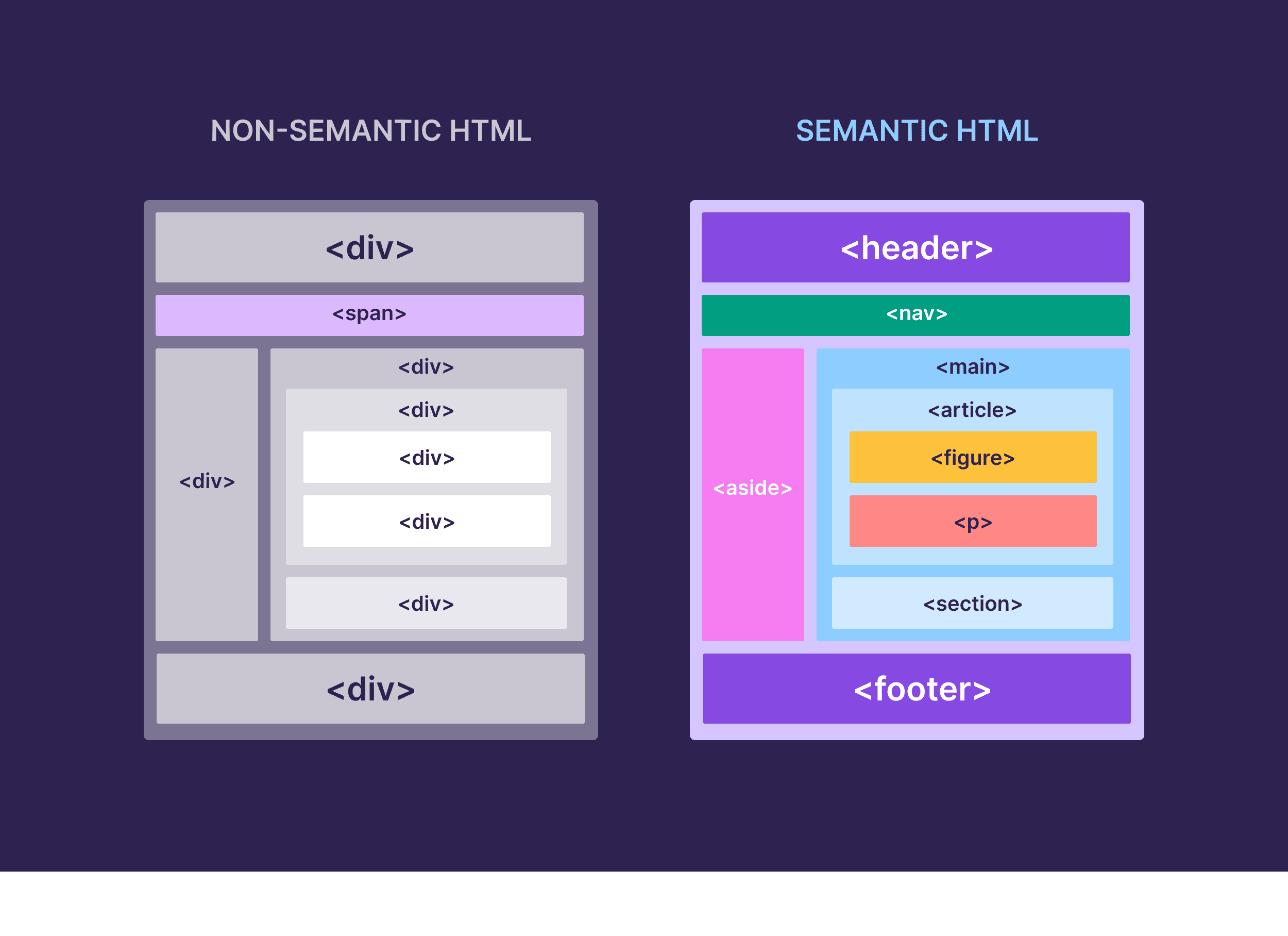
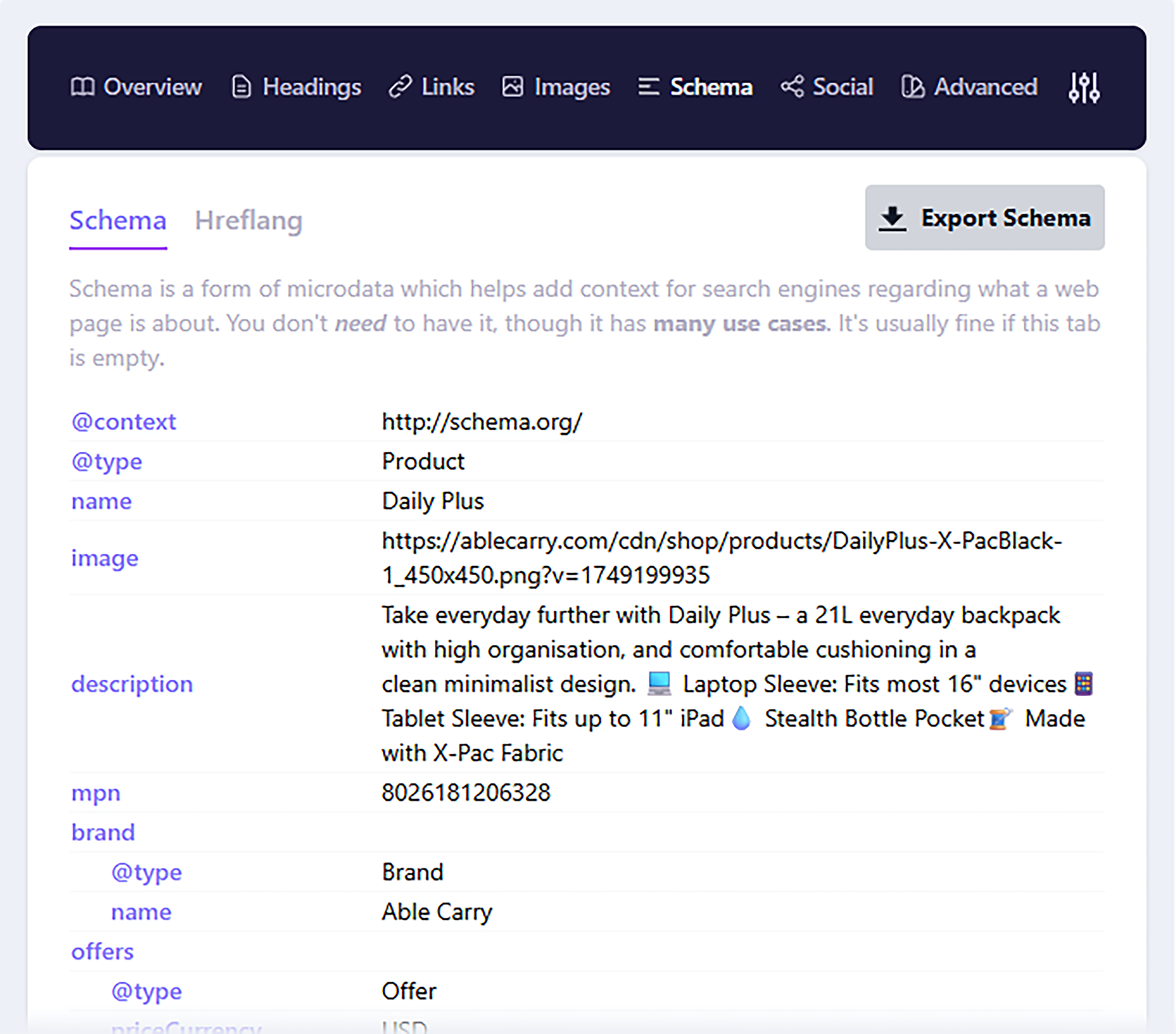
Websites are no longer designed solely for human eyes. Utilizing semantic HTML, clean site architecture, and properly implemented structured data (schema markup) ensures that both search engine crawlers and AI systems can easily parse and interpret page hierarchies.
Implications for Businesses Moving Forward
The implications of this marketing evolution are profound. Organizations that cling to outdated tactics—such as optimizing exclusively for direct search traffic while ignoring their off-site digital footprint—will continue to see diminishing returns.
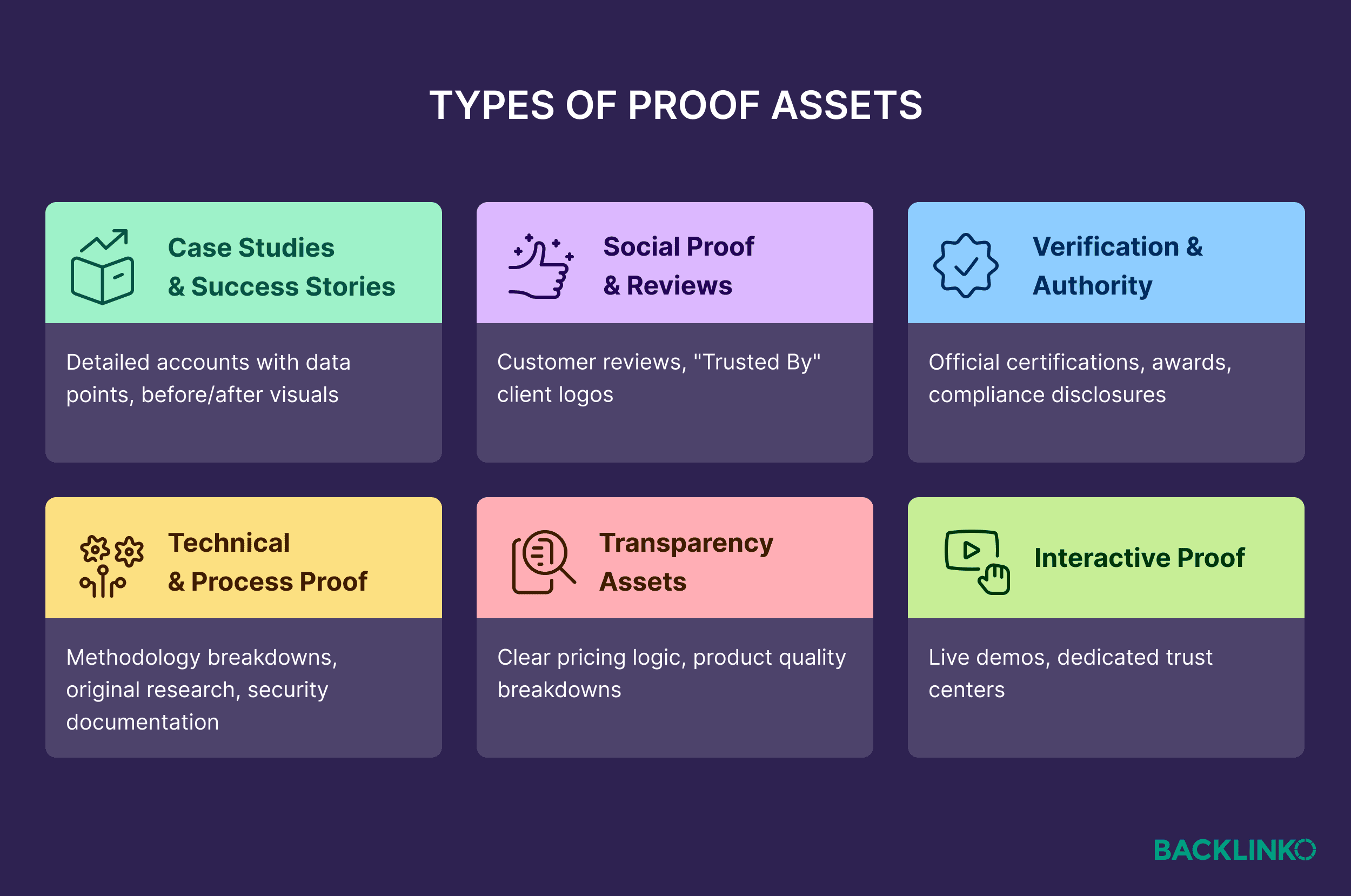
Conversely, companies that adopt a holistic, multi-channel strategy stand to gain a significant competitive advantage. By establishing active human faces behind their brands, contributing authentically to niche communities, deploying high-intent behavioral email triggers, and aligning their content with modern AI discovery tools, businesses can transform their online presence into a resilient engine for sustainable growth.