The global technology sector is currently grappling with a phenomenon industry analysts have dubbed "RAMageddon"—a perfect storm of supply chain constraints driven by the insatiable, power-hungry demands of Artificial Intelligence. As the semiconductor industry pivots to prioritize high-bandwidth memory (HBM) for massive data center clusters and AI training modules, the availability of consumer-grade DRAM and NAND flash storage has plummeted.
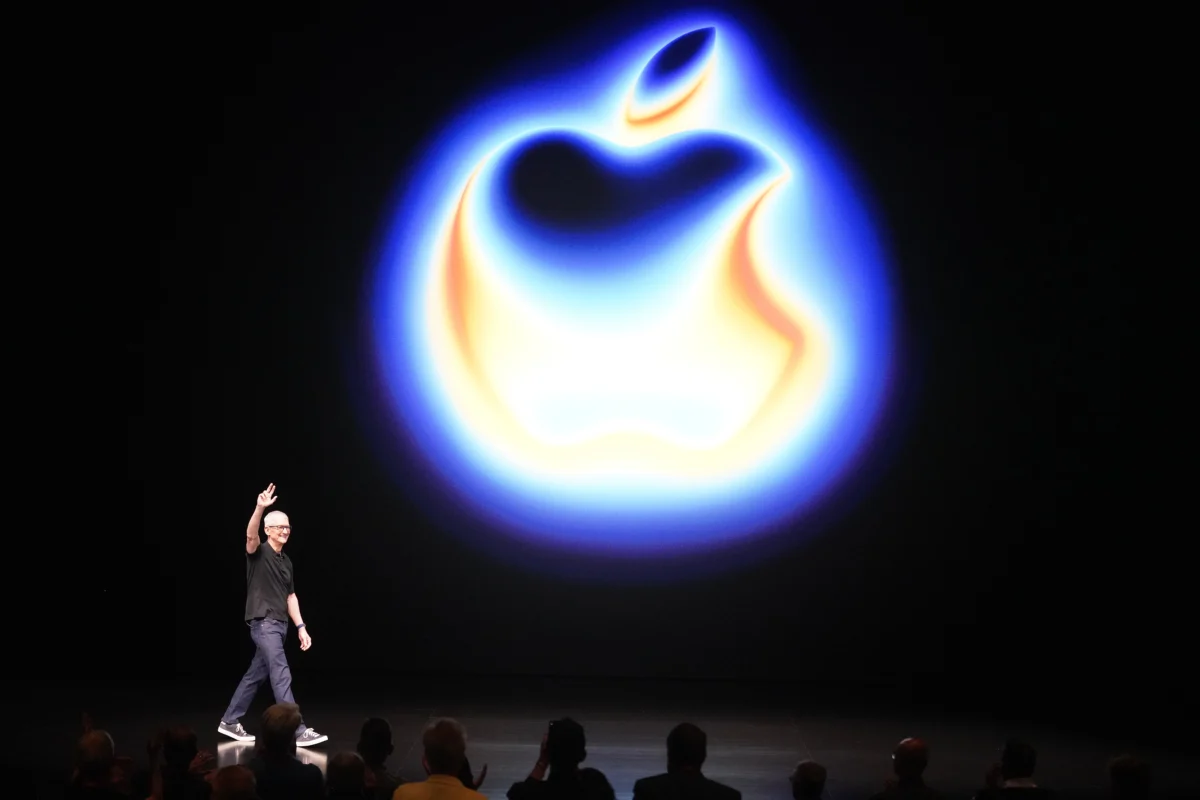
For Apple, this is a pivotal challenge. Outgoing CEO Tim Cook has confirmed that the days of absorbing these mounting component costs are coming to an end. In a candid assessment, Cook signaled that price hikes across the company’s flagship product lineup are now "unavoidable," marking a potential shift in the pricing strategy that has defined the premium consumer electronics market for over a decade.
The Anatomy of the Shortage
The core of the issue lies in the transition to AI-integrated computing. AI models, particularly Large Language Models (LLMs) that run on-device, require exponentially more memory and storage than standard mobile applications. Manufacturers like Samsung, SK Hynix, and Micron have shifted their manufacturing capacity toward the specialized high-end memory required by companies like NVIDIA.
This pivot has created a scarcity for the commodity memory chips used in smartphones, tablets, and laptops. According to industry data, the cost of these essential components has increased fourfold over the last year. While Apple typically exercises massive leverage over its supply chain, the sheer scale of the global chip deficit has rendered even the most robust procurement strategies vulnerable to market volatility.
A Chronology of the Crisis
The warning signs of "RAMageddon" did not appear overnight. The progression of the crisis has been steady and increasingly alarming for stakeholders:
- April 2026: Apple reported record quarterly sales, but the success was overshadowed by executive caution. Both Tim Cook and incoming CEO John Ternus flagged the memory shortage as a primary risk factor for future earnings.
- May 2026: Supply chain reports indicated that the surge in demand for AI-centric hardware was cannibalizing the inventory traditionally allocated for consumer mobile devices.
- June 2026: Apple’s Worldwide Developers Conference (WWDC) showcased a renewed focus on on-device AI, including a revamped Siri. While the software updates were impressive, they underscored the hardware requirements necessary to power these features, effectively creating a feedback loop of demand.
- Late June 2026: Following a $250 million settlement regarding previous AI marketing promises, Apple is under intense pressure to deliver functional, high-performance AI tools. This requires better, faster, and more expensive silicon.
- Current Status: Tim Cook has officially characterized the current cost structure as "unsustainable," setting the stage for what analysts believe will be a significant upward adjustment in retail pricing for the upcoming hardware cycle.
Supporting Data and Financial Implications
The economic impact on Apple’s bottom line is significant. Maintaining historical profit margins while absorbing a 400% increase in memory costs is, according to Apple leadership, no longer viable.
Industry research firm TechInsights has provided a sobering look at what this might mean for the consumer. Their analysis suggests that to maintain current profit margins, Apple would need to add approximately $270 to the retail price of the next iPhone Pro model. Given that the current iPhone 17 Pro begins at $1,099, a price hike of this magnitude would push the entry-level "Pro" device into a new, potentially prohibitive pricing tier.
While the iPhone is the most visible candidate for a price hike, the impact is expected to be systemic across the product ecosystem. The MacBook, iPad, Apple Watch, and the premium-tier Apple Vision Pro all rely on the same DRAM and NAND supply chains. If the component costs remain at their current elevated levels, the entire premium hardware portfolio is effectively on the chopping block for price adjustments.
Official Responses and Strategic Pivot
Apple’s leadership is attempting to navigate a delicate path. They must appease investors concerned about margins while managing the expectations of a consumer base that has grown accustomed to premium pricing but may hit a ceiling regarding further increases.
Tim Cook’s public admission that price increases are "unavoidable" is a rare, blunt acknowledgment of a supply chain crisis. Incoming CEO John Ternus, who will inherit this challenge, has been equally vocal, framing the memory shortage as his first major strategic hurdle. The company’s legal history also looms large; having recently paid a $250 million settlement for failing to deliver on promised AI features, Apple cannot afford to scale back on the hardware required to make its new AI initiatives work.
The strategy appears to be a "hardware-first" approach. By integrating more advanced neural engines and higher memory capacities, Apple is banking on the idea that users will view the increased costs as a premium for the "AI-ready" status of their devices. Whether the market agrees remains the central question of the 2026 fiscal year.
Broader Implications: The "AI Tax"
The situation surrounding Apple is a microcosm of a larger "AI Tax" currently hitting the tech industry. As hardware becomes more specialized, the era of cheap, ubiquitous storage and memory is effectively ending.
1. The Consumer Impact
For the average user, the "RAMageddon" crisis likely means one of two things: either higher retail prices for the same level of performance, or a stagnation in base-model specifications. If Apple chooses not to increase prices, it may be forced to ship devices with lower storage or RAM, which would limit the performance of the very AI features they are currently marketing.
2. Market Competition
Competitors are facing similar pressures. However, Apple’s vertical integration often gives it a buffer. If Apple is struggling to maintain margins, smaller OEMs (Original Equipment Manufacturers) may be forced to pass even steeper costs to consumers or exit the premium market entirely.
3. The Future of On-Device AI
The demand for memory is fundamentally tied to the desire for on-device, private AI. By moving processing away from the cloud and onto the device, Apple is attempting to solve privacy concerns while improving latency. However, this architectural shift requires massive amounts of high-speed memory. The "RAMageddon" crisis suggests that the dream of a fully AI-enabled local device comes with a very tangible, physical cost.
Conclusion: What to Expect in September
As the industry looks toward the September iPhone launch, the uncertainty is palpable. Apple has not yet specified which products will see price increases, but the pattern is clear. If history is any guide, the "Pro" lines will likely absorb the initial brunt of the cost increases, with the company potentially using these hikes to subsidize the cost of their lower-end models to keep them within reach of the mass market.
Investors are watching closely to see if Apple can successfully transition its business model to account for the skyrocketing cost of components. Consumers, meanwhile, may be forced to decide if the next generation of AI-enhanced hardware is worth the premium price tag. In the battle between technological innovation and the laws of supply and demand, the "RAMageddon" crisis is the ultimate test of Apple’s ability to remain both a leader in innovation and a profitable titan of industry.
As we move closer to the fall, the tech world will be watching to see if Apple’s "unavoidable" price increases mark the end of an era or the beginning of a new, more expensive reality for the digital age.
Disclaimer: When you purchase through links in our articles, we may earn a small commission. This doesn’t affect our editorial independence.