
The digital age has birthed a pervasive myth: the image of the "laptop lifestyle," where an individual retreats to a tropical beach, taps a few keys on a keyboard, and generates a six-figure income while sipping a cocktail. This narrative—frequently peddled by online marketers selling "get-rich-quick" courses—has created a polarized public perception. On one side, there is the cynical belief that blogging is a scam or a fool’s errand; on the other, the naive hope that it is a guaranteed shortcut to financial independence.
The truth, as explored through years of industry observation and data-driven analysis, lies in the gritty middle ground. Blogging is not a magic bullet, but it is a viable business model for those willing to treat it as such. It requires more than passion; it demands a convergence of strategic business acumen, content consistency, and, most importantly, extreme patience.
Main Facts: Deconstructing the Blogging Myth
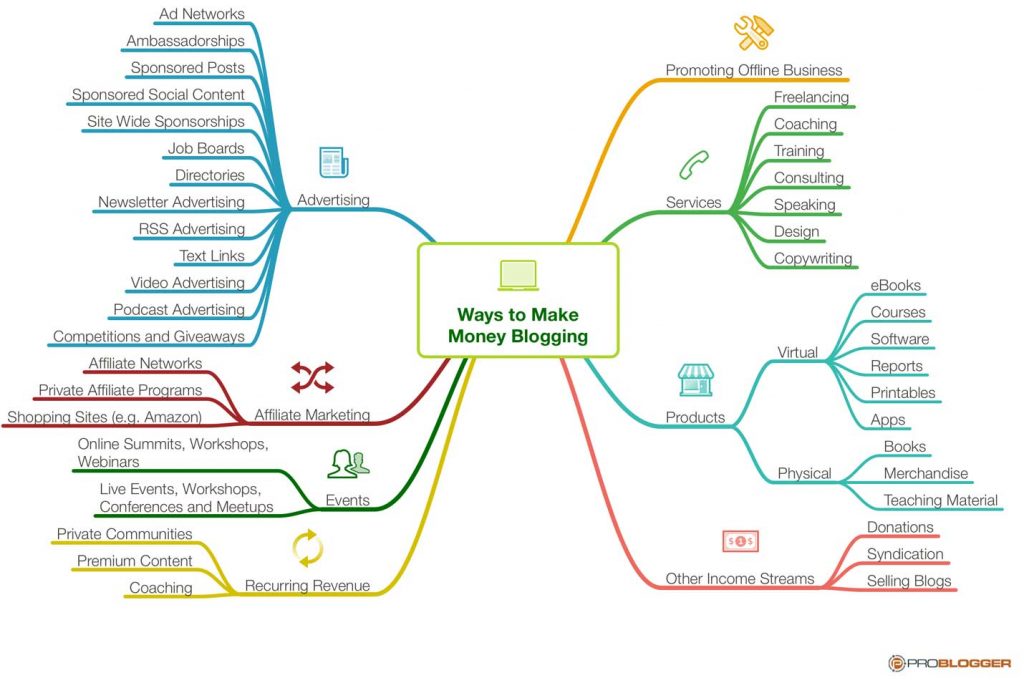
To understand the economics of blogging, one must first discard the notion of a "one-size-fits-all" formula. There is no singular path to monetization. Whether through affiliate marketing, high-ticket digital products, membership sites, or traditional advertising, the most successful bloggers are those who diversify their income streams.
The most critical fact to internalize is that the "make money online" niche is not the only profitable arena. While it is easy to assume that the only people making money are those teaching others how to do it, the reality is that the most lucrative blogs often exist in "everyday" niches. From photography and woodworking to health, wellbeing, and simple living, successful bloggers are finding audiences who value specialized information. These bloggers are not selling dreams; they are solving problems, providing entertainment, and building communities.
A Chronology of Growth: The Long Road to Profitability
For those entering the blogging space, the trajectory is rarely a vertical climb. It is almost always a slow, incremental ascent.
The Initial Phase: The "Coffee Money" Era
Most professional bloggers began their journey as hobbyists. In the early stages, income is negligible—often totaling mere cents or dollars a day. This period is defined by experimentation: learning to navigate content management systems, understanding basic SEO (Search Engine Optimization), and finding a distinct "voice."
The Scaling Phase: From Hobby to Side-Hustle
As the audience grows, the monetization potential shifts. This is the stage where bloggers begin to see their earnings match a part-time job. It is here that many creators face a "make-or-break" moment. The work becomes more administrative: managing email lists, negotiating brand partnerships, and analyzing reader data.
The Maturity Phase: The Business Model
Once a blog has sustained growth over three to five years, it moves into the maturity phase. It is no longer just a "blog"; it is a digital media business. At this level, many creators employ staff, outsource technical maintenance, and focus on high-level strategy. It is crucial to note that this level of success is historically tied to longevity. Data consistently shows that the highest-earning bloggers have been active for four years or more.

Supporting Data: What the Numbers Say
An analysis of industry data, including surveys of thousands of active bloggers, provides a sobering look at the reality of the profession.
While the top 4% of bloggers are earning over $10,000 per month—a threshold that qualifies as highly successful—they represent a distinct minority. The vast majority of those attempting to monetize their sites fall into the lower tiers of income:
- 63% of bloggers make less than $3.50 per day.
- 28% of bloggers earn less than 30 cents per day.
- 10% of bloggers generate no income at all.
These figures, however, must be viewed through the lens of experience. A significant portion of this data includes beginners who have been blogging for less than two years. When the lens is focused on those who have persevered for four years or longer, the percentage of "high earners" increases significantly. The data suggests that failure in blogging is often not a result of a lack of talent, but a result of a lack of stamina.
Official Perspectives: The "Action-Oriented" Paradigm
Industry veterans and successful entrepreneurs in the blogging space share a common sentiment: passivity is the enemy of profit. The term "passive income" is arguably one of the most damaging buzzwords in the creator economy.
While it is true that a blog can generate revenue while the author sleeps, the infrastructure required to reach that point is anything but passive. It requires:
- Content Creation: Consistent, high-quality, and original output.
- Community Engagement: Fostering trust through comments, newsletters, and social interaction.
- Monetization Strategy: Developing products or services that genuinely solve the reader’s problems.
- Technical Vigilance: Ensuring the site remains secure, fast, and accessible across all devices.
Successful bloggers are, by definition, people of action. They do not wait for inspiration to strike; they adhere to editorial calendars. They do not wait for advertisers to find them; they reach out and build relationships. They treat their blog as a startup, investing time and capital into its development.
The Four Pillars of Profitable Blogging
For those ready to move past the dream and into the execution phase, the path to profitability is built on four structural pillars:
1. Creating Content That Matters
Content is the product. If the product is thin, unoriginal, or unhelpful, no amount of marketing will make it profitable. Successful blogs provide value that cannot be easily replicated elsewhere.
2. Attracting and Retaining an Audience
Traffic is the lifeblood of a blog. This involves understanding how to reach people through organic search, social media, and word-of-mouth. However, traffic is useless without retention. Building an email list is the most important step a blogger can take to ensure they "own" their audience.
3. Deepening Reader Engagement
A loyal reader is worth exponentially more than a one-time visitor. Engagement involves responding to comments, asking for feedback, and building a brand that readers feel a part of.
4. Implementing Diversified Monetization
Relying on a single income stream—such as Google AdSense—is a recipe for volatility. Stable, profitable blogs utilize a mix of strategies. This includes affiliate marketing (earning a commission on recommended products), selling digital products (ebooks, courses), and offering services (coaching, consulting).
Implications: The Future of the Creator Economy
The landscape of blogging is shifting, but it is not dying. In an era dominated by short-form video and ephemeral social media content, the long-form, searchable nature of a blog remains a unique asset.
The implication for new bloggers is clear: stop looking for the shortcut. There is no magic formula, no "guaranteed" path, and no secret algorithm that bypasses the need for hard work. However, for those who are willing to commit to the long game, the rewards are tangible.
Blogging is a marathon, not a sprint. The barrier to entry is low, but the barrier to success is high. It requires the discipline to write when you don’t feel like it, the intelligence to pivot when strategies aren’t working, and the courage to keep going when the numbers aren’t where you want them to be.
If you are starting today, focus on the fundamentals. Build something that people care about, build it consistently, and do not expect to reach the finish line in a month. Your blogging breakthrough will not come from a "how-to" course promising millions; it will come from the quiet, persistent work of showing up, adding value, and treating your digital presence with the professional respect that a business deserves.
The digital world is vast, and there is always space for a voice that provides genuine value. The question isn’t whether you can make money blogging; the question is whether you are prepared to do the work required to build a platform that deserves to be paid.