

In the vast, interconnected landscape of the modern internet, the concept of the "professional blogger" has shifted from a fringe novelty to a legitimate, albeit misunderstood, career path. For years, the digital discourse has been polarized: one camp promises overnight millionaires through "get-rich-quick" schemes, while the other dismisses the entire medium as a vanity project or a deceptive mirage.
To separate the signal from the noise, we must examine the reality of the blogging economy. Can you truly trade your keystrokes for a living? The answer is a resounding yes—but it bears little resemblance to the effortless, passive-income fantasies often peddled by online gurus.
Main Facts: Deconstructing the Blogging Business Model
At its core, blogging is an exercise in content-led entrepreneurship. The myth that blogging is exclusively for "make-money-online" influencers is demonstrably false. In fact, some of the most profitable sectors—ranging from health and wellness to woodworking and professional photography—have nothing to do with teaching others how to blog.
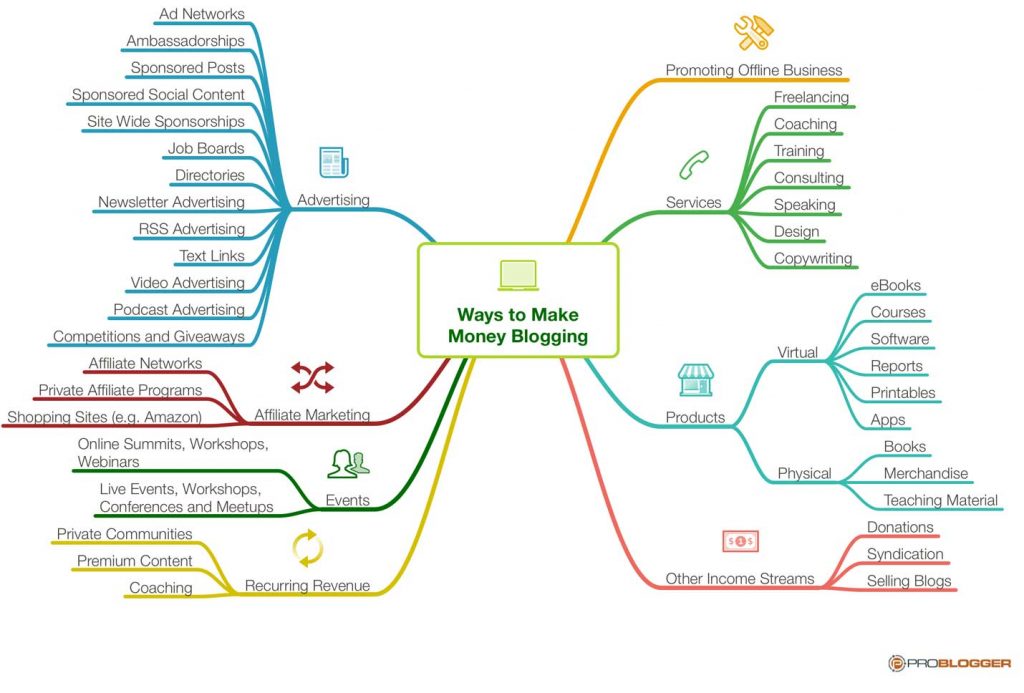
The primary revenue streams for successful bloggers are as diverse as the topics they cover. They include:
- Affiliate Marketing: Earning commissions by recommending products or services.
- Direct Advertising: Partnering with brands to display banners or sponsored content.
- Digital Products: Creating and selling e-books, online courses, or proprietary software.
- Membership Models: Creating gated, high-value communities for subscribers.
- Services: Using the blog as a portfolio to attract consulting, speaking, or freelance clients.
The most successful practitioners rarely rely on a single source. Instead, they build a "revenue ecosystem" where multiple streams support one another, creating a resilient financial structure.
Chronology: The Evolution of a Digital Asset
The journey to profitability is rarely linear. For most, the timeline of a successful blog follows a distinct, multi-year progression.
The Foundation Phase (Year 0–1)
In the beginning, there is almost exclusively output with little to no financial return. During this period, the goal is not profit, but "proof of concept." Bloggers focus on finding their voice, defining a niche, and building an initial audience. Statistically, the vast majority of bloggers who attempt to monetize early do not earn enough to cover the cost of their domain registration.

The Traction Phase (Year 1–2)
As the blog begins to gain search engine visibility and a loyal readership, small-scale monetization kicks in. This might look like a few cents a day from ad networks or a handful of affiliate clicks. It is the "coffee money" stage, where the psychological validation of earning a dollar is more significant than the financial impact.
The Scaling Phase (Year 3–5)
This is where the "grit" comes into play. By year three or four, the content library is substantial enough to act as a magnet for traffic. Revenue begins to scale as the blogger shifts from simply creating content to optimizing it for conversion. This is the period where the "long-tail" effect of SEO (Search Engine Optimization) begins to pay dividends, allowing older posts to continue driving traffic and revenue without constant maintenance.
The Authority Phase (Year 5+)
Longevity is the greatest competitive advantage. Data suggests that the top earners—those generating six figures annually—have almost exclusively been in the game for at least four years. At this level, the blog is no longer a "diary"; it is an established authority site, a brand that commands trust.
Supporting Data: The Truth in the Numbers
To understand the economics of blogging, we must look at the data provided by industry surveys, such as those conducted by ProBlogger. These surveys consistently reveal a sobering reality:
- The Bottom Heavy Pyramid: Approximately 10% of those attempting to monetize make nothing, while nearly 30% earn less than 30 cents per day. Over 60% of aspiring bloggers make less than $3.50 per day.
- The Top Tier: Only a small percentage (roughly 4–5%) manage to hit the $10,000-per-month mark.
- The Middle Class: There is a growing cohort of "part-time professionals" earning between $1,000 and $5,000 per month. This group often views blogging as a high-value supplement to their primary income, allowing them to balance family commitments or career shifts.
It is important to note that these statistics include everyone who attempts to make money, regardless of their experience level. The high failure rate is not necessarily an indictment of the industry, but rather a reflection of the low barrier to entry. Anyone can start a blog, but few are willing to put in the thousands of hours required to reach the top 5%.
Official Perspectives: The Reality of "Passive" Income
Industry experts, including those who have been blogging since the early 2000s, are unanimous in their dismissal of the term "passive income." While the revenue may eventually become passive—as an evergreen post continues to generate affiliate sales while the author sleeps—the creation is anything but.
The most successful bloggers characterize their work as "active labor." It involves:
- Content Strategy: Researching what the audience needs, not just what the author wants to write.
- Community Management: Engaging with readers in comments, newsletters, and social channels.
- Technical Maintenance: Ensuring the site is secure, fast, and mobile-responsive.
- Product Development: Moving beyond simple ad revenue to create proprietary goods that offer real value.
The consensus is clear: if you are looking for a get-rich-quick scheme, you will be disappointed. If you are looking for a long-term business-building opportunity that rewards consistency and creativity, the opportunity is greater today than it has ever been.
Implications: The Future of the Creator Economy
The implications for the aspiring blogger are twofold. First, the era of the "generalist" blogger is likely over. As the internet becomes more saturated, the most profitable blogs will be those that solve specific, high-value problems for defined audiences. Whether it is sustainable fashion, niche woodworking, or specialized travel, the "riches are in the niches."
Second, the barrier to success is shifting from technical skill to emotional intelligence. In an age of AI-generated content, the "human factor"—the ability to share personal experiences, build genuine trust, and foster a community—has become the most valuable asset a blogger possesses.
Final Thoughts for the Aspiring Creator
If you are considering starting a blog, approach it as you would any other business venture.
- Identify a market need: What questions are people asking that aren’t being answered well?
- Commit to the long haul: Do not measure your success by your first six months. Measure it by the depth of the library you have built after two years.
- Diversify your approach: Don’t rely on a single ad network. Build an email list, create your own products, and foster direct relationships with your audience.
The "blogging gold rush" may have passed, but the "blogging building era" is in full swing. It is no longer about being the first to the party; it is about being the most helpful, the most consistent, and the most authentic person in the room. You can build a career from your keyboard, but you must be prepared to earn it, one word at a time.