In the hyper-competitive landscape of digital publishing, the barrier to entry has never been lower, yet the threshold for success has never been higher. Thousands of bloggers launch websites daily, armed with robust content management systems, impeccable SEO strategies, and well-structured editorial calendars. Yet, a vast majority of these creators find themselves shouting into the digital void, unable to convert casual visitors into a loyal, recurring audience.
The data suggests that the culprit is rarely a lack of information or technical skill. Instead, the missing ingredient is often the most intangible one: personality. In an era where AI-generated content and generic listicles proliferate, the human element—the unique "soul" behind the screen—has become the primary currency of digital engagement. This article explores how ten industry-leading bloggers have mastered the art of personal branding to turn their platforms into influential, memorable, and profitable ecosystems.
The Anatomy of Connection: Why Personality Matters
The shift from information-based blogging to authority-based, personality-driven content is not a trend; it is a fundamental evolution of the web. Readers are no longer looking for mere facts; they are looking for guides, companions, and voices that resonate with their own lived experiences.
When a blog lacks a discernible persona, it becomes interchangeable with thousands of others. Conversely, a blog infused with personality fosters "parasocial relationships"—a psychological phenomenon where readers feel a sense of intimacy and connection with a creator they have never met. This connection is the engine behind high conversion rates, community growth, and long-term brand equity.
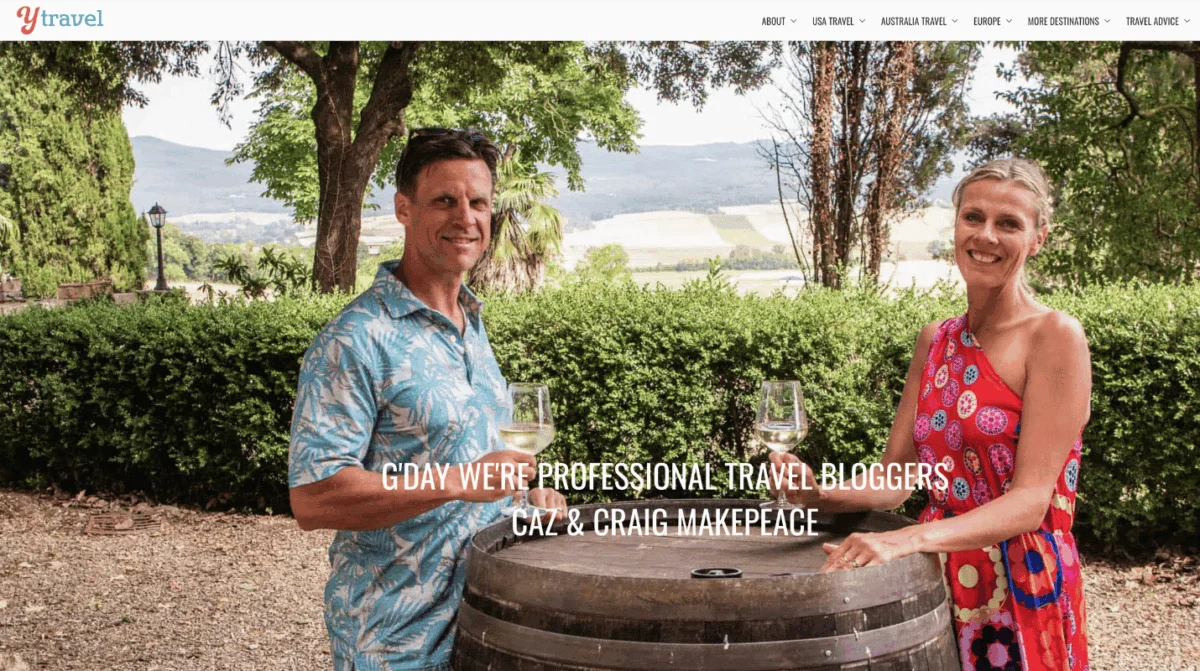
1. Visual Storytelling: The YTravel Approach
For niches like travel, food, and fashion, the visual component of a blog is not supplementary—it is the product. Caz and Craig, the duo behind YTravel, understand that their audience isn’t just looking for hotel recommendations; they are looking to inhabit a lifestyle.
By integrating candid, high-quality family photography into their travel guides, they transform informative posts into narratives. A guide to "Flying with Kids" is no longer a dry list of tips; it becomes a relatable slice of life.
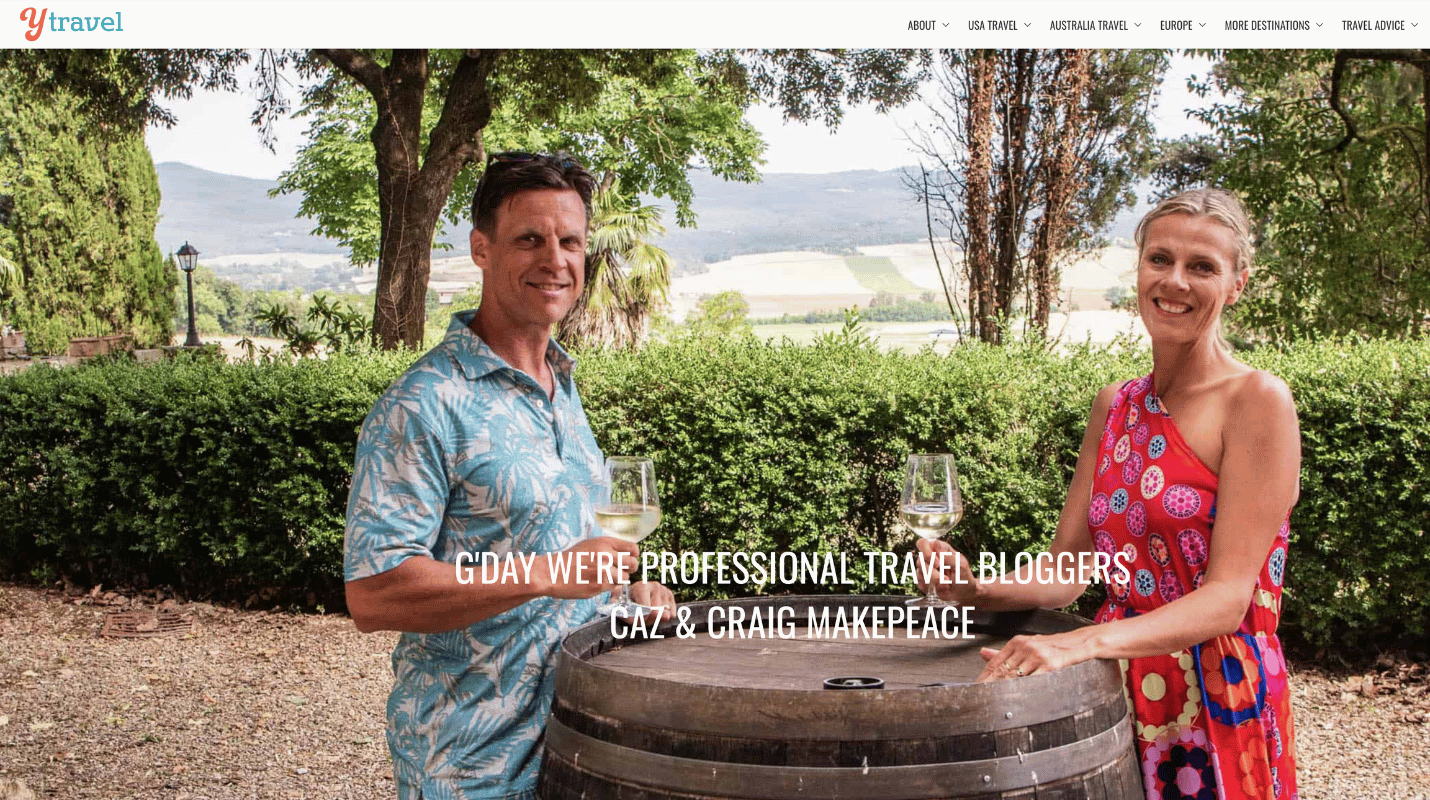
- Strategic Implication: Visuals serve as the first point of emotional contact. When your photography reflects your real-life experiences, you lower the reader’s defense mechanisms, building trust before they even read your first paragraph.
2. Defining Your Archetype: The Pat Flynn Method
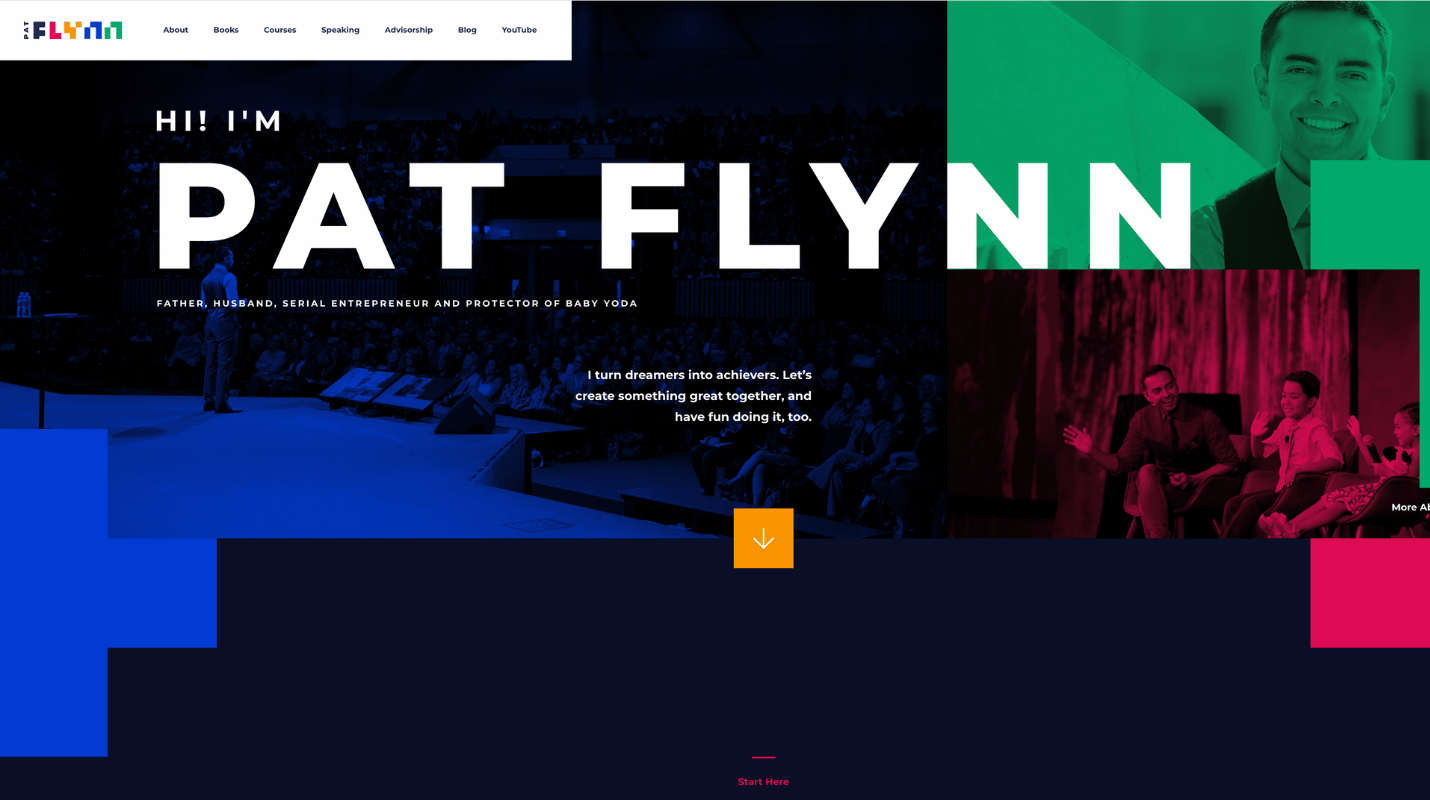
Pat Flynn of Smart Passive Income provides a masterclass in identity branding. His homepage is a masterstroke of clarity, utilizing bold typography and concise descriptors ("father, husband, serial entrepreneur") to establish an immediate archetype.
By injecting niche, humanizing details—such as his self-proclaimed title of "protector of baby Yoda"—Flynn balances high-level professional authority with approachability.
- Strategic Implication: A clear, quirky, and honest bio does more than tell people who you are; it tells them who you are not, effectively filtering your audience to ensure that your content reaches those most likely to engage with it.
3. The Power of Authenticity: Shannon Kelly White’s Tone
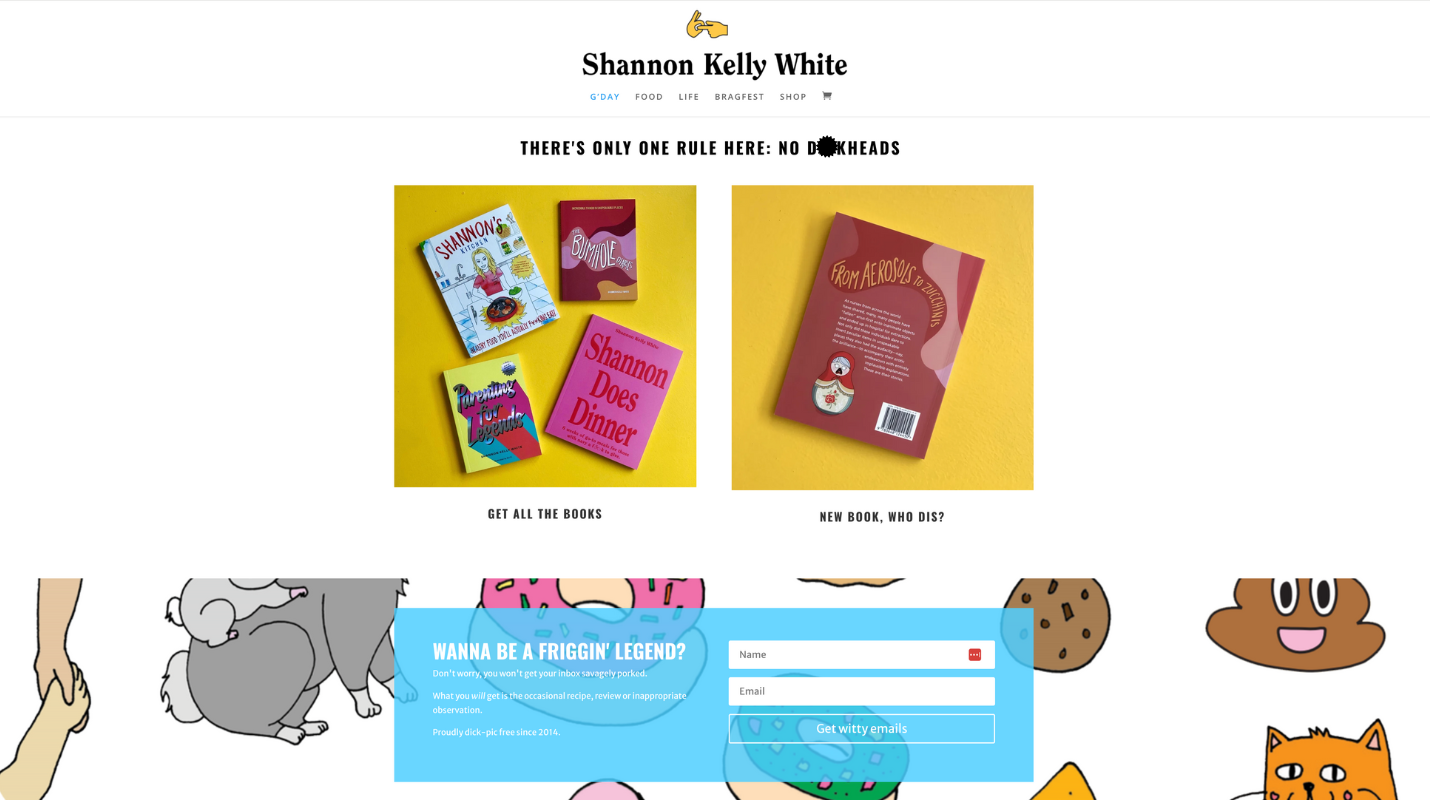
Perhaps the most polarizing, yet effective, strategy is the adoption of a distinct, uncompromised voice. Shannon Kelly White utilizes a "salty" and unfiltered linguistic style that creates an immediate "love it or hate it" reaction.
While some might fear that strong language or a controversial tone will alienate readers, the inverse is often true: it creates a "tribe." Those who align with the tone become rabidly loyal, while those who don’t are unlikely to have converted into long-term readers anyway.
- Strategic Implication: Authenticity is an efficient growth hack. By being unapologetically yourself, you solidify your relationship with your target demographic, ensuring that your community is built on genuine resonance rather than superficial interest.
4. Custom Visual Identity: The Blog Tyrant’s Avatar
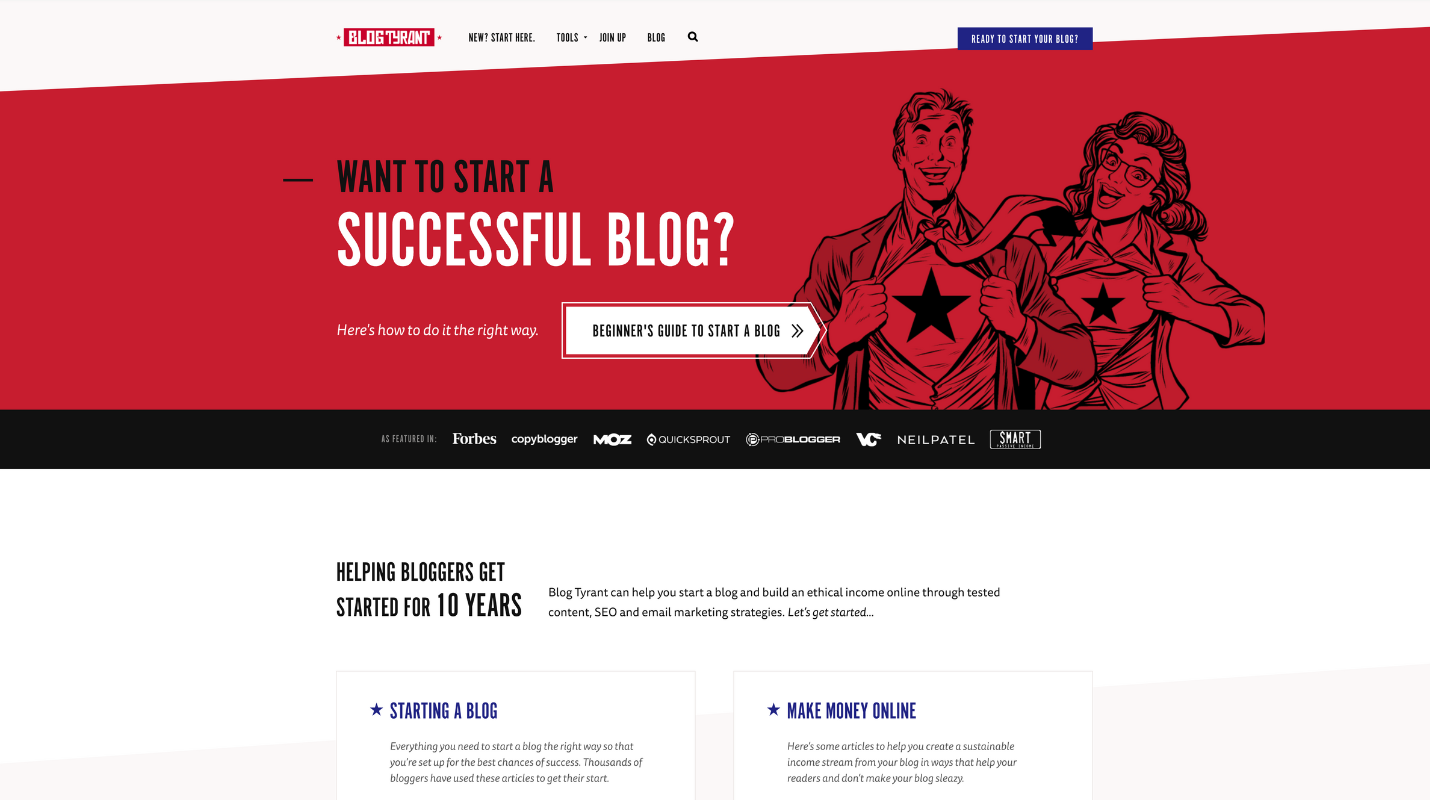
Ramsey, the creator of Blog Tyrant, utilizes custom illustration to create a tangible "super-hero" persona. By deploying a consistent red-shirted avatar across his site, marketing materials, and digital products, he has created a visual shorthand for his brand.
- Strategic Implication: Custom branding is an investment in professionalization. When you move away from generic stock photography to custom-branded illustrations, you move from being a "blogger" to being a "media brand."
5. The "About" Page: Your Digital Resume
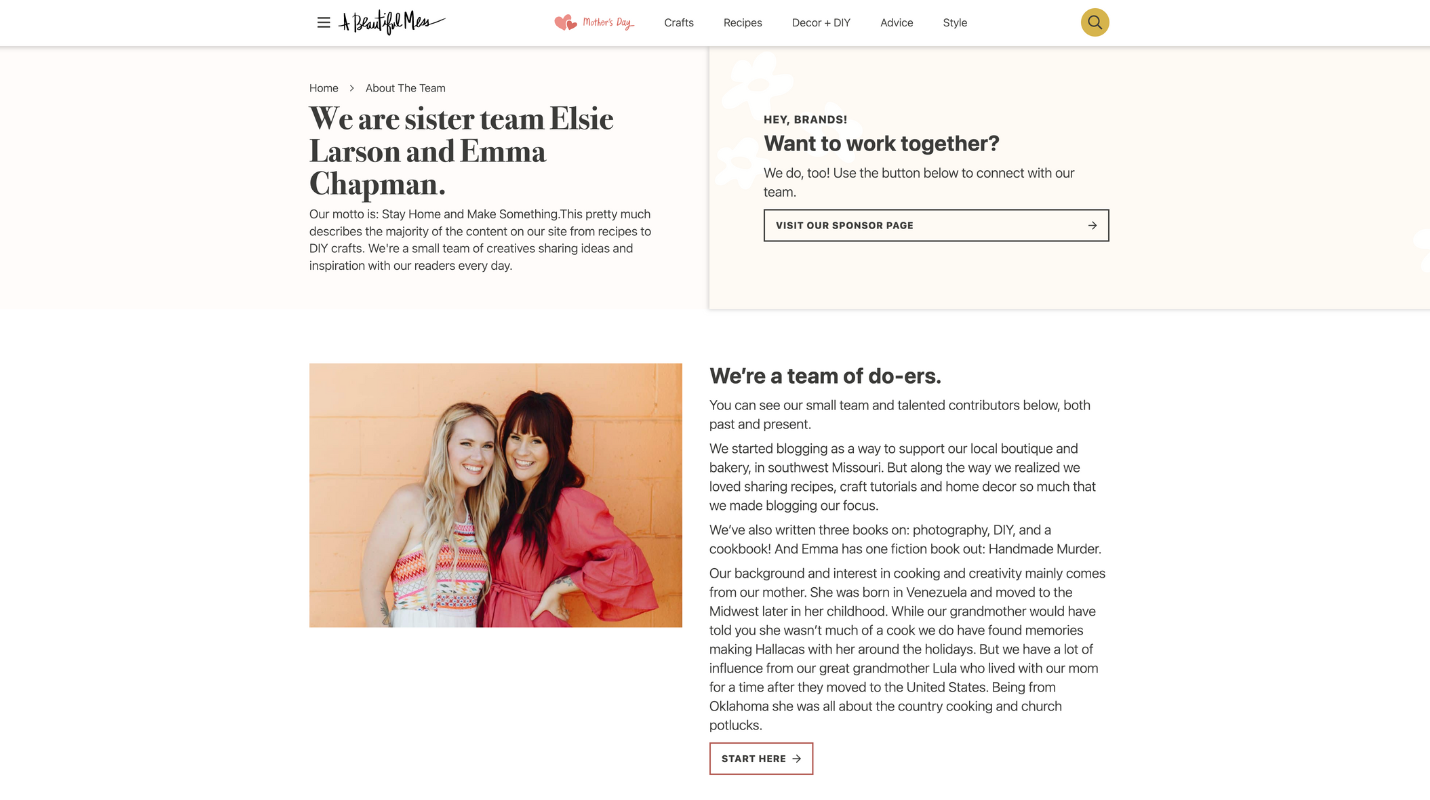
Elsie and Emma of A Beautiful Mess recognize that the "About" page is the second most visited page on most successful blogs. It is where a casual reader becomes a fan.
By using high-energy photography and pithy, engaging introductions, they humanize the brand. It is a strategic move: they aren’t just selling a aesthetic; they are selling a relationship with the sisters behind the screen.
6. Omnichannel Consistency: Chris Ducker’s Brand DNA
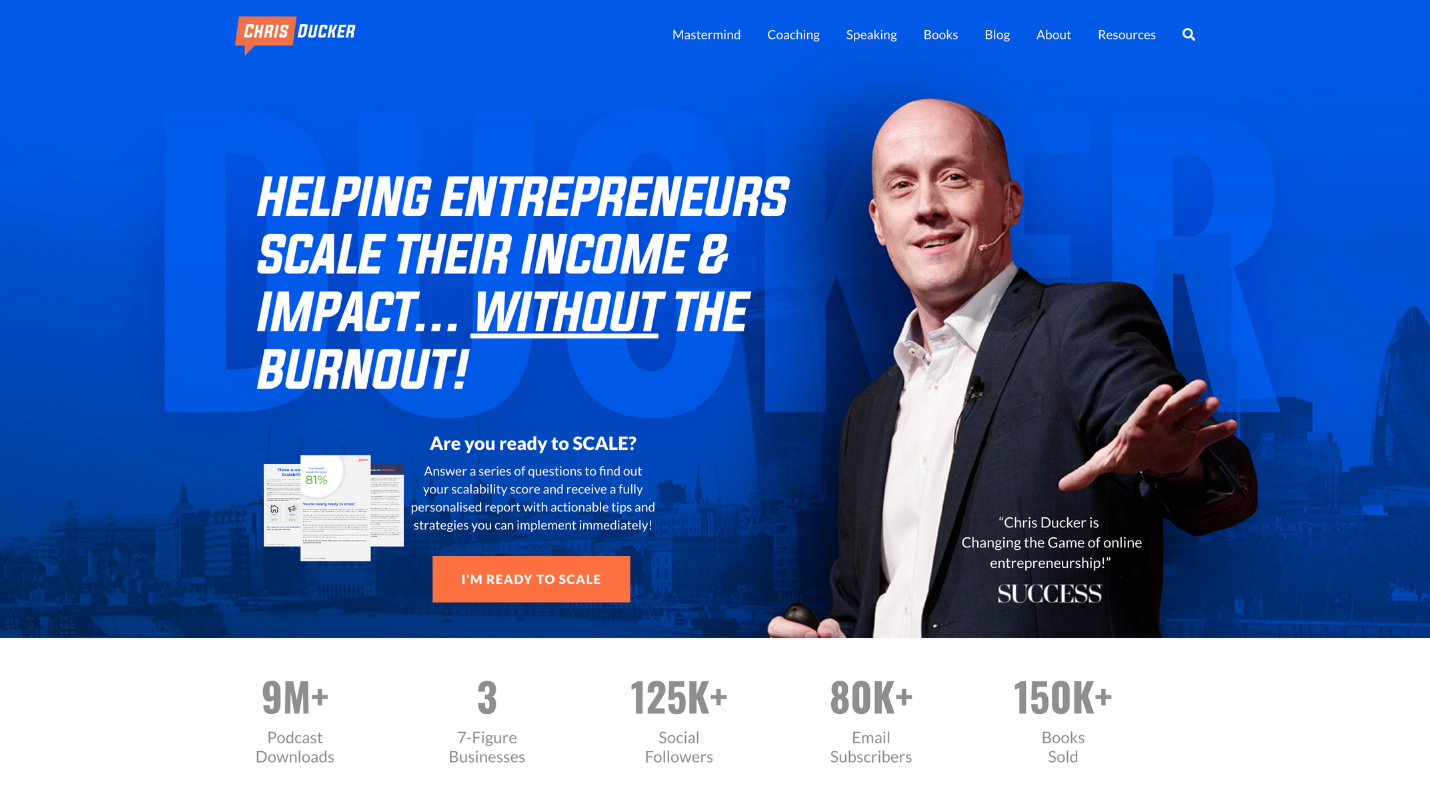
Consistency is the bedrock of credibility. Chris Ducker’s strategy is simple: use the exact same high-quality headshot across all touchpoints—Twitter, LinkedIn, Facebook, and his blog.
This creates a sense of ubiquity. When a reader encounters Ducker on a social media platform, the mental "trigger" to associate that image with his expertise is instantaneous.
7. Color Psychology and Brand Cohesion: Jadah Sellner
Jadah Sellner’s site is an example of visual harmony. Her color palette is not chosen at random; it is meticulously curated to match her personal style and the "warmth" of her brand.
When your personal presentation (the clothes you wear in your photos) matches your site’s color palette, you create a subconscious sense of "rightness" that keeps readers on your page longer.
8. The Value Proposition: James Schramko’s Directness
James Schramko of SuperFastBusiness doesn’t bury the lead. His homepage is a direct statement of his value proposition. He explicitly states his services and the specific audience he serves.
- Strategic Implication: In an information-dense world, clarity is a competitive advantage. By stating your purpose immediately, you show respect for the reader’s time, which builds instant trust.
9. The Call to Action: Kelly Exeter’s Direct Path
Kelly Exeter demonstrates that the best way to convert a reader is to provide a clear, linear path to action. She uses a formula: Name + Role + Beneficiary + Offer.
By removing the "friction" of complex, multi-step subscription funnels and replacing them with a singular, clear "Find Out Here" button, she respects the user’s intent to engage immediately.
10. Audience Identification: The Puttylike Quiz
Emily at Puttylike uses the psychological concept of "identity labeling" to turn a casual reader into a community member. By identifying her audience as "Multipotentialites," she gives her readers a language to describe themselves.
Her use of a lead-magnet quiz is a brilliant psychological maneuver: it forces the visitor to interact with the concept of their own identity, creating a high-conversion gateway into her mailing list.
Implications: The Future of the Creator Economy
The evolution of these ten bloggers reveals a common thread: the blog is no longer just a collection of posts; it is an extension of the creator’s identity.
As we look toward the future, the implications are clear:
- AI Integration: As AI becomes better at writing "generic" content, the premium on human nuance, personal experience, and distinctive personality will skyrocket.
- Community Over Traffic: The metrics that matter are shifting from "hits" to "conversion and connection." A smaller, highly-connected audience is now more valuable than a massive, disconnected one.
- The Rise of the "Human Brand": We are seeing a move away from faceless corporate blogs toward personality-led media houses.
Conclusion: How to Start
The transition to a personality-driven blog does not require a total redesign of your site. It starts with a shift in perspective. Begin by asking: Does my content sound like a textbook, or does it sound like a conversation?
If it is the former, integrate one of the ten strategies listed above this week. Whether it is a new, professional headshot, a more direct tagline, or an honest "About" page that reveals your true motivations, the goal is to bridge the gap between the screen and the person reading it. The digital world is vast, but the human desire for connection is finite. The bloggers who win are the ones who show up—not as a brand, but as a person.