In the current digital landscape, a common narrative persists among mid-career professionals and business owners: "The YouTube ship has sailed." The assumption is that the platform is saturated, dominated by high-energy, bubbly personalities who have been grinding since the platform’s infancy.
However, YouTube growth coach Ty Myers argues that this perspective is not only flawed but fundamentally misaligned with how the modern algorithm—and the modern consumer—operates. According to Myers, success on YouTube is no longer about charisma or being the loudest voice in the room; it is about solving specific problems for a clearly defined audience. By leveraging professional experience in fields like sales, consulting, and education, late-stage starters can bypass the "influencer" trap and build a sustainable, revenue-generating media asset.
Main Facts: The New Rules of YouTube Growth
The core philosophy behind a successful modern channel is a shift from "content creation" to "business strategy." The platform is not merely a social network; it is the world’s second-largest search engine. Consequently, the most effective channels function as a funnel, where educational content acts as the primary vehicle for building trust and, ultimately, converting viewers into high-value clients.
The most critical realization for new creators is that YouTube prioritizes relevance over production polish. An expertly produced video with no audience intent will fail, while a simple, direct-to-camera video that solves a burning problem for a specific user will thrive. The objective is to signal to the algorithm exactly who a video is for by aligning the content with the specific search intent of the intended "avatar."
Chronology: The Four-Phase Roadmap
Ty Myers outlines a rigorous four-step framework for launching a channel, emphasizing that the most critical work occurs long before the record button is pressed.
Phase 1: Mission and Goal Definition
Success begins with clarity. A creator must define the "why" behind the channel. Are you aiming to capture leads, sell a high-ticket service, or establish domain authority? Ambiguity is the primary cause of channel stagnation. Without a singular mission, creators attempt to serve everyone, which inevitably results in serving no one.
Phase 2: Defining the "Avatar"
Once the mission is established, the focus shifts to the viewer. Who is this person? What keeps them awake at night? What specific outcome are they seeking? This level of specificity must permeate every element of the channel, from the metadata in the video description to the visual language of the thumbnail. The YouTube algorithm is highly sophisticated; it parses transcripts and tracks viewing habits to ensure that the "right" video finds the "right" eyes.
Phase 3: The "Repetition" Phase
The third stage involves the rapid production of "simple" videos. Perfectionism is the enemy of progress, particularly for high-achieving professionals transitioning from other industries. Myers recommends a "15-video sprint"—a period where the creator focuses on getting 15 videos out the door, regardless of perceived flaws. This phase is essential for finding one’s on-camera voice and shedding the "polished" corporate persona in favor of authentic, relatable communication.

Phase 4: Data-Driven Scaling
Once the workflow is established, the creator moves from volume to strategy. This involves analyzing the platform as a distribution system. Creators must study high-performing videos in their niche—not to copy them, but to reverse-engineer the structural frameworks, title formats, and thumbnail designs that have historically resonated with the audience.
Supporting Data: The Pre-Production Framework
The most prevalent mistake creators make is prioritizing filming over planning. Myers asserts that 80% of a video’s success is determined by the topic, title, and thumbnail.
If a creator has 10 hours to dedicate to a video, 6 of those hours should be allocated to pre-production. This includes:
- Keyword Validation: Utilizing tools like VidIQ to analyze monthly search volume and identify specific search phrases that show high audience interest.
- Competitive Analysis: Using the YouTube search bar and VidIQ extensions to identify "outlier" videos—content that has significantly outperformed the channel’s average view count—and assessing whether those topics have sustained, long-term relevance.
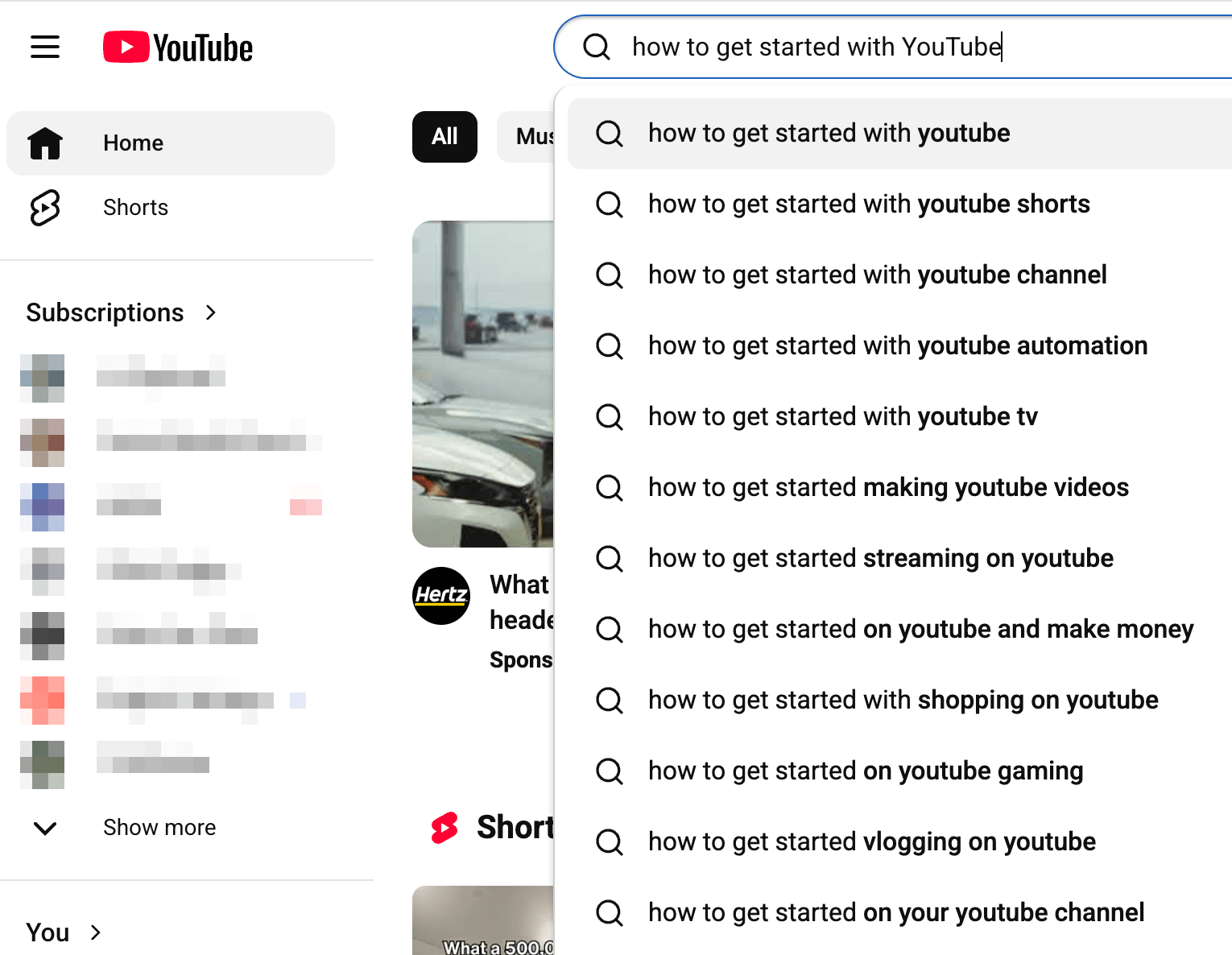
- Autocomplete Intelligence: Leveraging YouTube’s search autocomplete as a real-time data source for how the target audience naturally phrases their questions and concerns.
Official Perspectives: The Role of AI in Content Synthesis
The integration of AI has fundamentally altered the efficiency of the scripting process. Rather than using AI to write a generic script, professionals are using it as an "interview partner."
For instance, by utilizing tools like Claude, a creator can feed in a core topic and instruct the AI to ask questions one by one. This interactive process forces the creator to surface personal stories, specific analogies, and professional experiences that an AI could never generate on its own. This method ensures that the script remains grounded in human credibility, avoiding the "robotic" tone that often characterizes AI-assisted content.
Furthermore, Google’s NotebookLM has become a cornerstone for data-heavy content. By uploading industry reports, academic papers, or executive interviews, creators can synthesize complex information into accessible, audience-facing narratives, maintaining a level of expertise that establishes them as true thought leaders.
Implications: Building a Sustainable Monetization Loop
The ultimate goal of a business-oriented YouTube channel is to move viewers from the "free content" ecosystem into a paid offer. This requires a shift in how calls-to-action (CTAs) are implemented.
The Two-Pronged Revenue Strategy
- The Explicit CTA: This is a professional, direct, mid-roll invitation. The creator highlights that the specific problem being solved in the video is a topic addressed in greater depth within their coaching or service program. It is presented as a logical next step, not an intrusive sales pitch.
- The Subtle Signal: This involves weaving references to client work and real-world case studies into the narrative. By mentioning, "A client of mine recently encountered this exact issue," the creator provides social proof. Over time, these references build a "reputation moat," signaling that the creator has deep, hands-on experience in the field.
Driving Session Duration
Perhaps the most counterintuitive piece of advice is the approach to the video outro. Most creators fail by using traditional outros (recap, music, subscribe prompts), which signal to the viewer that the value is over, prompting them to click away.

Instead, the expert strategy is to eliminate the outro entirely. The final seconds of the video should seamlessly transition into a compelling question or a teaser that can only be answered by clicking on the next recommended video. This keeps the viewer on the platform, increases the "session duration," and triggers the YouTube algorithm to prioritize the channel in the future.
Conclusion: The Equipment Myth
It is important to address the barrier of entry regarding equipment. A professional-grade, high-cost studio is not a requirement for success. Myers notes that his own channel, which generates significant revenue, was built largely using an iPhone and a high-quality USB microphone.
The only non-negotiable investment is audio quality. Viewers are remarkably forgiving of mediocre video, but they are unforgiving of poor audio. By investing in a reliable microphone and utilizing natural light, any professional can produce content that meets the standard of the platform.
The lesson for late starters is clear: YouTube is not a platform for the lucky or the naturally charismatic; it is a platform for the deliberate. By defining a clear mission, focusing on the specific needs of an avatar, and utilizing a data-driven pre-production strategy, the barrier to entry is lower than ever—and the potential for building a high-trust, high-revenue business is higher than it has ever been.