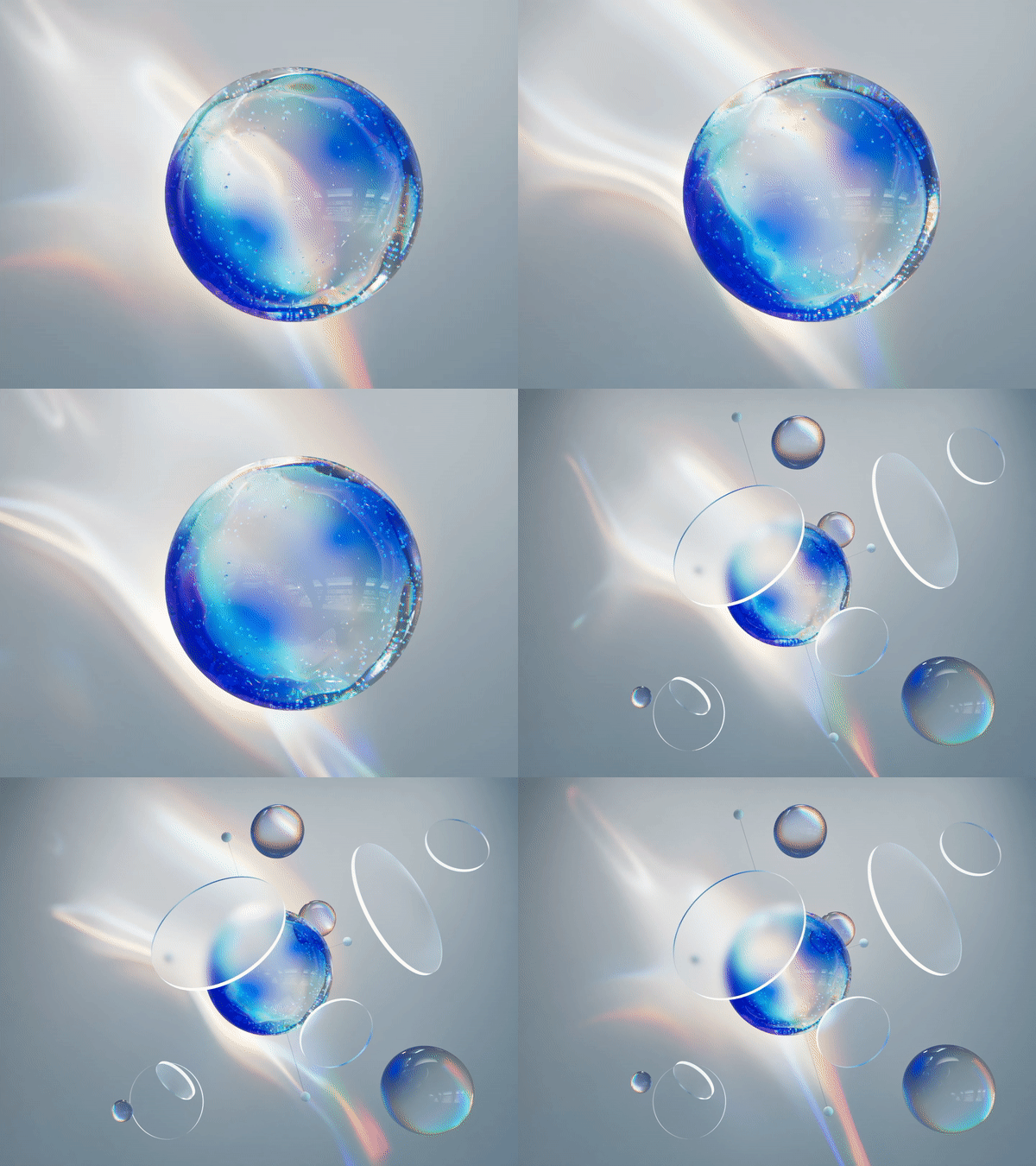
The creative industry is currently undergoing its most significant paradigm shift since the introduction of the graphical user interface. With the emergence of sophisticated text-to-image generators like DALL-E, Midjourney, and Stable Diffusion, the digital landscape is being flooded with AI-generated visuals. For design practitioners, this technological surge has sparked an existential debate: Is the designer becoming obsolete, or are we witnessing the birth of a new era of human-machine co-creation?
In this comprehensive exploration, we analyze the current state of design, address the professional anxieties surrounding artificial intelligence, and provide a strategic roadmap for designers to integrate these powerful tools into their workflows.
The Chronology of the AI Design Shift
The evolution of design technology has always been a journey from manual labor to digital augmentation. For decades, the "craft" of design—rendering, sketching, and precise vector manipulation—accounted for roughly 95% of a designer’s time, leaving only 5% for pure ideation and strategy.
The turning point arrived in 2022. While AI had been used for predictive analytics and simple pattern recognition for years, the release of generative models capable of high-fidelity artistic synthesis moved the technology into the spotlight.
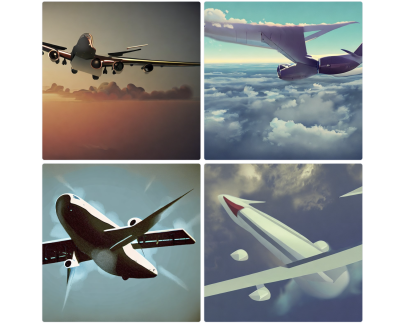
- Early 2022: DALL-E 2 by OpenAI demonstrated that natural language could translate into complex imagery, effectively collapsing the time between concept and visualization from days to seconds.
- Mid-2022: Midjourney and Stable Diffusion introduced accessible, high-quality generation to the masses, turning social media platforms like Instagram and Twitter into galleries of machine-augmented art.
- 2023 and Beyond: The focus has shifted from mere image generation to professional integration, with legal battles, ethical considerations, and the professional "co-pilot" model taking center stage.
Supporting Data: Efficiency vs. Craft
The primary motivation behind the adoption of these tools is efficiency. In a professional environment, an unsuccessful pitch can result in hours of labor being discarded. AI mitigates this risk by allowing for rapid, low-cost iteration.
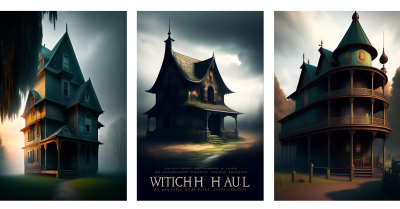
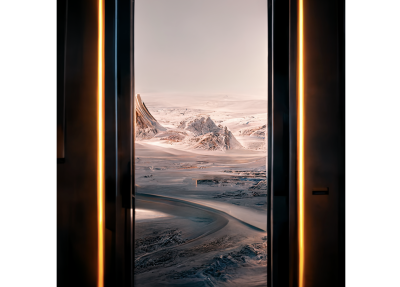
However, the data shows a clear distinction between "content generation" and "design." While AI can produce a high-fidelity image of a "hotel booking app" in seconds, it lacks the contextual understanding of user journey mapping, accessibility requirements, and business logic. The current limitations—such as the notorious tendency for AI to misrepresent anatomy (like extra fingers on human hands) or create homogenized, "Dribbblized" aesthetics—highlight that human oversight remains the critical final mile of production.
Official Responses and Ethical Friction
The rapid rise of these tools has not been without controversy. In early 2023, a landmark class-action lawsuit was filed against Stability AI and Midjourney. The plaintiffs, a group of artists, alleged copyright infringement, arguing that these models were trained on billions of images scraped from the web without consent or compensation.

While legal experts remain divided on the outcome, the industry is already reacting. Stock photo platforms like Shutterstock have formed partnerships with OpenAI to create ethical AI-generation tools that compensate original contributors. This suggests that the future of AI in design will likely be governed by "clean" datasets and transparent licensing, rather than the "wild west" approach of early generative models.
Implications: The New Chapter of Co-Creation
If we view the computer as Steve Jobs famously described it—a "bicycle for the mind"—then AI is the motor. It does not replace the rider; it extends their range.
1. The Death of the Traditional Mood Board
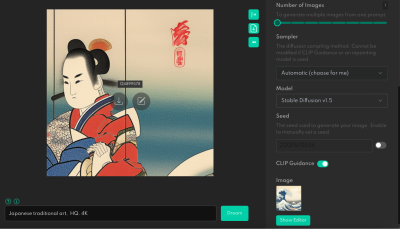
The traditional manual process of searching Pinterest or Behance for inspiration is being replaced by prompt-based exploration. Designers can now generate thousands of variations of a visual concept in the time it once took to select five reference images. This allows for a more expansive "discovery phase" where designers can explore wild, unconventional directions without the sunk-cost fallacy of manual rendering.
2. From Craftsman to Creative Director
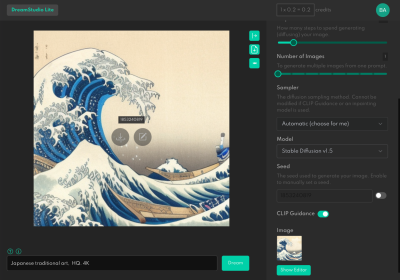
The role of the designer is shifting from "doer" to "curator." In the future, the most valuable designers will not necessarily be the fastest with the pen tool, but the most articulate with their vision. They will act as directors who guide the AI, providing specific constraints and inputs to ensure the final output retains a human, authentic fingerprint.
3. The Challenge of Homogenization
There is a legitimate fear that AI will lead to a "sea of sameness." When everyone uses the same models and the same prompt structures, the output can trend toward the generic. To combat this, designers must resist the urge to use AI as a crutch for final output and instead use it as a brainstorming partner. The differentiator in the future will be the designer’s unique life experience and ability to solve nuanced, human-centric problems that an algorithm cannot fathom.

Practical Tips for the AI-Augmented Designer
To remain relevant, designers should not fear the transition but rather master the machine. Here are three ways to start:
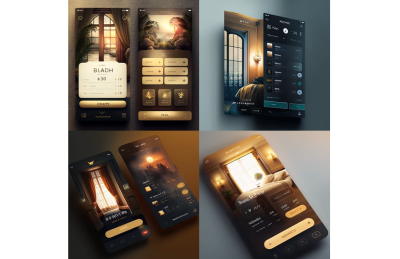
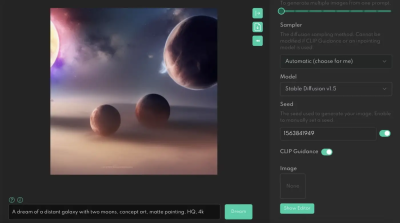
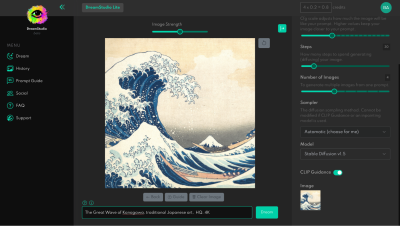
- Master the Prompt, Master the Intent: Learn the nuances of image-to-image (img2img) workflows. By using your own sketches or existing design systems as a source, you can maintain brand consistency while utilizing AI for enhancement and variation.
- Embrace Iterative Exploration: Treat AI as an intern. Use it to generate 20 different concepts for a layout or icon set, then apply your professional judgment to refine the best one.
- Focus on the "Why": AI is excellent at "what" and "how." It is currently terrible at the "why." By deepening your understanding of user psychology and business strategy, you ensure your value remains indispensable to stakeholders.
Conclusion: A Brighter Horizon
The fear that AI will replace designers is rooted in the assumption that design is merely the production of images. But design is, and has always been, about solving problems for people.

The era of AI-generated design is not a threat; it is a liberation. By automating the tedious aspects of our craft, we are finally free to focus on what matters most: innovation, empathy, and the pursuit of meaningful human experiences. We are moving toward a future where the only limit to our work is the depth of our imagination. The "bicycle for the mind" has just been upgraded, and it is time for designers to start pedaling toward this new horizon.